
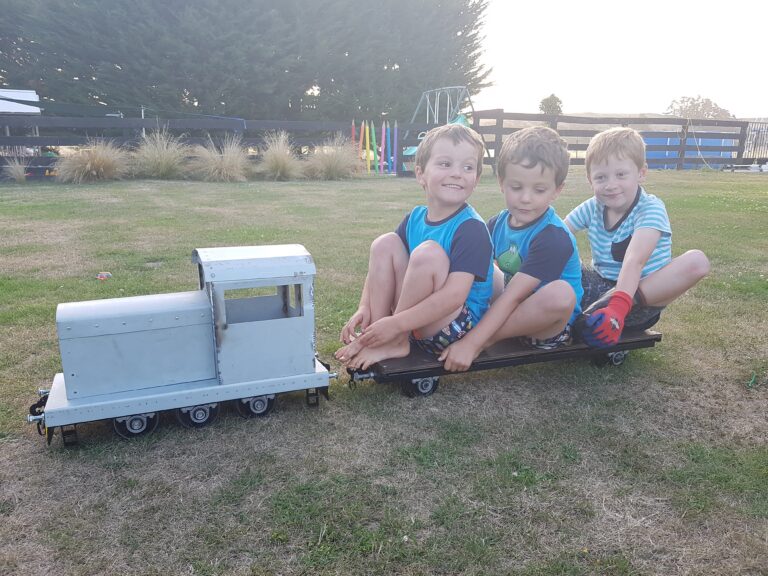
All aboard
This project started after a visit to The Plains Vintage Railway and Historic Museum in Ashburton (www.plainsrailway.co.nz). Our three boys had really enjoyed the model trains and, on the way home, asked if I could build one for them. As the kilometres went by, a few ideas began to form, and the seeds for this project were planted.
Over the Christmas/New Year break, I decided to retire to my workshop and start turning the thoughts and ideas into the real thing. The overall design is based on the TR189 locomotive pictured below.

The Shed magazine October/November 2026 issue 129 on sale now
Accomplished sheddie Chris Gordon’s extensive shed work continues, but this latest project comes with a Ducatisti advisory warning: This article contains graphic images and descriptions of procedures that some Ducati fans may find disturbing. Reader discretion is advised.
Chris wondered: with my previous projects completed, what to do next? Another motorcycle project would be good. I’d never done a café racer. The Gulf Racing livery was nice. What if I combine all of these? I say yes.
Consideration was then given to what base vehicle to use. By chance, a work colleague’s beloved 2001 Ducati ST4 Sports Tourer had recently suffered engine failure, leaving him stranded somewhere in the bowels of South Canterbury. Although the bike had been taken to a safe location, he couldn’t see a viable way forward for getting it back on the road.
It’s where?
Discussions throughout the week resulted in a deal being done, and then I was the proud owner. Slight wrinkle: it was in Woodbury, a small town just out from Geraldine, South Canterbury. A van trip south, and the bike was in my possession. During the loading of the bike in Woodbury, it became very apparent that this was a hefty beast. As I work alone, special considerations and handling techniques would be required to prevent further damage to the bike… or indeed, me.
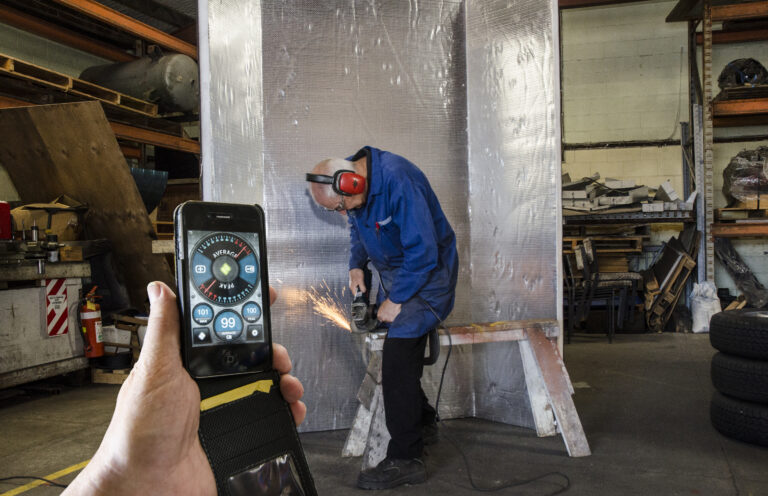
The sound of silence
As power tools become more and more affordable, the average shed or home workshop is full of tools that do work that would take ages with hand tools. Unfortunately, they also produce plenty of noise. If you are the one having all the fun with these great tools, you are likely to be well kitted out with the appropriate ear muffs, etc. But what about your neighbours or anyone else in the vicinity? There are ways to reduce harm to other people’s hearing, as well as the nuisance factor. First, let’s understand what noise is.

Dad will love this!
Subscribe to The Shed magazine for one year this Father’s Day, and go into the draw to win one of two luxury car care packages worth $570 from Lovecars.
The prize: Adam’s Foam Cannon Kit includes a complete pressure-washer foam cannon setup; Michelle’s Car Wash Kit takes care of everything after the foam. It includes Autostolz Premium Auto Wash, Enhanced Ceramic Spray Wax, and loads more.
Together, you’ve got the setup to foam, wash, protect and dry your car properly – using some of NZ’s top-selling car detailing products.
A seriously good prize for anyone who loves keeping their car looking its best.
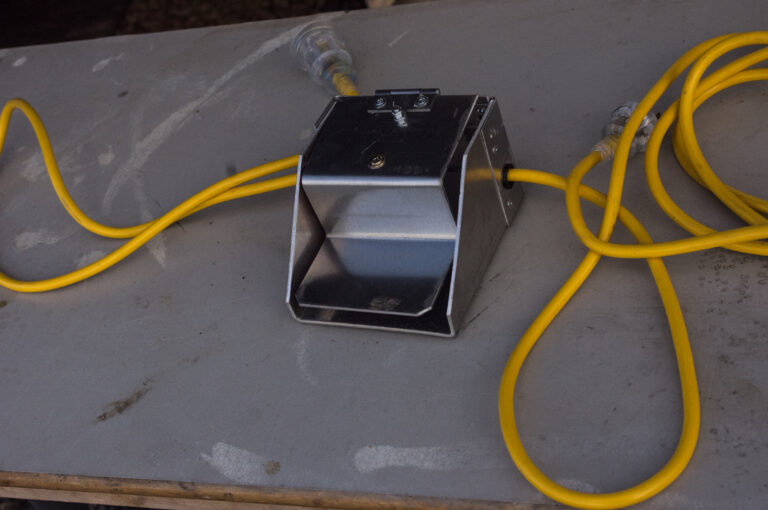
Building a dead man’s switch
Routers, power and cut-off saws, as well as angle grinders, can all inflict very nasty injuries in a fraction of a second. I can still remember nearly breaking my wrist many years ago when a heavy electric hand drill, fitted with a one-inch drill bit, decided it was time for me to revolve instead of it! A foot- operated cut-off switch would have been just the ticket on that occasion.
The dead man’s switch, as I will call it, is a simple device fitted in between the power supply and the operating equipment that requires a foot kept on it at all times for power to be supplied from the source to the equipment.
As it will undoubtedly spend a lot of its time on hard floors and possibly uneven surfaces, it needs to be robust as well as big enough to accommodate your foot comfortably. It should also be rugged and well protected from the scuffs and knocks it will undoubtedly suffer over the years.
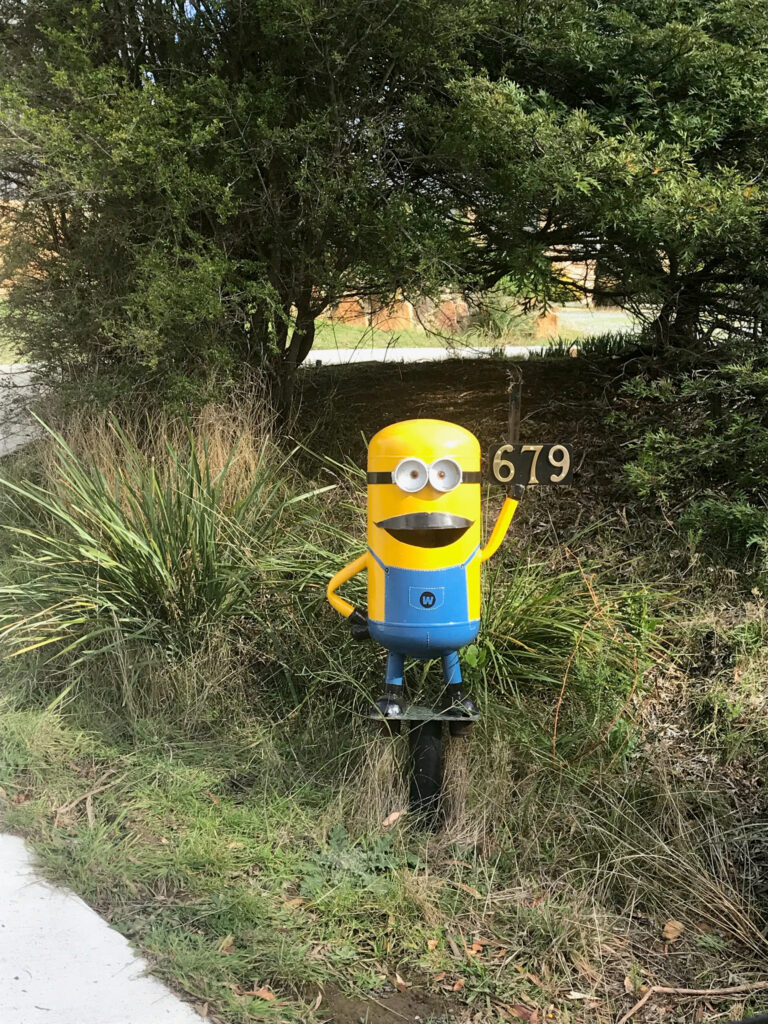
You’ve got mail
In a world beset by increasing regulations, building codes, local government bylaws, vehicle safety legislation, and the like, very few things remain untouched by the long, deadening arm of bureaucracy. However, one that has escaped is the humble mailbox.
While their suburban cousins have generally succumbed to the pressure to have standardised, mass-produced models available from hardware chain stores, their rural brethren have maintained their diversity, and still reflect their owners’ creativity and imagination.
In this era of increasing conformity, the rural mailbox stands out as a statement of individuality made by those of us unwilling to follow the common herd. Although postal services worldwide are coming under continued pressure from the new delivery platforms, the mailbox is still an integral part of any property, rural or suburban. A good mailbox should be thought of as a fine example of street art, a whimsical statement by its owners perhaps reflecting their passions and interests, while fulfilling a utilitarian function.
Creative duet
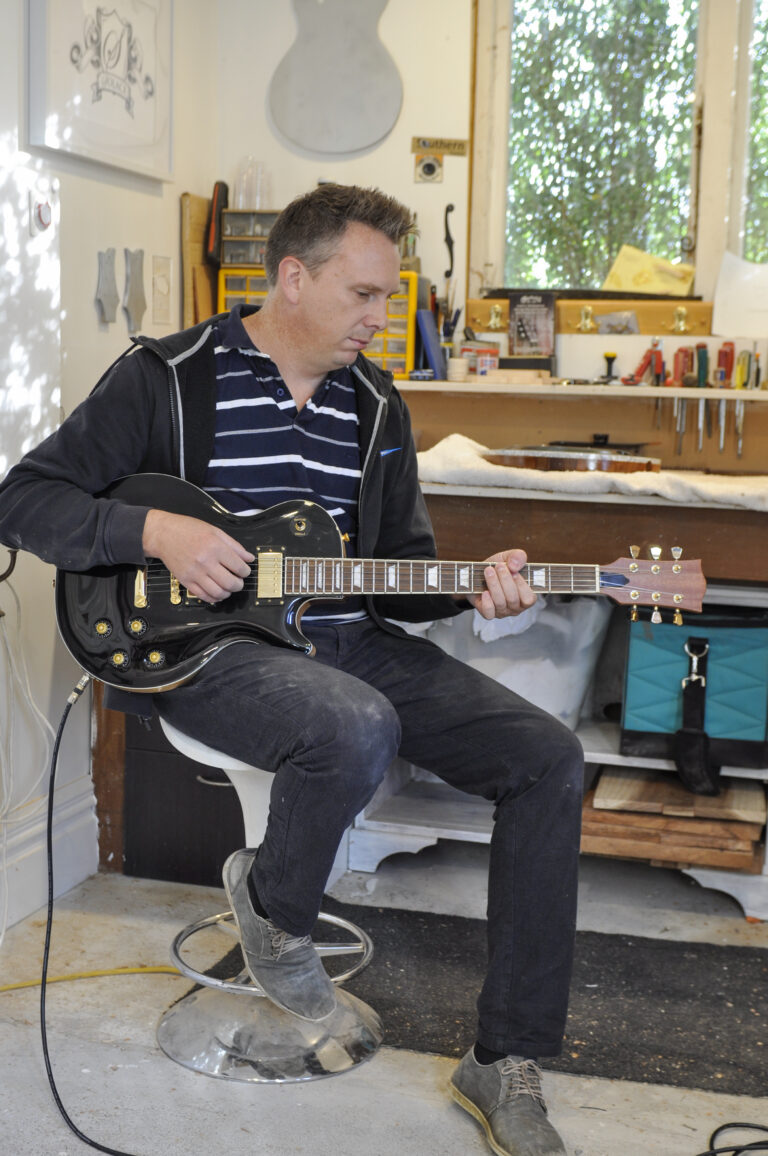
For Dave Pauling, making guitars is the natural fusion of two passions – music and wood.
Dave, who has been playing the guitar since he was 13, also knew the pleasure of pottering in sheds from a young age. His father is a “sheddie” from way back who, among other things, still spends many hours restoring vintage vehicles.
“I grew up helping him with his Model Ts, making bows and arrows, or working on a model railway we had in the loft,” he says.
While Dave himself has spent a fair few hours restoring a 1965 Mustang imported from San Francisco, he prefers working with wood. There’s something about the malleability and smell of wood, as well as its provenance, he says. Wood, especially the recycled timber he uses to construct his guitars, has had a previous life. “Every guitar I make comes with a pre-history.”
Rust, me and CRC Evapo-Rust
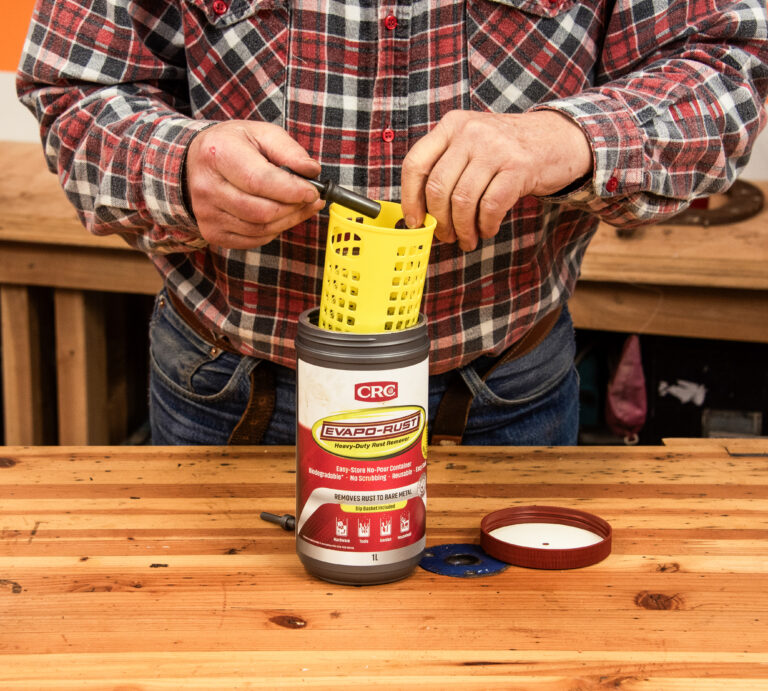
My tools and machinery were housed in an unlined shed for a few years, resulting in plenty of surface rust.
I tried removing it with abrasive products, but that involves an awful lot of manual labour and doesn’t always work well, not to mention the scratches it leaves on the tool’s surface. So I looked for a decent rust killer. CRC Evapo-Rust had a reputation, so I gave it a go.
Most of my affected tools were small enough to be immersed in the liquid. I had a container that I filled with Evapo-Rust, and an overnight immersion generally cleaned them up. The beauty of Evapo-Rust is that it’s reusable, so that container will last for the foreseeable future, probably a year for me.

A butterfly takes wing
This simple butterfly pendant or brooch (depending on the back fittings) is a very good exercise in several basic goldsmithing techniques. It also can be decorated in several different ways to produce strikingly different finished pieces of jewellery.
I drew this design more than 25 years ago for a company that then made paua-shell jewellery. They stamped out their products, so I often made the master patterns in copper and from these patterns they spark-eroded the dies.
If this design was being made in an art school, it would be stuck to a sheet of silver and the basic shapes cut from there. If a design was made this way in, say, 18-carat gold and the wing outlines (as here) made from 2.5 mm thick metal, the outlay and waste material would be considerable from a 2.5 mm-thick sheet of 18-carat gold plate. But we will make it like a professional craftsman who has to live in the real world where costs matter.
Making a clean sweep – how to make a magnetic sweeper
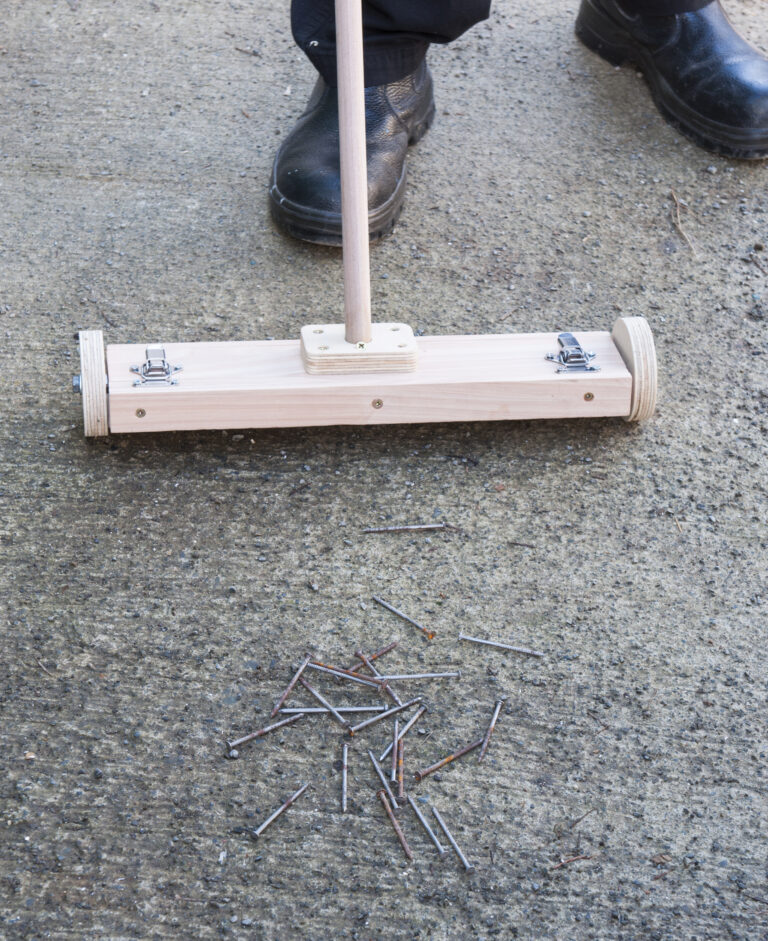
After mumblings of discontent about the potential punctures and those “messy engineers”, I decided to make a simple magnetic sweeper. The concept is not new. Magnets have been used for picking up road debris for a long time, and they are very effective.
The challenge, though, is where to find magnets that are strong enough, and how to effectively remove collected steel waste from the magnets. In an ideal world, it would be great to be able to turn the magnetism off and on.
This can be done, of course, by shifting the magnetic poles in the same way that magnetic chucks do on a surface grinder.
Very effective, but I couldn’t see our tool makers in the shed being happy to see the magnetic chuck from the surface grinder being “borrowed” to pick up nails.
The Shed magazine August/September 2026 issue 128 on sale now
Sentimental Journey
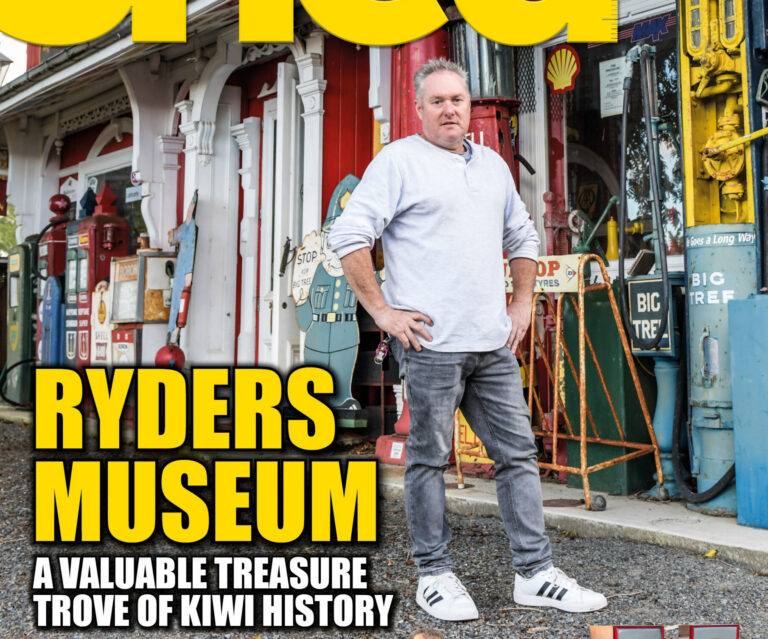
Jack Ryder had a unique ability to hypnotise sports stars, politicians, and celebrities into donating items for his museum and sports memorabilia collection. Now, his grandson Clint manages this West Auckland landmark, but the property development vultures are circling.
It is hard to imagine a less likely location for a living museum than the back blocks of suburban West Auckland in Avondale.
Yet here, towards the end of a lengthy no-through road, the Ryder family hold tight to a self-built vestige of Auckland’s yesteryear. While the surrounding streets are turned into homogeneous multi-unit town housing, the Ryders’ two-acre slice of Pavlova Paradise remains, less a multi-generational home ground and more a celebration of the character of the city’s past.
Slipping through the tall white gates past the twin concrete lion sentinels at the street end of Ryder’s long hedge-lined driveway, the modern world slips away. Ahead, in the shade of a 100-year-old Pecan tree, an enclave of antique edifices opens out along the back-fence line like a set from a period movie. This corner of vintage Kiwiana is the handiwork of the late and industrious Jack Ryder, a coach-builder and wharfie, who began constructing it from a group of sheds spread across the property.

New Zealand Railways celebrates 150 years
In 2013, Railways in New Zealand marked the anniversary in October this year of 150 years since the first broad-gauge public steam railway opened between Ferrymead and Christchurch City in 1863, a distance of seven kilometres. The original gauge was five feet three inches (1600 mm) wide, although the standard gauge for New Zealand railways was to become three feet six inches (1067 mm).
As the Railways 150 Years Committee describes it, “People and goods were barged from the Port of Lyttelton to Ferrymead, then taken by rail to Christchurch. The Ferrymead Line operated for ten years from 1863 until 1873 when the 2.6-kilometre tunnel connecting Lyttelton and the Heathcote Valley was completed and commissioned.”
The celebrations for the anniversary in 2013 are focused on operations and displays at the Ferrymead Heritage Park during Labour Weekend and include heritage steam trips with the restored locomotive Ja1240 from Christchurch to Arthur’s Pass, Timaru and Ashburton. The Railways 150 Committee includes representatives from rail organisations such as the Ferrymead Railway, the National Railway Museum of New Zealand, the Mainline Steam Heritage Trust, the Plains Railway, the Weka Pass Railway, the Steam Canterbury Preservation Society and others. Additional help and assistance is provided by KiwiRail.
How to pimp your shed
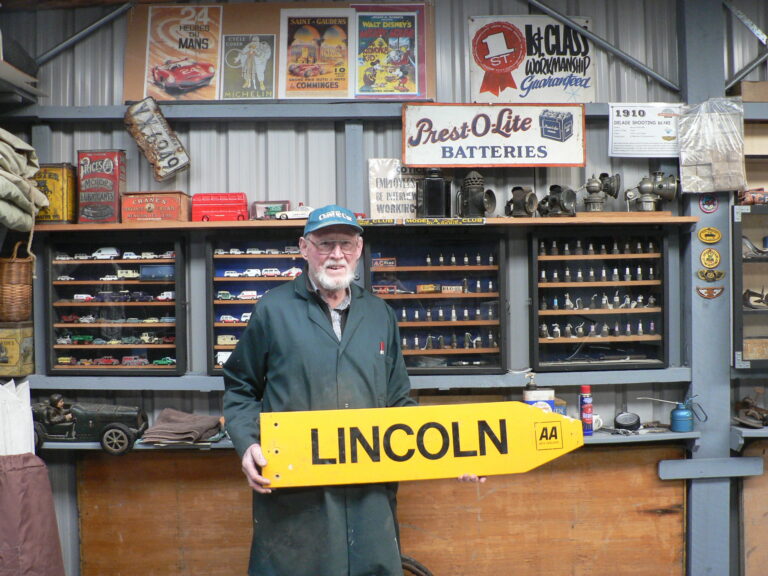
The urge to decorate is universal, whether it be tattoos, floral designs on early Stanley rebate planes, or flames on hot-rod hoods, and sheds are no exception.
Big or small, simple or ultra-flash, sheds have one consistent feature – they all have decorations. These can be nostalgic, humorous, or more or less misogynistic (and often all three).
The mamo-centric female portraits which, in the past, were so common in garages and workshops are now rarely seen, perhaps because businesses which used to distribute complimentary “girlie” calendars can’t now risk the potential bad publicity. Or shed owners are embarrassed at the thought of their wives, children, or grandchildren seeing them. Or perhaps we have all become a little more mature.
Feminist relatives tell me that the purpose of pin-ups wasn’t decorative, but to make women visitors so uncomfortable that they wouldn’t linger, creating a woman-free zone. Sort of like farmers draping the skins of killed predators on fences to discourage their kin.

All hands to the tanks
The call goes out. The volunteers pour into the military camp at Waiouru in the centre of the North Island. The only war, though, is going to be on rust, handbrake cables,
driveshafts, seized brake systems, the battered cylinders of tank engines and the ongoing tussle to turn out new truck engine parts.
Here is a group of willing sheddies who meet about once every six weeks under the keen oversight of George Pycraft. Their job: to continue repairing the heritage vehicles of the Army Museum at Waiouru.
Their “shed” is a group of four storage sheds housing 85 vehicles in various states of repair. They are as diverse as tanks, the 24-tonne M41 Walker Bulldog, the Centurion, and Valentine tanks (the latter still in World War II Pacific theatre camouflage), a 1941 Canadian Pattern Chevrolet gun tractor, an MB Jeep still wearing its 1942 Long Range Desert Group livery, an M113A1 Armoured Personnel Carrier (APC) painted in UN colours and of the type used in Bosnia, a 1943 Ford F30 truck, a 39-inch searchlight and an M816 recovery wrecker truck made by American Motor Corporation in 1969.
Pycraft, the museum’s Assistant Curator – Technology, says with the help and dedication of the museum’s volunteers they are slowly coming closer to having a complete running collection of heritage vehicles.
A weighty subject
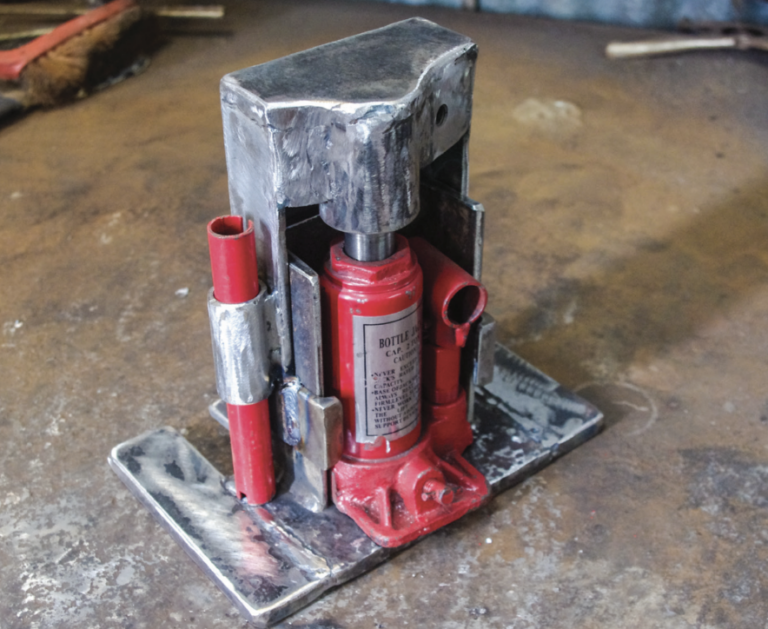
One problem with working alone in the shed and having a liking for large pieces of Victorian cast iron is the difficulty of safely moving or lifting them.
They can be moved with load skates and pipes as rollers, but how do you lift the weight onto the rollers? Trying to push down on a crowbar while arranging pipe rollers under a machine is inviting trouble. A toe jack allows you to lift and hold the weight in the air as you arrange the rollers and put in safety blocks. It is not intended for great weights or high lifts due to stability, but it allows you to lift the weight.

From armour to fighter
An unassuming garage in the Hunua Ranges south of Auckland is the current shed of Gordon Turner and home to his latest project – a full-sized replica cockpit of a Messerschmitt Bf 109E fighter plane. Made from plywood, timber and aluminium and five years in the making so far, it will never take to the skies. But it is eventually intended to become a flight simulator, giving the ‘pilot’ a realistic experience of flying one of World War Two’s most famous aircraft.
Revving up Island-style
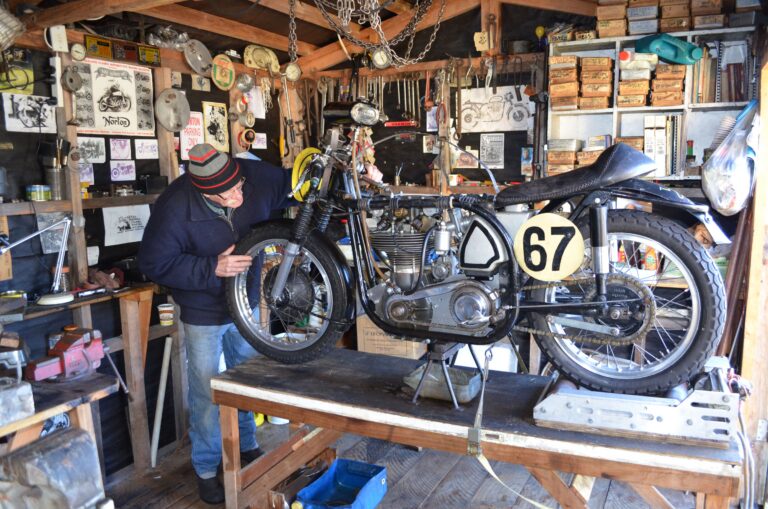
As you can imagine, on Great Barrier Island, the population is likely to have more than its share of characters, given the island’s remote location. Part of the charm is its lack of power supply and absence of a supermarket. If something breaks, there’s not likely to be a spare part sitting on a shelf anywhere on the Island, so if you don’t want to wait or to pay hefty freight charges on top of the cost of the part, you make one or use real no. 8 wire ingenuity. Even though it is New Zealand’s fourth largest island (after the North, South and Stewart Islands) and is only a half-hour flight from Auckland, it’s like a different world, and that’s why the locals love it.
The Shed magazine June/July 2026 issue 127 on sale now
Murray Belfield is a phenomenon
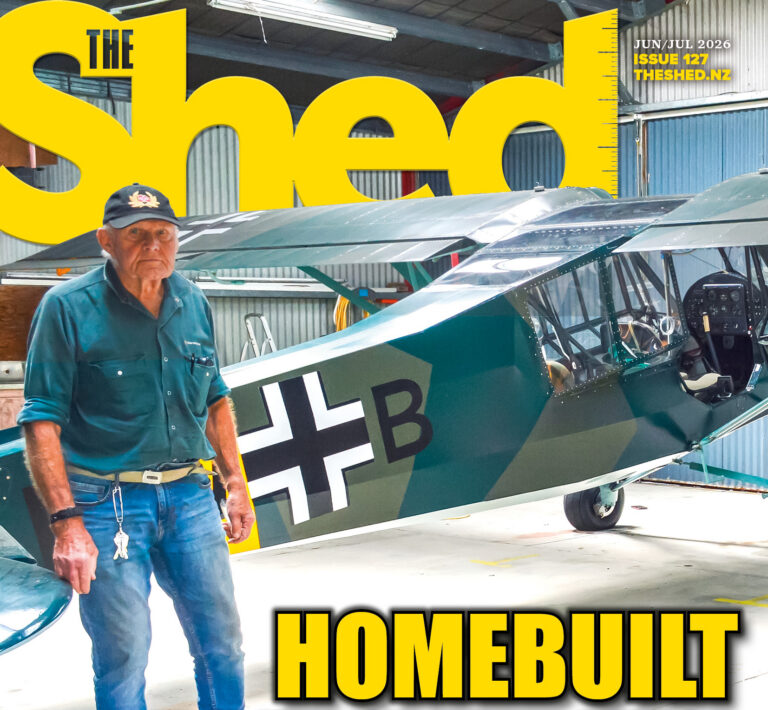
He has built a few planes over the years, but none gave Murray the performance and thrills he really wanted until he built his scaled-down German paratrooper’s plane, a Storch. Building this rarest of planes consumed nine years of this 86-year-old’s life. And the result? He couldn’t be happier.
For most of us, stalking a deer across the back country, shooting it cleanly and lugging it home to furnish the table would be accomplishment enough for any evening’s bragging rights.
But when that involves landing an aeroplane you built in your shed onto a handkerchief-sized patch of hilltop scrub, finding and shooting the quarry, manoeuvring the carcase into the spare seat and getting off the ground again, and doing all that at the age of 86, bragging just vanishes in the slipstream. Murray Belfield is, anyway, far too practical and busy a guy to waste his evenings boasting to his mates, but he is, nevertheless, a phenomenon. His plane, the second he has built by hand, is another. Highly specialised for short take-offs and landings (STOL), it is a three-quarters-scale replica of a WWII flying legend, the Fieseler Storch.
The replica, designed by famed aircraft engineer Ladislao Pazmany, is so challenging to build that, to Murray’s knowledge, only one other Pazmany model has been completed to the flying stage, by an enthusiast in Alaska. As if that wasn’t a hard enough ask, Murray has incorporated many improvements of his own based on his many years of bush flying experience (and his dislike of fibreglass).
In the dining room shed
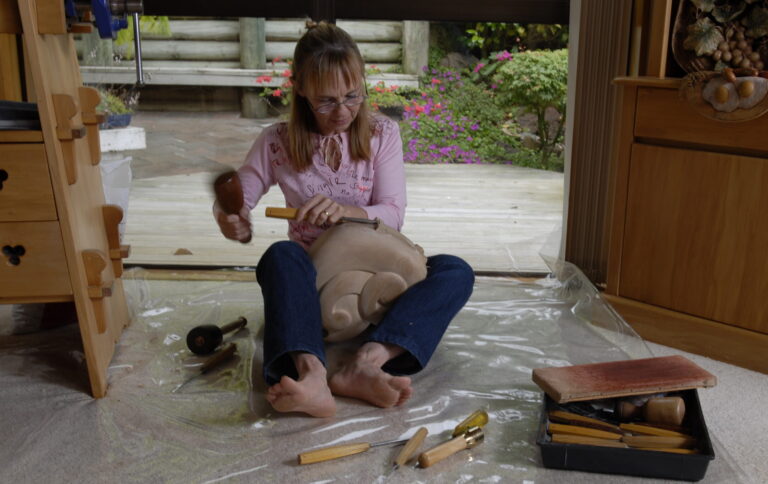
Jane Allnatt’s father was a commercial artist, a painter, model-maker and did a bit of carving, so there’s something of the family tradition in what Jane Allnatt is doing in working with wood. But it’s unlikely her father imagined her designs and creations coming out of a shed in the dining room.
Working on a sheet on the floor of a room in her house is the Howick resident’s “workshop” and preferred way of creating work. Yet that work has regularly taken prizes in various categories at the annual National Woodskills Festival at Kawerau, a central gathering place of woodturners and sheddies.
It is also unlikely you would find many men praising the convenience of their working space because, as the sculptor puts it, “the room is centrally placed and I can disappear to cook dinner or if there is any washing, I can do that. The light is good, too.”
The Workmate – a shed in a cupboard
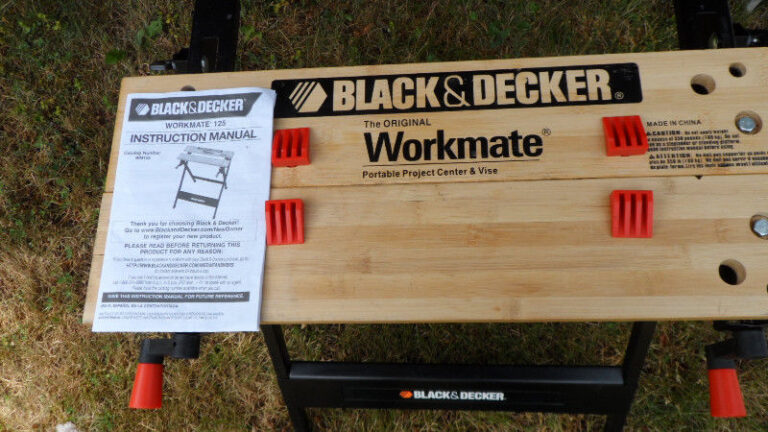
In 1961, Ron Hickman, a just-married South African immigrant to the UK, was making a wardrobe using expensive Scandinavian chairs as sawhorses (as you do) when he inadvertently cut one of the chairs as well as the plywood. This was his eureka moment. The need for a workbench which could be stored away in an apartment cupboard when not being used was obvious.
His prototype folding workbench had a classic cast-iron and steel Record brand wood vice attached to it.
Ron was known in the Lotus Cars factory, where he was director of engineering, as someone who could always see an alternative approach to design problems, and so it was with his workbench. His final design used the top of the bench as a vise; one half of the top being fixed, the other being moved by two threaded rods to clamp the object being worked on, vaguely similar to a book-binder’s vise. His background in car manufacture led to him design the folding workbench with a metal frame. Because it was intended to be used for woodwork the top was wooden – solid wood in the original design.
Readers’ forum – sheddie chatter
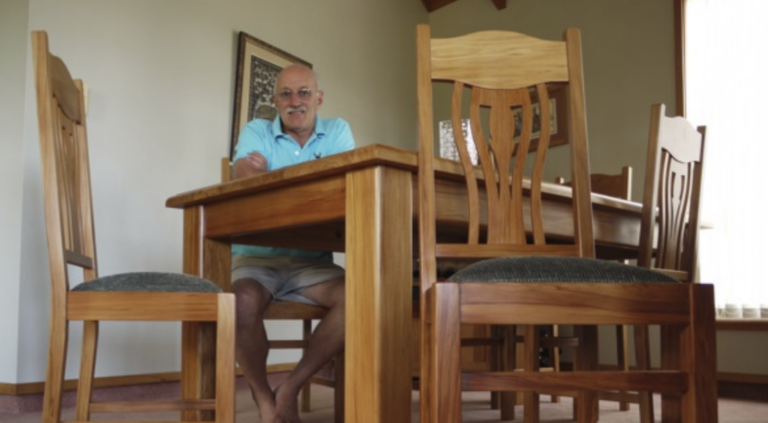
One of the popular features we used to publish in The Shed magazine is the readers’ forum.
Here is one from way back in 2011, what a few sheddies were up to in their shed that year and what was on their minds at that time
Westland Industrial Heritage Park: From trash to treasure
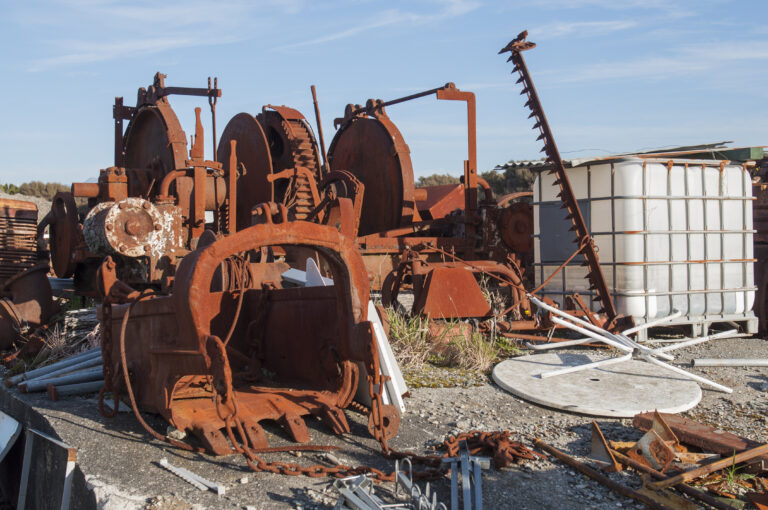
The West Coast has a history as rich as it is rugged, with a past steeped in mining, logging, and dairy farming on a forest-clad strip between the mountains and the sea. Up by Hokitika airport is a sheddies’ paradise where relics from this past are being resurrected by an enthusiastic and capable band of volunteers.
“It all started back in 1981. Everything was going by train out to scrap, so we formed a club to stop it,” says Mort Cruickshank. The “we” were four young men – Spike Jones, Jim Straton, Mike Rooney and Mort. They formed the Westland Farm and Vintage Machinery Club and started salvaging old machinery that had been destined for the dump. With no premises, they kept it in their backyard sheds and met sporadically to plan the future.
Four decades on, and the Westland Industrial Heritage Park, spread over several acres up by Hokitika airport, is packed with machinery, sheds and enthusiasts. It is a hub of community activities, has a Menzshed on site and is increasingly a drawcard for tourists.
Making a gate – the blacksmith way
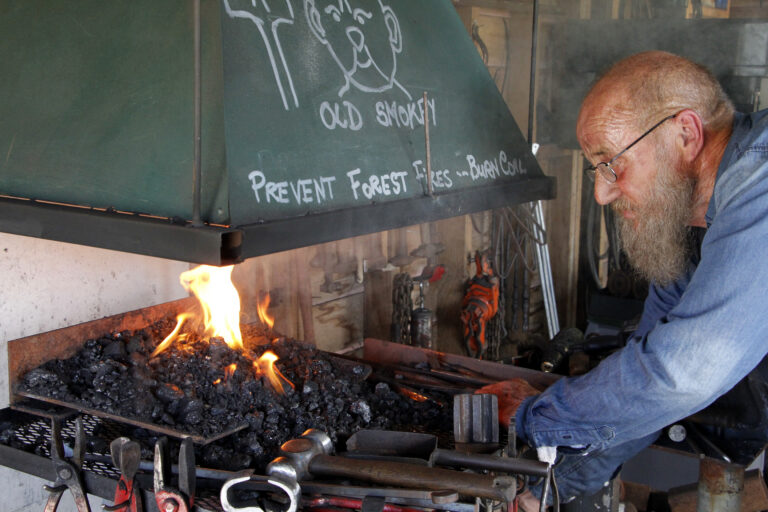
Joe Parkes is a blacksmith and as a youngster learned his trade the hard way. In 1958, aged 12, he was apprenticed to his grandfather and he quickly learned not to make mistakes. His giant Scots grandfather, Jack James, was a smithy of the old school. If young Joe got something wrong he had his head dunked in the half barrel of water used for cooling steel from the forge. He learned quickly.
“My grandfather, I called him Pop, was a big bugger, standing 6 ft 11 inches (1.8 metres) tall and weighing in at 20 stone (127 kg). He was a hard bastard, but he was my mentor. I once saw him pull a man through a high hedge and throw him over the top. You didn’t mess with him. If the blacksmiths got into a scrap you kept well clear.
Hot stuff in Taranaki
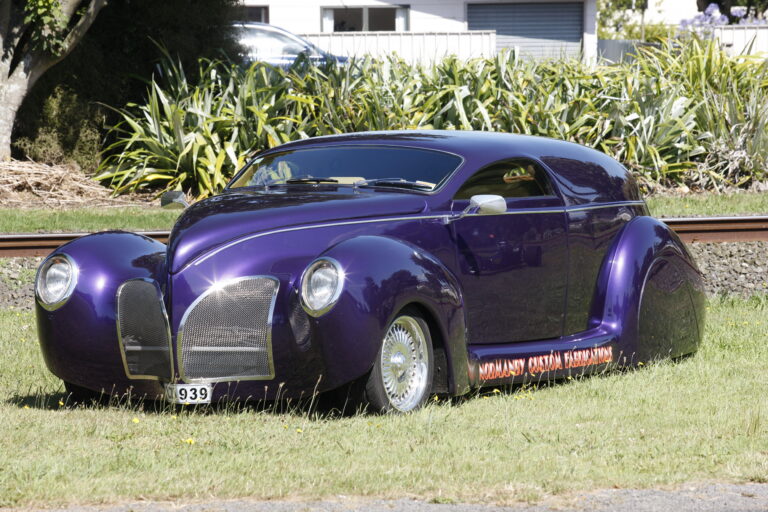
Hot rods – we see them rumbling round the highways and byways, big V8s burbling, immaculate finished body and paintwork and obviously someone’s pride and joy. Many people don’t realise the work that goes into customising one of these gleaming machines. Some are old cars reshaped and rebuilt, and some are made from scratch, often using the classic designs and lines of cars built in the 1920s, 30s and 40s.
In the little town of Normanby in South Taranaki there’s a workshop set up to create these beasts. We caught up with guys from three businesses in a row having smoko together. An upholstery business, a custom fabrication shop and an engineering shop. All mates who work in together in a way that can only happen in a small town.

Heart of glass
Parts of Carmen Simmonds’ cast glass studio glow with the ethereal, often surreal treasures that emerge from their creator’s imagination and the searing heat of her kiln. Radiantly coloured dolls’ heads, glass lace and crochet, headless dancing dresses, ballet shoes, lilies in milk bottles, flowers, and other organic forms are at once beautiful and disturbing.
Then there is the other side – the chemistry and chemicals, machinery, and tools; hours of modelling, firing, grinding, sanding, and cutting.
But this studio is also a home. Carmen and her husband Glen live at her work studio – a 100-metre-square shed on their 8.5-hectare lifestyle block in Brunswick, Whanganui. The shed was originally intended as Carmen’s full-time studio but when they sold their house in town they had nowhere else to live so they moved into the shed “to camp for a while” and have stayed, still temporarily, for eight years.
Making a workshop bench video
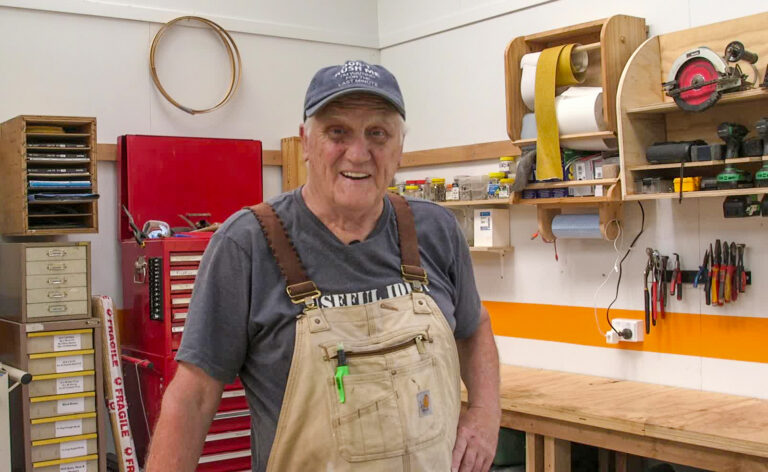
Every shed needs a utility bench, and most sheds usually have one or two.
It’s a place where things can be worked on or stored. I have built a few recently, and I have developed a simple process that makes the process quite easy and results in a sturdy workshop asset with space for storage.
The advantage of this design is that it doesn’t require good, straight timber. In fact, I often buy very cheap, knotty 2nd or third grade timber from my local sawmill, who specialise in Macrocarpa. I can get long lengths, but they are rarely straight or twist-free. Sometimes I can get relatively straight pieces, or I can find 3 metres or so in a 4-5m length. For the most part, you can usually find enough pieces of around a metre that are relatively straight.

The Shed magazine April/May 2026 issue 126 on sale now
Hayden Scott’s road to crafting Damascus blades has been a journey of self-discovery, from an ambitious teen working the boning tables of the Balclutha freezing works to chef Al Brown’s right-hand man. Now, with over 25 years of experience using knives, he has found his calling: hand-forging the finest blades for cooks all over the world from his backyard sheds in the Waitākere Ranges.
“Hayden grew up in Balclutha surrounded by farmland and a practical family: his mum made the family’s clothes; dad was a chippie; an uncle built airplanes, and another uncle was a fitter and turner.
Hayden and his brother were often left to their own devices, usually with a pocket knife in hand. He remembers, “I always had a project on the go. What have we got here? What can I make from this?” Huts and bows and arrows lead to hovercrafts with electric motors, and later to bicycles, motorbikes, and furniture restorations.
His uncle Russell was a real inspiration, a builder who knocked together a Jodel airplane, which Hayden fondly remembers flying around Otago in. “I was in absolute awe that someone could build something like that, at home.” Another uncle, Allan, was a Fitter and Turner who rebuilt motorcycles. He had to dig out a cellar under his house to store his vast collection of vintage motorcycles. Hayden remembers, “He was always in there with his overalls on, working on them. Growing up around people like that was really motivating.”
Hobbit haven
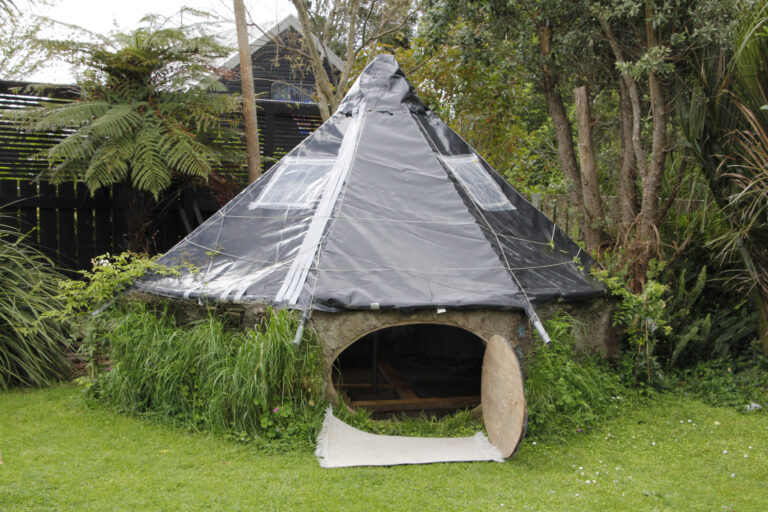
I have made a hobbit house for my kids almost entirely from recycled materials and left-overs from building a garage. The frame is an old trampoline. It is 3.2 metres wide (this depends on the size of your trampoline ) and 2.3 metres high at the apex. I can stand in it easily. The poles that were for the side of the trampoline had holes at the top so by the time I lashed them all together it was incredibly strong.
I made the walls out of an old pallet with a couple of bigger bits of driftwood on top. We mudded the walls with a mix of dirt, grass and a little cement until there were no more holes and then patched as needed. I used all kinds of recycled wood that would fit. We have added more layers as needed or as bits fall off. The walls are probably about 100 mm thick on average but up to 150 mm in places and we have added paper in the middle for extra insulation.
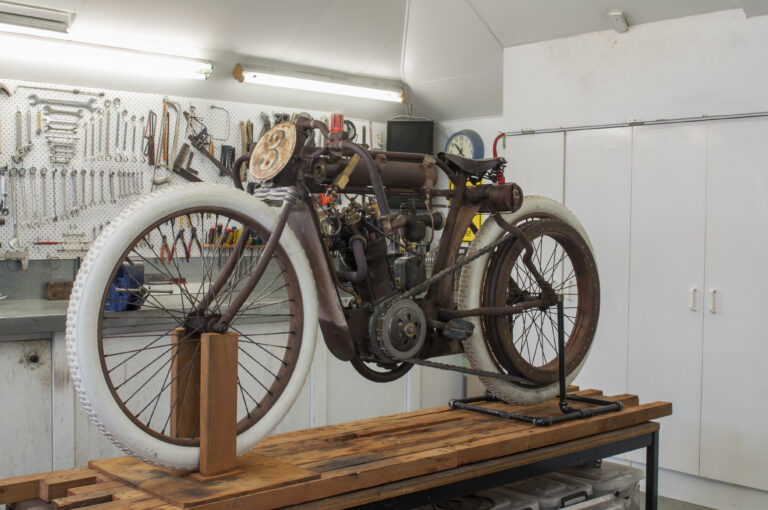
Racing motorcycles – the art of engineering
Chris Gordon has been devoted to the internal combustion engine since his earliest days, when his next-door neighbour was a motor mechanic.
At 14, he was a crew member for Ron Collett, who successfully ran a Top Eliminator class dragster at strips throughout New Zealand. His Chris Gordon Racing Team won the 1998/99 125cc New Zealand Road Racing Championship, with well-known rider Dennis Charlett riding a Honda RS125 that Chris owned and prepared. Chris and his team ran the bike in the 125cc class at the Australian MotoGP at Phillip Island in 1999.
Chris has also, from a very early age, made things: models, an electric bicycle, an electric go-kart; a fibre-glass, road-registered, scratch-built car; and a 500cc V8- powered grand prix racing bike. He has a minimalist approach to tools and equipment, but to make the racer’s V8 engine, he had to buy and master a small lathe and a serious, large and highly capable milling machine. The alternative would have been to get the machining and development done professionally. Chris calculates that this would have involved thousands of hours of very expensive machine time – say, 3000-plus hours at $100 per hour. That’s a lot of money.

Choppers with pedal power
Geraldine High School technology teacher Alan Minnear built pedal-powered choppers with his Year 11 students because he wanted something to capture their interest. He says he initially got the idea for the choppers from another local teacher but then discovered the Atomic Zombie website (www. atomiczombie.com) which opened his eyes to possibilities with the clear instructions available. He paid for and downloaded the PDF files for the two choppers named Vigilante and Overkill that caught his eye.
Because of their relative inexperience, the students basically followed the book for the choppers they built. However, the book gave no measurements, wanting builders to create their own design from the basics.
On the move
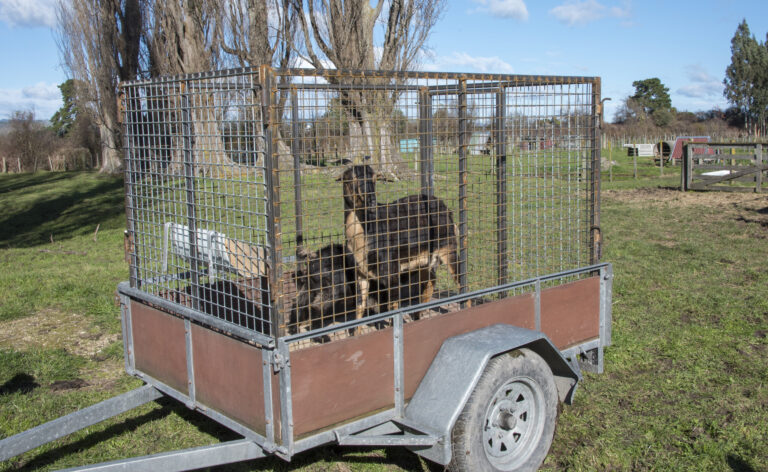
Farm life, even on a pocket-handkerchief farm like mine, means that you will need to move stock from time to time. I run a few cattle beasts and a few goats. I plan to get a few sheep soon, too. The issue with stock is moving them. Moving the cattle is a different story but for the smaller stock I could carry them either on the tray of my ute or my trailer if either had a stock cage.
I decided that building a cage could be an easily achievable project and so it has proved. It has value even if you don’t have stock – it certainly increases the options for your trailer. It is a lot easier collecting firewood with a cage, even transporting rubbish, or green waste. In the case of the latter you might want to make the end hinged rather than incorporate a gate to make it easier to unload the waste.
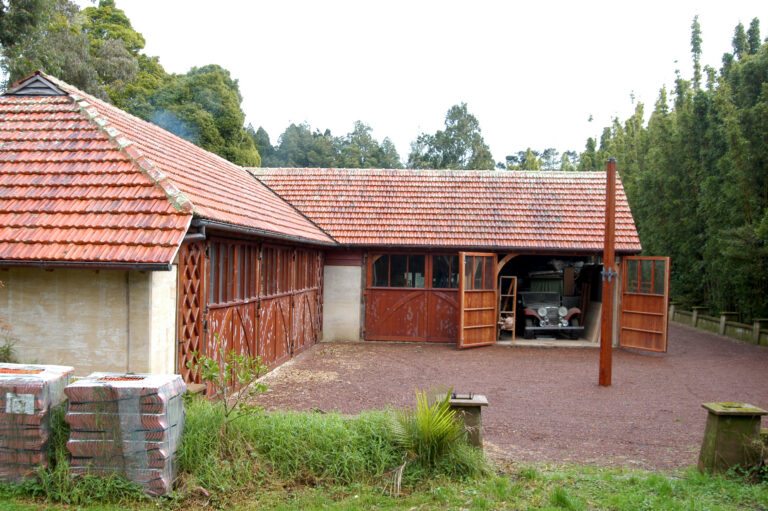
My shed the barn
Capacity is always the issue. My two sheds at home were each at their limit. I had woodwork in one and a one-off car suffering fabrication right on top of it in another.
When it came time to plan a new house on the new section, I thought of a barn-sized shed. In this barn, I would build all the joinery for the house. But first I had to build the barn.
I had a design that had been kicked around for ages and required a giant leap forward in capacity. This barn as my workshop would have good height, tall openings, a range of areas for different tasks and that all-important swing room around the main machine, a multi-function dimension saw.
Like other glimpses I enjoy of by-gone eras, I have always loved those English “oak barns” typically housing Aston Martins in magazines portraying classic cars. The vision I had for my barn was of posts and beams and the roof crouching over long flanks, suggesting back rooms filled with the rare and the useful.
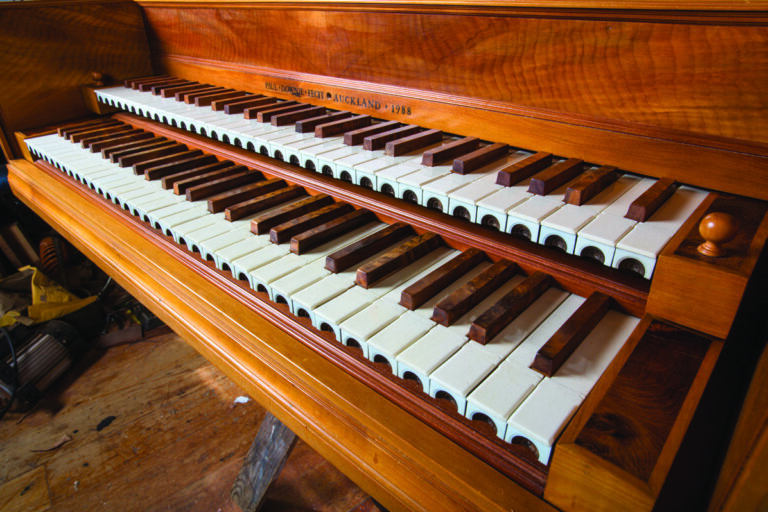
A life in harmony
There is such a thing as serendipity. When Paul Downie was 11 years old a chance meeting at his grandmother’s house was to eventually set him on a course that would define his career.
“I was learning the piano at the time and her friend had a harpsichord that he invited me over to see. I thought it was marvellous,” he recalls. “He told me I should build one and although it sounded like a ridiculous idea, it never went away.”
When he was 22, Paul embarked on the project, researching how to build a harpsichord, scouring junk shops for old tools, sawing bits of wood, and gluing them up until he had constructed the instrument.
“I enjoyed the whole process so much that when I was 23 I decided to build another one. I discovered that overseas museums had very detailed technical drawings of old instruments which you could buy – when they are restored everything about the instrument and the mechanisms are recorded.
“I went on to build two more harpsichords. The first one did work but it wasn’t up to the same standard so I ended up pulling it apart and my sister burnt it as fire wood,” he says laughing. “The others have survived and are owned by very good musicians.”
Create your own parrot-beaked pliers
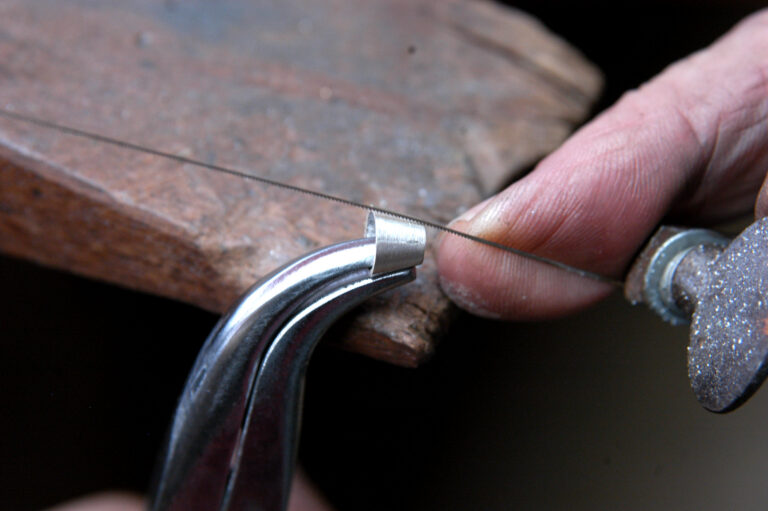
A specialist tool we made in that Hatton Garden workshop where I served my time was parrot-beaked pliers. These are used by the ring-maker for hand-made gem settings. They present the setting in a ring at just the right angle so the jeweller can pierce and file the design of the setting.
The best pliers for this are a pair of heavy, flat-pointed pliers, known in the trade as snipe pliers. Good jeweller’s pliers can cost up to $50, so I save my students money by most often using second-hand electrician’s snipe pliers. You can pick these up at any market for used tools and they do just as well. I am still using the pair I made during my apprenticeship 50 years ago.

The Shed magazine February/March 2026 issue 125 on sale now
Going solar
Solar power seems like a great idea; who doesn’t want free power, right? But, what to choose, and what are the pitfalls of solar?
Regular The Shed writer, Andrew Broxholme, has just completed a large solar installation on his property and shares all the good, the bad, and the ugly aspects of his solar power journey.
I’m environmentally aware, but am not an environmentalist, so I’ve gone solar for only one reason, because it makes good financial sense to do so, that said it isn’t necessarily going to be right for everyone and its impact on your power bills will depend on where you are in New Zealand and the orientation and design of your house relative to where the sun rises and sets.
I’ve been interested in renewables for many years. I first looked at it while living in the UK. The early systems had promise, but really didn’t make financial sense as the cost of installation and ongoing maintenance wasn’t offset by big enough reductions in power bills. They wouldn’t repay that investment during their service life, which at the time was 15–20 years (maximum).
That’s no longer true, with higher volume, the equipment has got a lot cheaper, it is more efficient, but we have also seen huge increases in energy costs; this, in particular, changes the economics dramatically. That doesn’t, however, mean that you can buy the first solar system presented or recommended to you. Read on to find out why.
The ultimate man cave
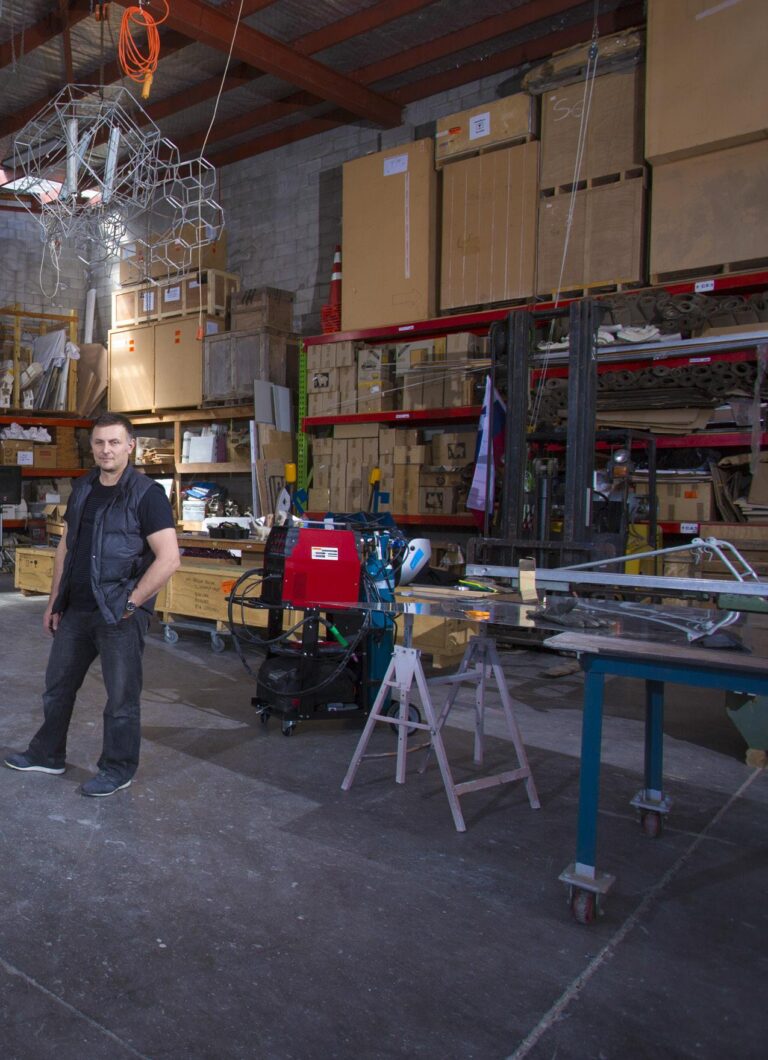
It’s tempting to think of Gregor Kregar’s work space as the ultimate humongous man cave. The 410-square-metre studio in a gritty industrial area of Auckland’s New Lynn certainly has all the “boy’s toys” to make the most avid sheddie happy.
Vises, grinders, table saw and cut-off saw? Check. MIG and TIG welders and drill press? Check. Two electric and a gas-fired kiln? Check. You get the picture. This is a serious space set up to work on all manner of materials.
Video of Geraldine Military Museum military revival
Two years ago, Don Pelvin set up the Military Museum in Geraldine as a retirement project.
He is pretty happy with how things are going, with an average of a thousand visitors a month, especially as his museum is one of six in the small South Canterbury town. He also organises the Rangitata Island Military Revival on the Saturday and Sunday of Labour weekend every year.
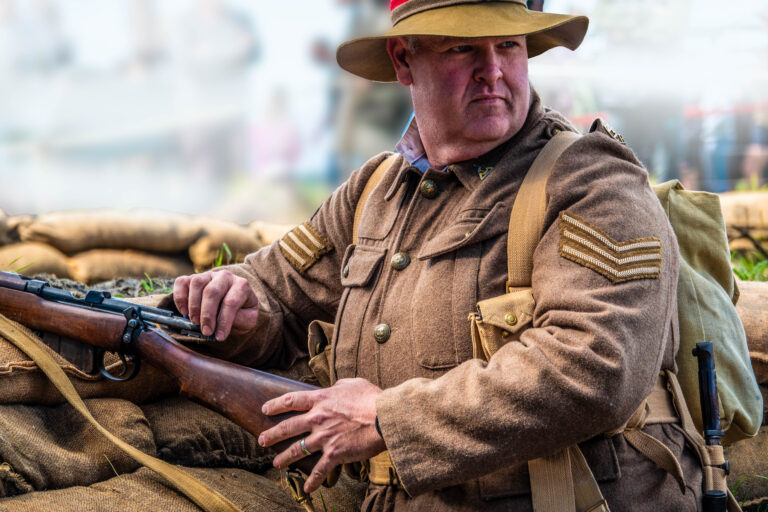
This is a combination of a display of military vehicles and gear, and reenactments of actions from WWI and WWII, and it all takes place at the Rangitata aerodrome, an airfield owned by a local farmer. About 50 reenactors turned up in their historically correct uniforms with their suitable weapons, after word had spread in the tight-knit military history world that the event was happening.

Introducing the New Linbide.co.nz
Linbide is proud to announce the launch of its newly redesigned website, linbide.co.nz, marking an exciting step forward in how we connect with the woodworking, engineering, and tooling communities across New Zealand.
For decades, Linbide has been dedicated to producing high-quality carbide cutting tools built for accuracy, durability, and performance. Our new website carries that same commitment into the digital space—designed to be faster, clearer, and more intuitive, giving customers a better way to explore our products and understand the value behind the Linbide name.
Woodwork: getting started (2)
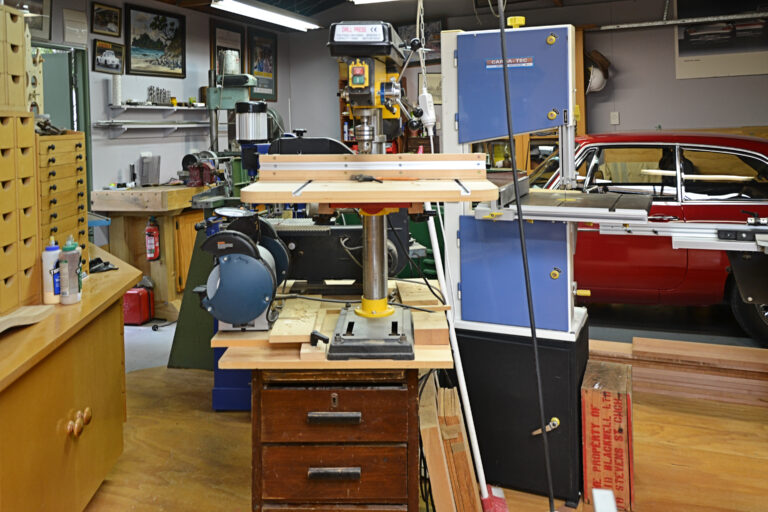
A home workshop is a special place and will function much better if you are able to plan how it is set out. My first workshop was in a single garage which was also the home of a very old Austin 7. As I bought machines, things became a little tricky. It was not that motivating on a winter’s evening, knowing I had to shift the Austin and re-arrange the workshop before I started. Our architect’s major renovation to our home included the redevelopment of my workshop area and from a single garage to a 9 m x 6 m workshop was a massive leap forward, even if it is shared with an MG.