
One of the popular features we used to publish in The Shed magazine is the readers’ forum.
Here is one from way back in 2011, what a few sheddies were up to in their shed that year and what was on their minds at that time
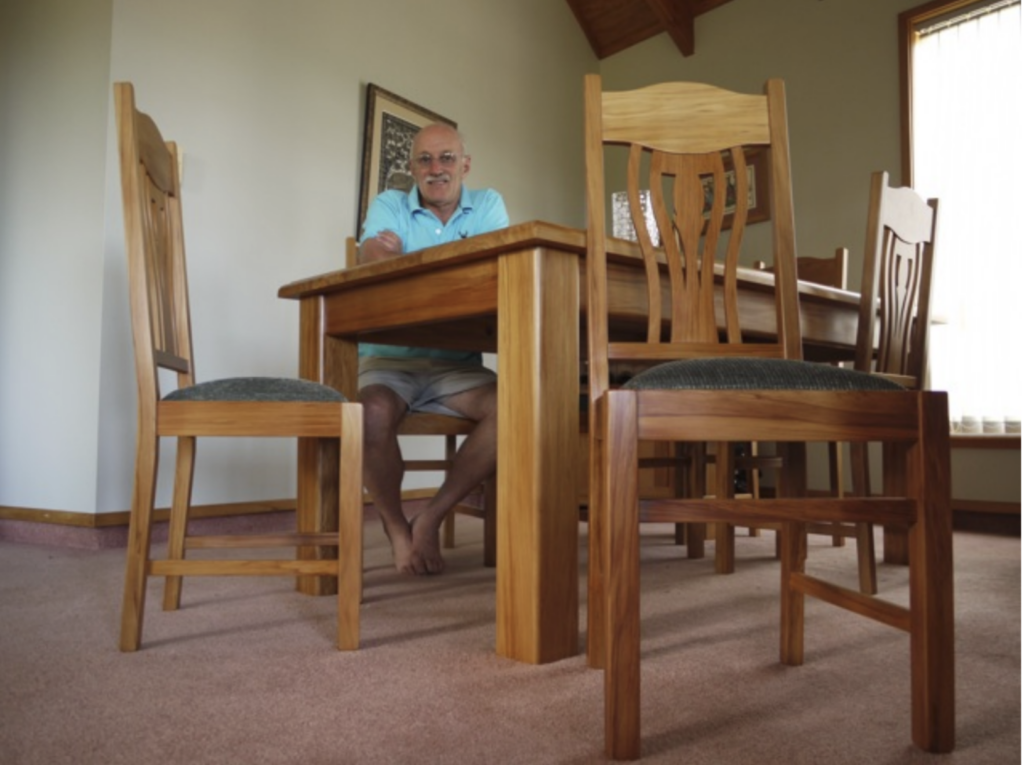
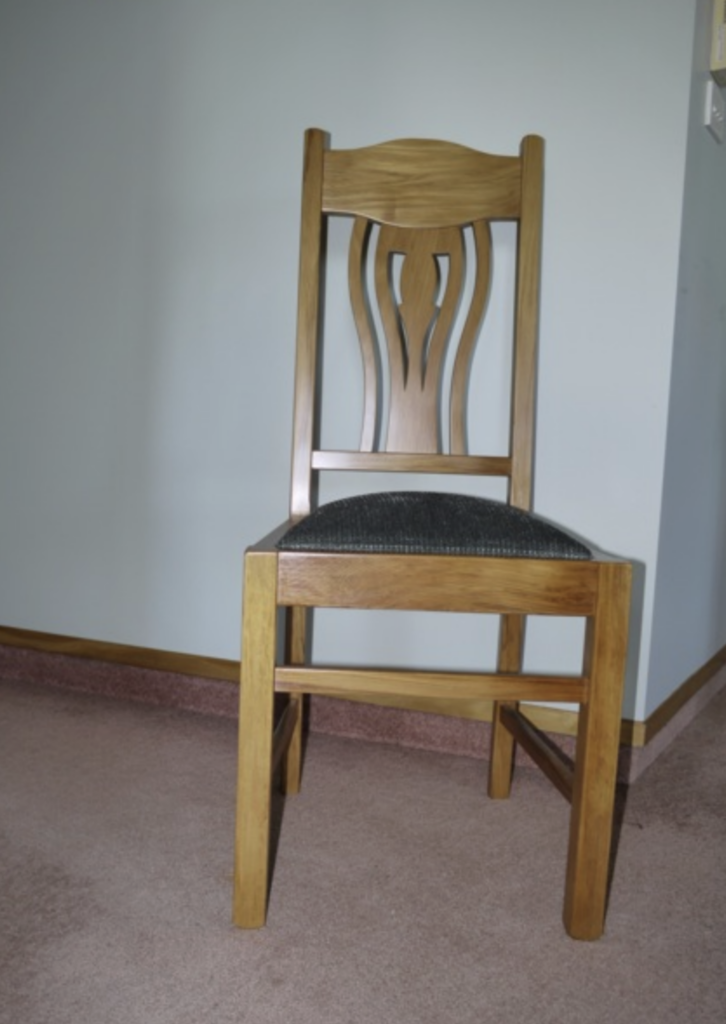
Noel’s Shed magazine chair project
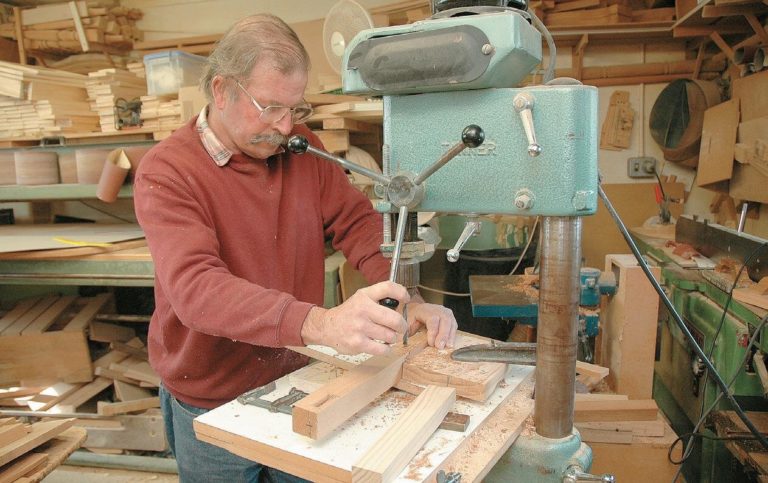
Noel Gilchrist of Taranaki submitted the photos here with the simple message that he made them recently from plans and a project in an issue of The Shed magazine – the issue of October 2005!
We know people keep the Shed for reference for a long time, but this was the very first issue. The chair made by Peter Scott was the first of many woodworking projects we have featured during the life of the magazine.
By Noel Gilchrist and David Blackwell
Dentist relief
David Blackwell, ever busy in his workshop, tells us he was doing a little job there one night, having just been to the dentist that morning, when he had an idea.
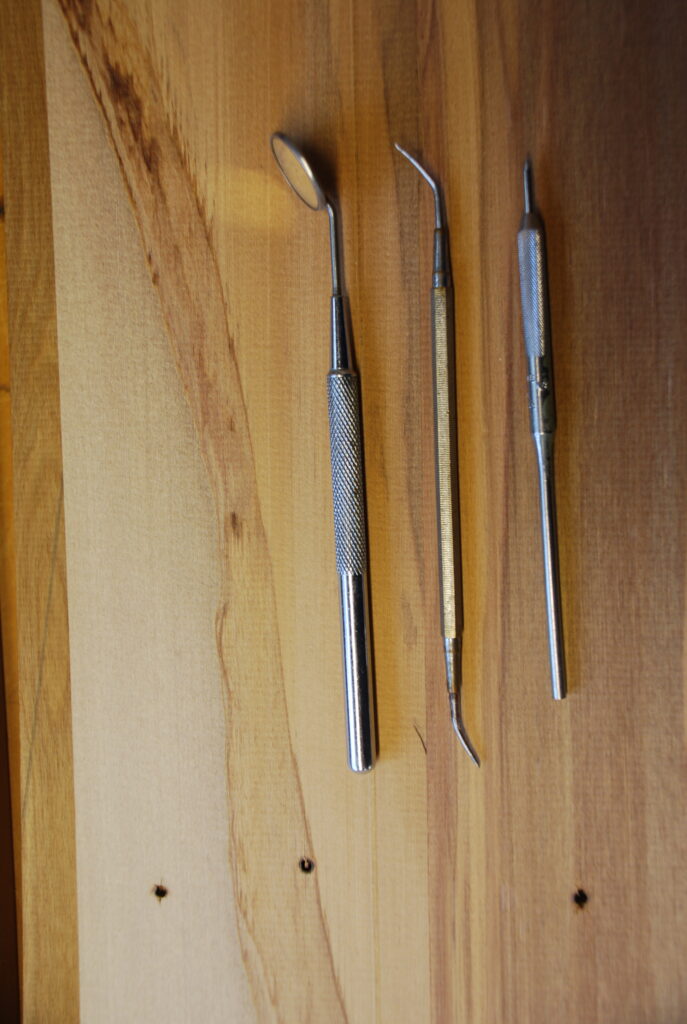
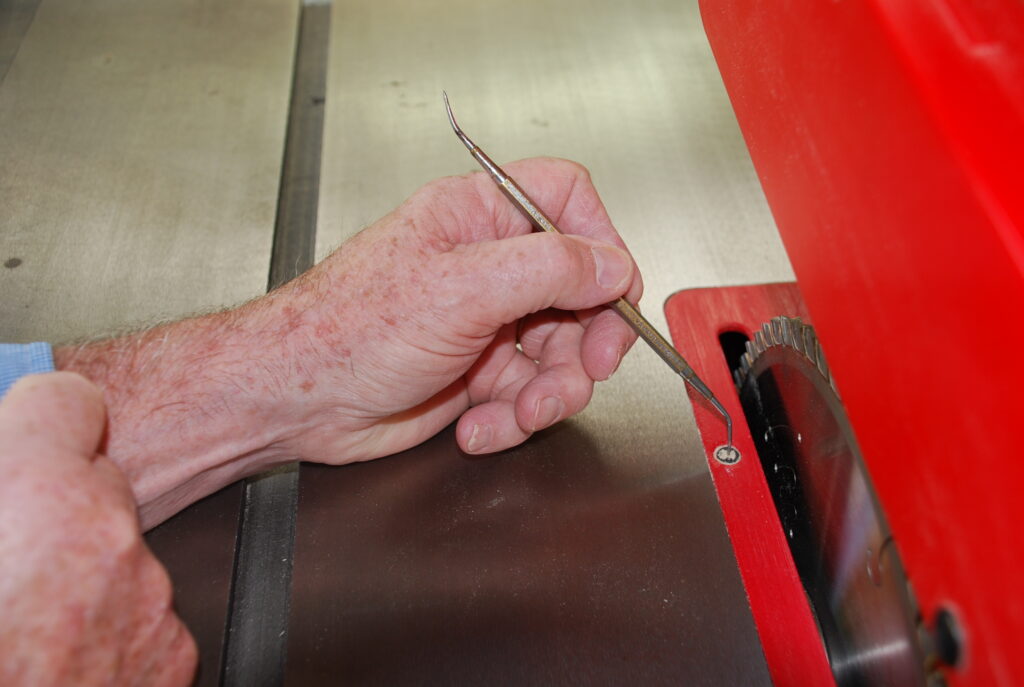
He says, “In the early 1970s, I obtained from a dentist friend two old instruments, and I have used them literally hundreds of times since. One has a bent shape at the end, and I use it for all sorts of things, from removing the swarf from a screw head or Allen screw to enable it to be unscrewed to removing an old O-ring.
“The other is straight, and I have sharpened it as a scriber. The tool steel in these instruments is of a very high quality, and neither has ever looked like breaking. I also obtained some old mirrors that are handy for looking into odd places. I am suggesting people ask their dentist for one or two old instruments next time they visit.”
While David Blackwell obtained his savvy tools in the 1970s, dentists’ surgeries can look more like a lab at NASA these days. But the standard dental tools seem to survive, and if your dentist is not in the giving mood, you can buy dental tools on Trade Me and at some surplus and secondhand places. Dental tools such as dentists’ picks and mirrors can sell for anything between $12 and $40 on Trade Me. On the other hand, Trade Me records show a guy in Canterbury sold his wife’s three dental hygiene tool kits after she gave up her dental course, saying they cost $699 new.
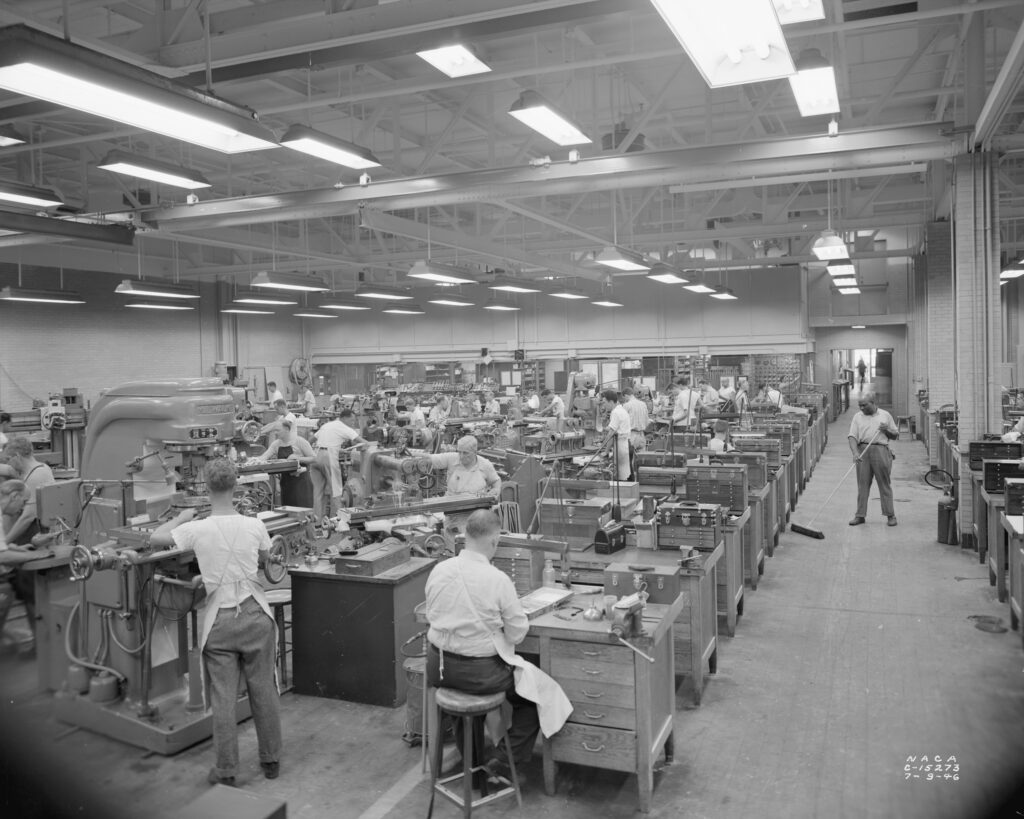
What about the fitters and turners?
Popular commentator and KPMG partner Bernard Salt lamented in a column in The Australian that he had never seen a fitter and turner feature in a vox-pop in a newspaper or in a magazine where random people are asked their opinion (and where they state their name, age and occupation). “In 30 years of assiduously reading newspapers, I have never seen a reference in popular culture to a fitter and turner.”
He said they never show up in Bachelor of the Year competitions, for example, and yet they were not thin on the ground. At the 2006 census in Australia, in a population of 19.8 million there were 61,000 fitters and turners, more than there are chefs (40,000), plumbers (35,000), forklift drivers (39,000) and doctors (30,000) and yet doctors (as well as chefs) get their own TV shows, just as professionals like lawyers, doctors, dentists and architects figure in TV sitcoms.
In New Zealand, at the 2006 census of the population of 4.067 million, there were 2067 fitters and turners, 7335 fitters general and 2997 fitter-welders.
Salt equally makes the point that the rise of women in the workforce in Australia, as in New Zealand, over the last 40 years has shaped modern society. In New Zealand at the beginning of the 21st century, some 40 per cent of legislators, administrators and managers are women, 56 per cent of processionals, 52 per cent of technicians and associate professionals, but only six per cent of trades workers and 20 per cent of plant/machine operators and assemblers.
Salt thinks it’s time someone stood up for the fitters and turners.
“There they are, out in the blue-collar suburbs, toiling away, ensuring the wheels of industry are greased and oiled, and what thanks do they get? No recognition, no thanks, no one asks (or publishes) their opinion. There are no fitter and turner role models in popular culture, and women exclude themselves from penetrating this particular boys’ club. All that tooling, lathing, milling and grinding with nary a female in sight cannot be good. And why should men have all the mechanical fun?”
Salt tells The Shed magazine that in response to his column, “I had one lady say she trained as a fitter and turner 30 years ago, but was subjected to sexist comments from other apprentices. She said the older men were great as they recalled their mothers working in factories during the war. I replied that I hoped that the sexism thing would have diminished in the workplace over 30 years.”
