
The rebirth of an early school bus
By Ray Cleaver
Photographs: Rob Tucker
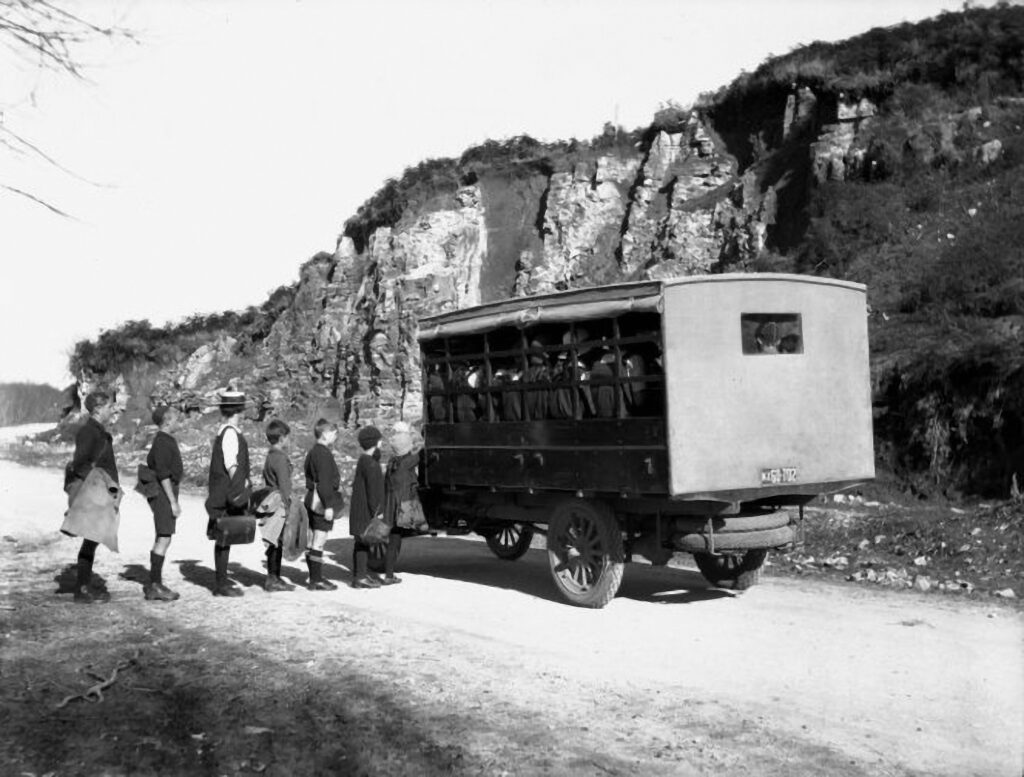
The first school bus in New Zealand was a Model T Ford (black, of course), full of kids, that rattled down the bumpy roads of the little King Country town of Piopio in the 1920s.
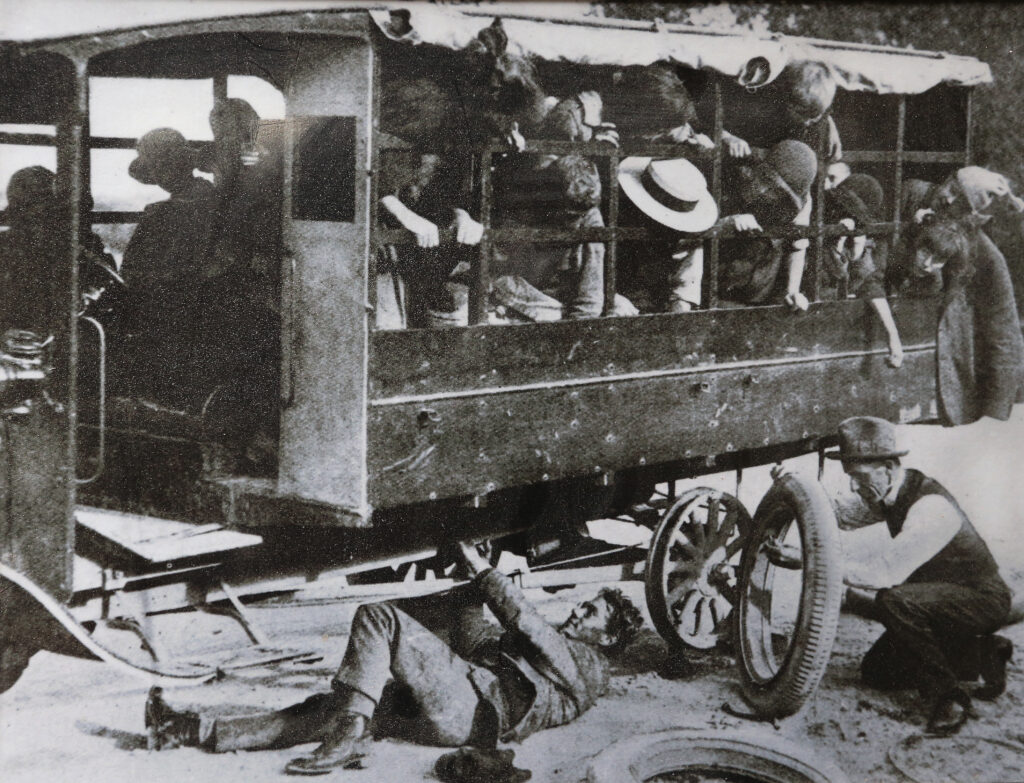
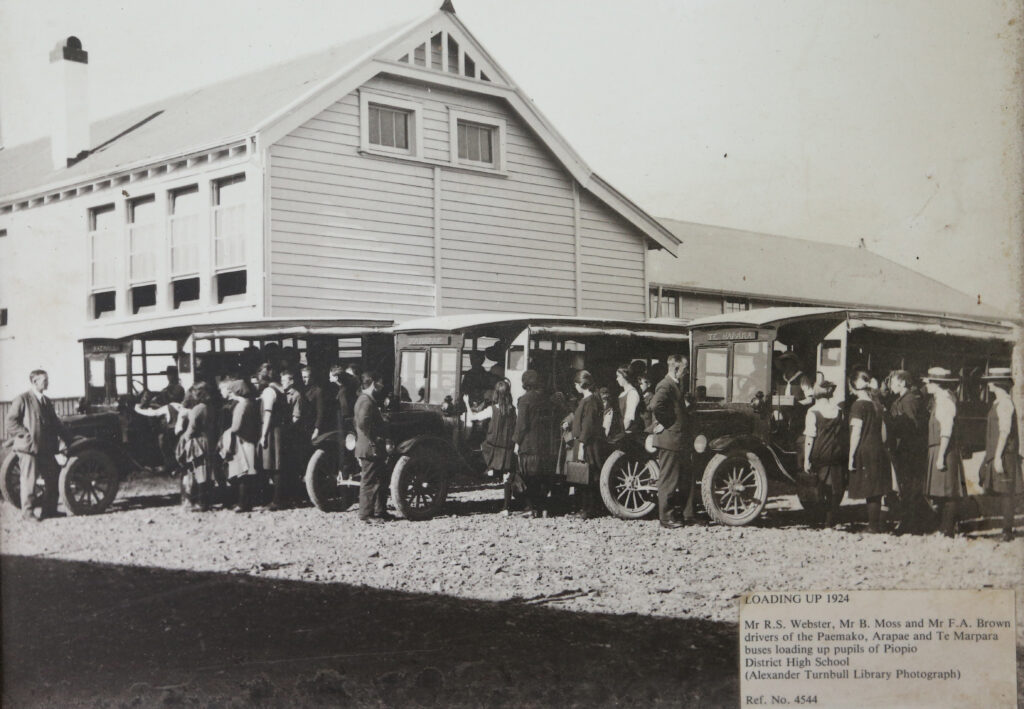
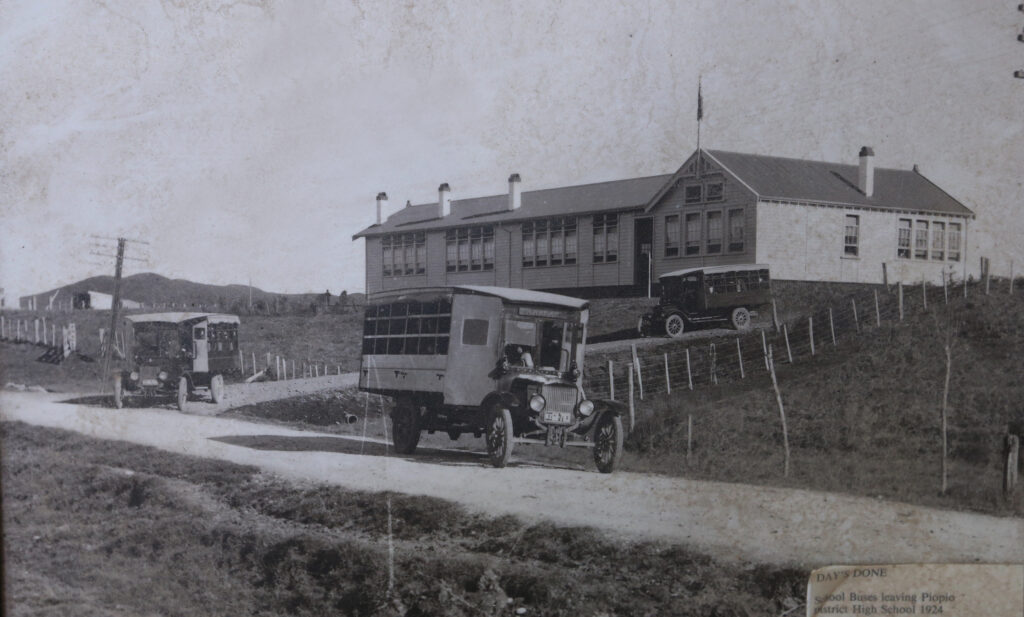
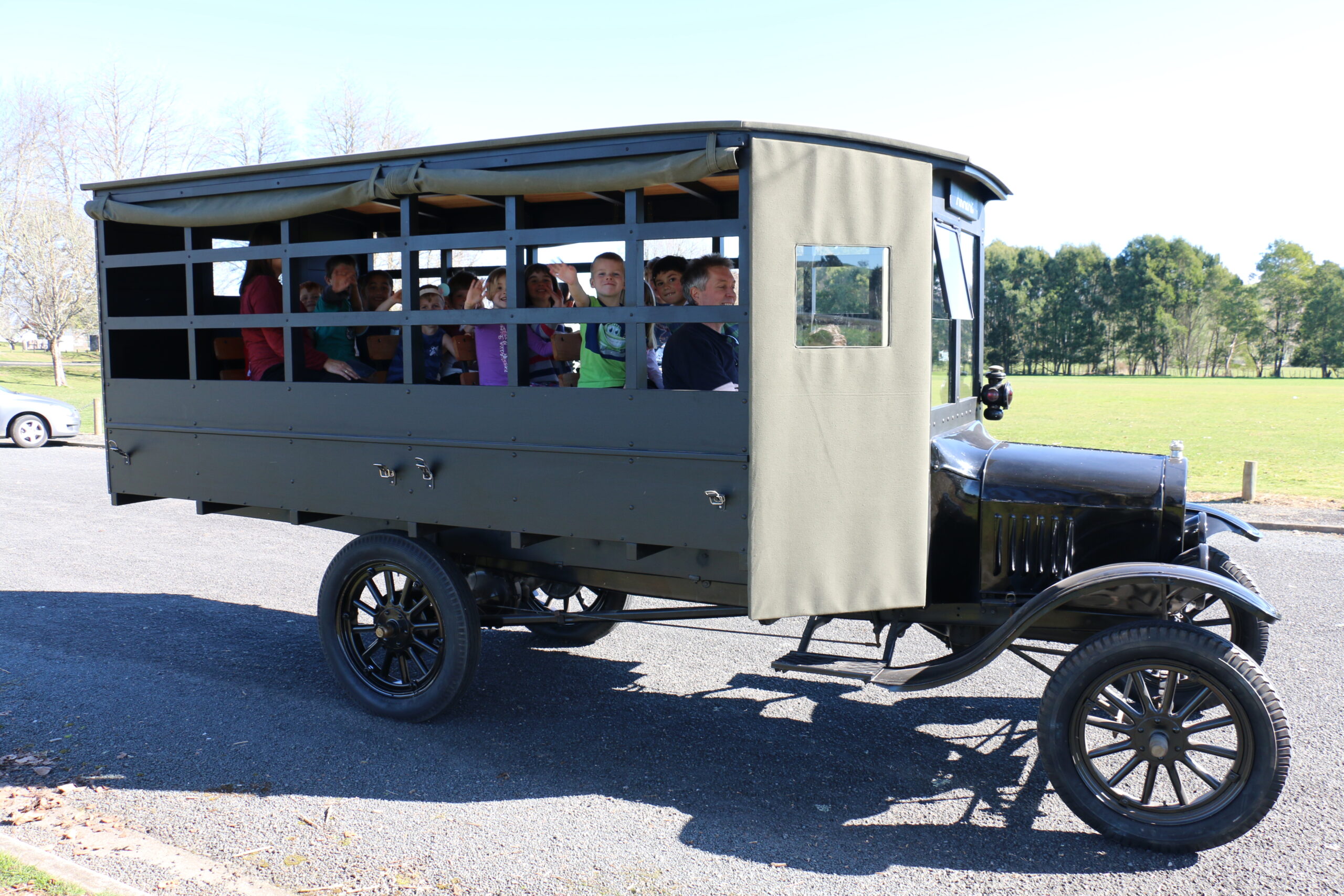
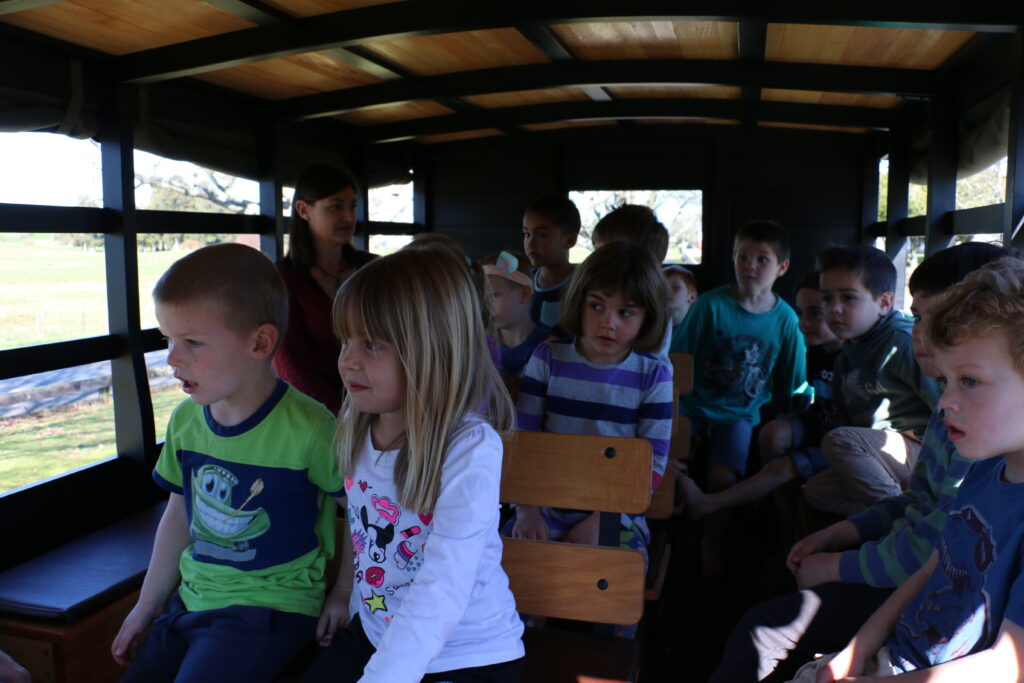
In fact, there were three of them back in the day, all Model Ts covering the rural areas around the town. Each one was identical, and they carried up to 32 children.
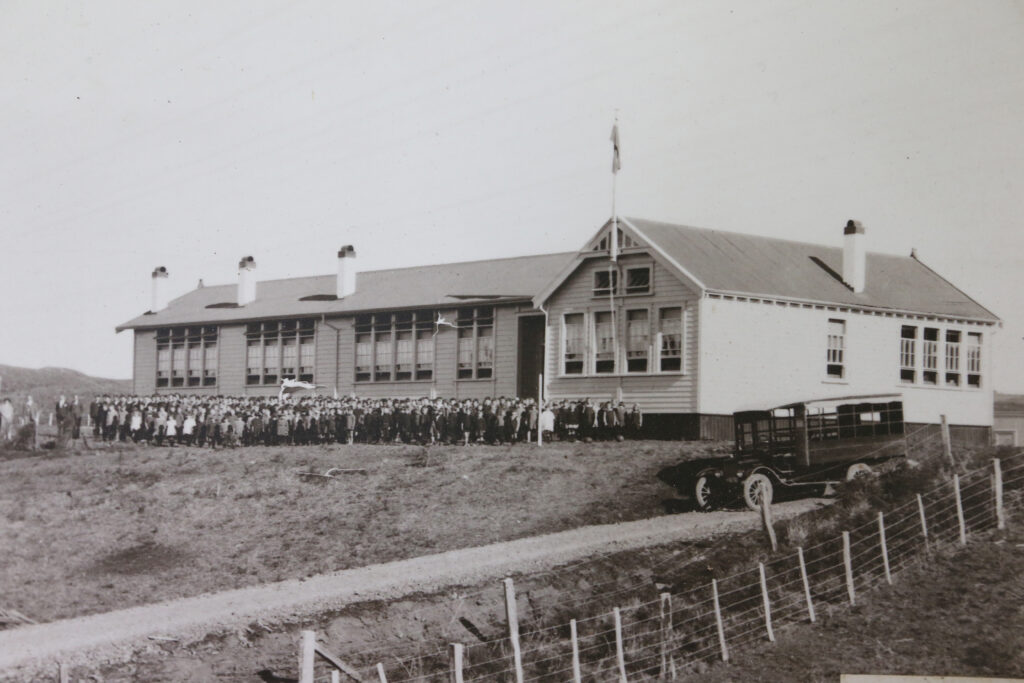
Before that children walked or rode horses to local schools and when Piopio school became the first consolidated school in the country in 1924, replacing many tiny rural schools, a bus service into the village was the way to go.
They were built by the Phoenix Bus Company, and the three buses were delivered to transport children from the surrounding schools – Te Mapara, Paemako, and Arapae.
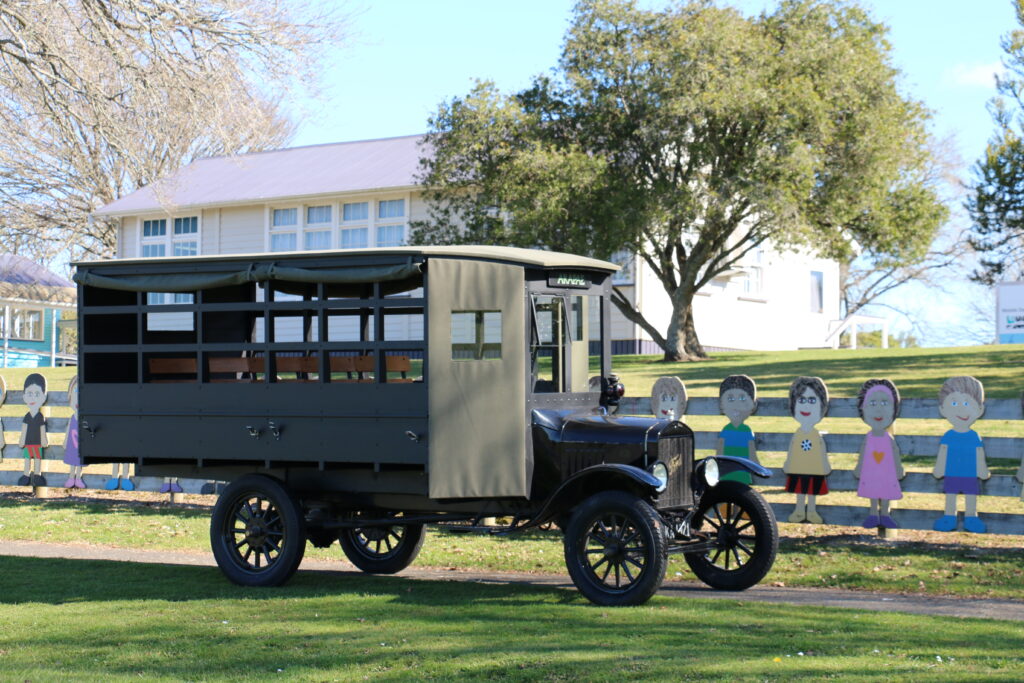
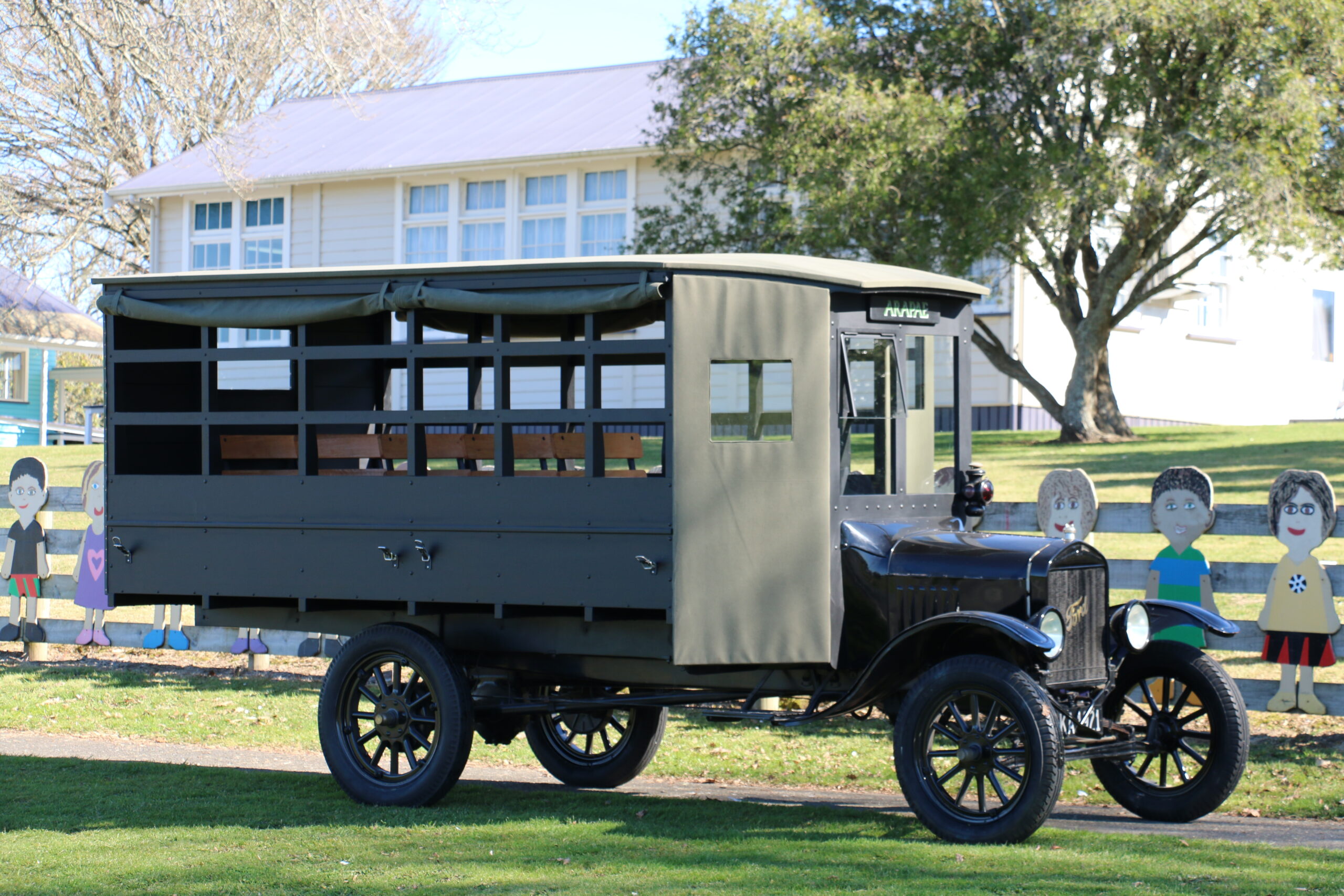
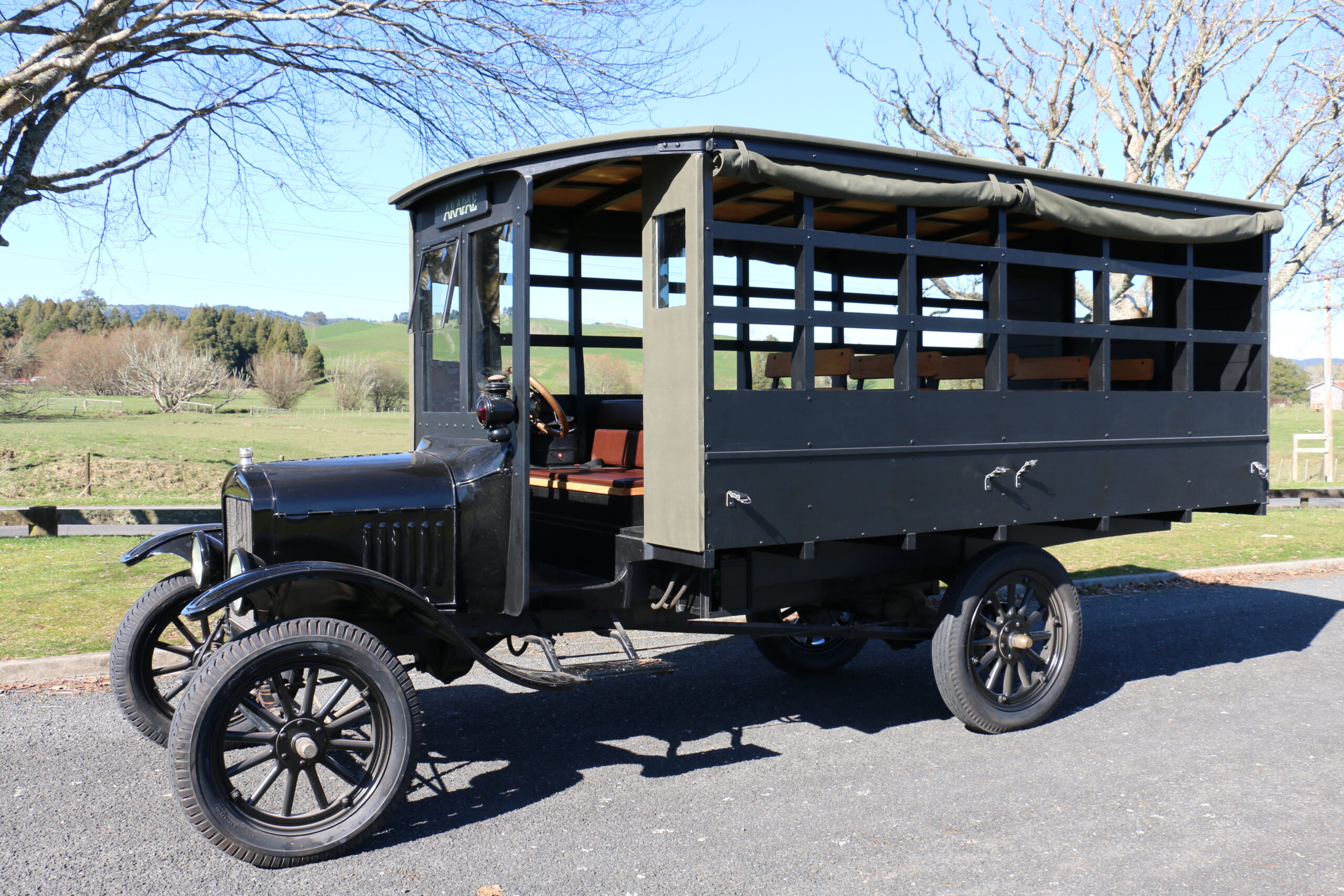
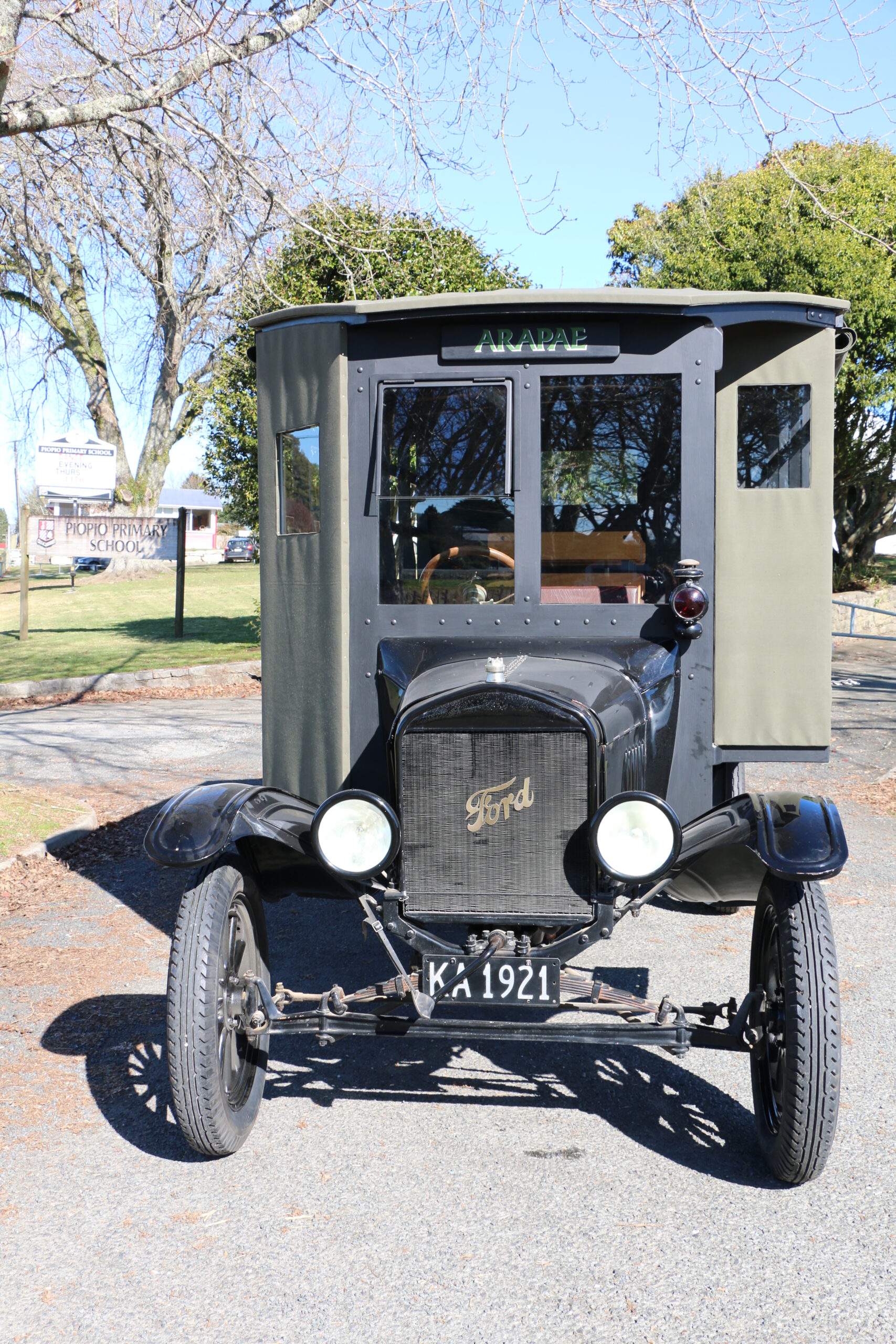
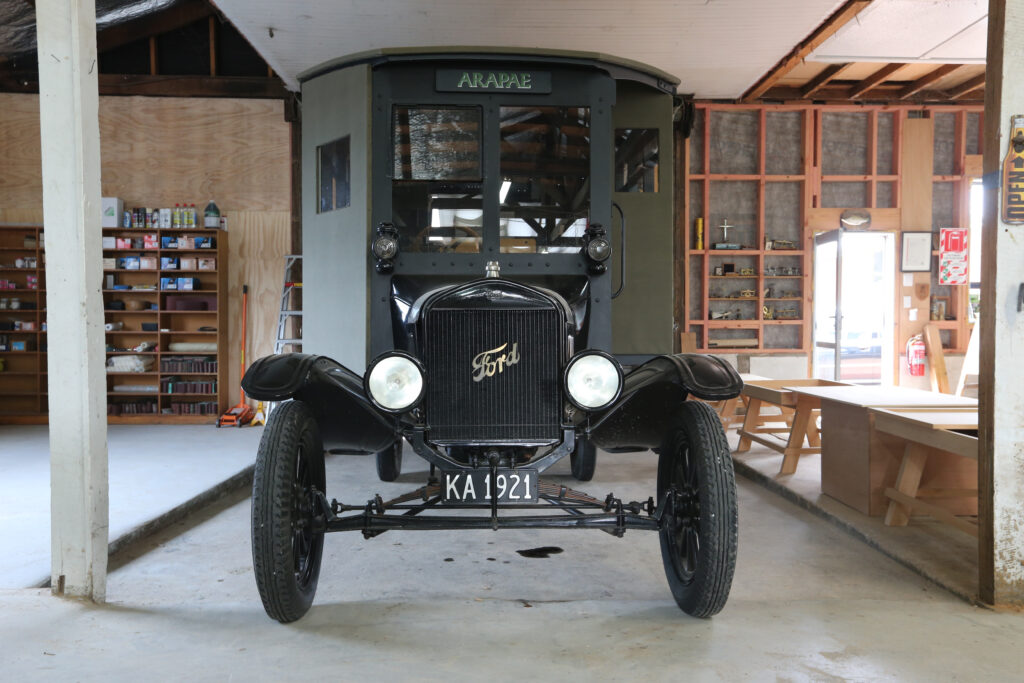
The original three buses have long since gone, but now a perfect replica has emerged.
True community effort
It seems the Phoenix Bus Company was well named, as like the phoenix bird of legend, the new bus has been reborn from the ashes of the old, so to speak.
A former principal of Piopio College, a local boat builder, and the whole community rallied around to recreate the Model T Ford bus, identical to its forebears.
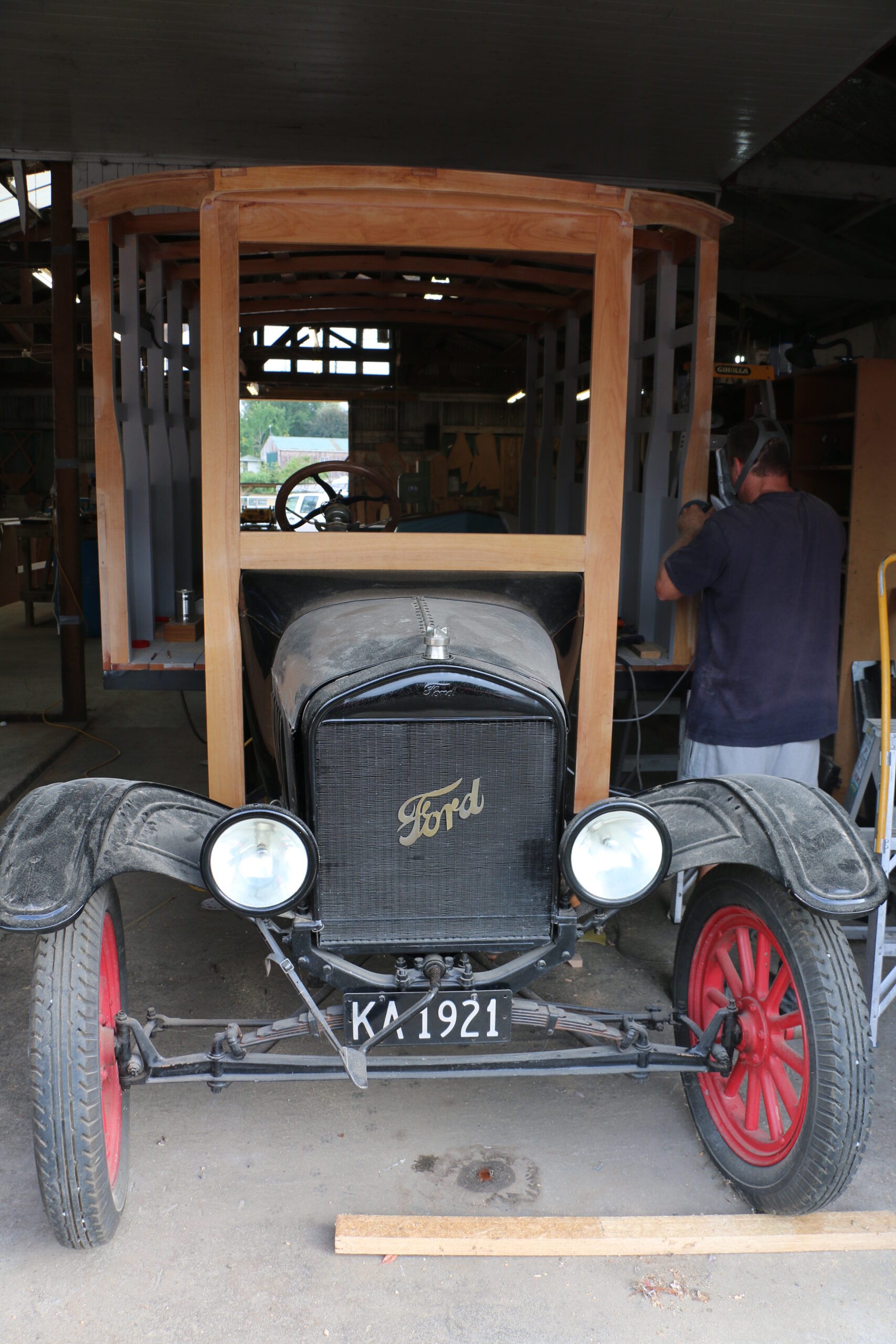
It began when Brian Tegg, an ex-principal of Piopio College, found a 1921 Model T Ford restored transport truck for sale in Auckland and brought it on impulse three years ago.
Realising it was a unique opportunity to transform it into a bus, he got the Piopio College Trust and the local community behind the project.
Local fundraising by the Piopio College Trust, a Givealittle crowdfunding campaign, and support from many local people and businesses made the project happen.
Piopio is a small town of just 400 people but they have pride in their history.
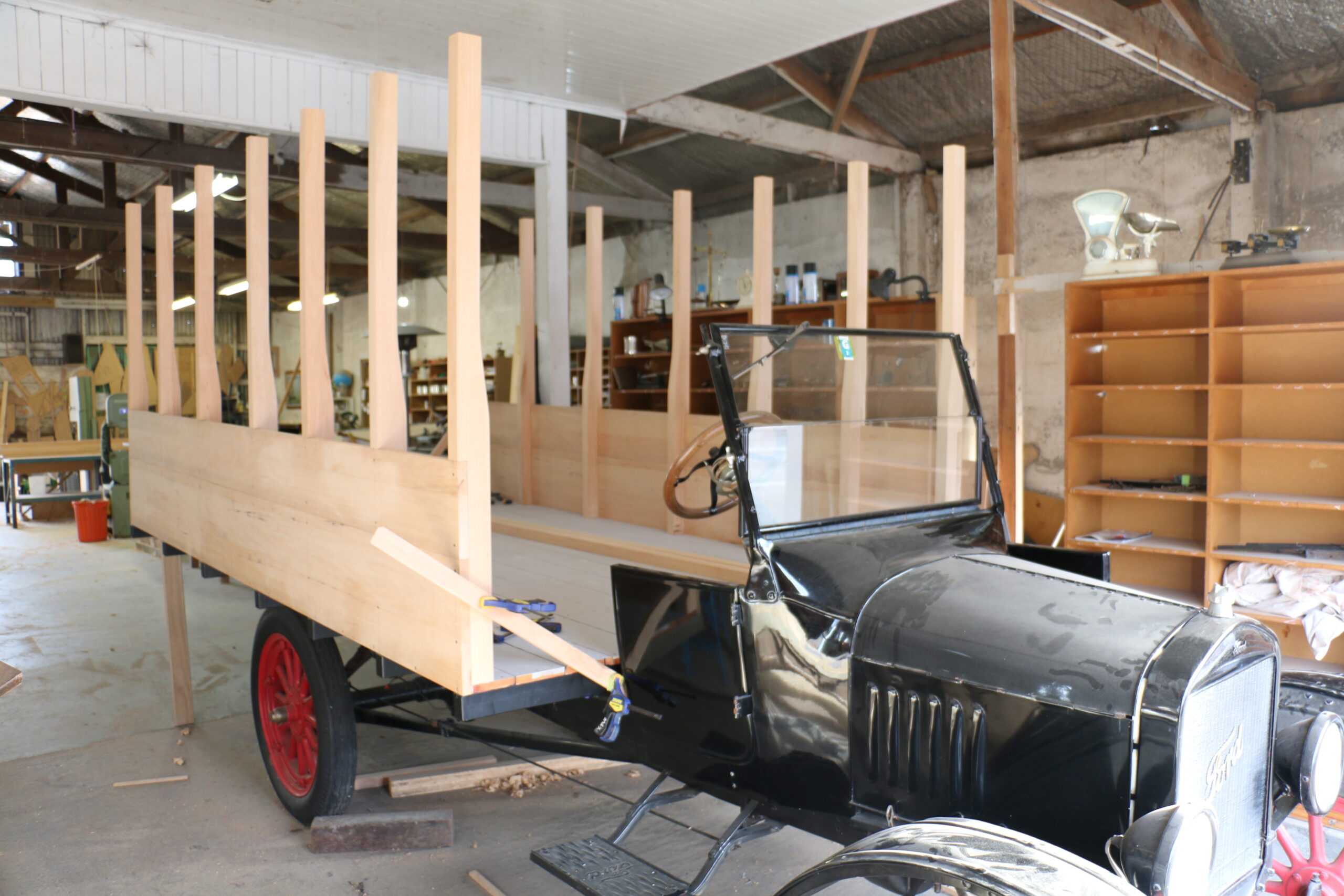
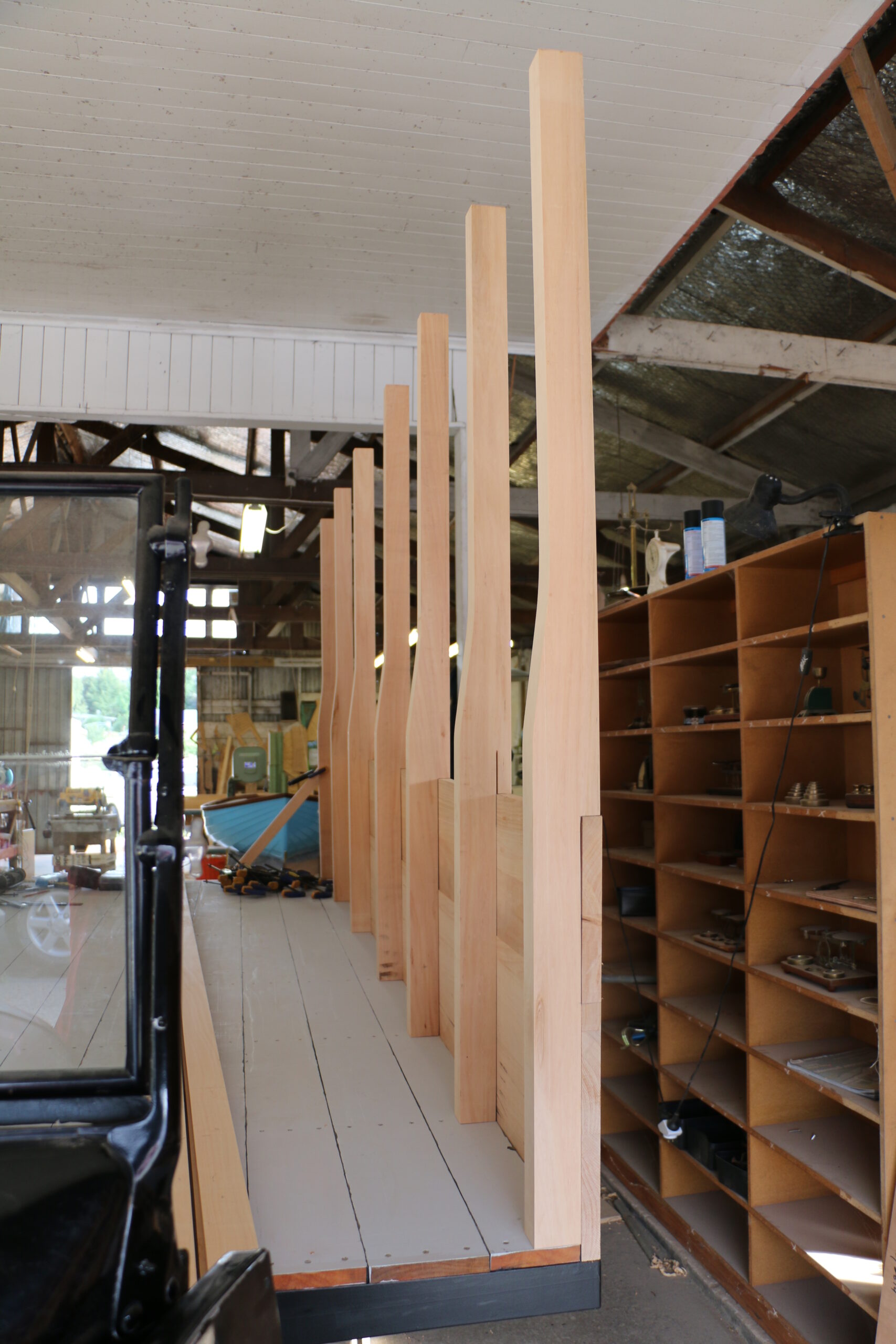
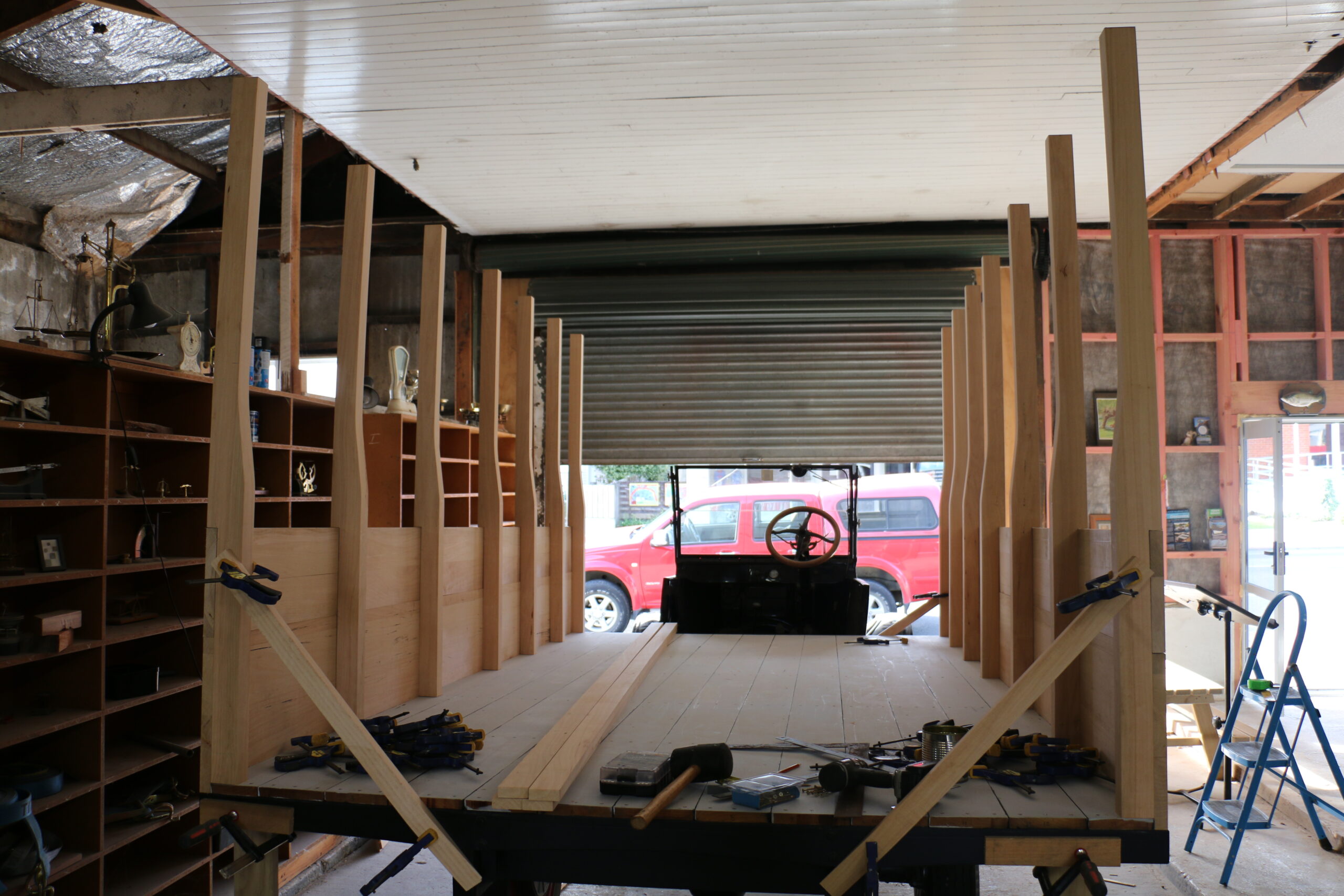
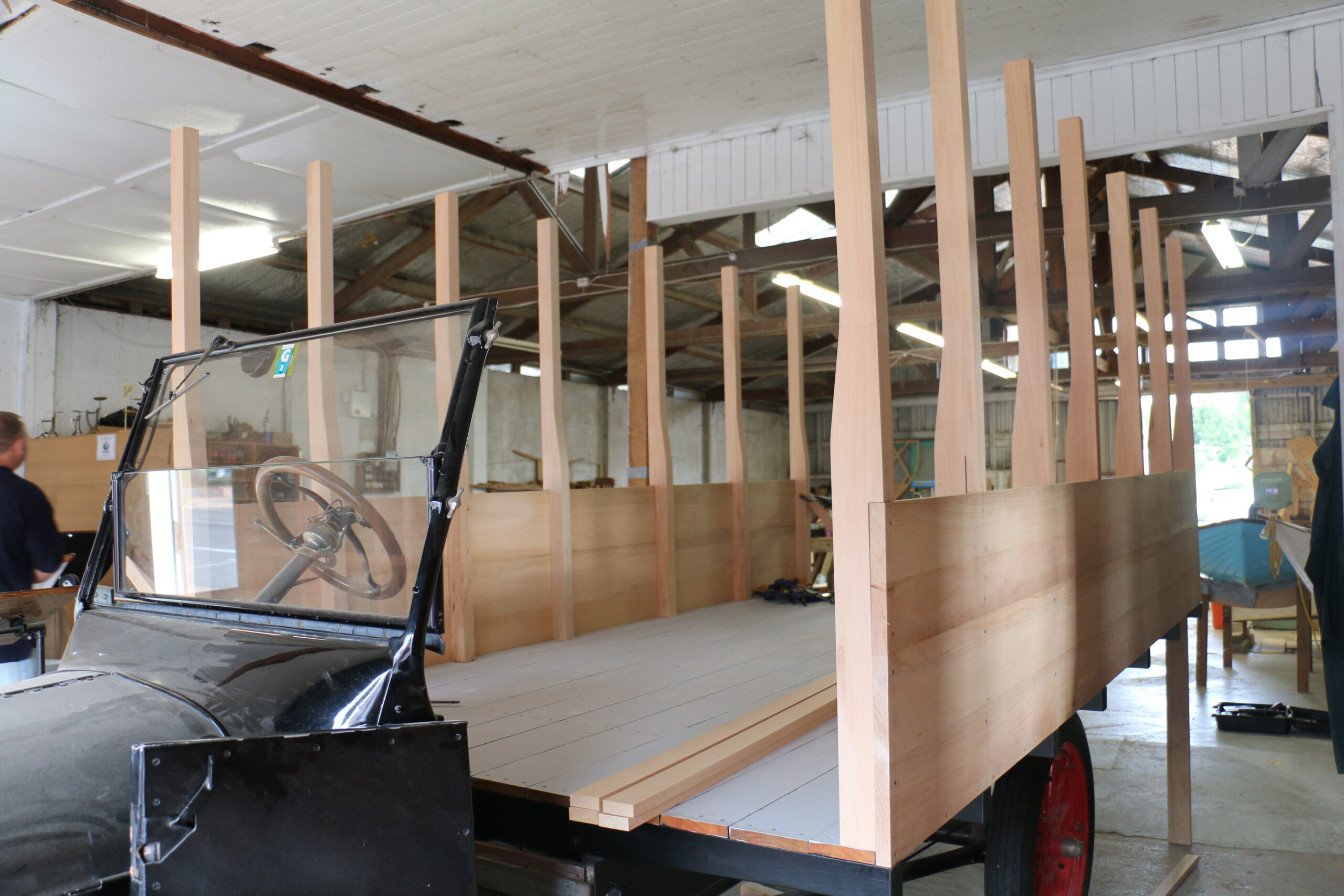
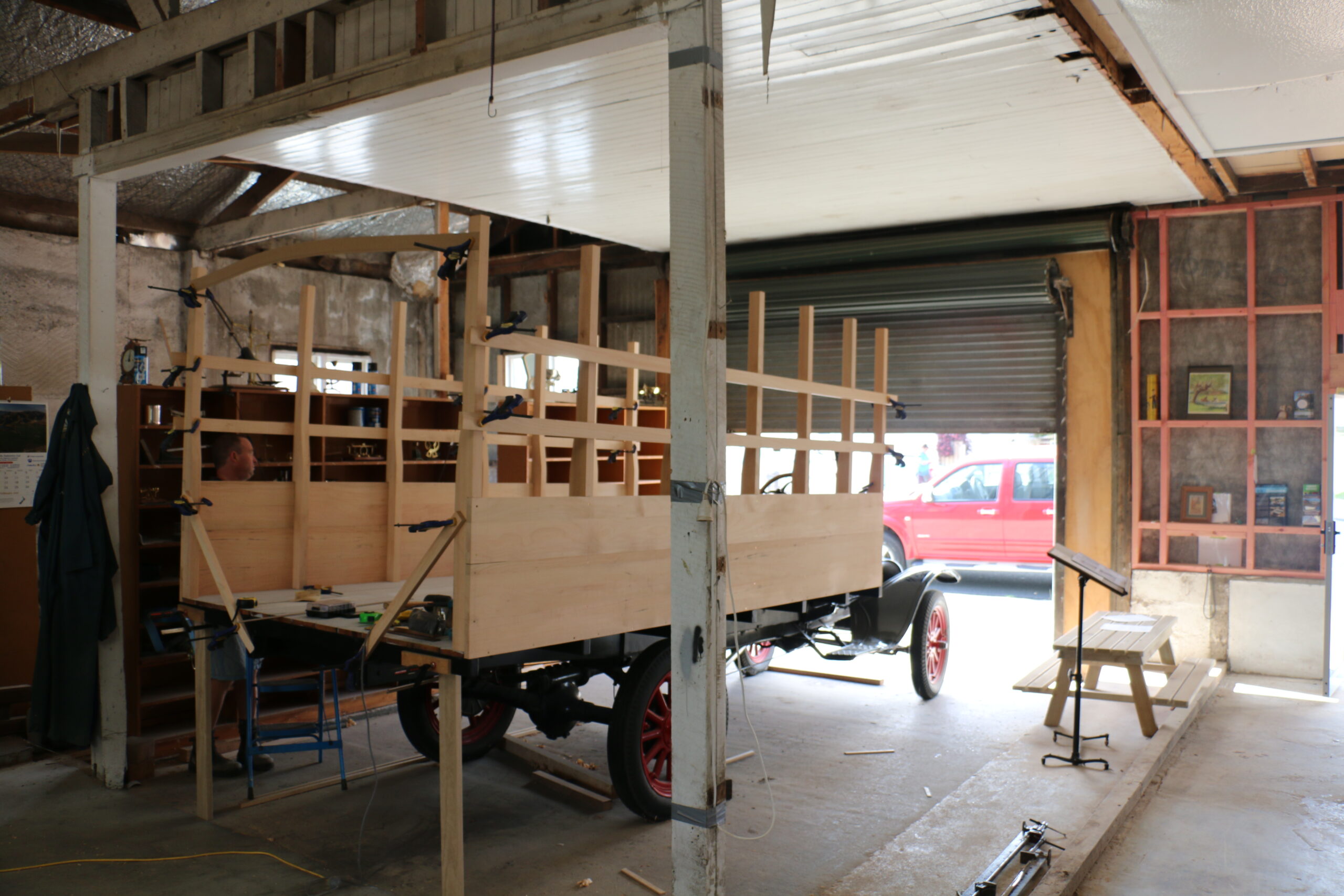
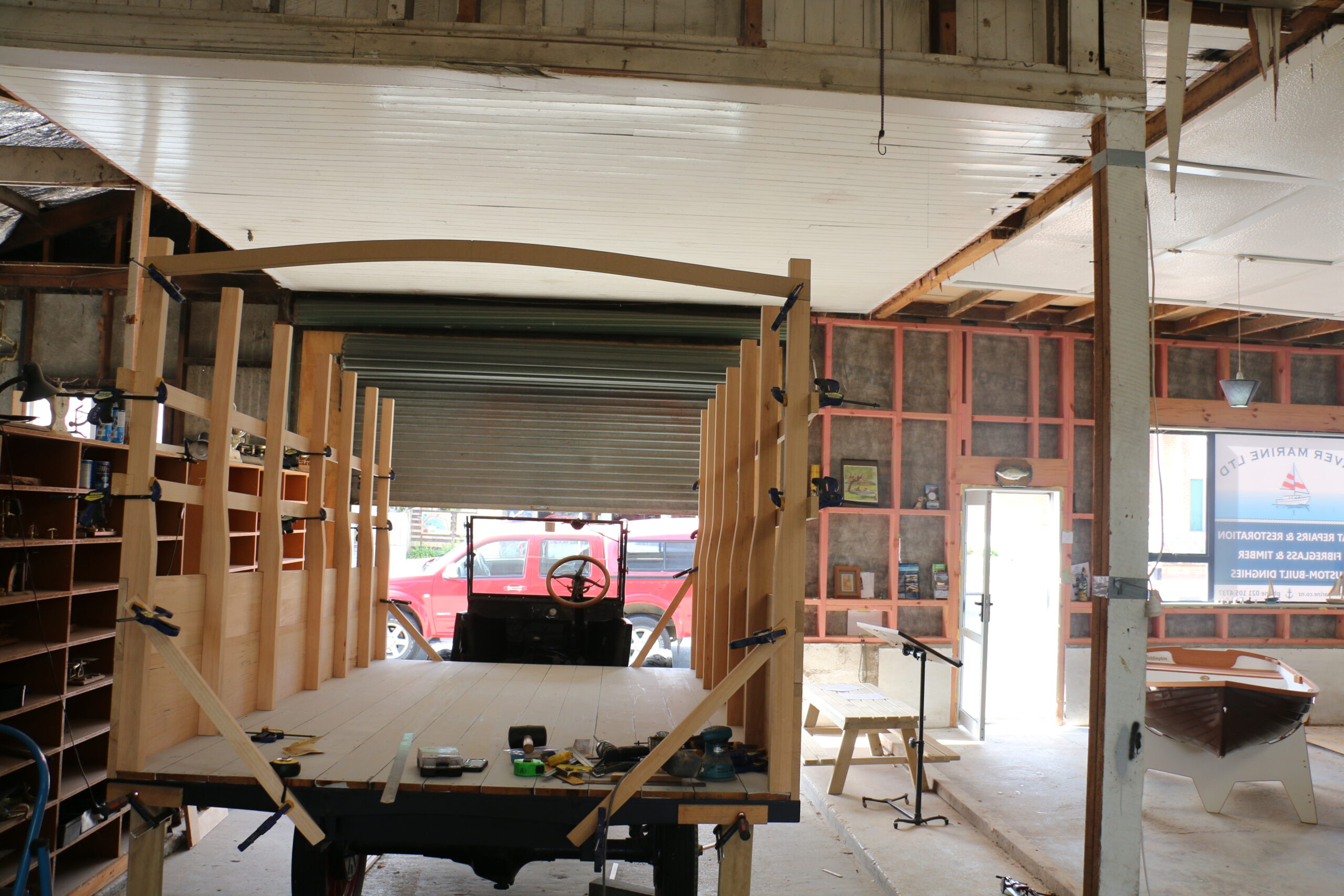
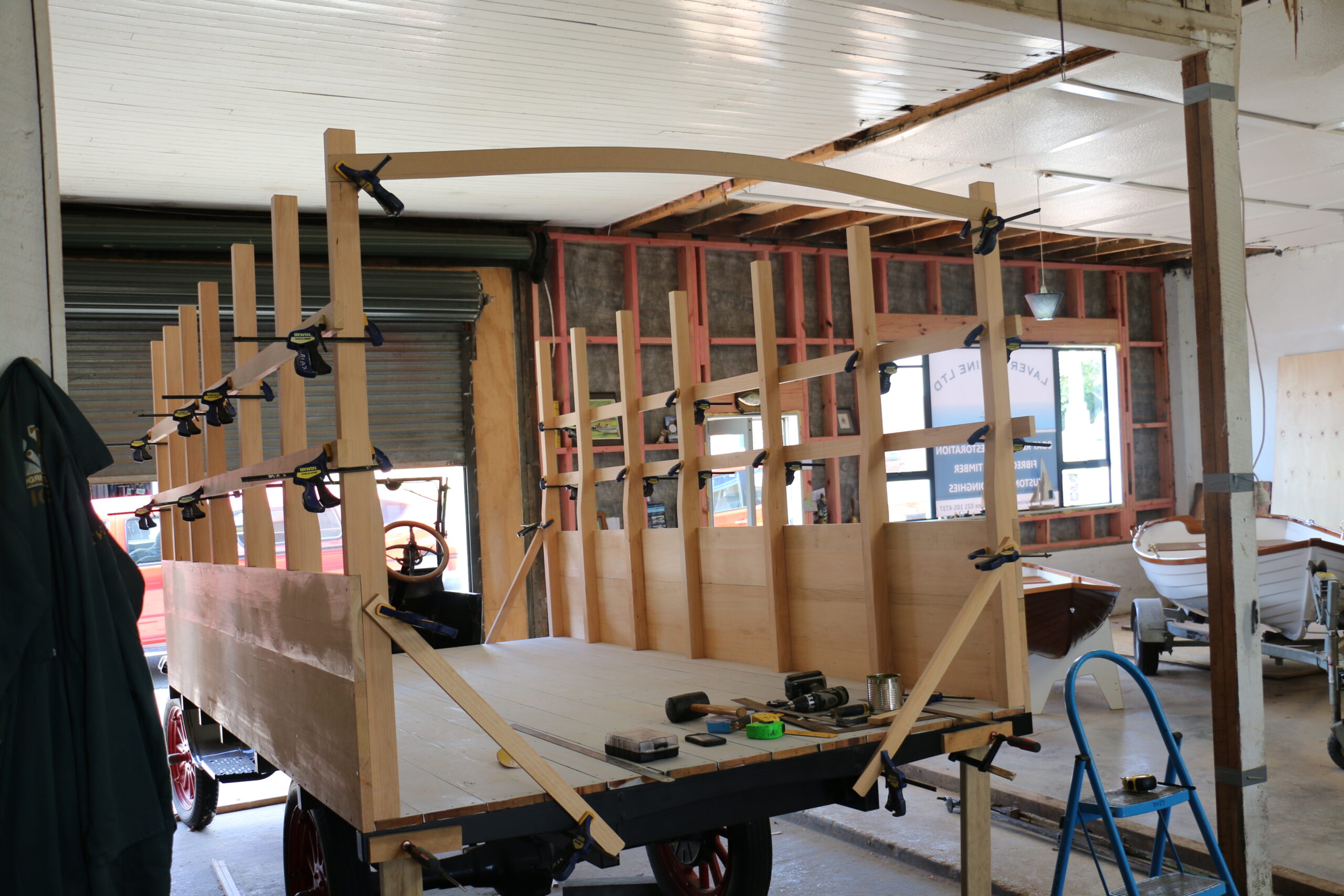
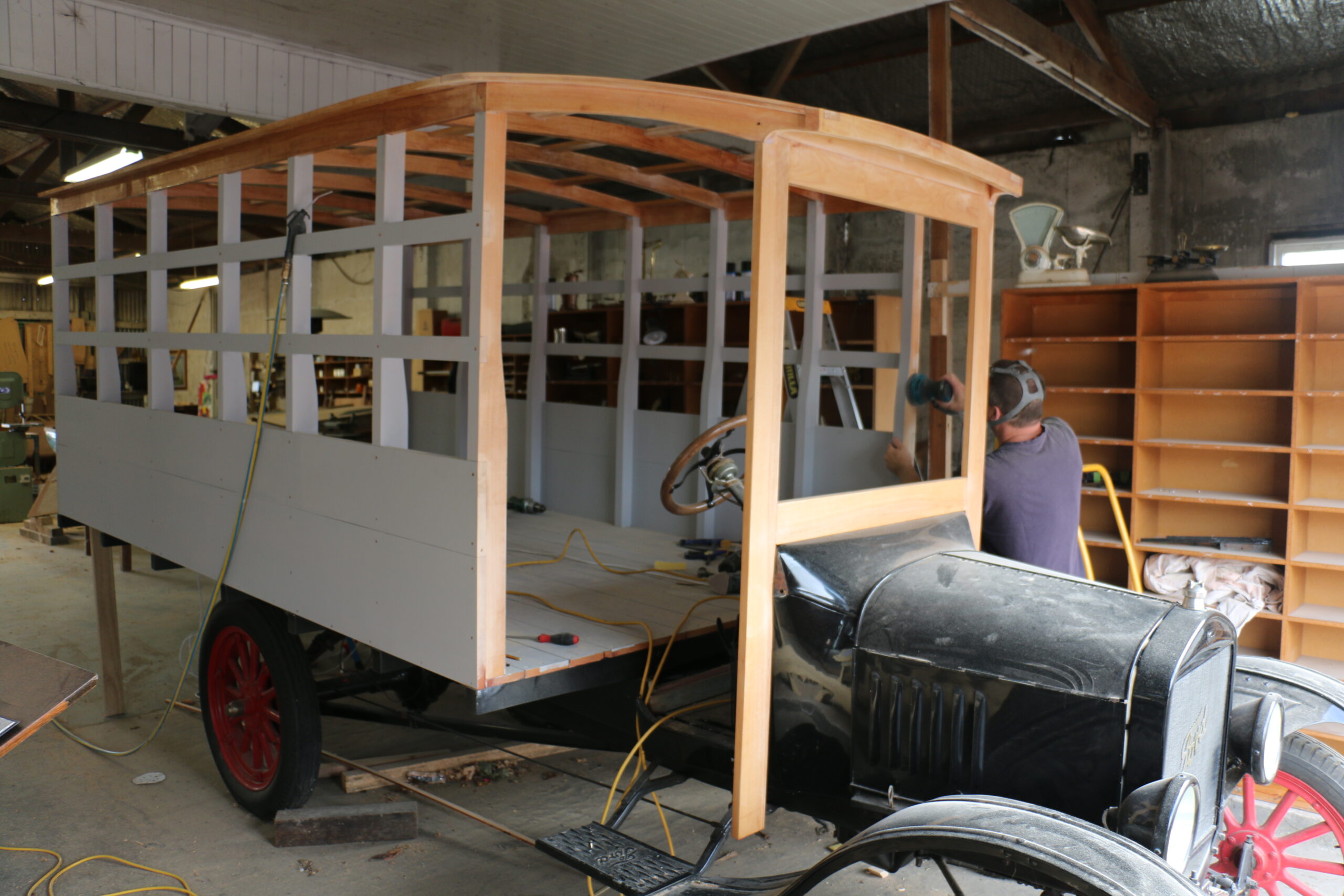
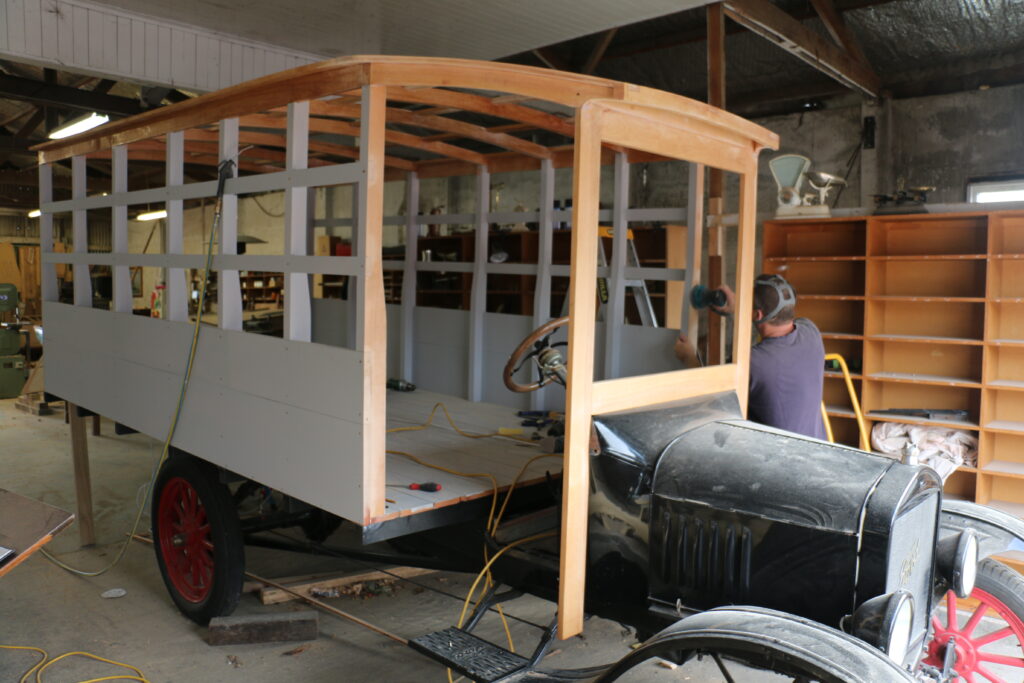
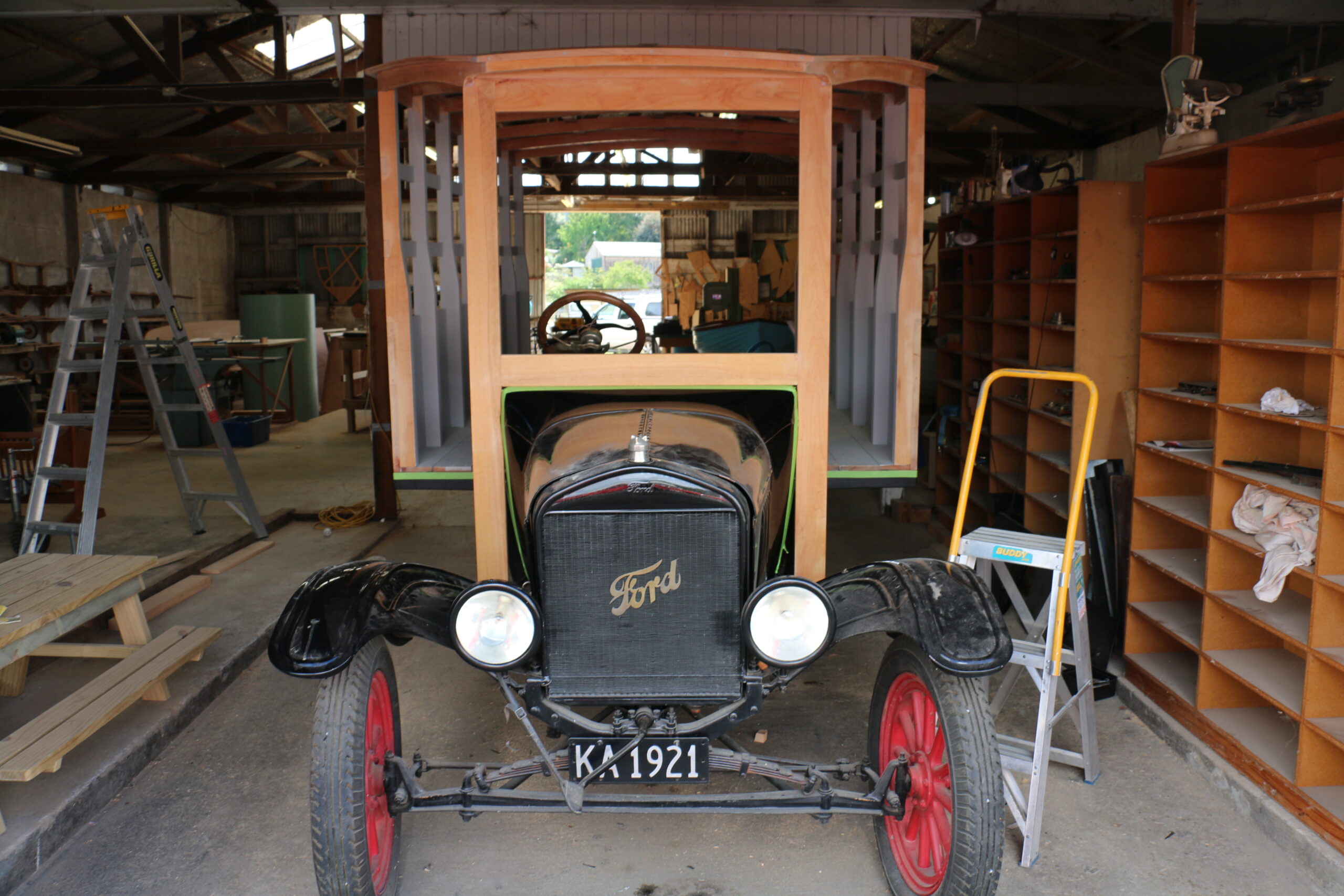
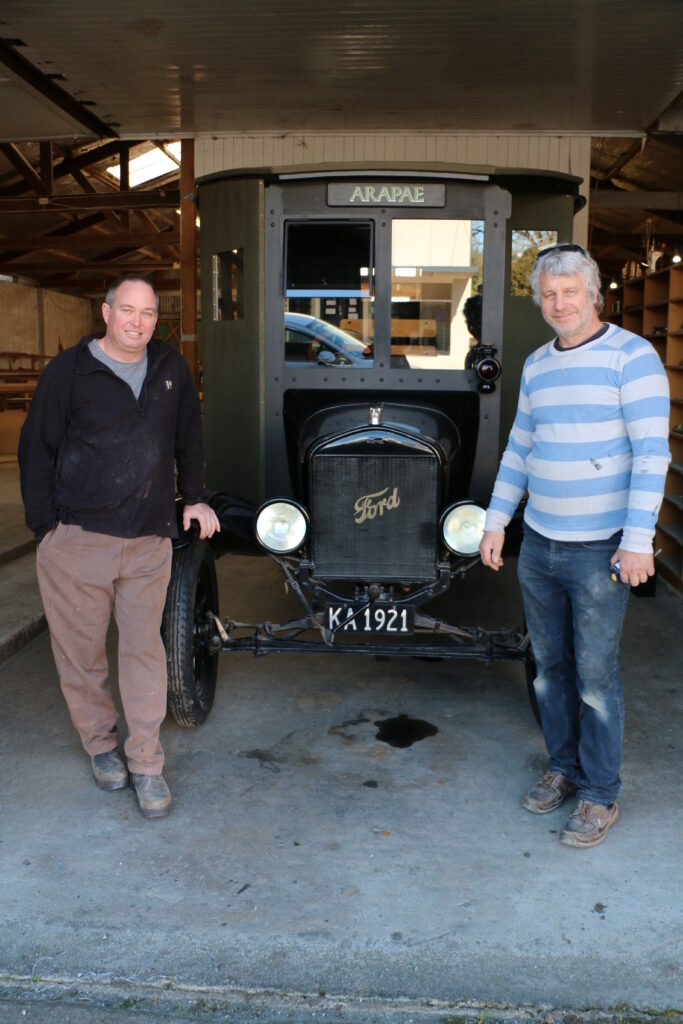
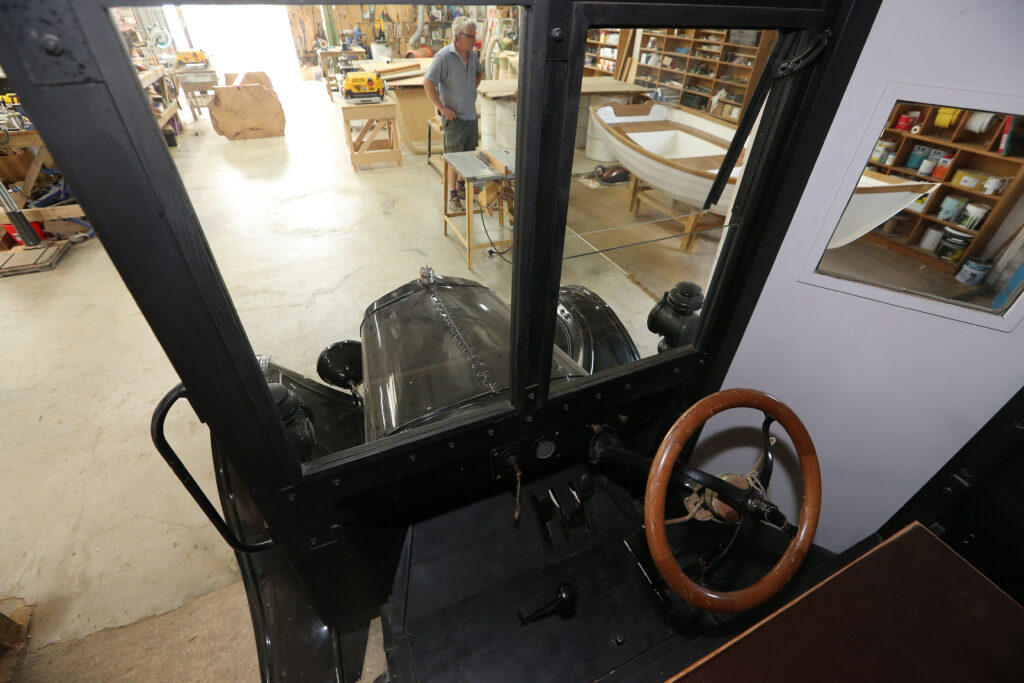
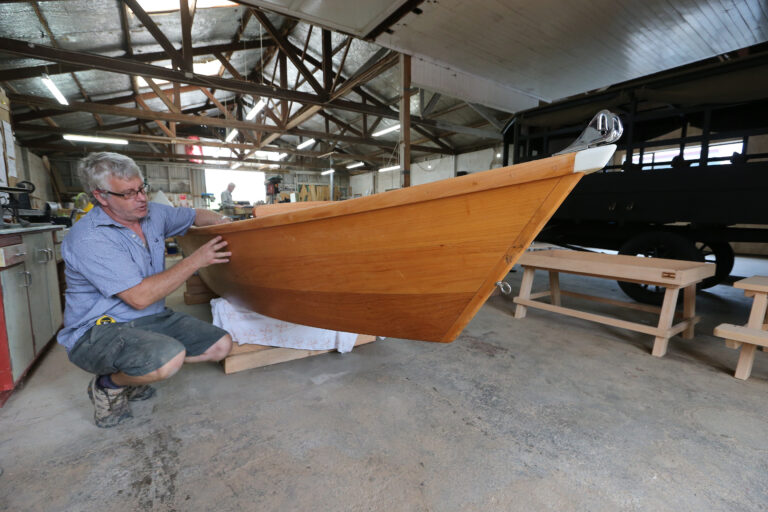
Local boat builder Max Laver became involved in the project, transforming the truck into an exact copy of the early buses.
Staying true to the original
Max was insistent on following the specifications from the National Archives and photographs that were taken by the Auckland Weekly News in 1924.
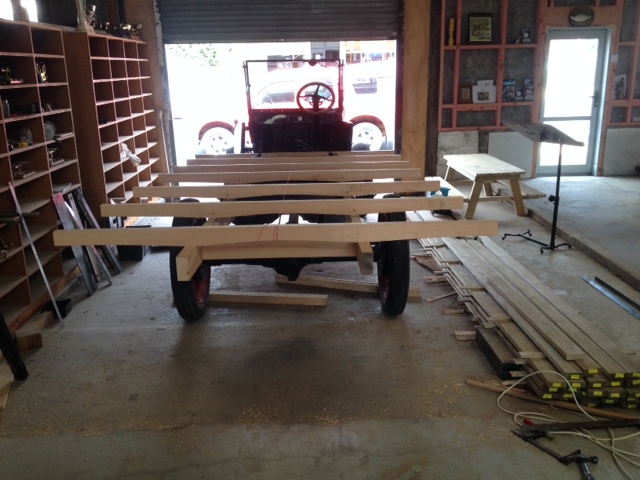
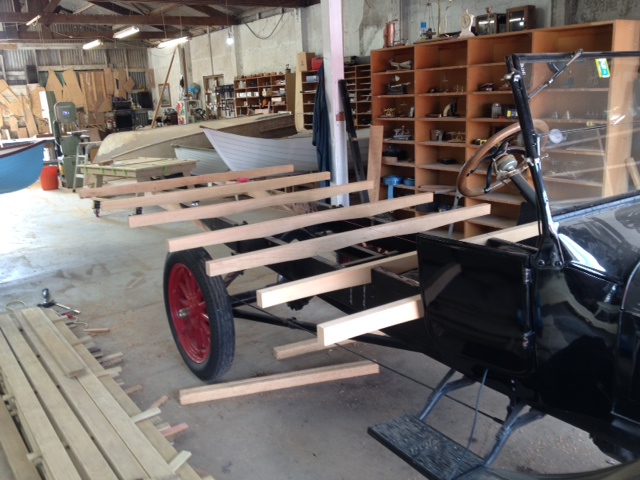
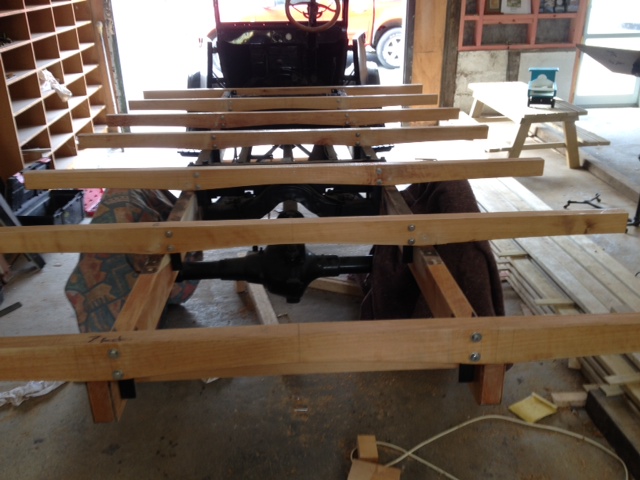
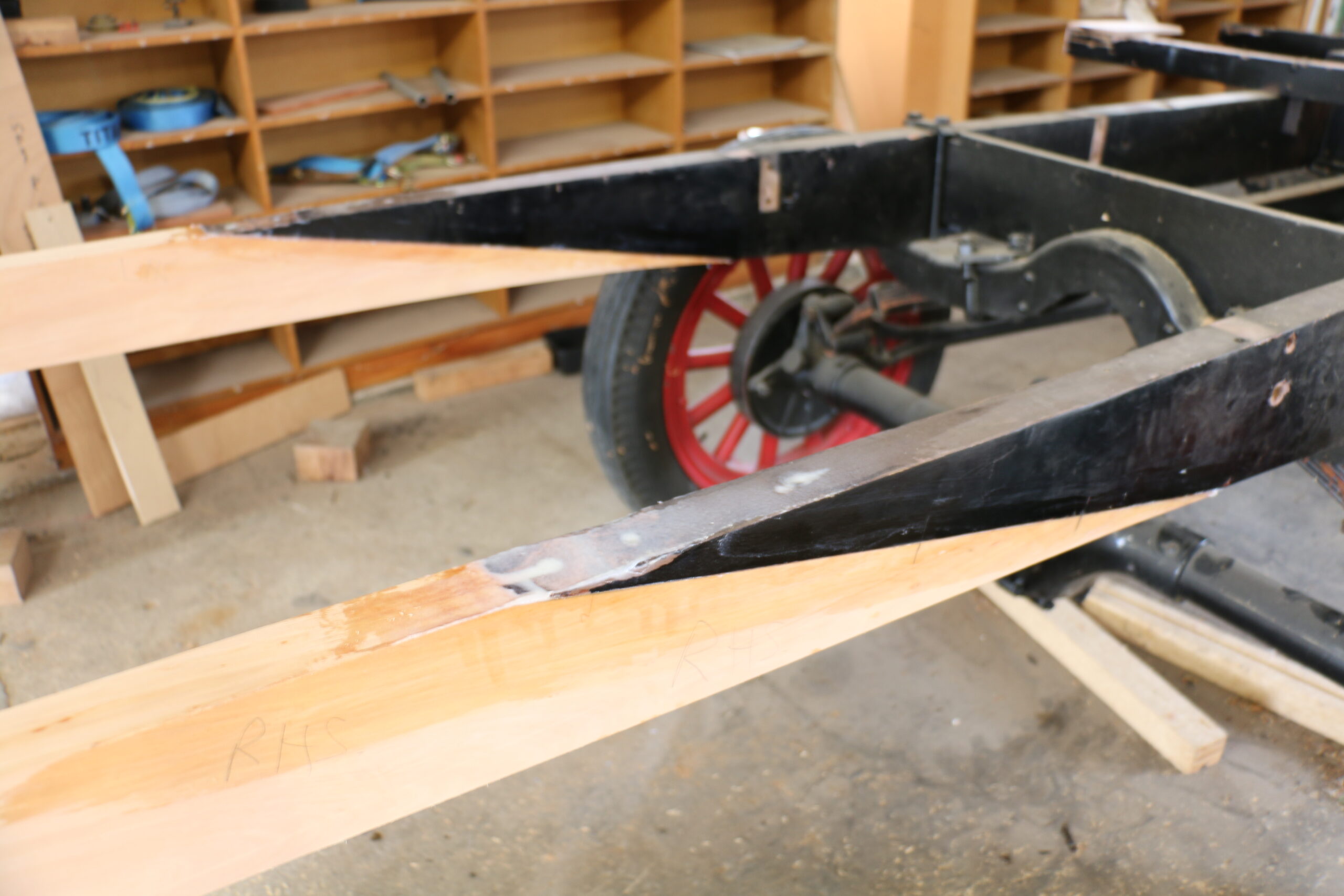
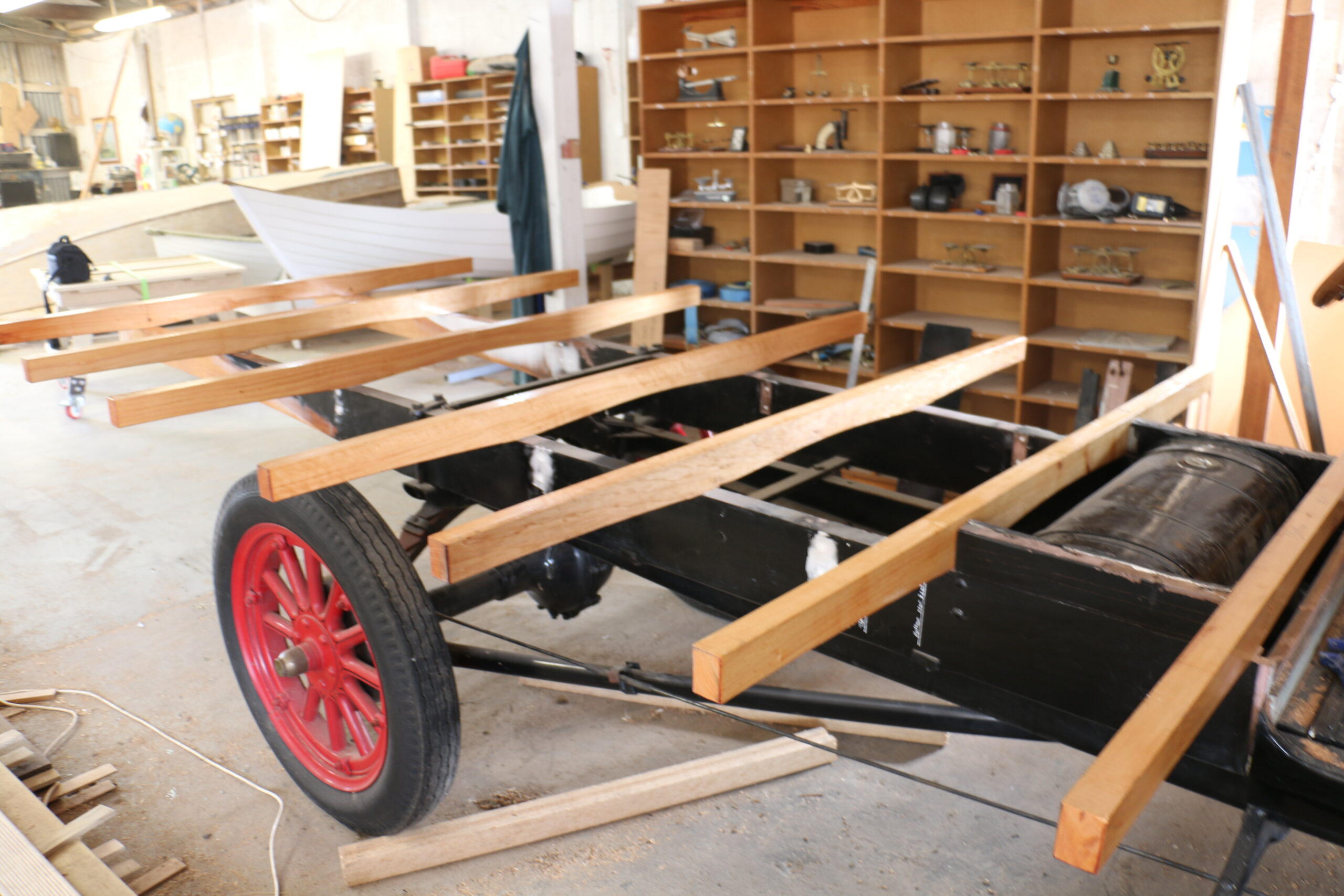
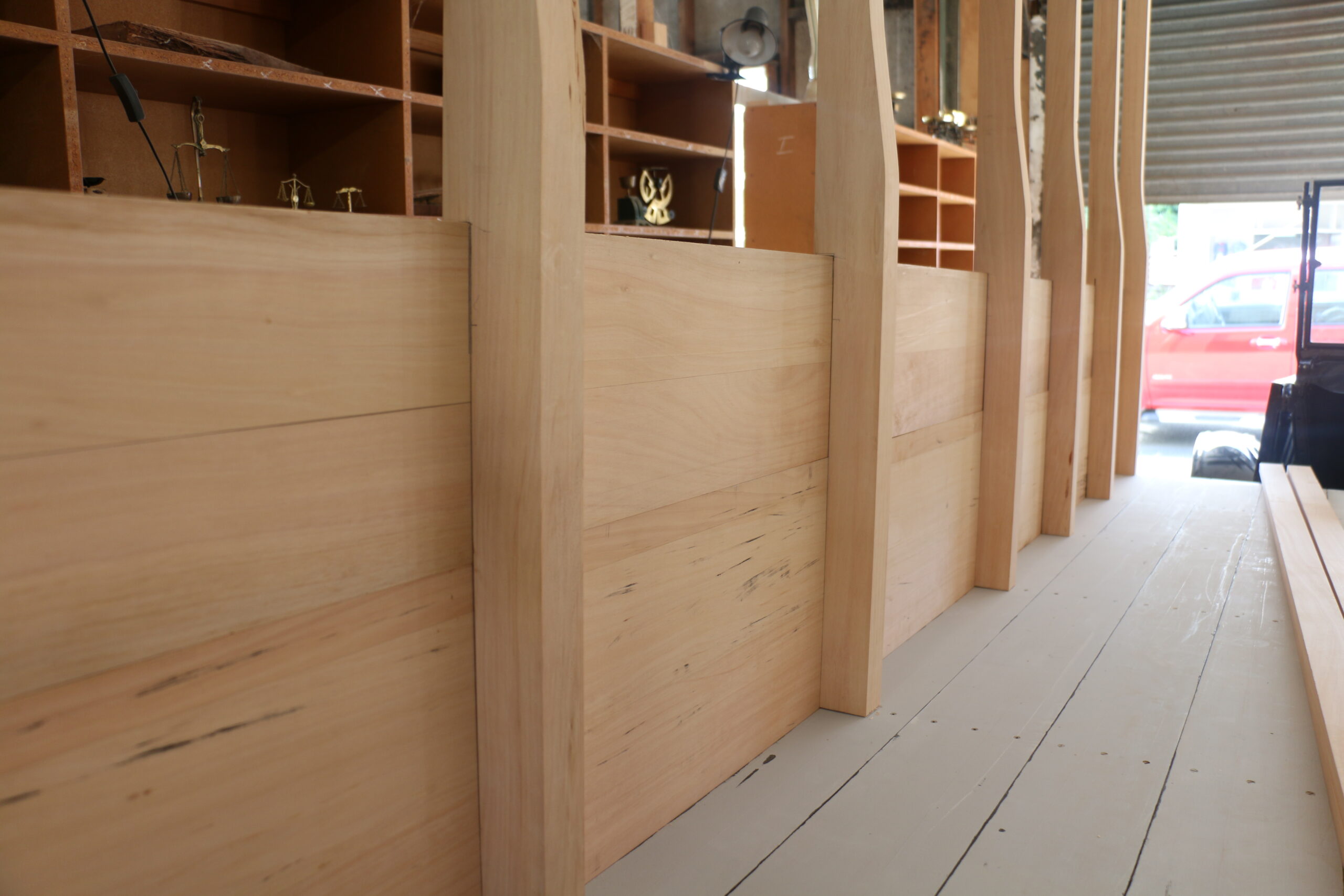
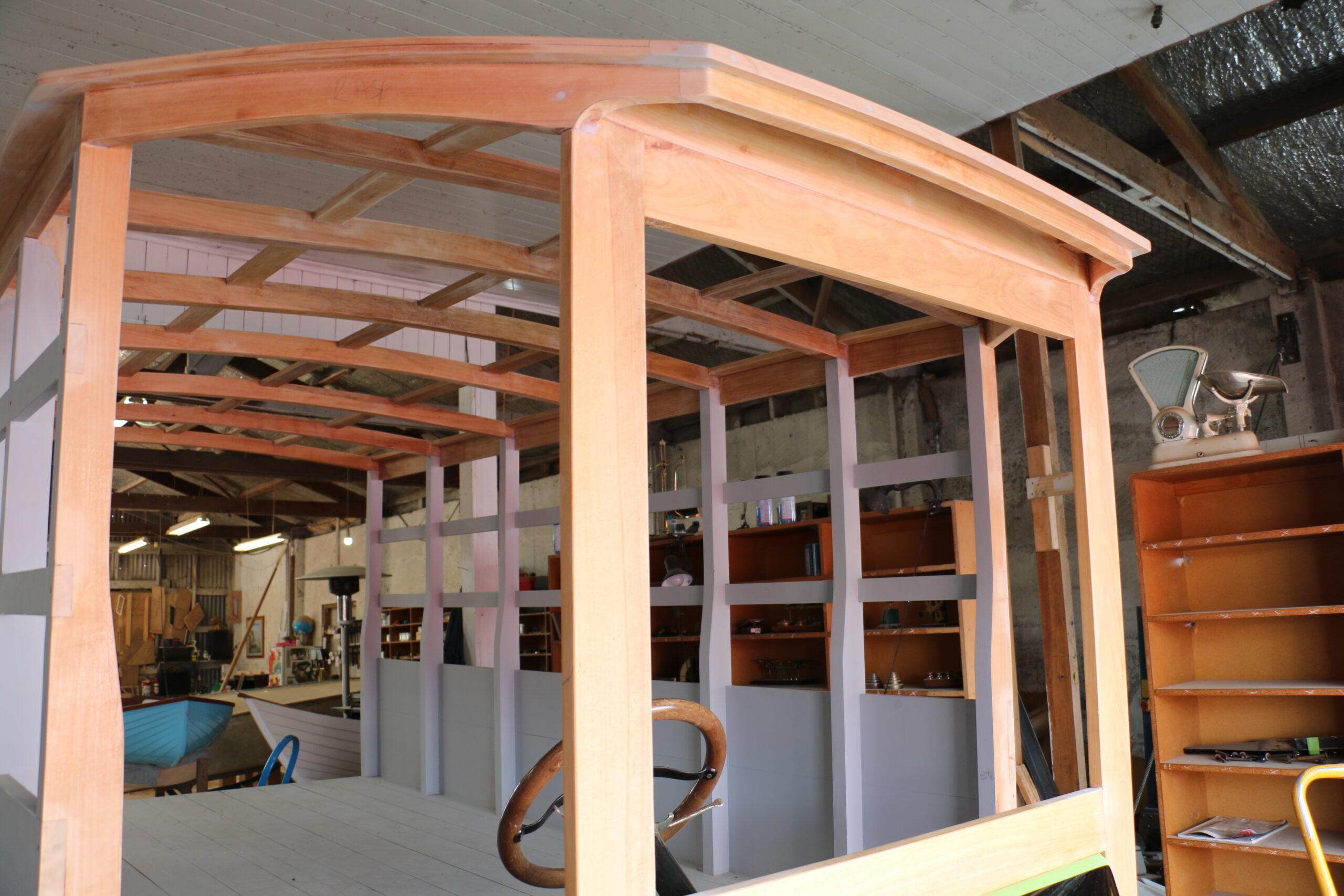
Max said wooden boat building and old-style coach building are not that far apart, especially in the making of the wooden bearers, frames, and sides for the bus.
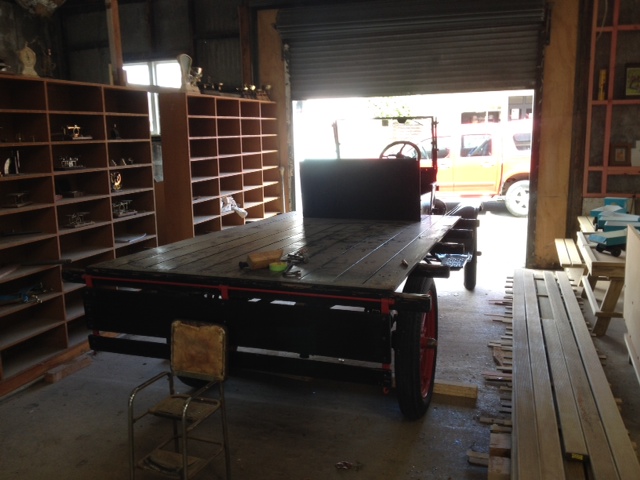
The project took Max and Mark Carter eight months to complete and Max said the finished product is a 95 per cent accurate copy of the original.
The specs and the original tender information submitted by the Phoenix Bus Company – thought to be the successful tenderer for the buses – were used, but a lot of the sizing was taken from old photographs.
Politicians get on the bus
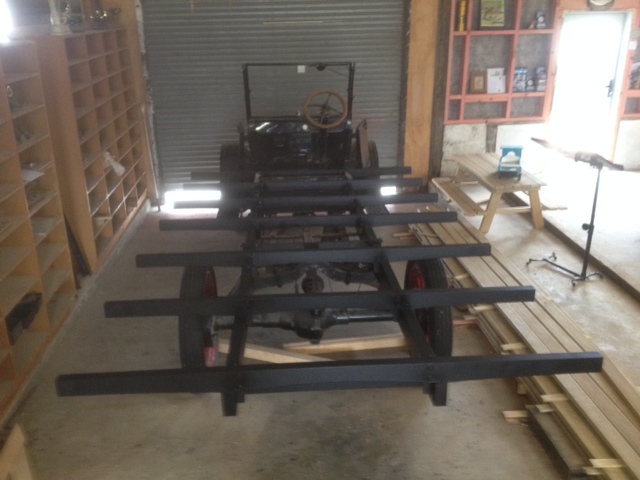
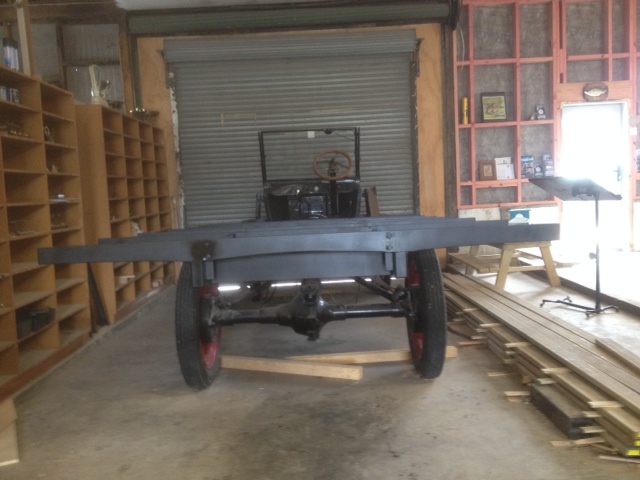
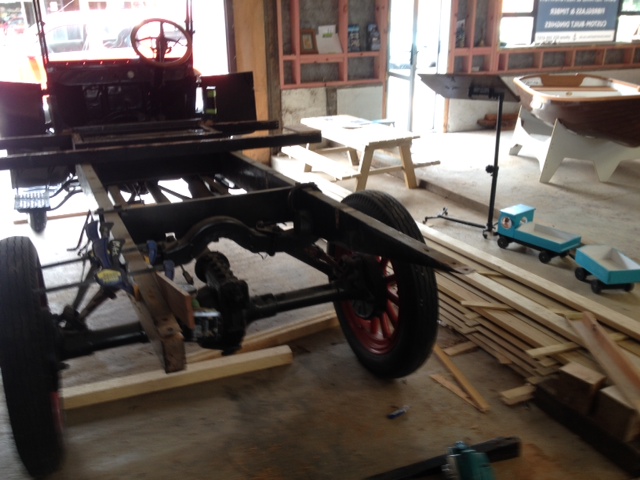
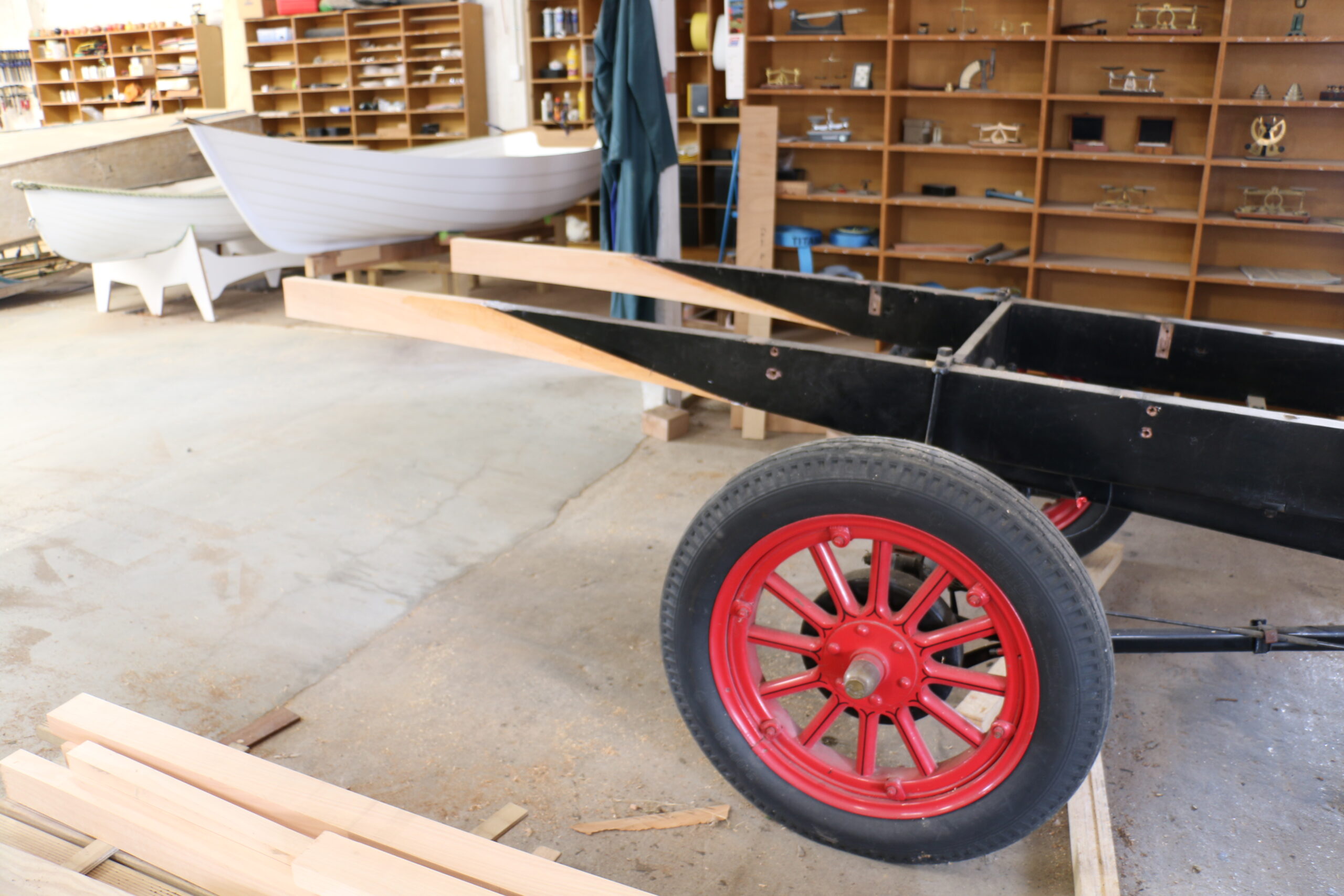
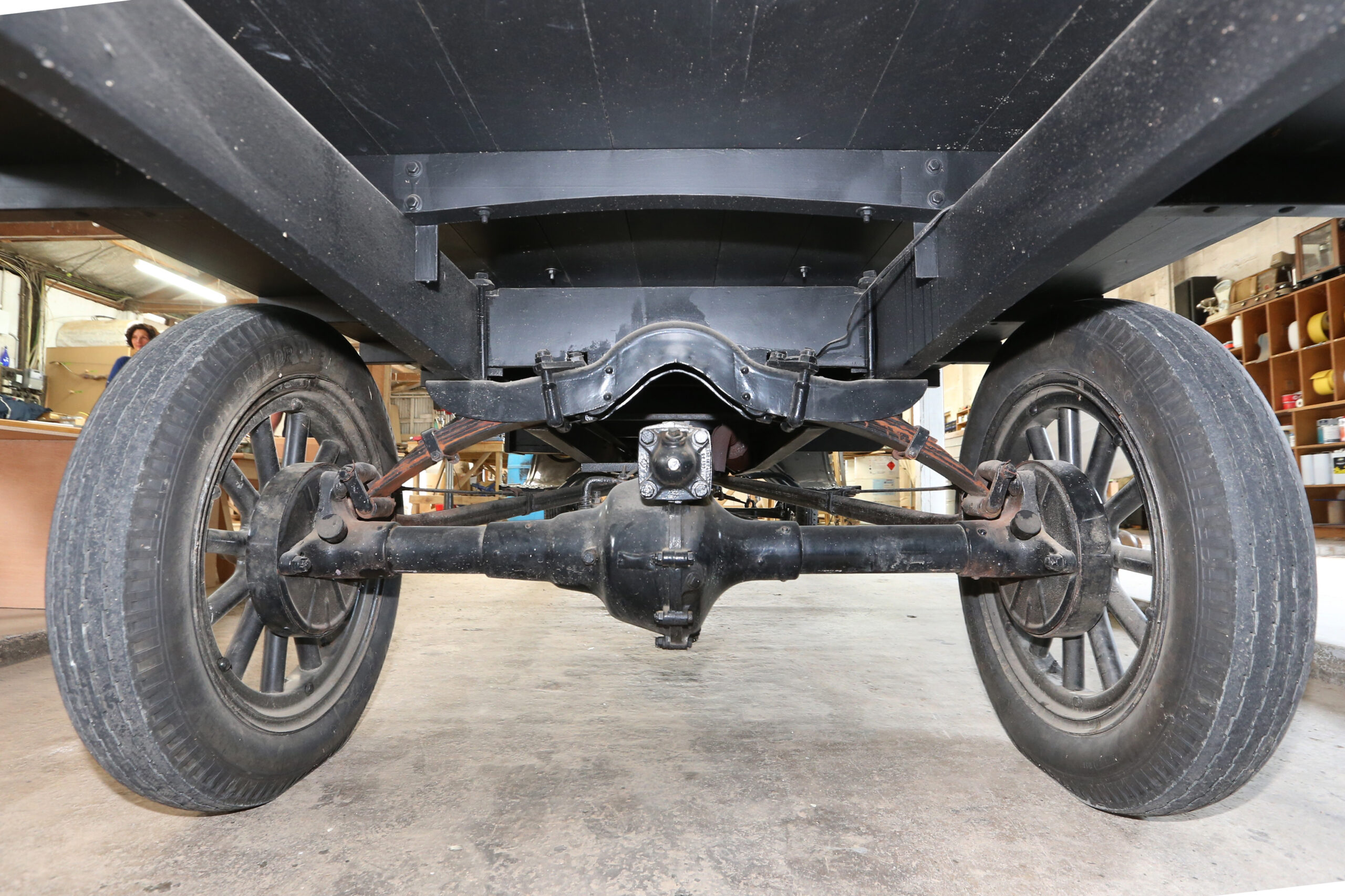
First, the chassis had to be extended by 700mm.
“I was a little concerned about the rear overhang, but it had the supreme test when the completed bus was carted down to parliament in Wellington to publicise the project,” says Max.
“Twenty MPs jumped on for a ride. Some of them were of a good size, and I got a bit of a fright. It was double the weight of a bus full of school children.
“The bus handled the extra weight well – it was quite a relief.
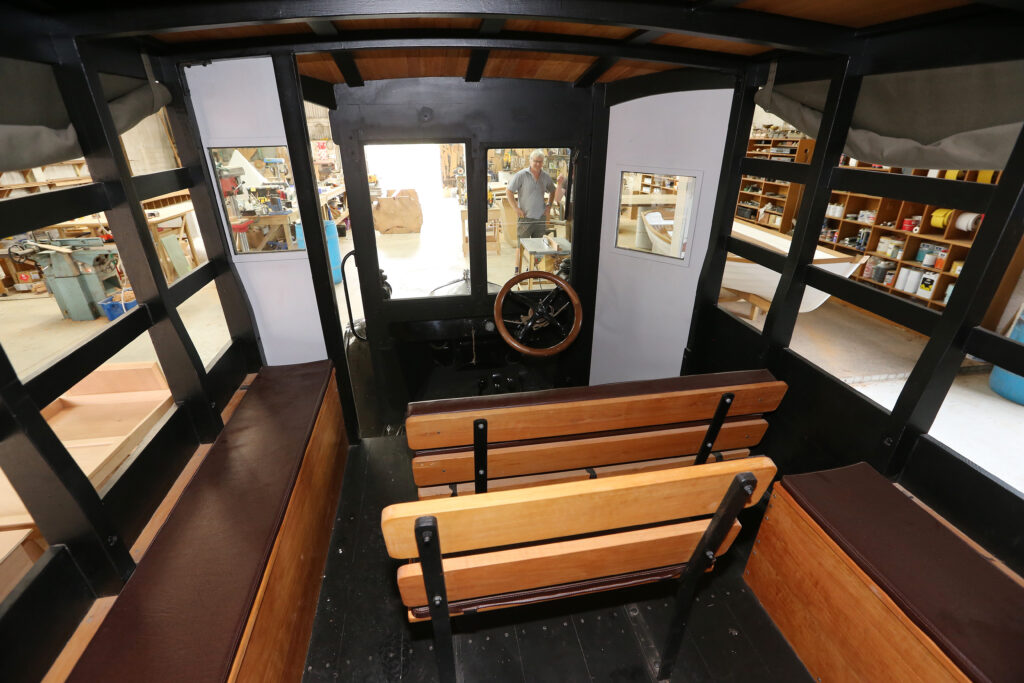
“The original buses were purchased as a chassis and front section with a motor. I think it cost about 60 pounds for the coachbuilders to make them into buses. It took six weeks to build each one. They had wooden sides with canvas drop-downs.”
“We don’t see this bus as a replica. The Phoenix Company built three buses, and this is the fourth.”
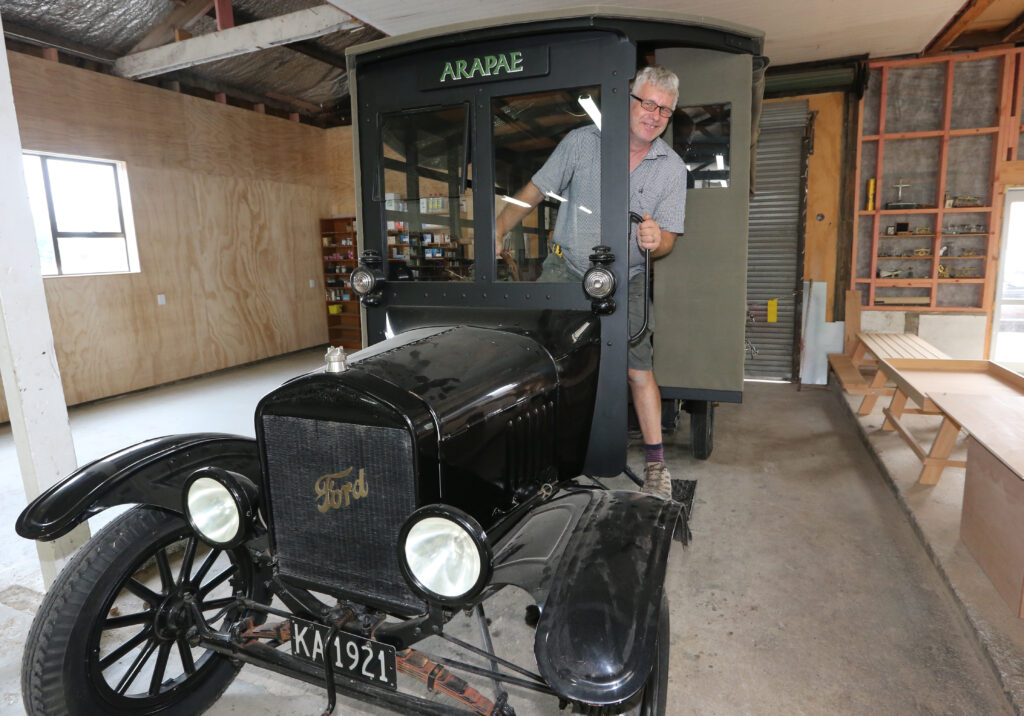
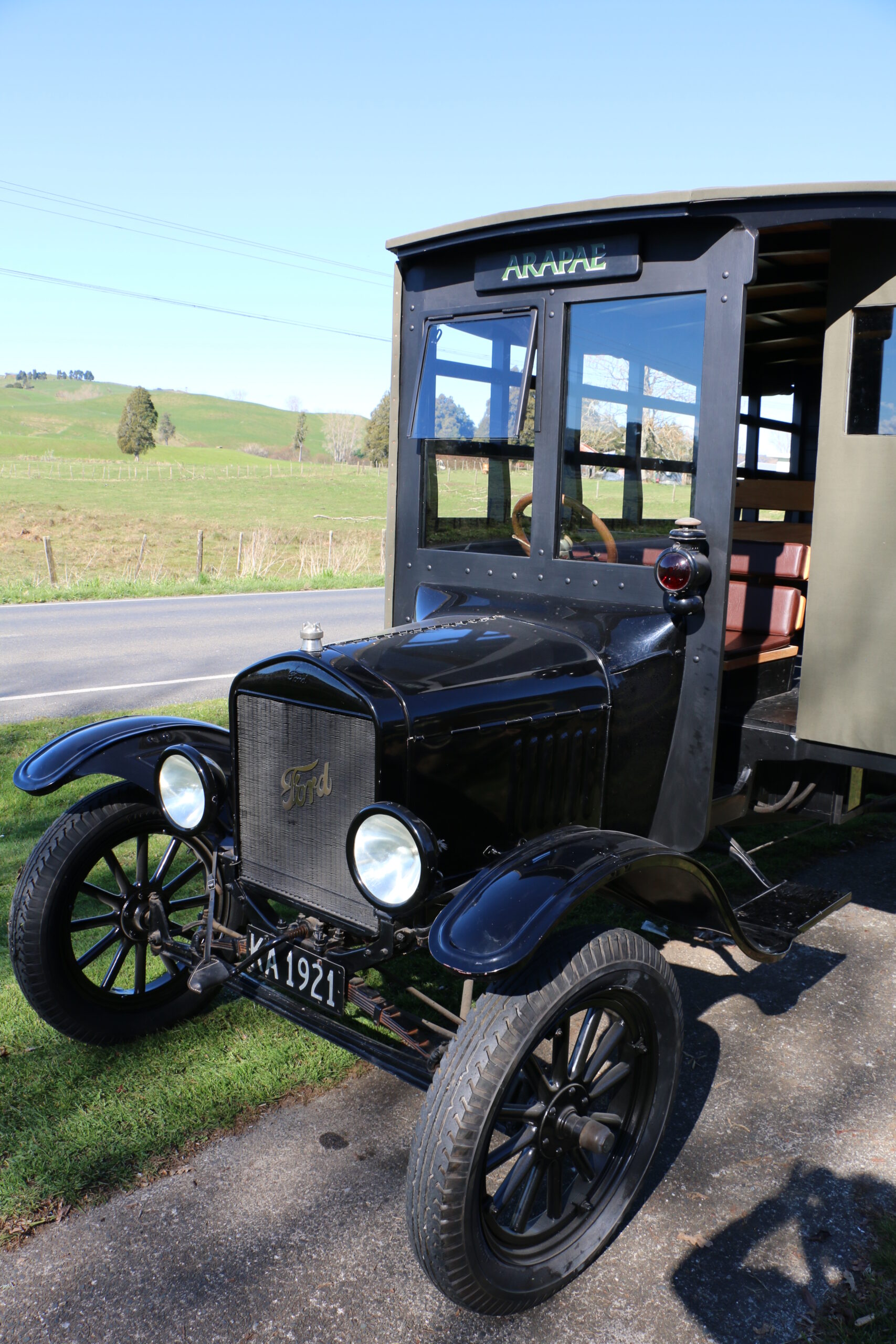
The new bus has Arapae written on the front, one of the areas the first buses serviced.
Mac timber
Max uses macrocarpa a lot in his building work – it’s a wood he’s very familiar with.
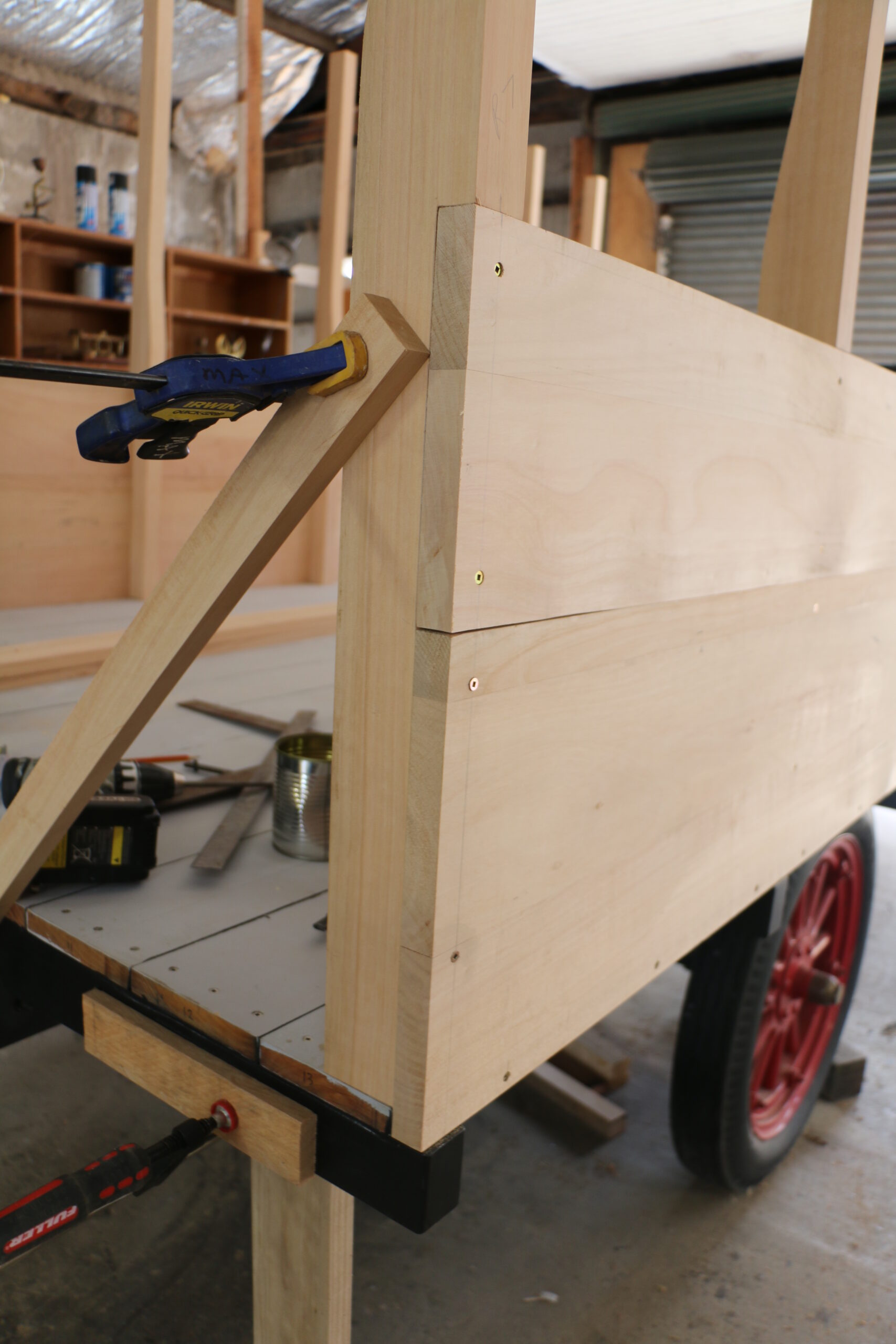
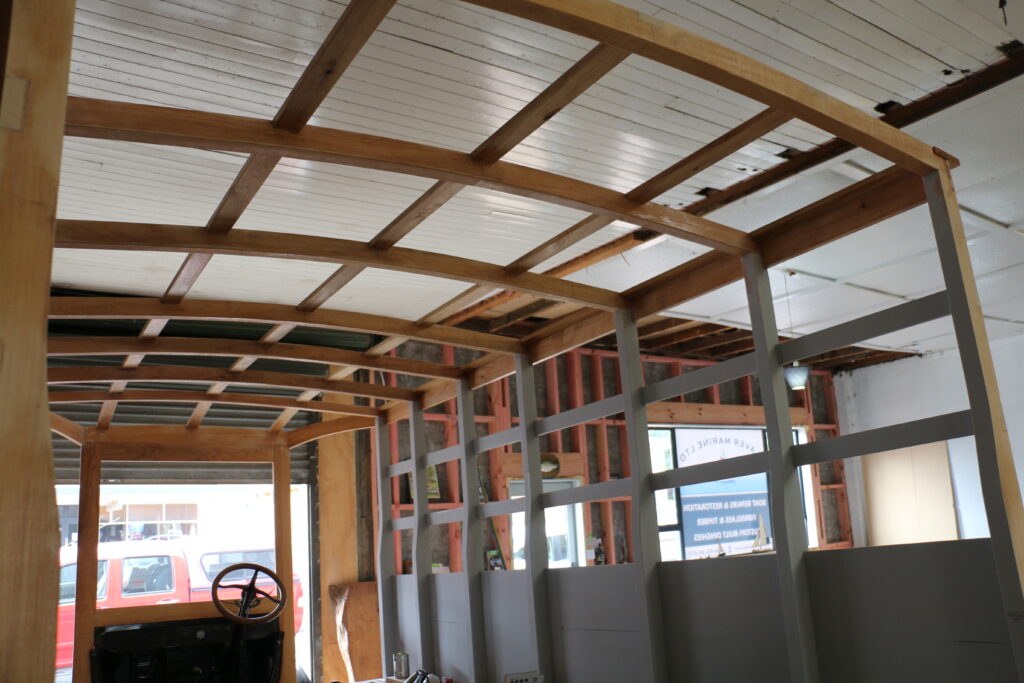
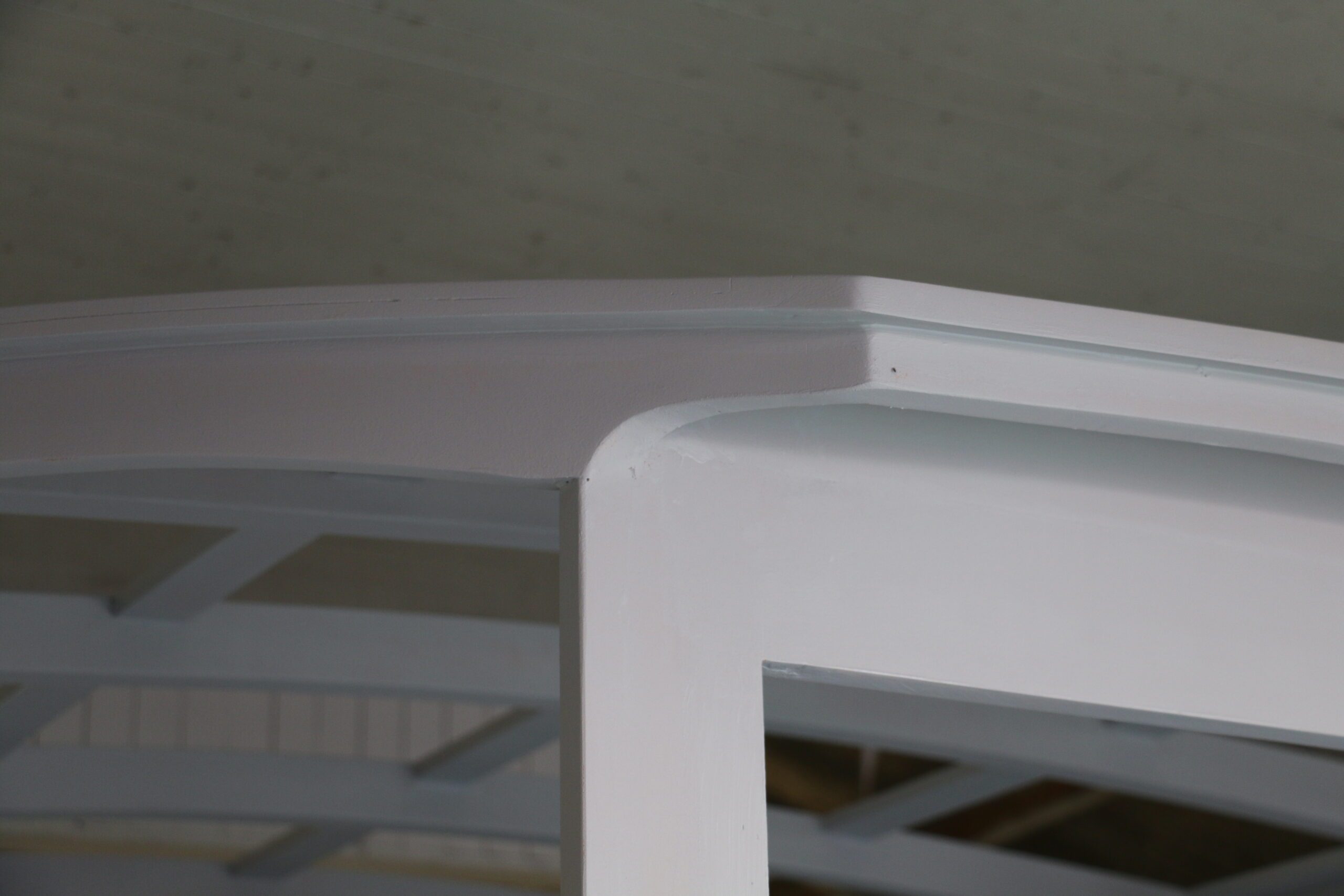
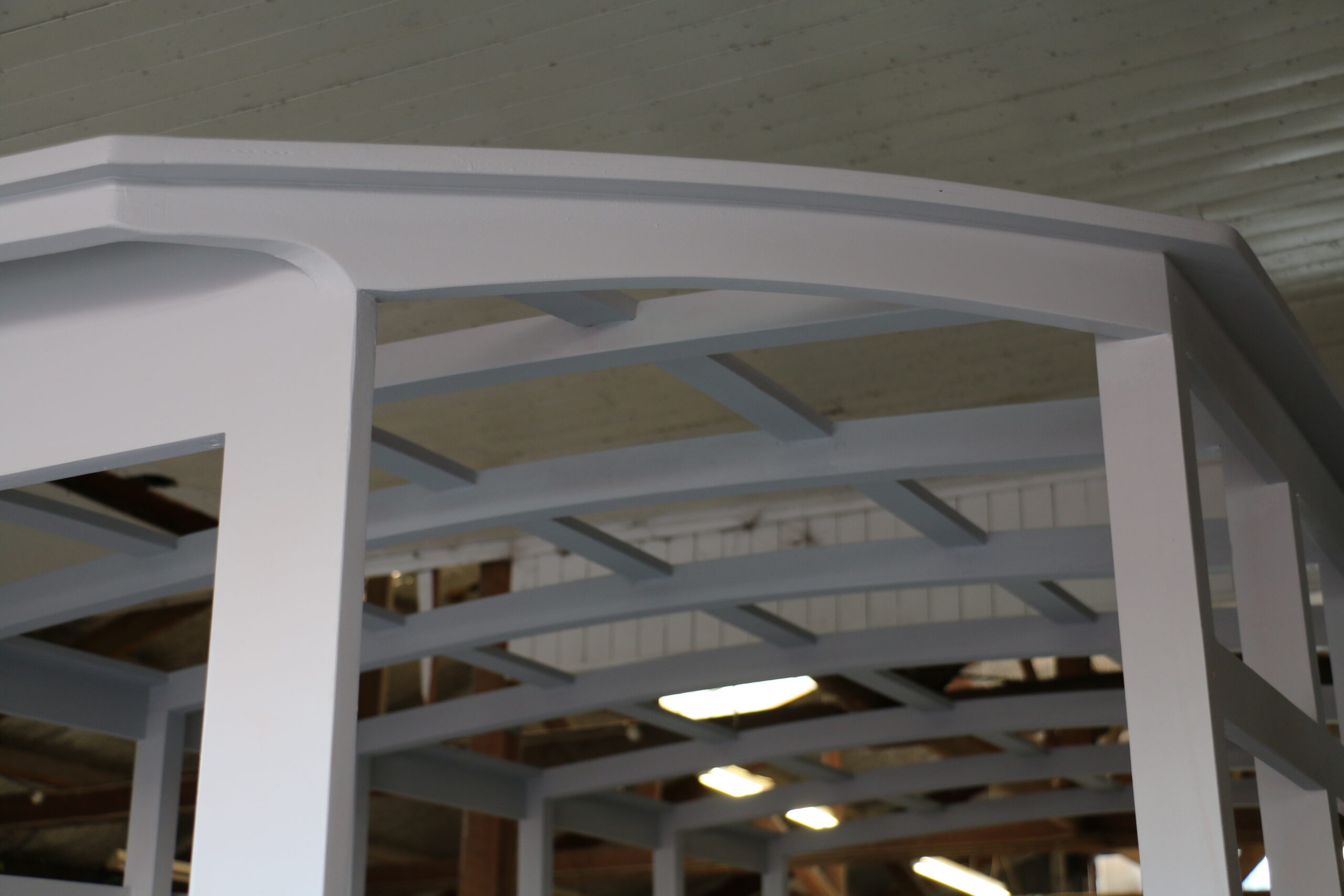
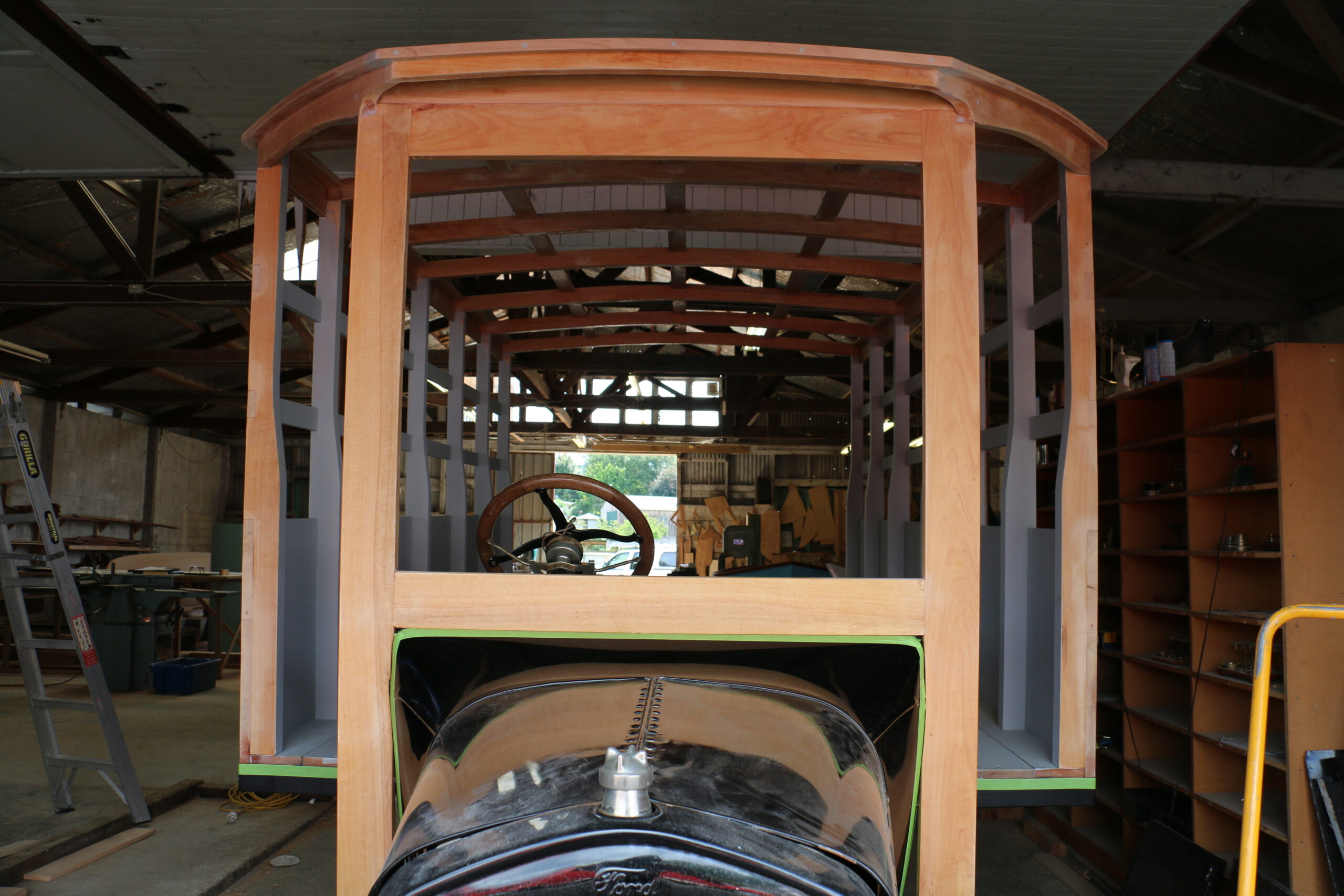
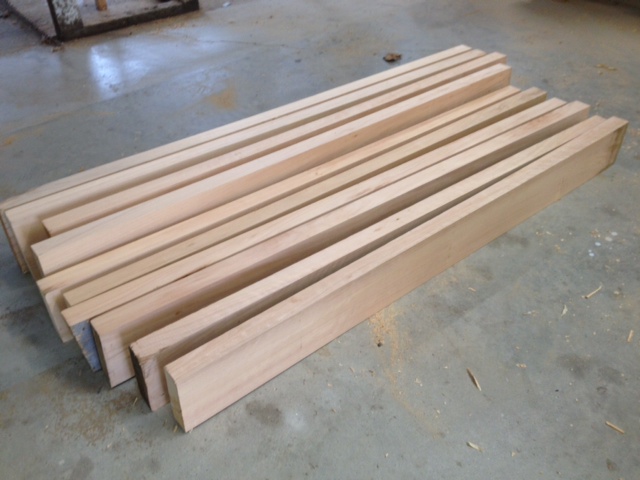
For the bus, macrocarpa timber was used for the framing, sides, and roof. The mac bearers on the bus are shaped to be the same as the original, and the frame was bolted and screwed together. The woodwork was then sealed and painted black in keeping with the originals.
“Mac is an easy wood to work with,” he says. “We use it a lot, making furniture and boats. Oiled properly, it’s very underrated for handling the weather. It stands the sun and rain okay and doesn’t need treating.
“The more I use it the more I like it and it’s very easy on tools.”
Max seals the versatile mac timber with his own blend of Danish oil.
He makes it up from one-third boiled linseed oil, one-third turps, and one-third Bondall Monocel clear timber varnish.
This mixture soaks well into the wood and may require up to seven coats.
A town’s unique heritage
A pair of original Model T kerosene lamps were found and fitted, and the bus still has the original six-volt electrical system it came with.
New canvas sides were made up. Mark Carter is a sailor, and he obtained a roll of canvas and had the know-how to sew them up.
Max is a marine surveyor and boat builder. He and his wife Rachael run Laver Marine Ltd, based on the main street of Piopio.
They make small, high-quality boats to order and furniture.
One may well ask what is a boat building business doing in a small landlocked town a long way from the sea.
That question was answered in the previous issue of The Shed when we featured their specialty boat building and their unique range of boats, built by hand with care.
“The bus was fun to build. I’d love to build a tram or train carriage one day,” says Max.
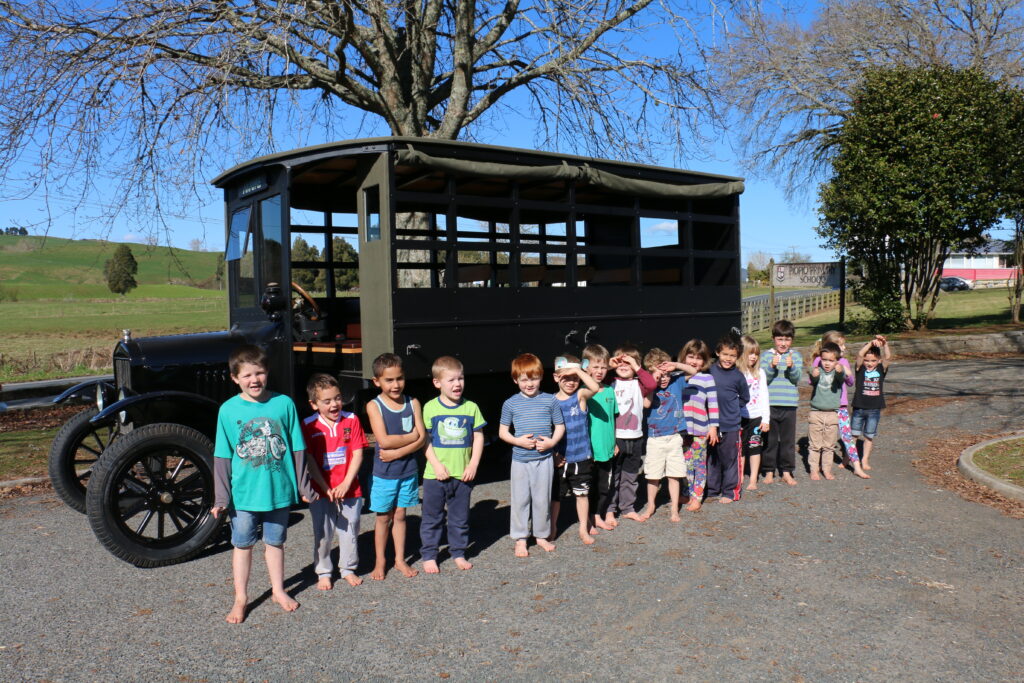
The bus is taken out for local Christmas parades and other King Country events.
“It’s a piece of the town’s heritage,” Max adds.
The final stage
Brian Tegg said that while the replica bus is now completed as a result of generous local funding, the Piopio College Trust is about to embark on the final stage of this project.
“This is the building of a display garage in the main street of Piopio to house the bus and outline in pictures, print, and video commentary its historical significance and reconstruction history.
“The discounted support of Totalspan, provider of over 400 rural bus shelters for students throughout New Zealand, in conjunction with Allied Concrete and New Zealand Steel, has brought this project almost to a close.
The Model T
The famous Model T Ford, also known as the Tin Lizzie, was in production from 1908.
It had a top speed of 45mph (72kph) and the 2.9 litre engine produced 20hp (15kw).
On October 1, 1908, the first production Model T Ford was completed at the company’s Piquette Avenue plant in Detroit. Between 1908 and 1927, Ford would build some 15 million Model T cars. It was the longest production run of any automobile model in history until the Volkswagen Beetle surpassed it in 1972.
Henry Ford’s Model T quickly became a kind of default American car; at one point it accounted for half the cars in America.
Although the Model T was not the first consumer car, nor the cheapest, nor even the first assembly-lined-produced car, it was arguably the best combination of these elements. Ford made a sturdy car that could deal with the incredibly bad roads of the time, at a price that regular people could conceivably afford. His innovations with assembly line manufacturing further drove the price down and improved wages for his factory workers.