
Three businesses work together on hot rods
By Ray Cleaver
Photographs: Rob Tucker
Hot rods – we see them rumbling round the highways and byways, big V8s burbling, immaculate finished body and paintwork and obviously someone’s pride and joy. Many people don’t realise the work that goes into customising one of these gleaming machines. Some are old cars reshaped and rebuilt, and some are made from scratch, often using the classic designs and lines of cars built in the 1920s, 30s and 40s.
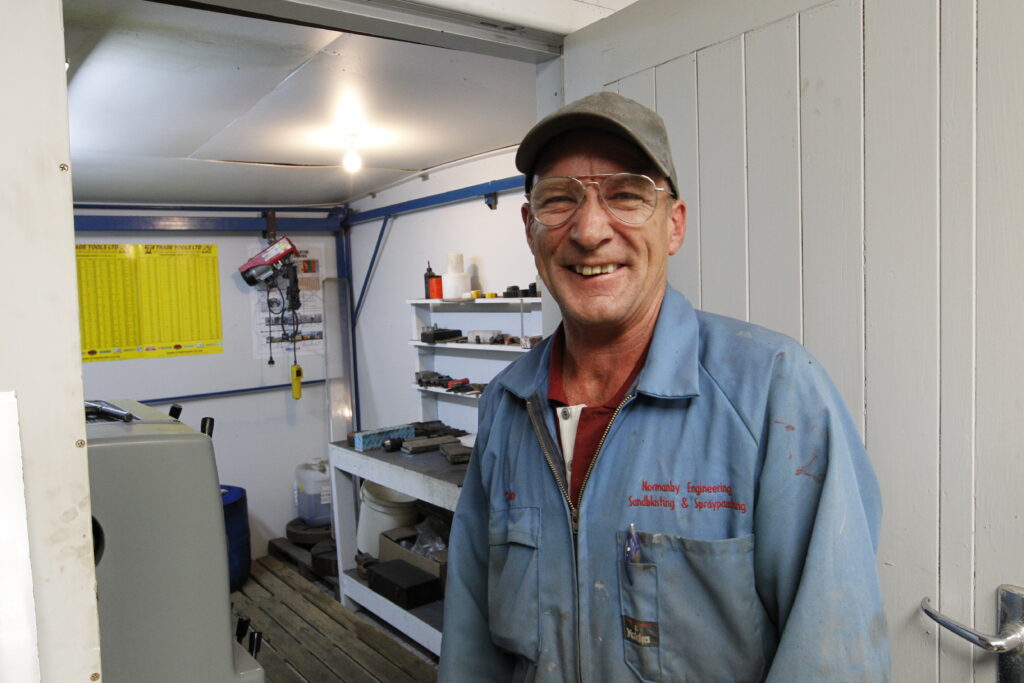
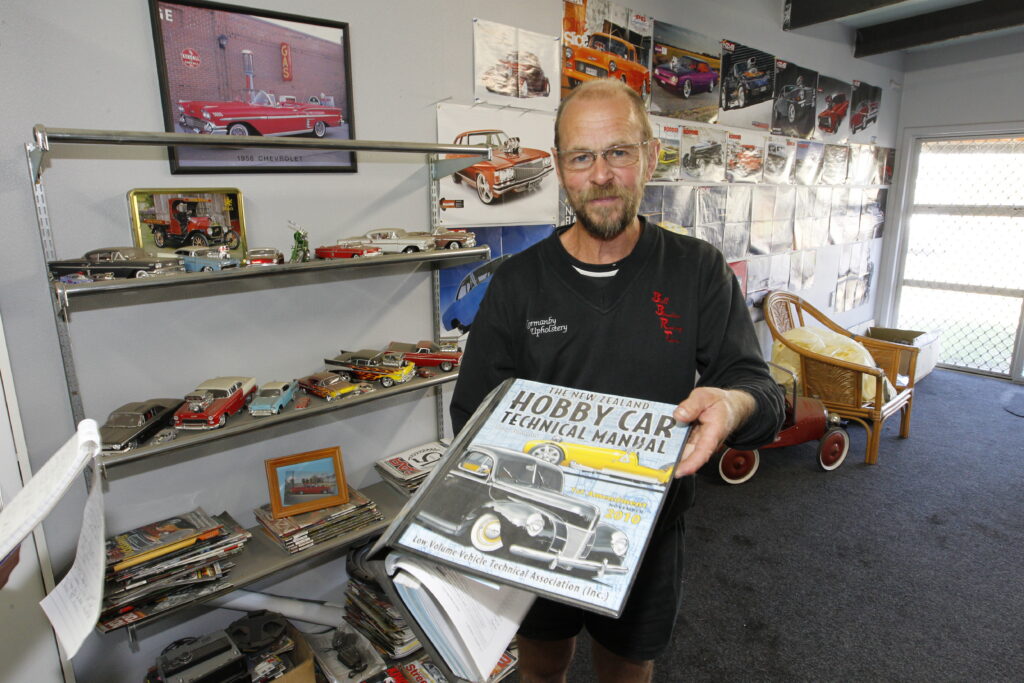
In the little town of Normanby in South Taranaki, there’s a workshop set up to create these beasts. We caught up with guys from three businesses in a row having smoko together. An upholstery business, a custom fabrication shop and an engineering shop. All mates who work in together in a way that can only happen in a small town.
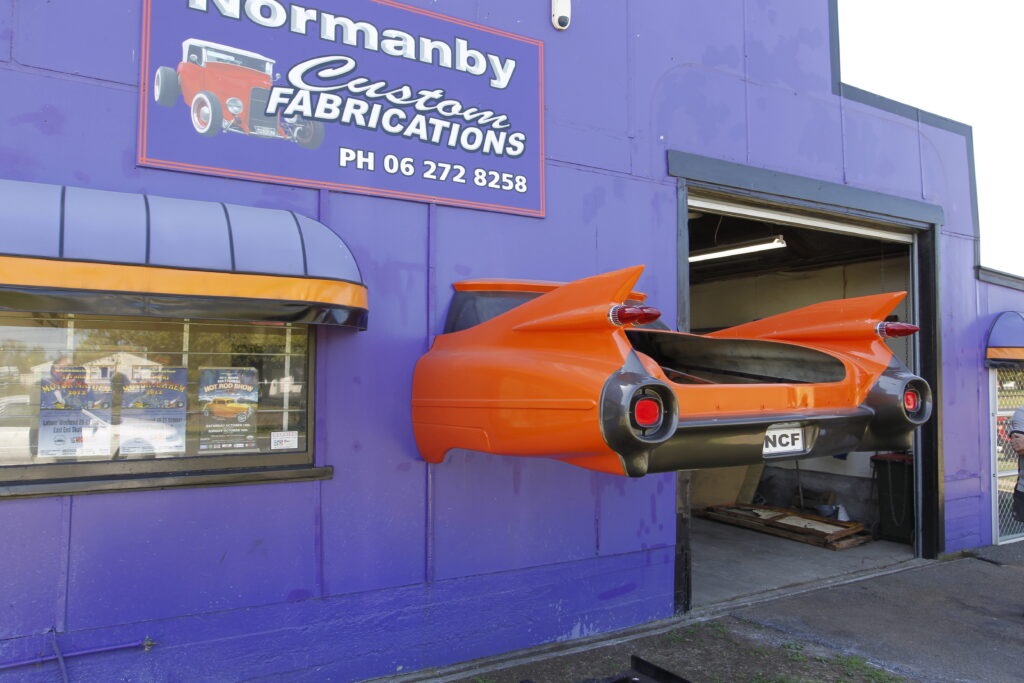
Protruding from the outside wall of Normanby Custom Fabrications is the back end of a 1959 Cadillac De Ville, one of the classic icons of American bodywork, with big fins and lights that flash at night, a reminder of the days when car shapes were not designed by computers but by artists.
Anything goes
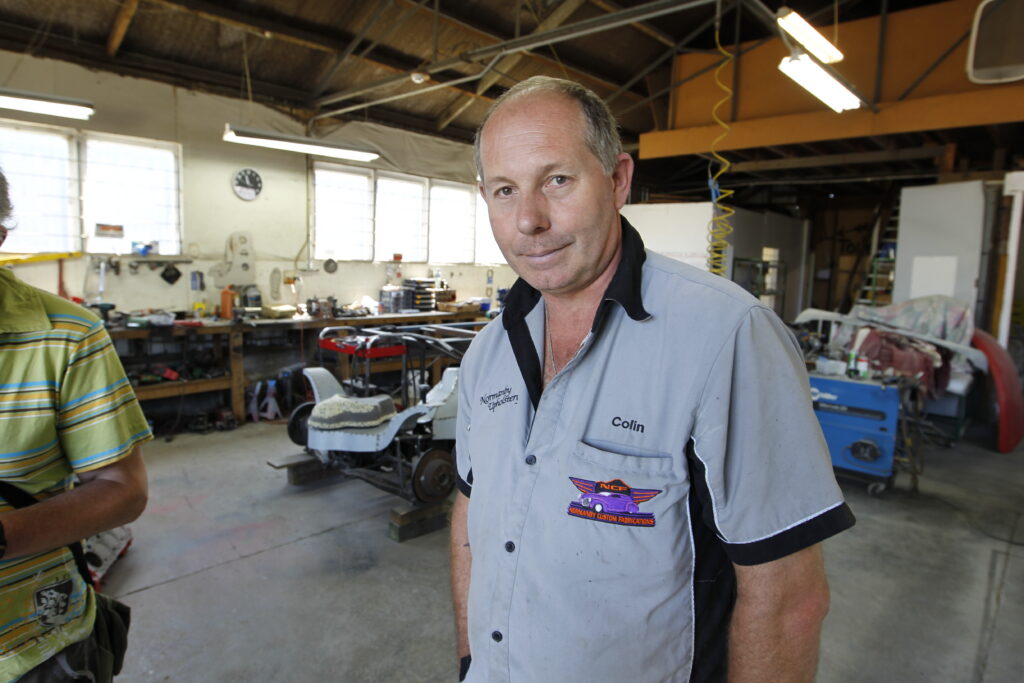
Dave Kindberg owns Normanby Custom Fabrications, where Colin Hook works for him, making these customised masterpieces; he also owns and runs Normanby Upholstery two doors down.
Dave set up the business two years ago to custom-make any vehicle anyone wants. “We do any crazy jobs, anything goes. There’s a huge amount of work in some of these projects. It can take years to complete some jobs, and some people spend in excess of $400,000 to get their dream machine realised.
“Hot rods are nothing new. They have been around since the 1930s in the US, and New Zealand was not far behind,” he says.
Two years ago, the New Zealand Hot Rod Association celebrated its 50th jubilee, a sign rodding became very popular here in the 1950s and is now growing all over the world. Dave says basically a hot rod is a custom car, often made from, or based on 1930s and 1940s models, usually dropped lower, with big engines, wider wheels and totally rebuilt or made from scratch. He said a recent job they undertook was a total rebuild of a 1929 Plymouth, including a lot of wood and steel work.
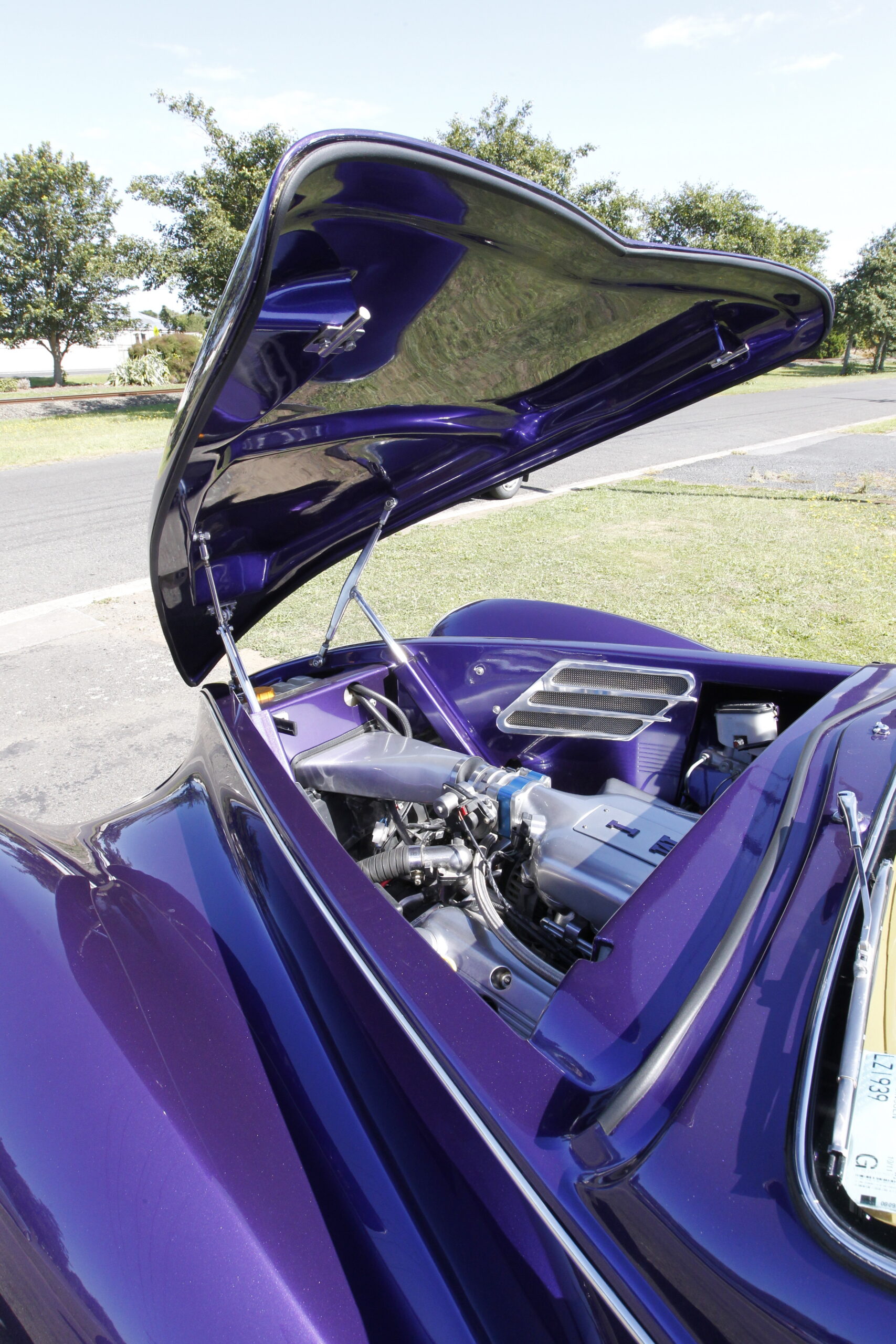
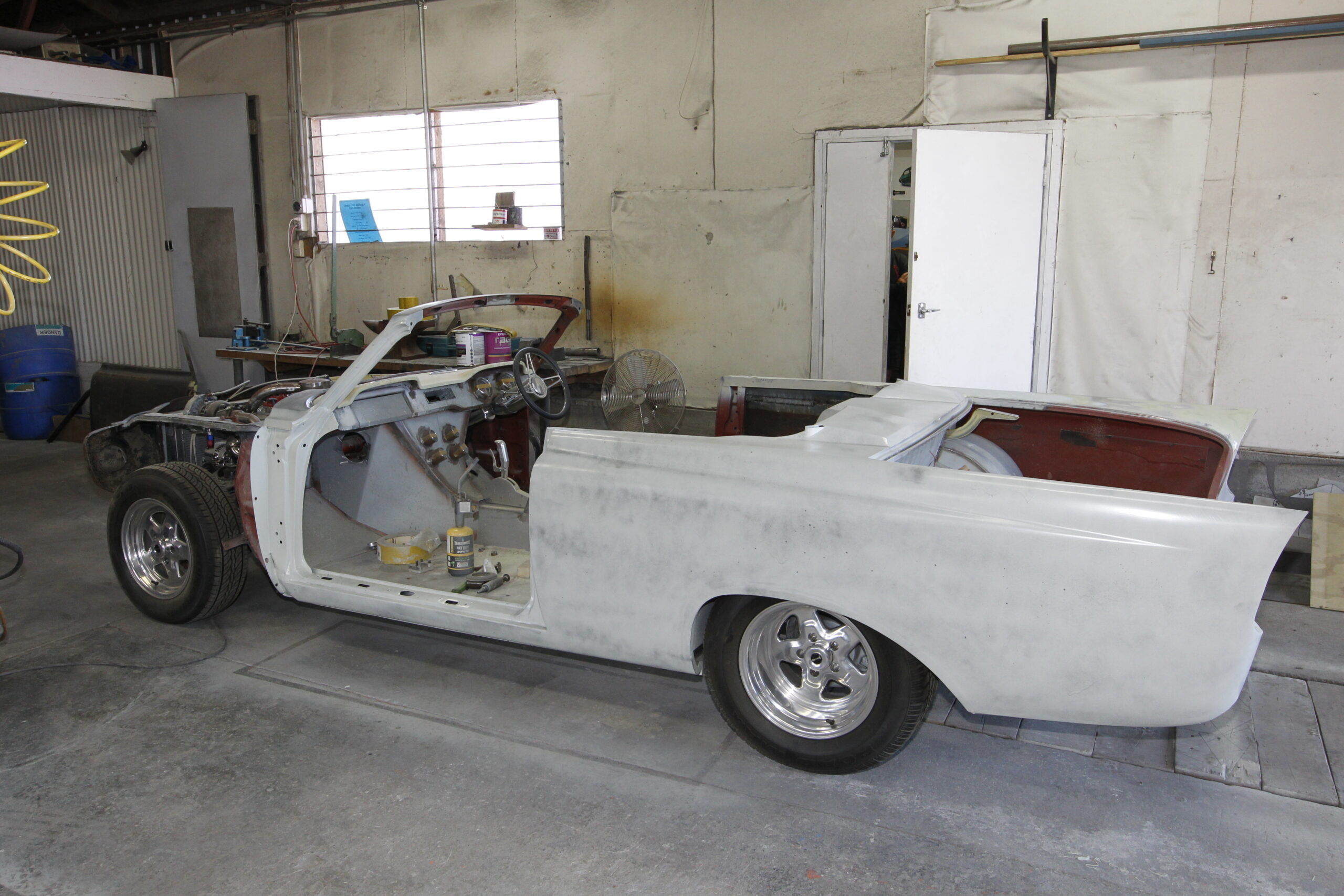
We looked at three vehicles there—a finished purple hot rod that has passersby stamping on the brakes and doing a U-turn to check it out: a work in progress, transforming a 1965 Mk III Zephyr into a grunty convertible; and lastly, we checked out a really big V8-powered trike.
1939 Lincoln
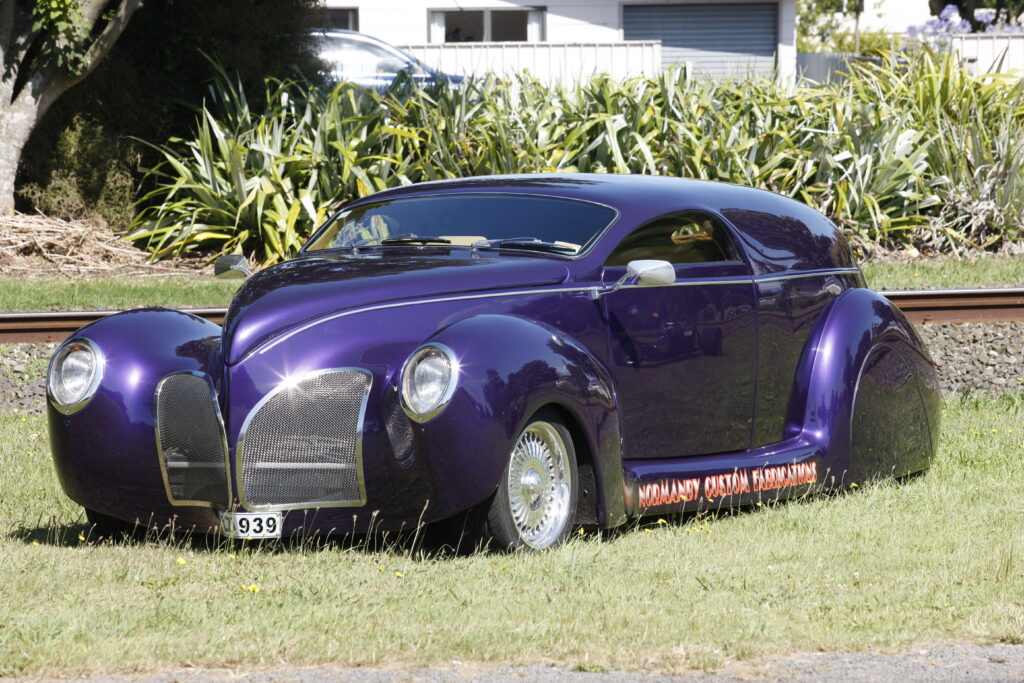
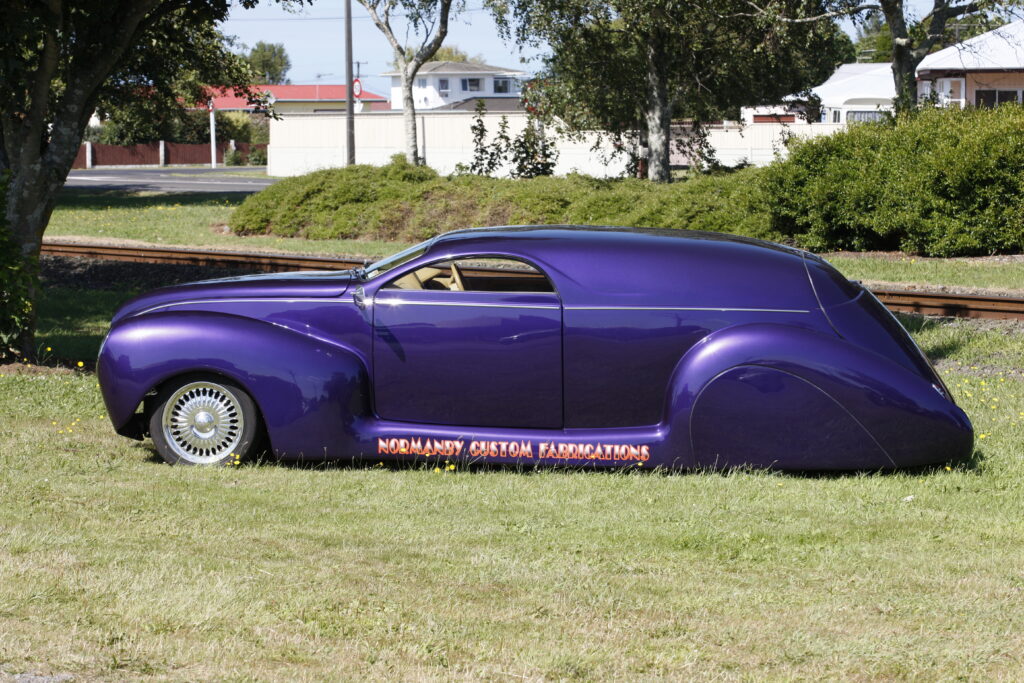
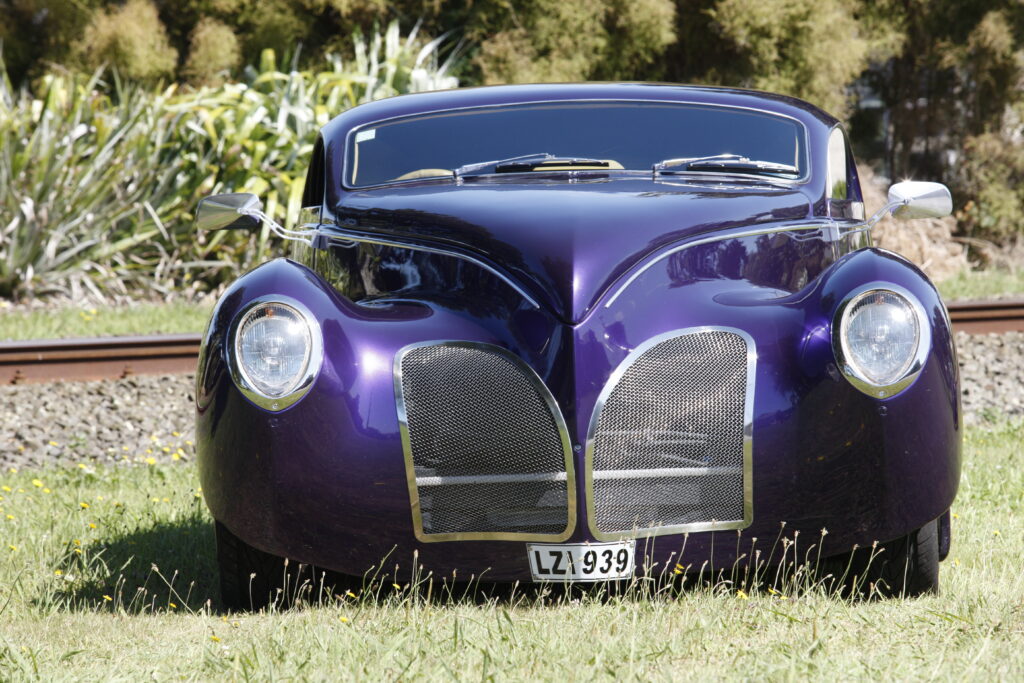
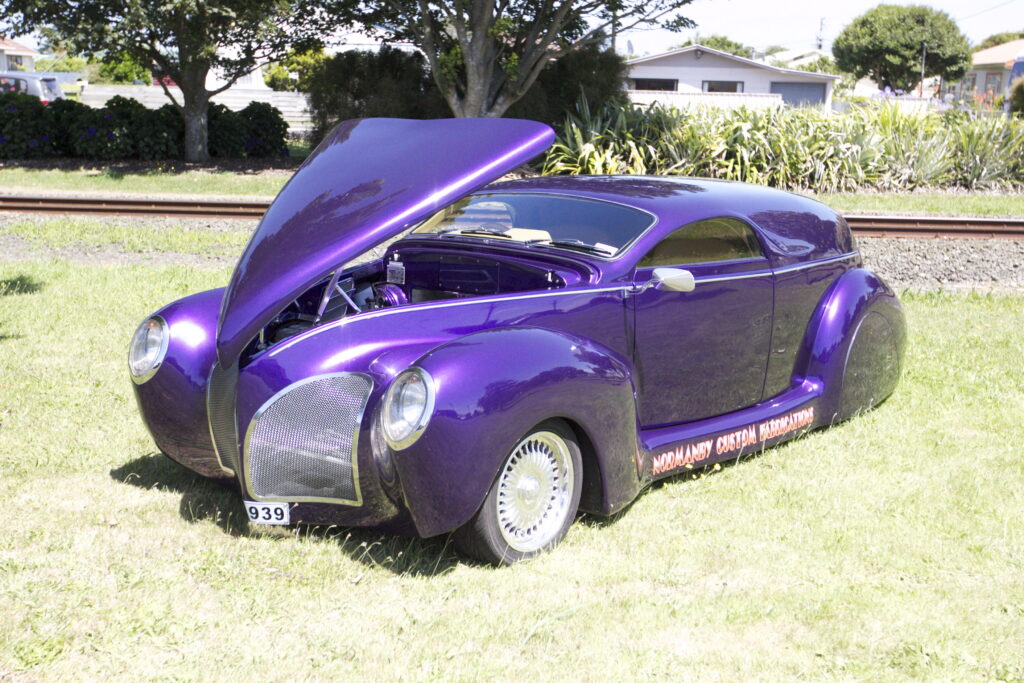
Dave Kindberg is the owner and creator of the purple beast and has spent two years putting it together. The finished rod has been built from scratch and is based on the lines of a 1939 Lincoln Zephyr delivery sedan. Dave’s big purple, streamlined machine looks mean, like something from a 1930s comic book. It’s a giant two-door beast; 5.5 metres long, with a lowered roof just 220 mm above the body. It has a customised fibreglass body and sits only 130 mm off the ground.
It has two little side windows, a small back window and a custom-made windscreen. The visibility problem this creates is overcome with concealed video cameras front and back and parking sensors.
While the body is based on the ’39 Lincoln, the running gear is very modern. Dave bought a new XR8 Falcon BA ute in 2004 and five years later pulled it apart to make the rod.
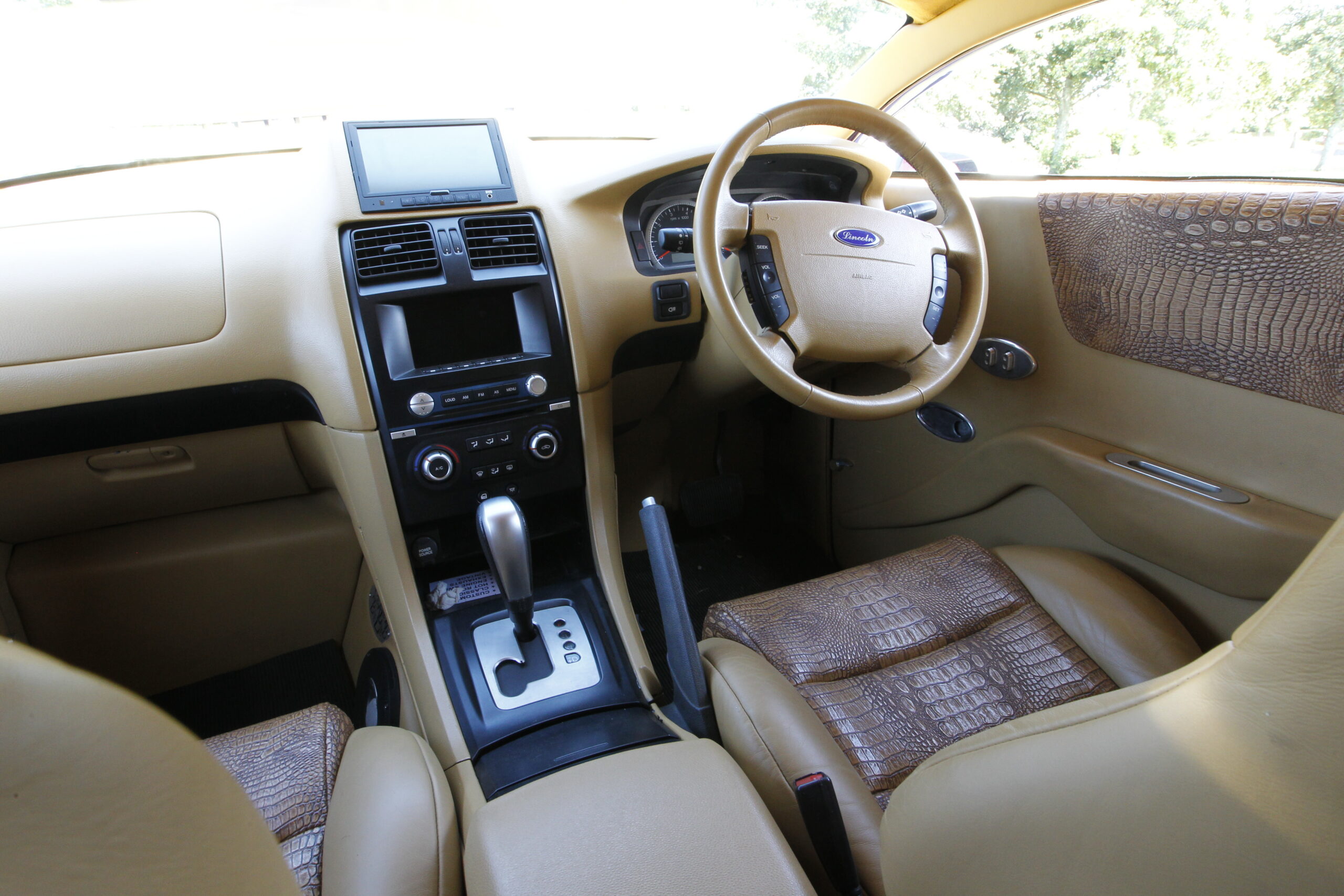
The original Lincoln was powered by a massive flathead V12, 276 cubic inch engine. The 2004 Ford Falcon engine he put in is a four-valve, double overhead cam V8 that develops 400 horsepower. He also used the ute’s modern technology such as the running gear (four-speed automatic gearbox), antilock braking system (ABS), air conditioning, power steering and electric windows and finished the job in 2010.
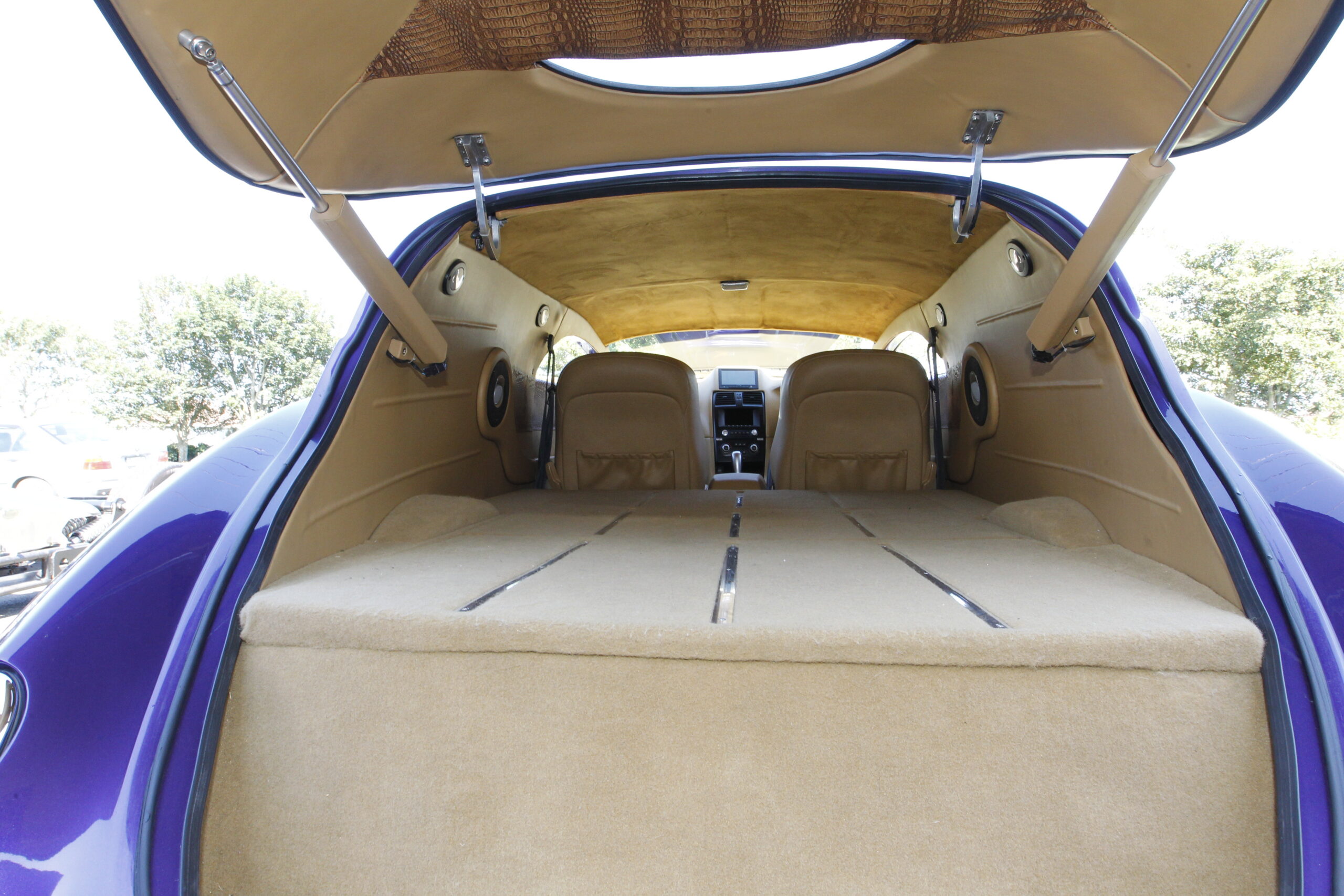
The completed hot rod is as long as a Cadillac and only 150 mm longer than the original Lincoln; it sits on wheels that are 17 inches in diameter x 8 ½ inches wide. The bonnet and big rear door are electrically operated and they open smoothly, slowly and quietly. Very cool. The upholstery is very smart, made with Porsche 911 leather with crocodile skin insets. There are no door handles to spoil the lines.
The car won first prize at the Kumeu Hot Rod Show in Auckland, reportedly the biggest classic car and hot rod festival in the southern hemisphere, and it also won a first at the Turangi Lead Sled Show, both big events in the hot rod calendar.
Dave said it handles like a dream on the road. “It’s not just a machine to park up and look at. I’ve done 12,000 kilometres in it and even took on SH 43 from Stratford to Taumarunui on the way to Turangi. It handled the gravel road beautifully.”
Dave said the car is insured for $250,000. It’s his pride and joy. The back is big enough to fit a coffin, and he said the car would be the coolest hearse around.
Mark III Zephyr
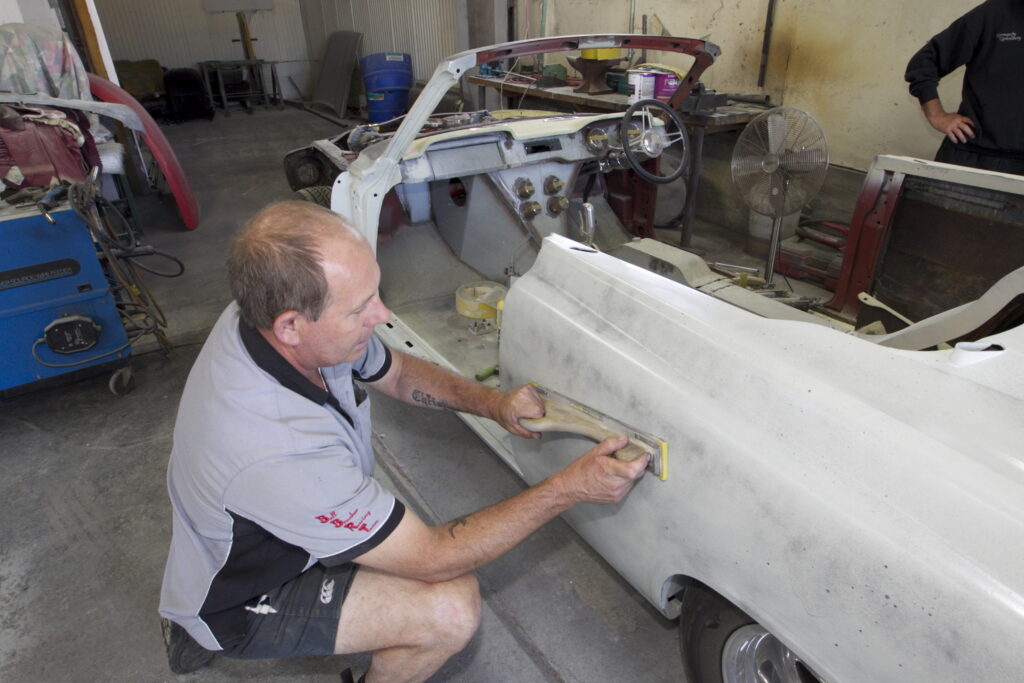
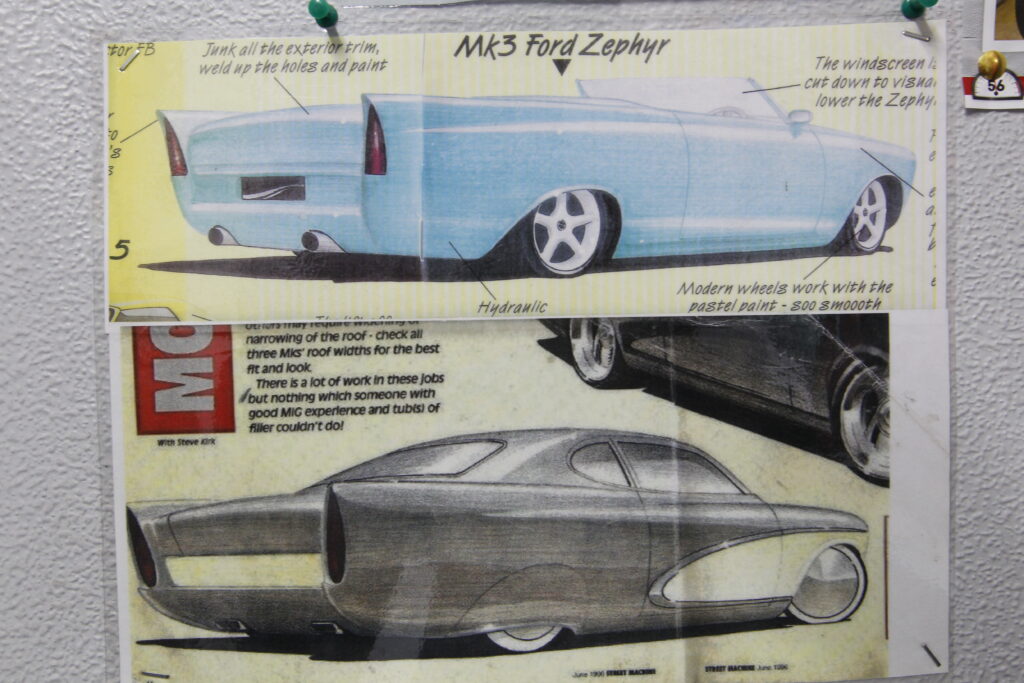
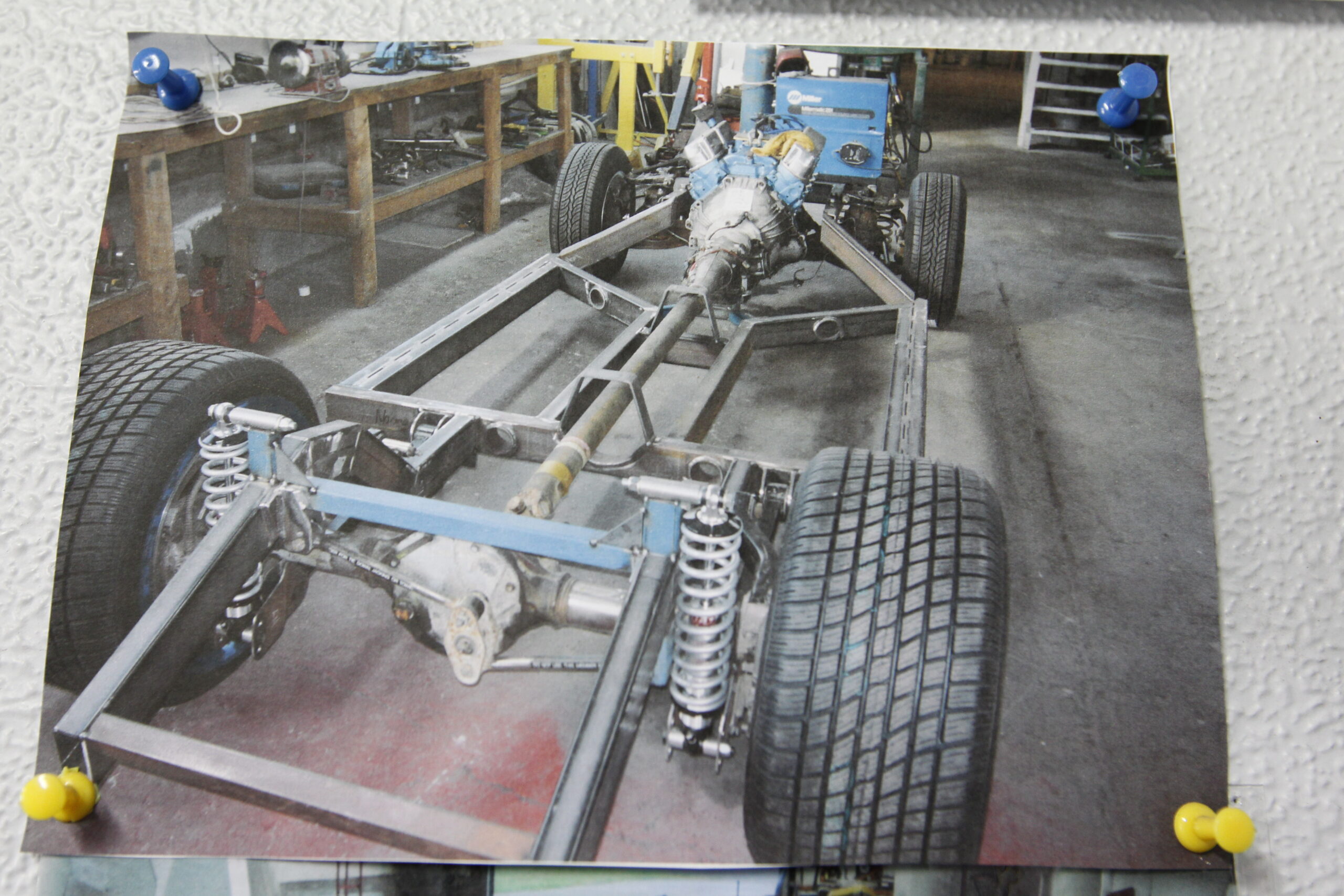
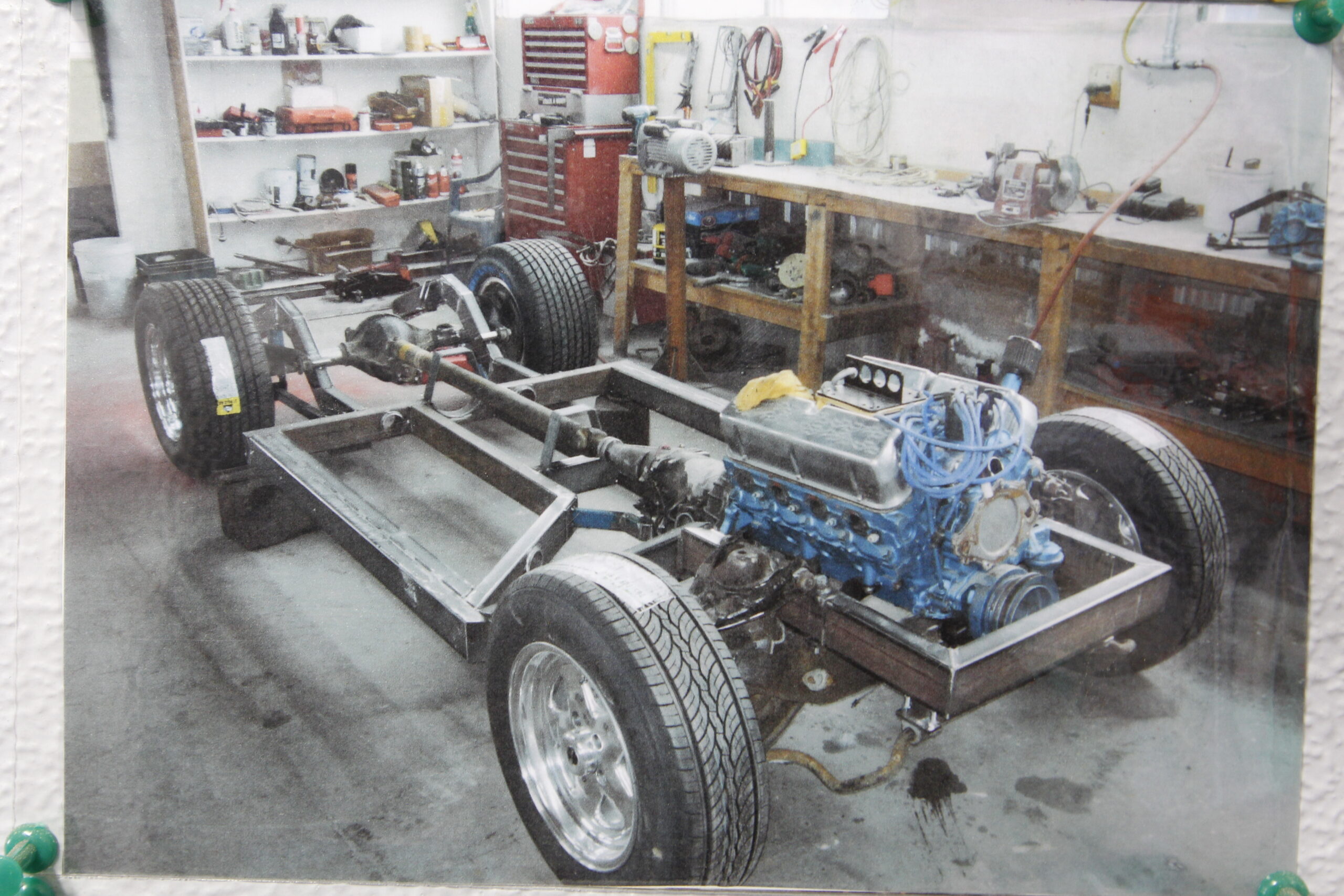
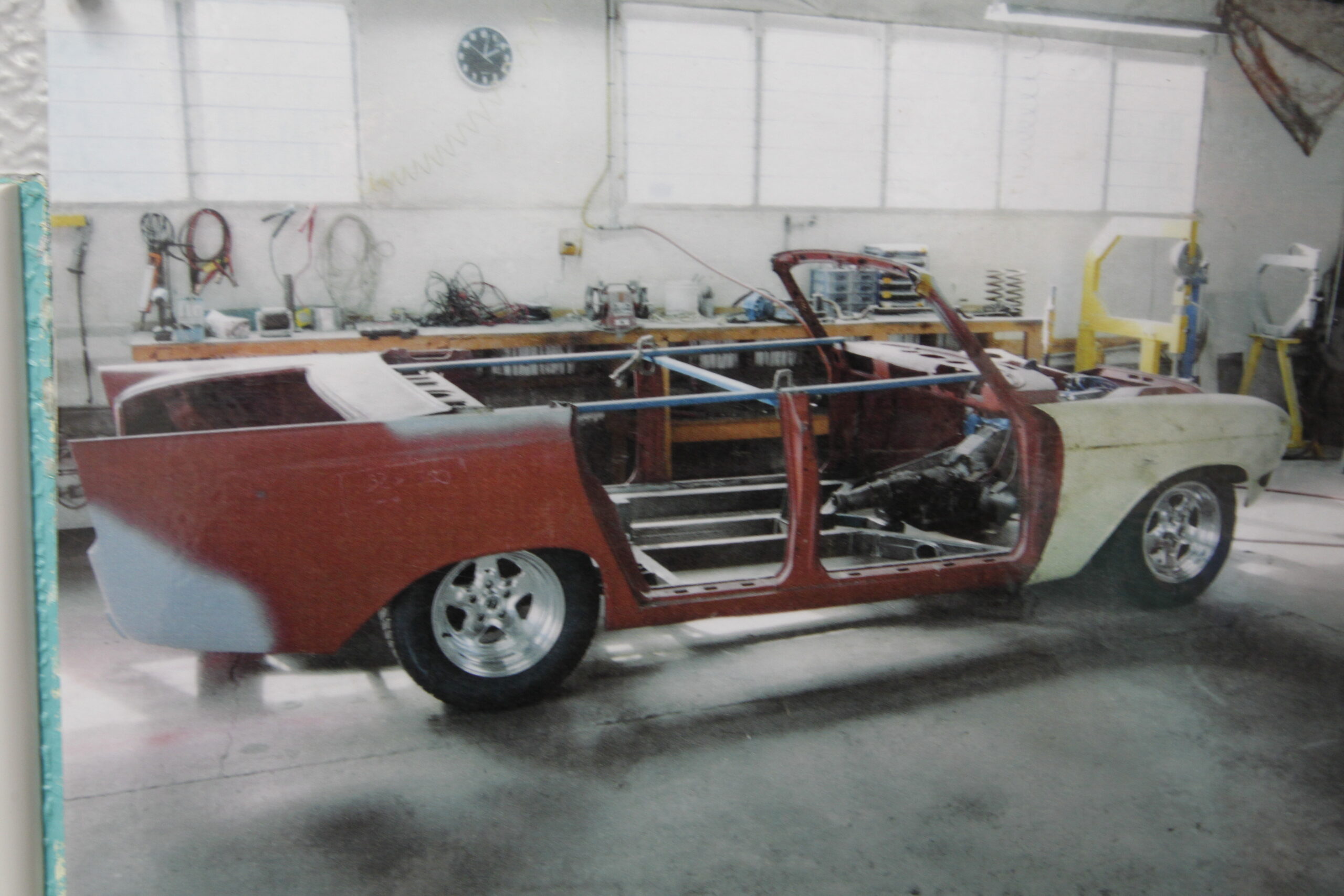
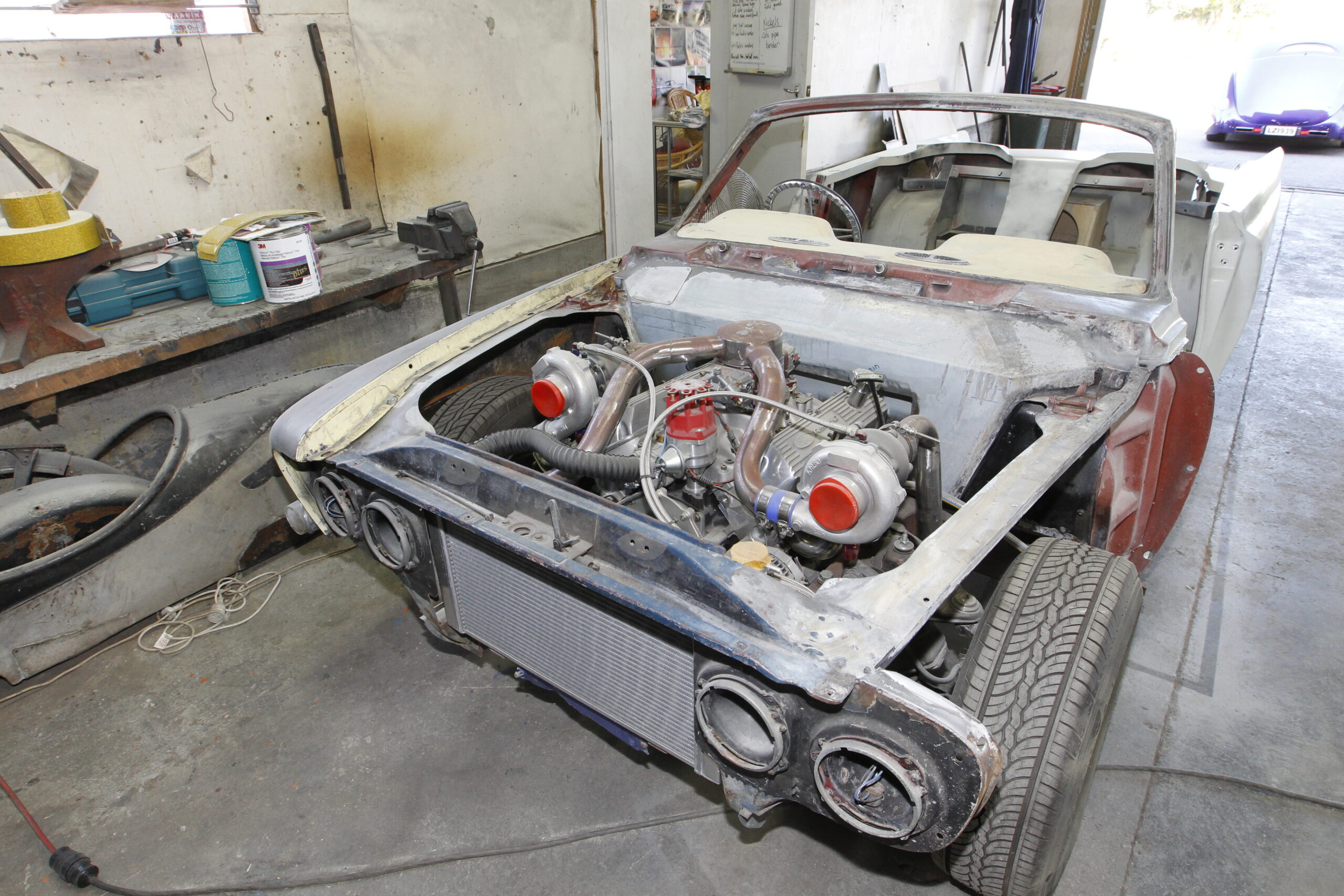
Dave and Colin then took us into the shop to see a work in progress. They are turning a four-door 1965 Mark III Zephyr into a hotted-up two-door convertible for its Opunake owner.
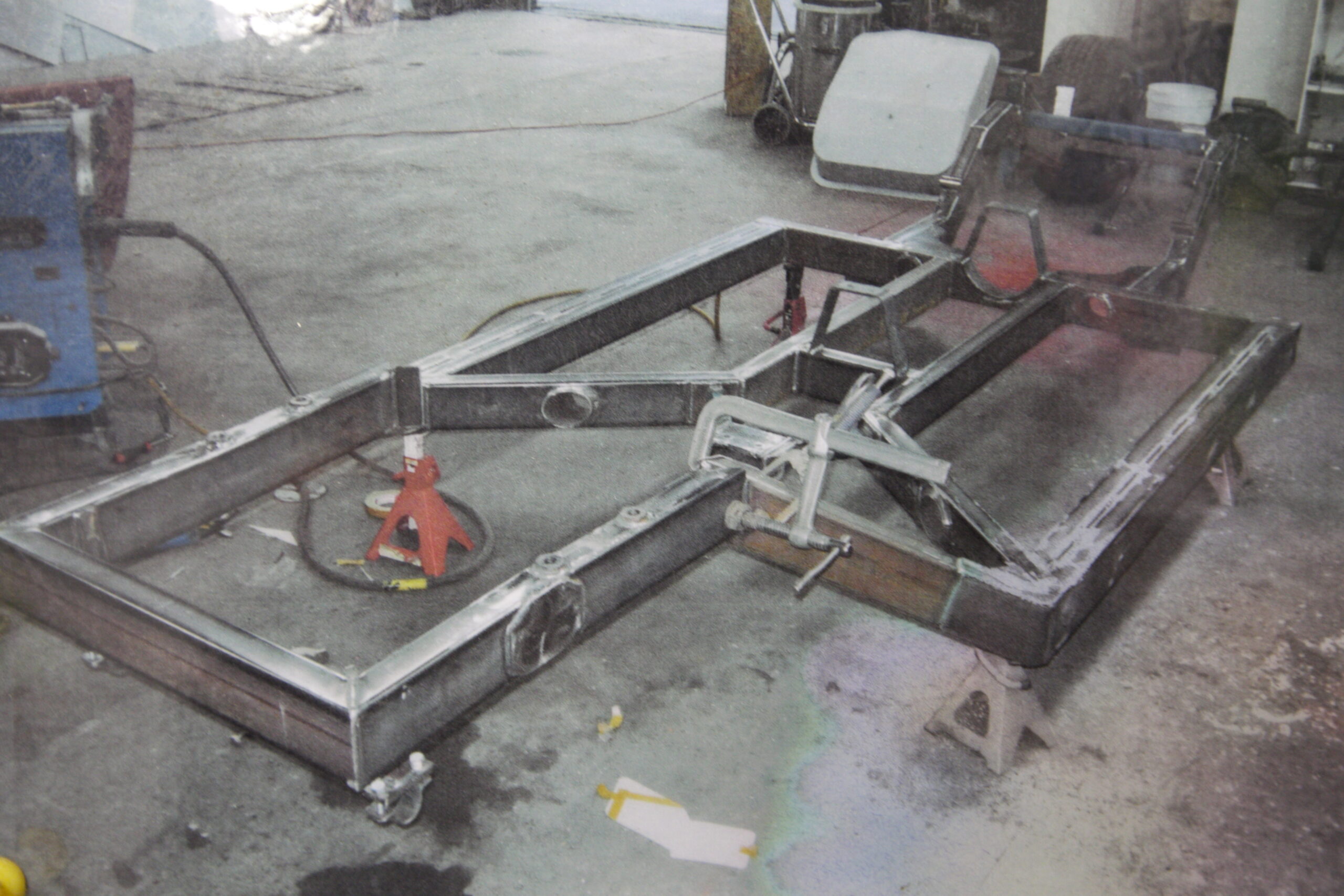
Colin has taken off the roof, which will be replaced with a Carson aluminium hard-top roof. A special chassis has been built with 100 mm x 50 mm box steel (doubled on the outside) to give the car strength after losing its roof, and this means the car won’t flex. “It also makes cornering very smooth,” said Colin.
The car has been lowered to 160 mm off the ground and the original 14 x 4 inch wheels replaced with Welds—15 x 10 inch on the back and 15 x 7 inch on the front.
Colin has welded in an all-new boot and floor. The back doors have gone, and half the back doors are welded onto the front doors to extend them. The wheel base and body length have remained the same.
The engine is a 302 Ford twin-turbo V8, just out of the crate, and will put out 450-500 horsepower. It has a C4 three-speed automatic gearbox, with a B & M shifter stick, milled from one piece of solid aluminium. The American company B&M Automotive Products was founded by Bob Spar and Mort Schuman (B&M) in 1953 and has since become the B & M racing and performance group and a pioneer in developing automatic gear shifters. Colin said the stick alone cost $1000.
New power steering and US-made TPI dashboard gauges have been installed. It has BA Falcon bucket seats, front and rear. Colin said this is a job that will take 18 months to complete. No hurry.
The big trike
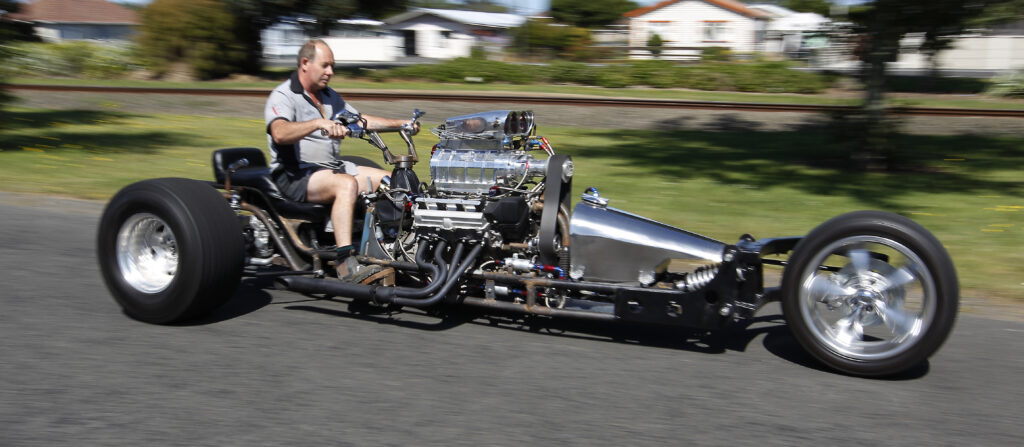
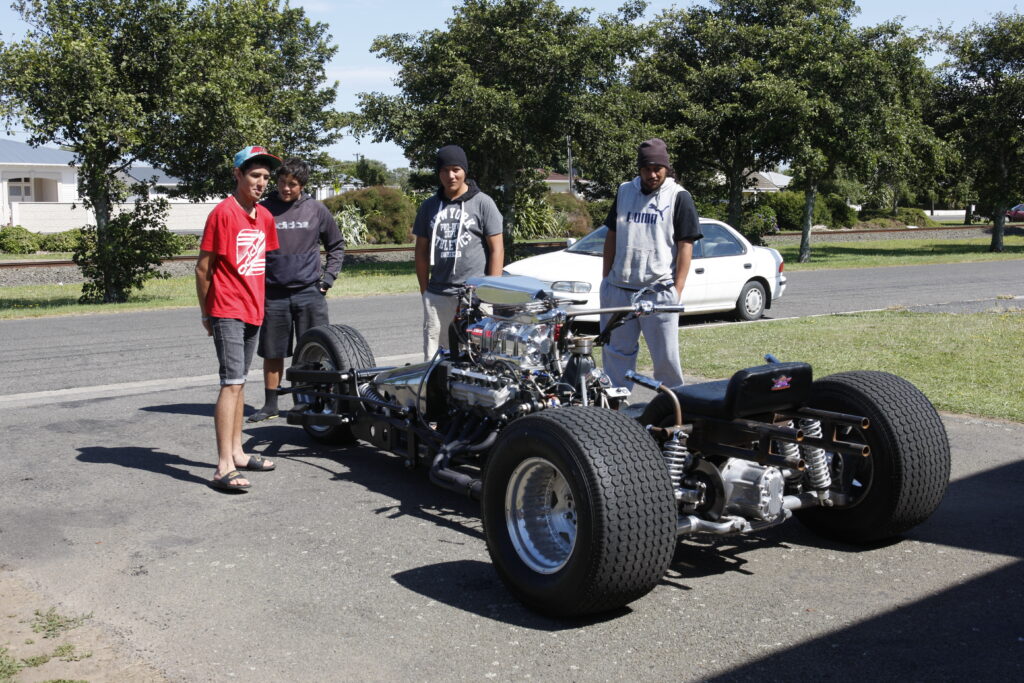
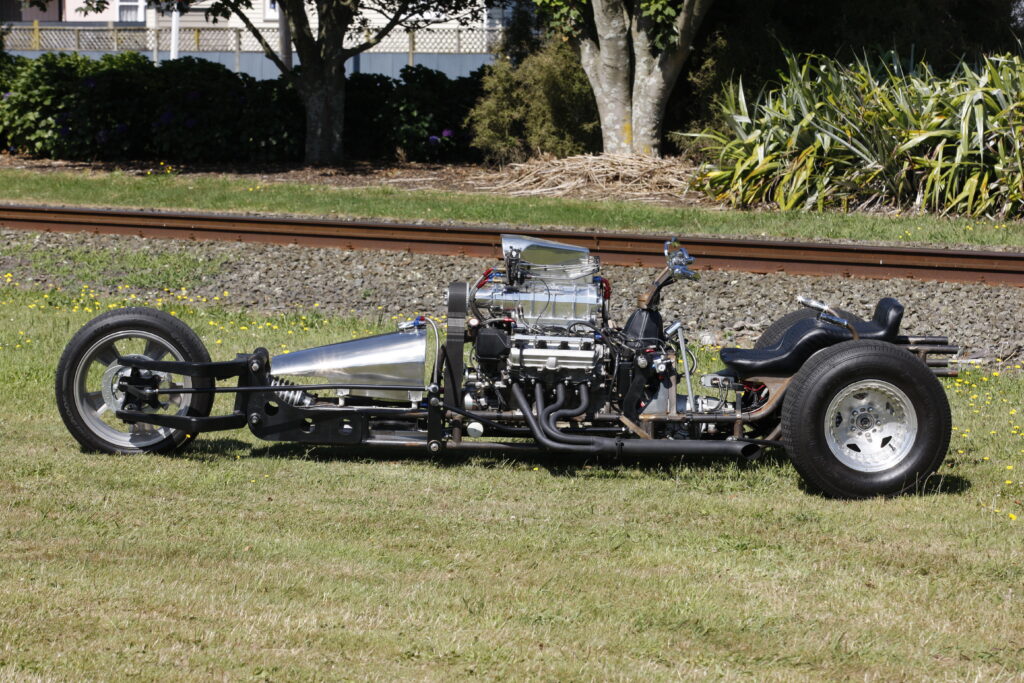
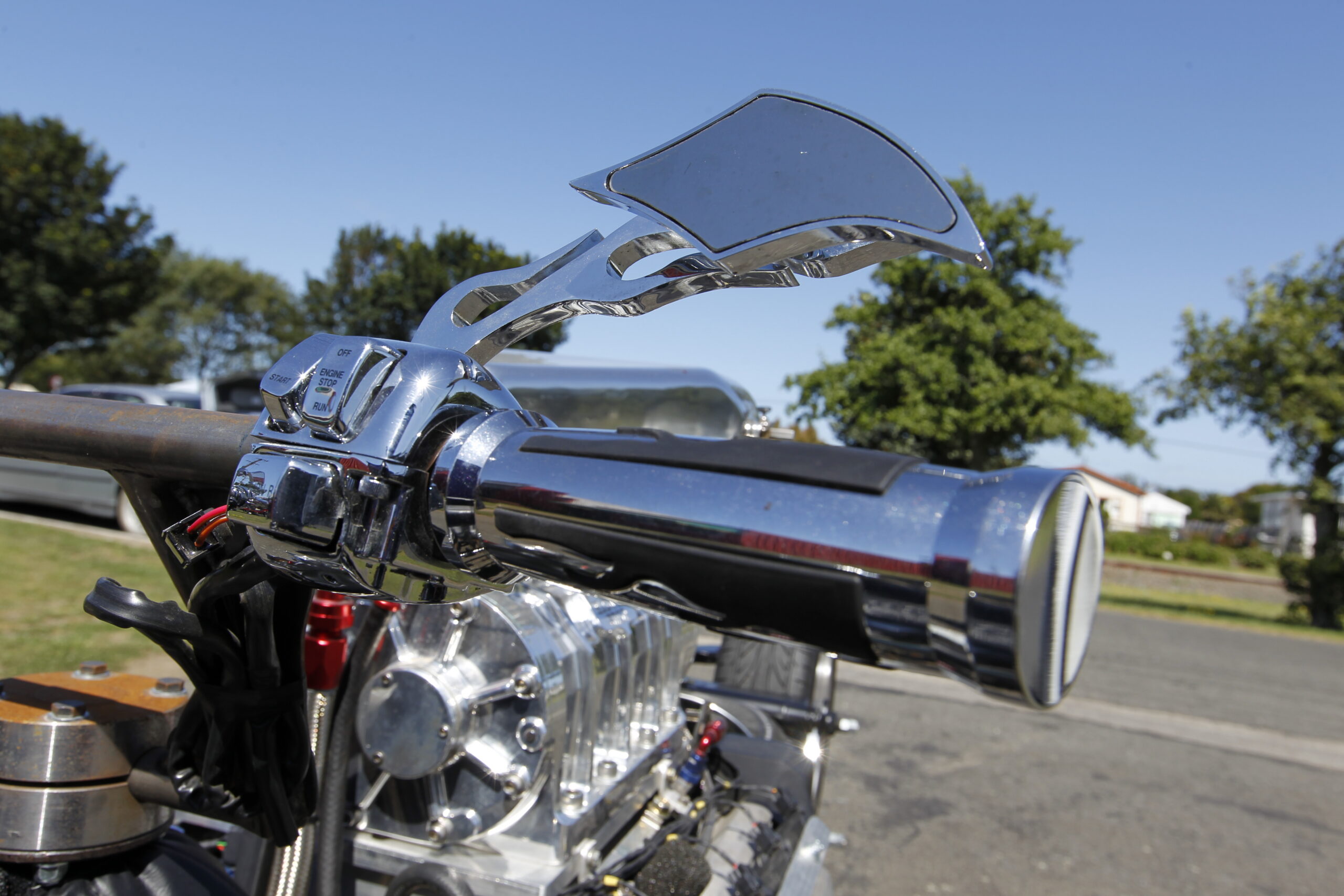
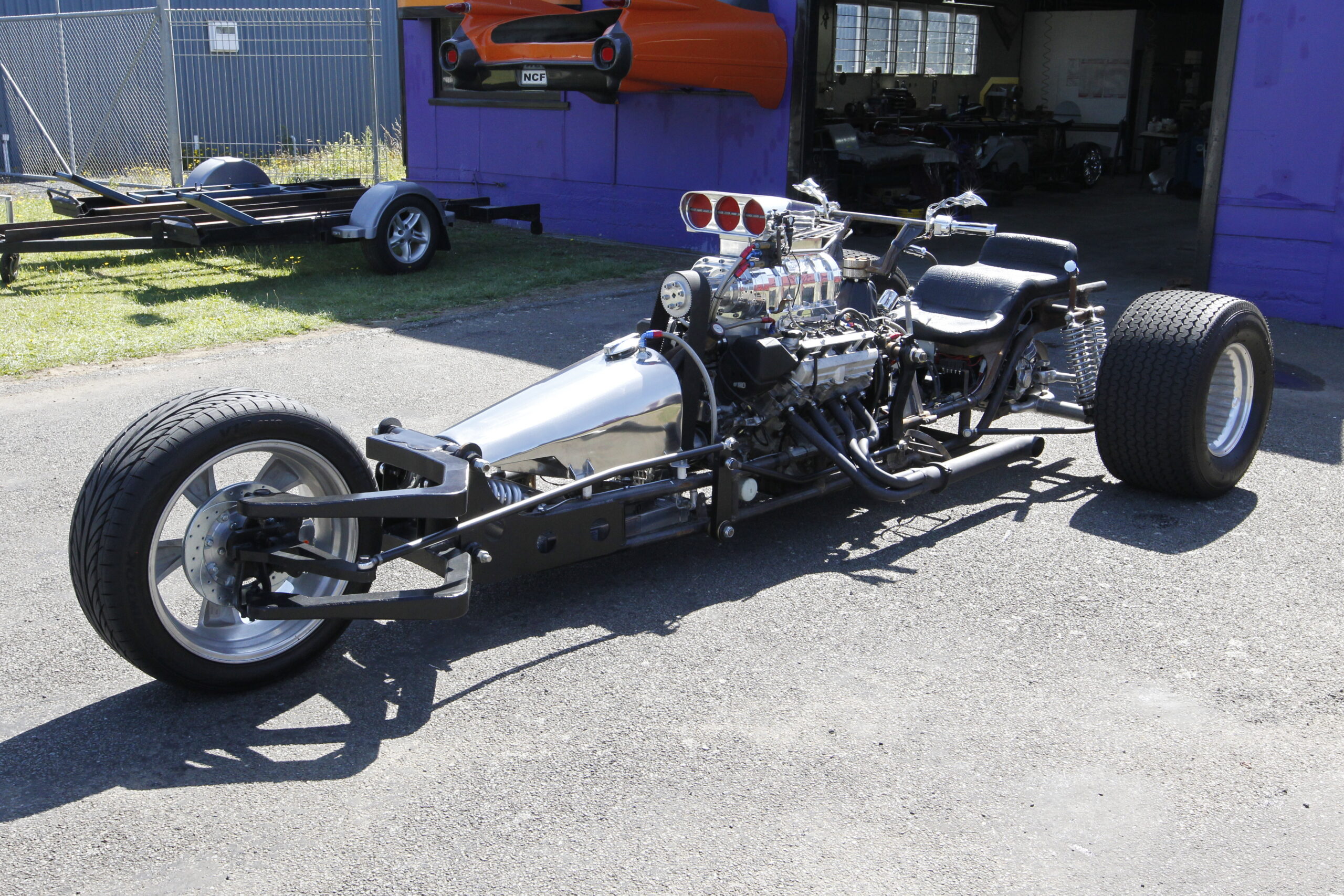
Another vehicle parked outside the shop that turns many heads is a big trike. A real big one at over 3.6 metres long and two metres wide, that even has a collector from the Middle East state of Qatar interested.
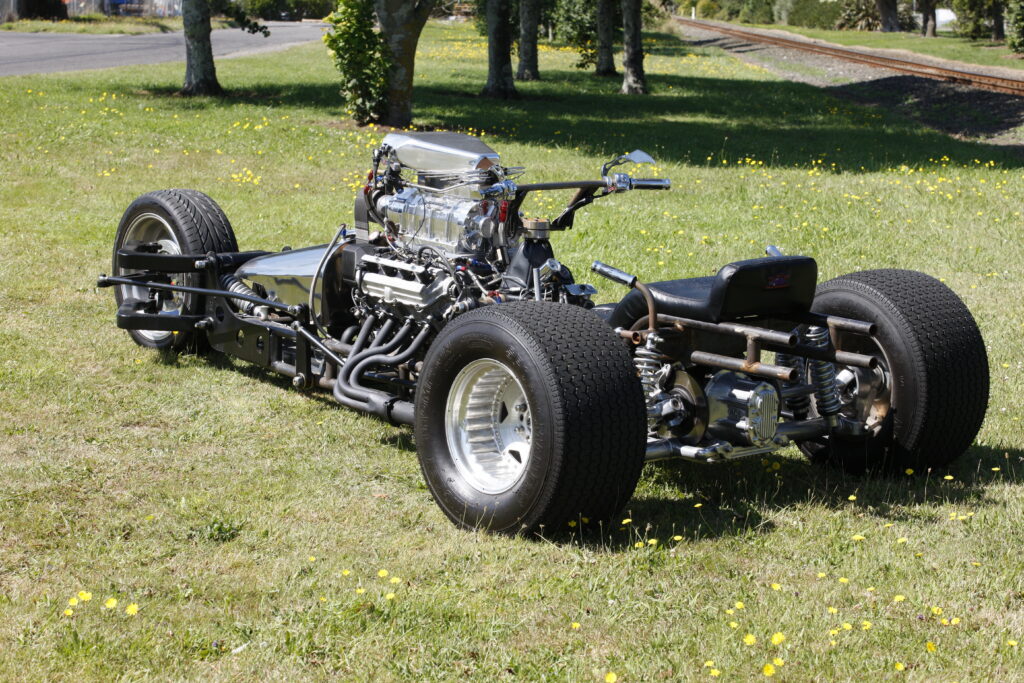
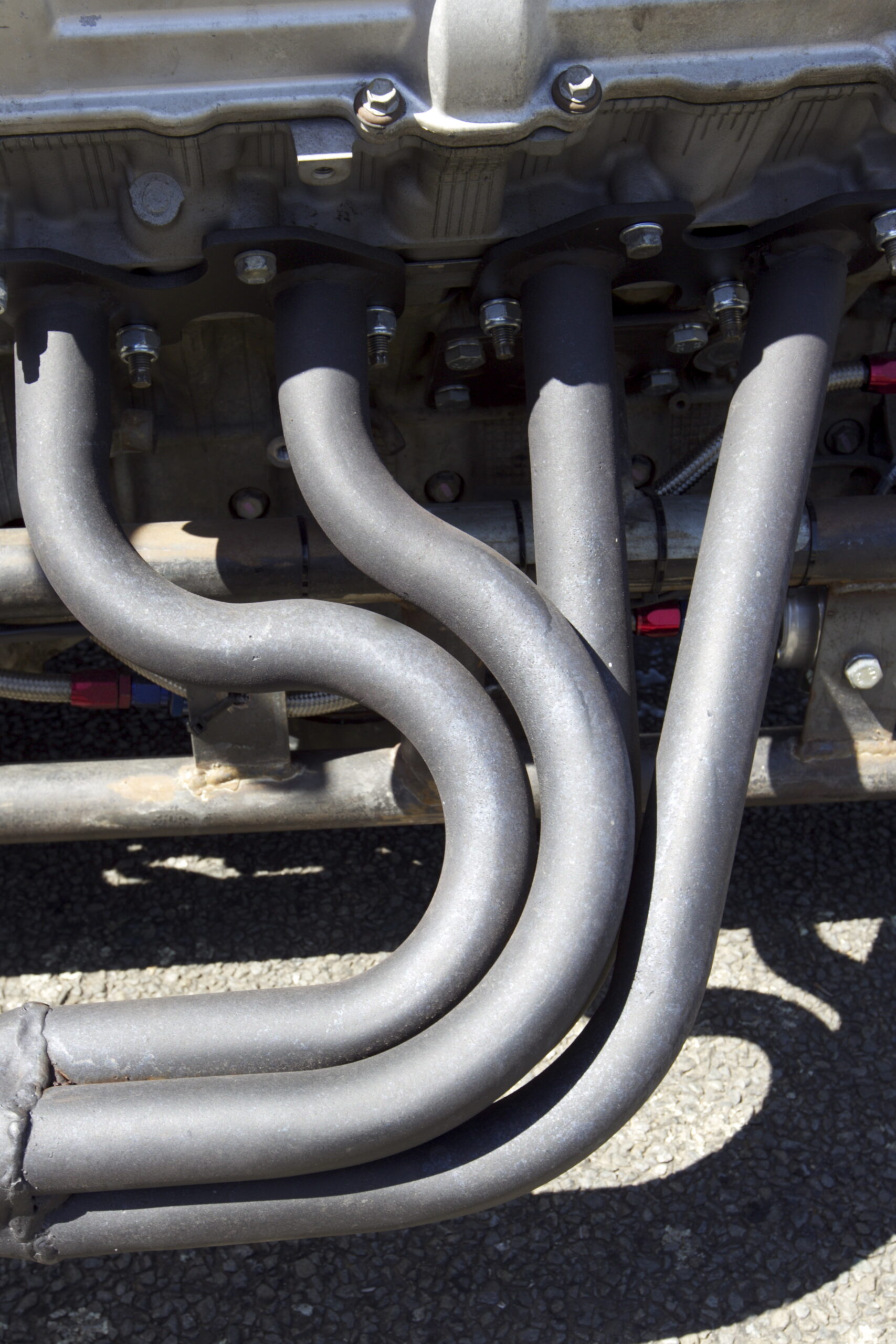
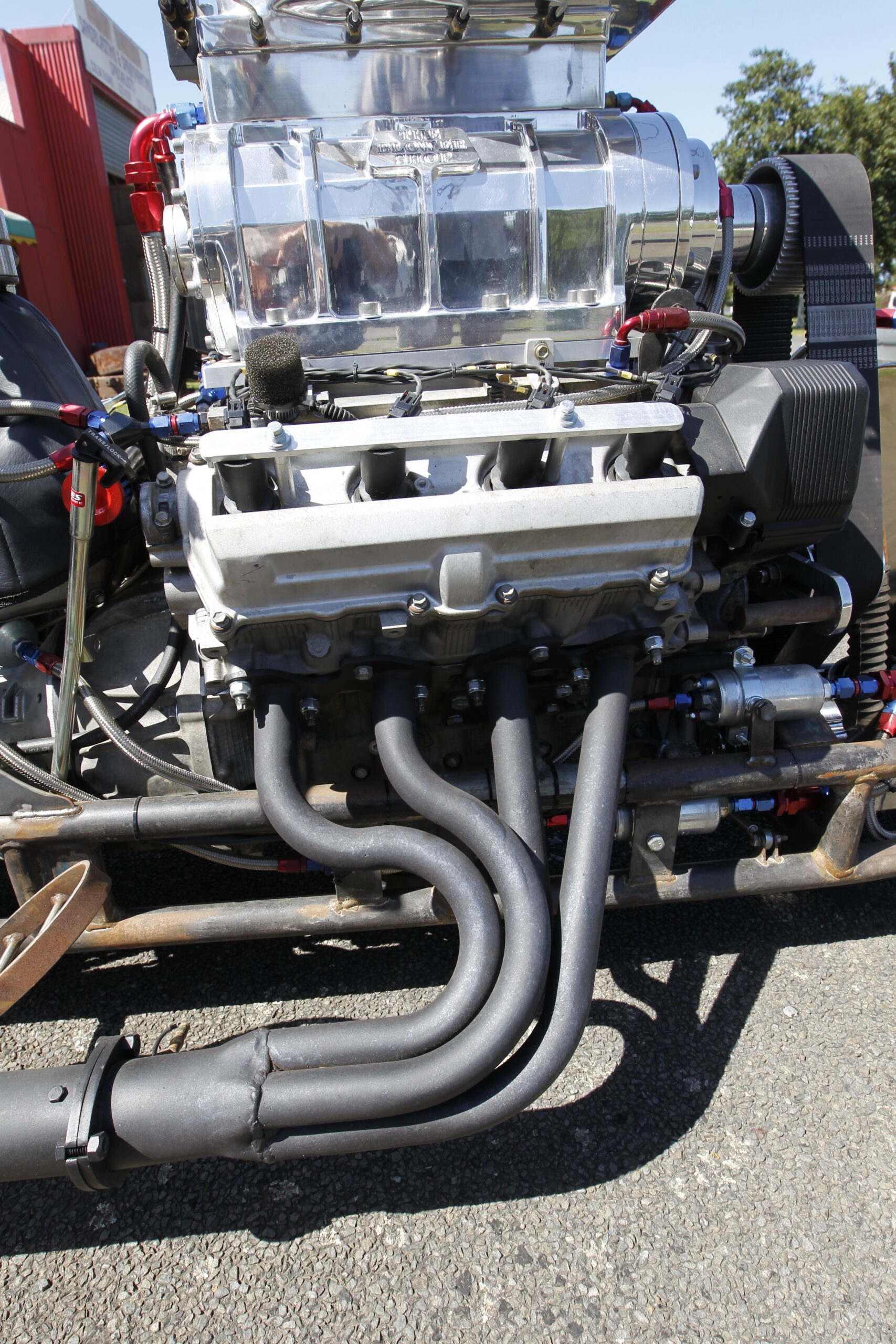
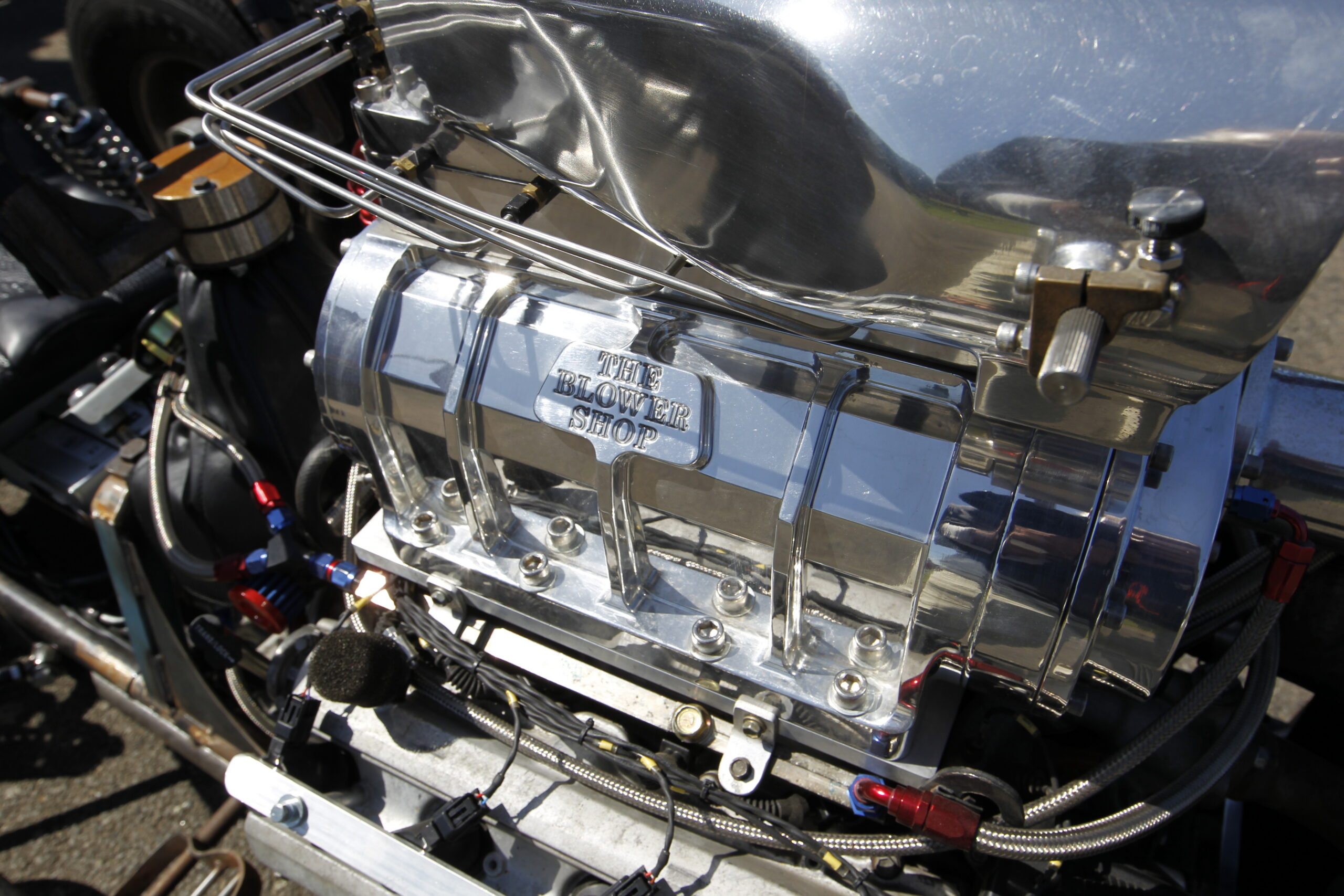
This custom trike is not your usual. No VW motor here; the power pack is a four-litre Toyota V8 Lexus engine with a 671 supercharger. Not really what an old lady would tootle off to the shop on.
Colin said they based the trike on a picture in a US bike mag and are putting it together for a Manaia customer.
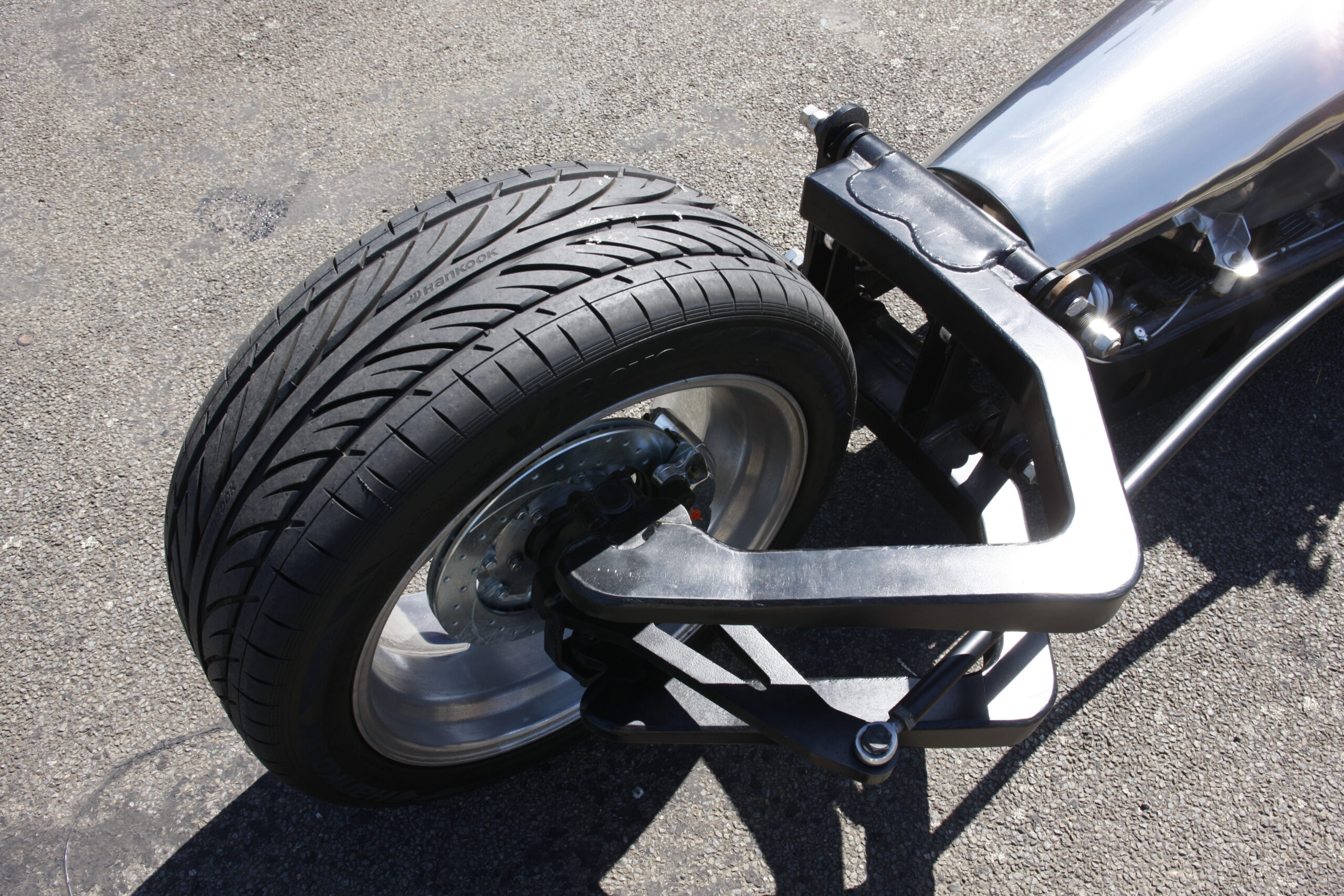
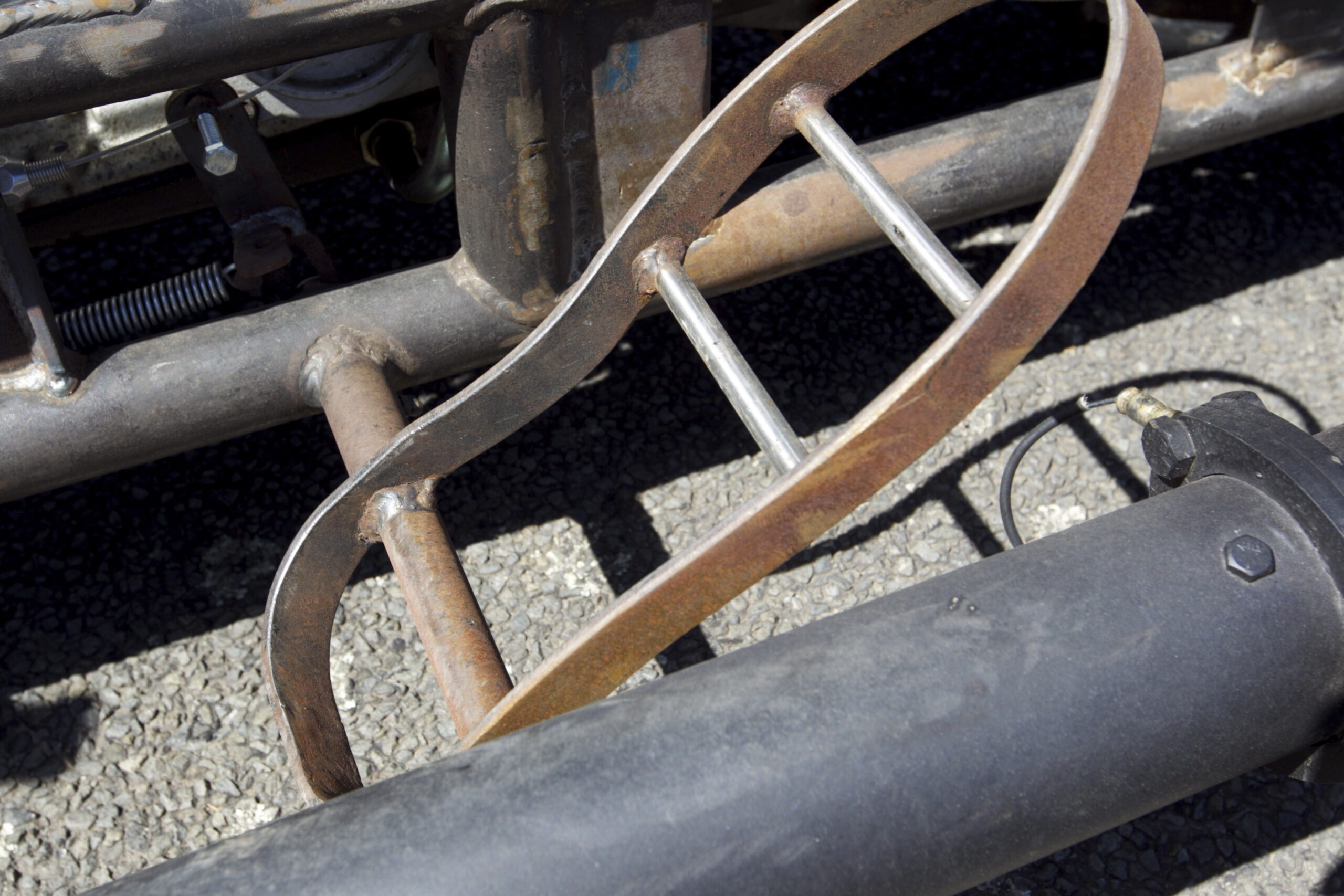
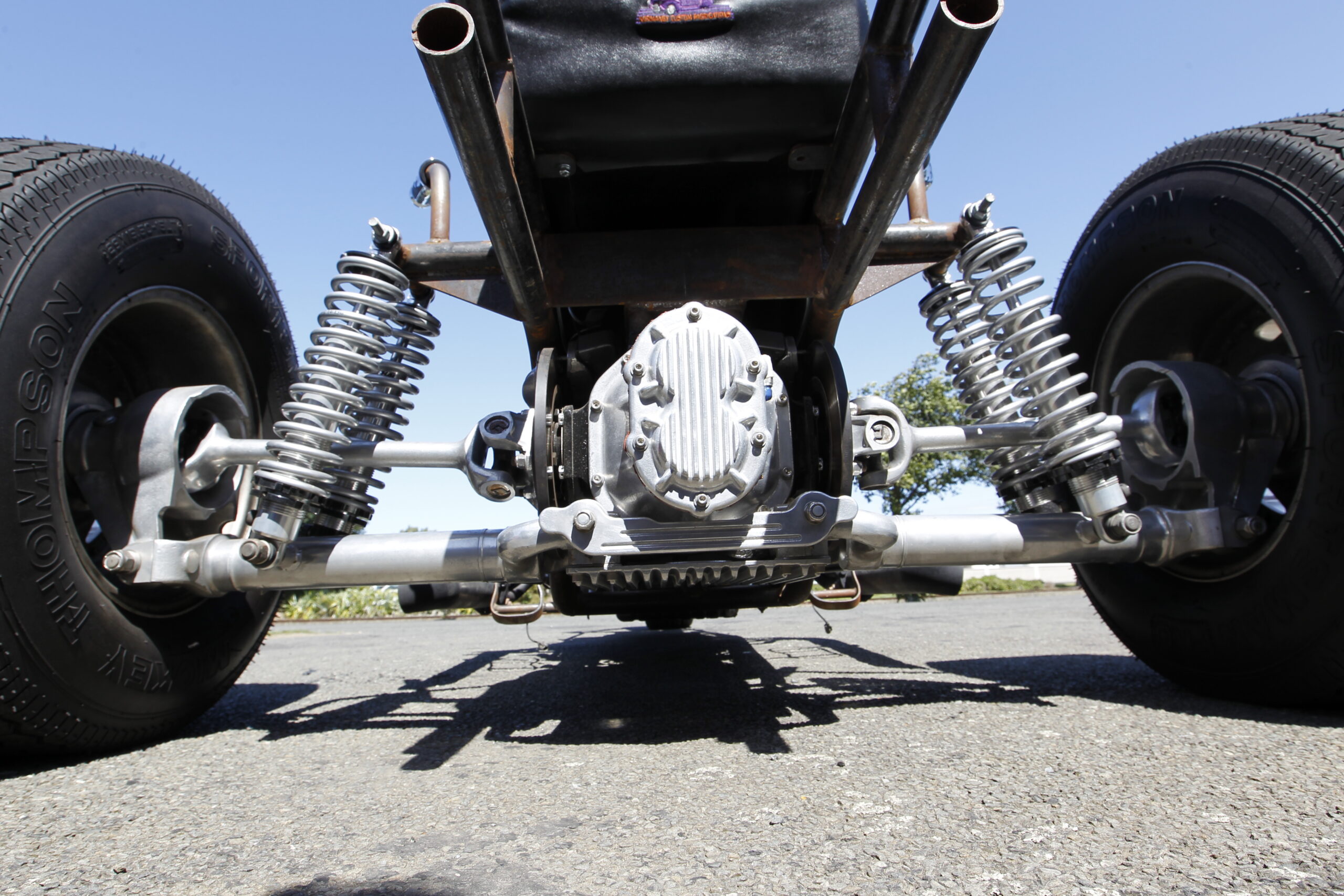
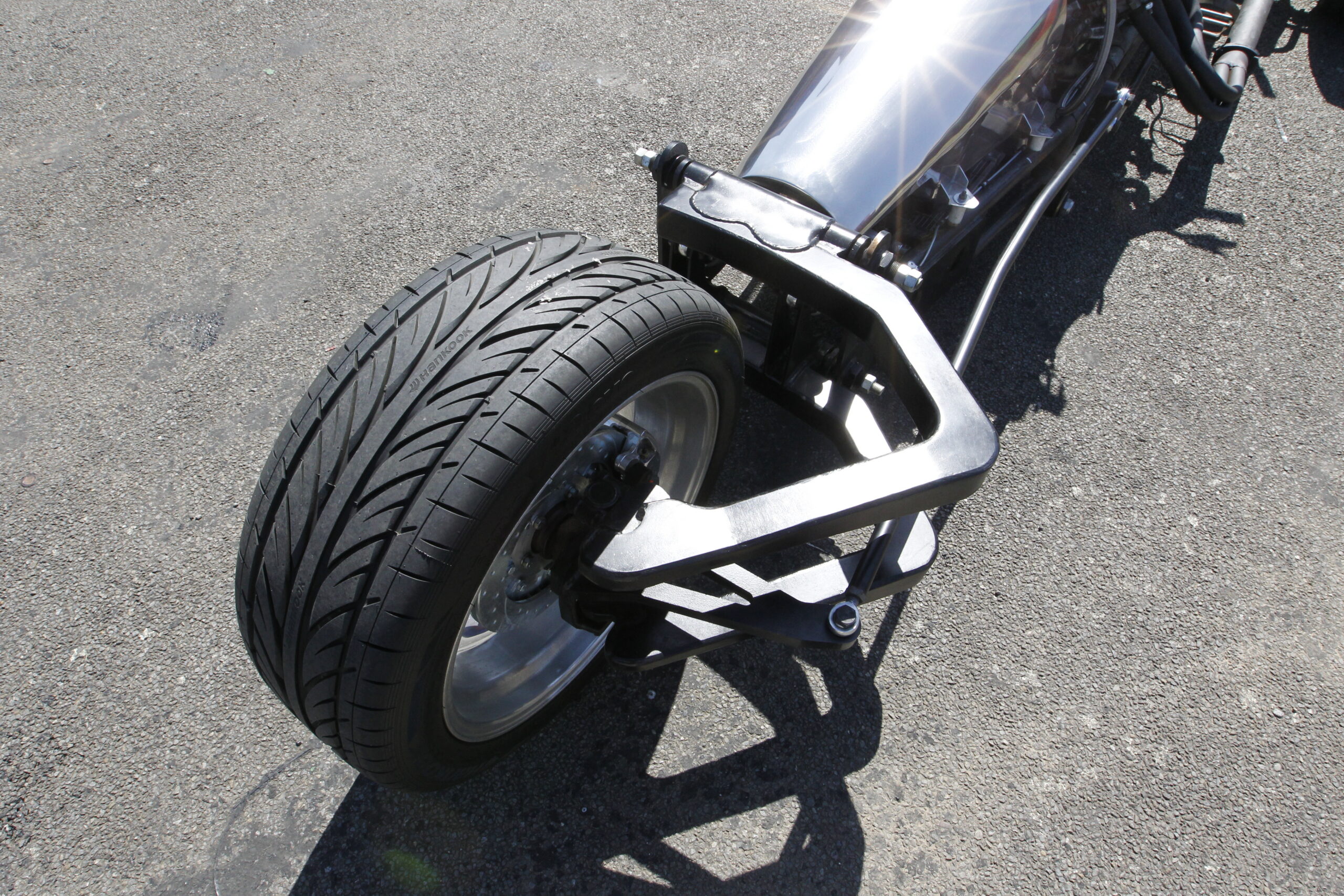
The first thing you notice is the front suspension because there are no traditional front forks. The guys have developed a unique centre-hub steering-and-suspension system.
Transmission is via a Ford C4 automatic three-speed gearbox, and the differential is from a Jaguar XJ6 with an aftermarket quick-change housing. The rear suspension is through 16-way adjustable QA1 shocks. There’s a stainless steel fuel tank, a custom-made aluminium radiator and computer-operated twin fuel pumps
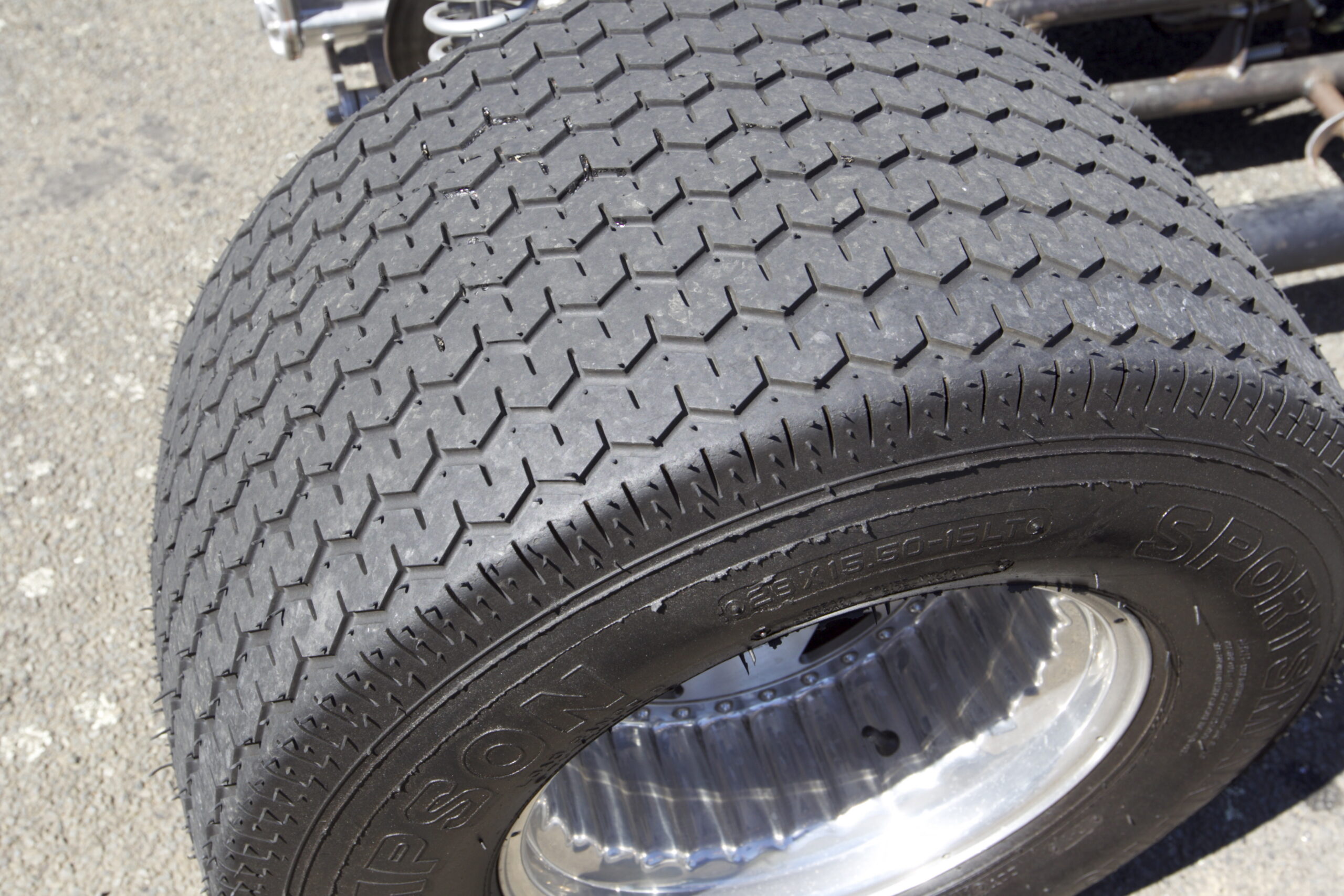
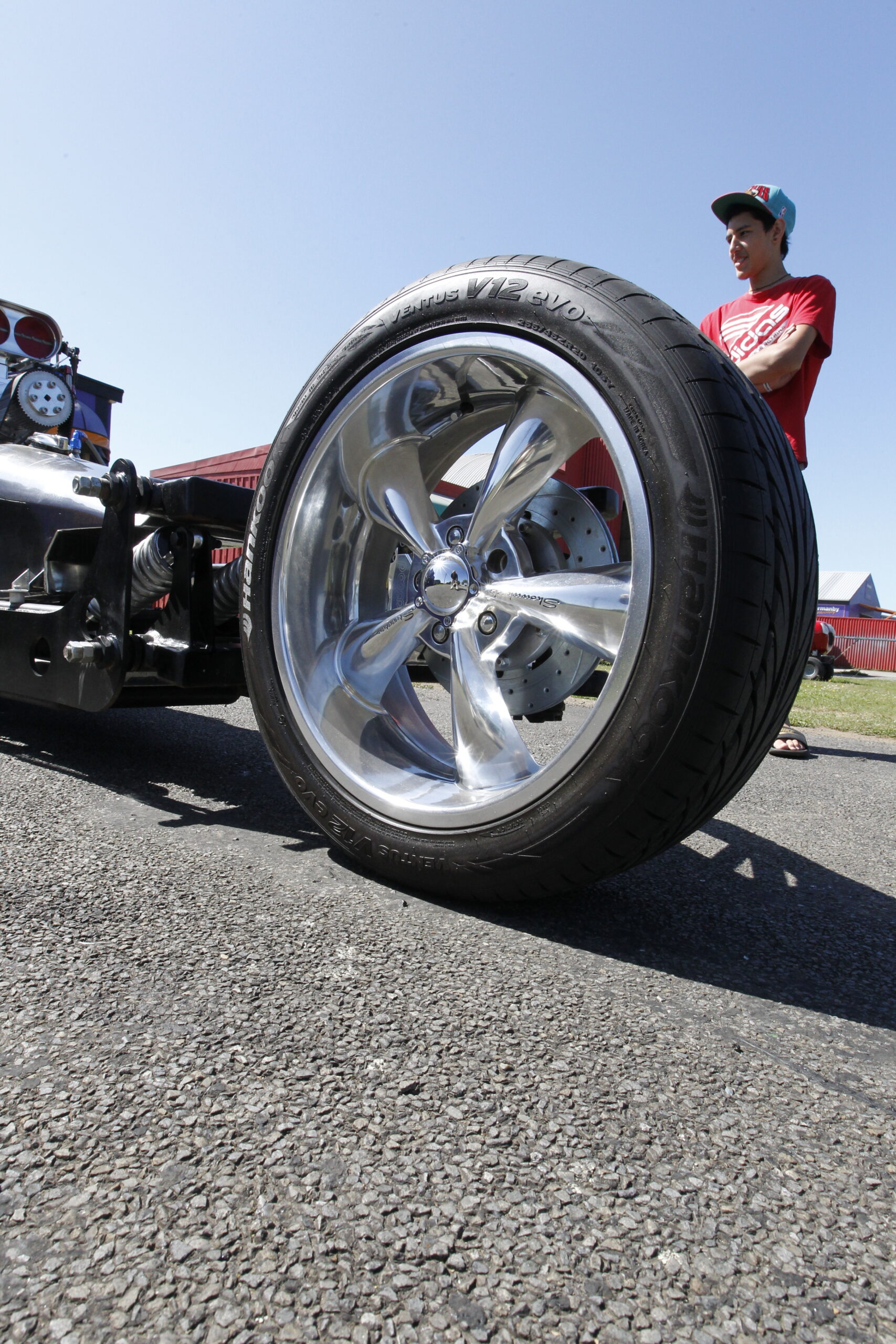
The trike sits on 15 x 15-inch wheels on the back and a single 20 x 8-inch wheel on the front. The front wheel has Wilwood disc brakes with a four-pot calliper; the rear brakes are the Jag discs on the axle.
Colin said the chassis is made from schedule 40 pipe, and an aluminium or steel body is still to come. The streamlined body will cover the engine and the front of the machine and give it smooth lines.
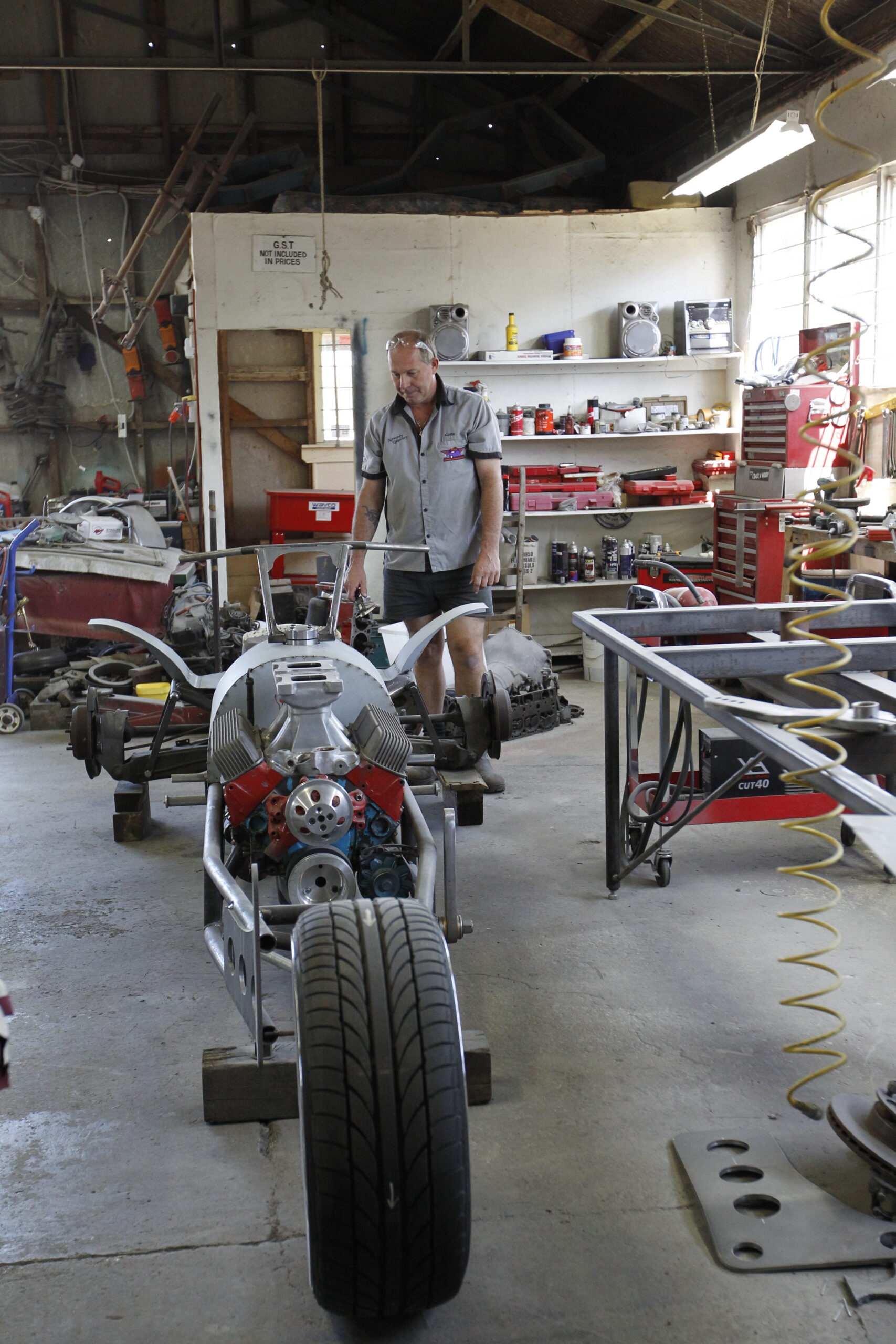
On the floor is another big trike, a work in progress. It is powered by a 350 Chevy V8 with a turbo and a 350 gearbox. It has the same dimensions, tyres and unique front suspension as the other trike.
Colin has been in the industry for 28 years. His father, Les, was a mechanic in Opunake, and he grew up mucking around with cars and motorbikes. “I guess I got the bug,” he says. “I enjoy classic cars, and hot rods are a real challenge. We do a lot of developmental work here. We learn something new every day.”
He spent 12 years as a panelbeater and a long time building truck and trailer bodies for the heavy engineering transport industry, including chassis building.
“What I really enjoy is making something different, and that’s what’s great about this job.”
He does his work with a Trupro lathe, a big Lagun milling machine, a Dialarc HF Cy50 TIG welder and his most used machine—a Millermatic 251 MIG welder.
Hot rods in NZ
In the mid-1950s in New Zealand, many hot rod fans took ideas from Popular Mechanics magazine articles on modifying cars and drag racing.
The NZ Hot Rod Association was formed in 1960, but by 1962, there were still only two clubs—in Auckland and Hamilton. North Shore followed, then Wellington and Hawkes Bay, yet by 1967, there were still only nine clubs in the country. Then things took off. There are now 90 hot rod clubs in New Zealand, which put on many shows and runs all through the year.
The New Zealand Hot Rod Association’s mission statement (http://www.hotrod.org.nz/About_Us.htm) says it “is dedicated to encouraging and enhancing its members’ participation and enjoyment of safe hot rodding and its related activities” and generally promoting the sport.
The local website explains how California’s sunny weather, long uncongested roads and dried-up lake beds encouraged early “rodders” to test their modified cars, easily recognised by a stripped-down, bare-bones appearance when early engine modifications were few (a milled head, a second carb and always an unmuffled exhaust).
The hot rod website says that NZHRA members constitute the largest group of special-interest and classic-vehicle owners in New Zealand. In recent years, many members have taken to restoring glamorous American models produced during the 1950s and ’60s as much as building the more-traditional hot rod based on pre-1949 American body styles.