
The Shed magazine October/November 2026 issue 129 on sale now
Accomplished sheddie Chris Gordon’s extensive shed work continues, but this latest project comes with a Ducatisti advisory warning: This article contains graphic images and descriptions of procedures that some Ducati fans may find disturbing. Reader discretion is advised.
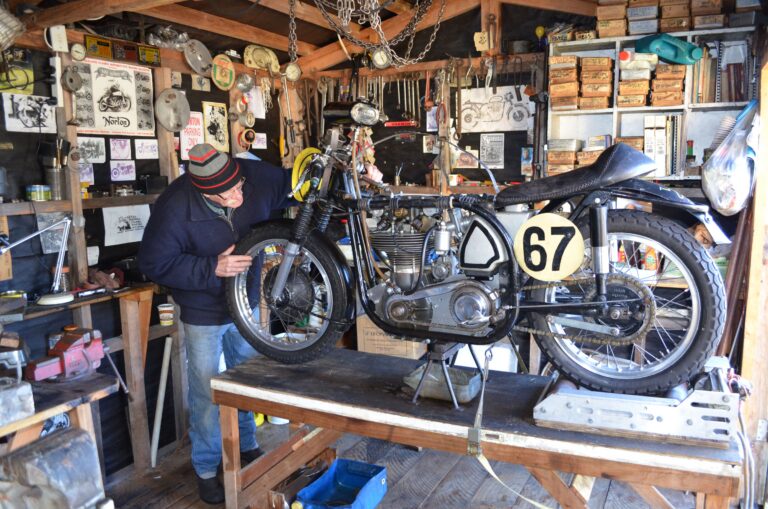
Chris wondered: with my previous projects completed, what to do next? Another motorcycle project would be good. I’d never done a café racer. The Gulf Racing livery was nice. What if I combine all of these? I say yes.
Consideration was then given to what base vehicle to use. By chance, a work colleague’s beloved 2001 Ducati ST4 Sports Tourer had recently suffered engine failure, leaving him stranded somewhere in the bowels of South Canterbury. Although the bike had been taken to a safe location, he couldn’t see a viable way forward for getting it back on the road.
It’s where?
Discussions throughout the week resulted in a deal being done, and then I was the proud owner. Slight wrinkle: it was in Woodbury, a small town just out from Geraldine, South Canterbury. A van trip south, and the bike was in my possession. During the loading of the bike in Woodbury, it became very apparent that this was a hefty beast. As I work alone, special considerations and handling techniques would be required to prevent further damage to the bike… or indeed, me.
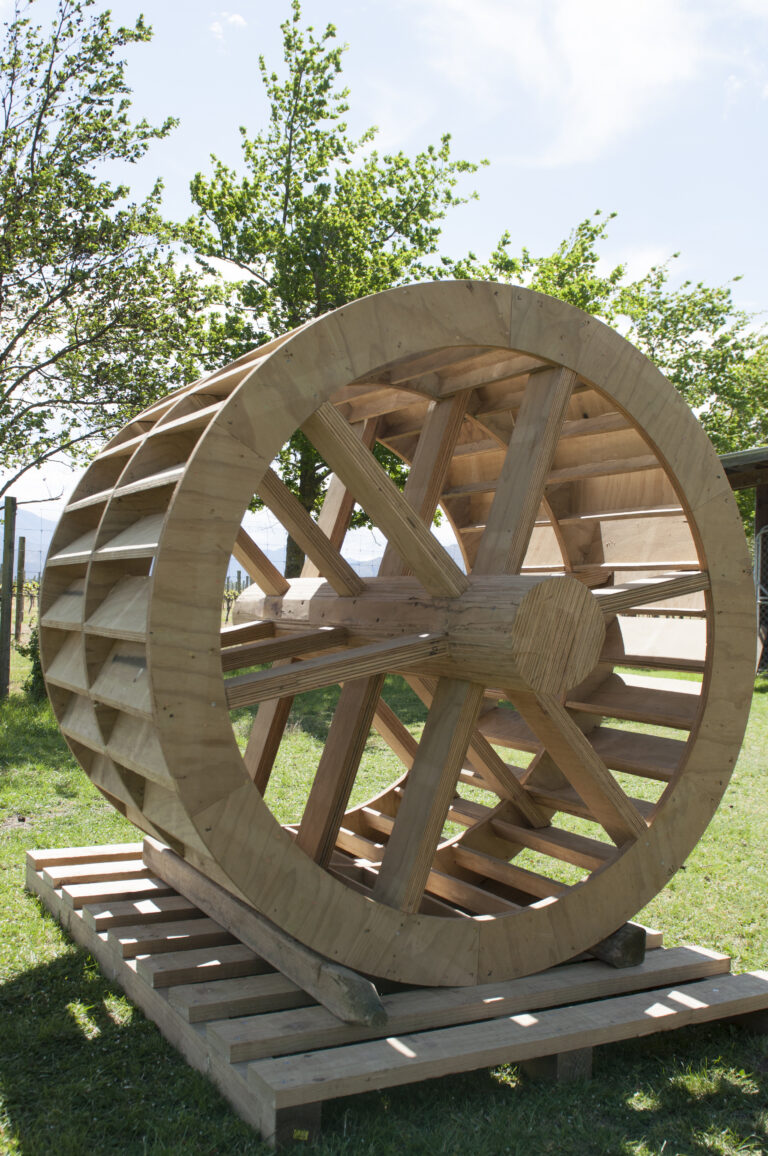
Turning back time – a waterwheel replica
When a Marlborough farmer with a passion for history took to his stream with a digger, he knew what he was looking for and came up trumps. John Walsh, of Woodbourne Farm, near Blenheim, was searching for remains of the waterwheel that powered the province’s first flour mill in the mid-1850s.
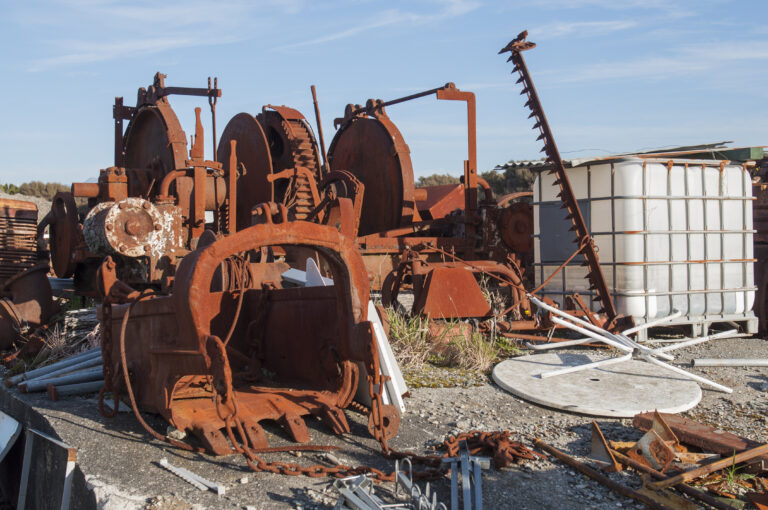
The concrete weir, although breached in a couple of places, was still standing on the Mill Stream, along with rusty debris from the metal operating system. The waterwheel itself had rotted away, save for two blades (or paddles) and a portion of the rim, but when John went digging below the weir, he unearthed the wheel’s wooden hub virtually intact.
“There was enough left to make a pattern from which to build a replica,” says John, who runs a private museum on the property, Woodbourne Homestead and Historic Farm, which is a NZ Heritage-registered site.
The waterwheel had been built for the original landowner, Henry Godfrey, by the Barton Brothers, who were early bridge builders in Marlborough. “These structures were built by the finest-quality tradesmen,” says John. But despite the workmanship, the water-powered mill operated for less than two decades, closing in 1873. Unlike the gentle streams of England, the meandering Marlborough creek could turn from a trickle to a torrent in a matter of hours. “It wasn’t a hugely successful site,” says John.
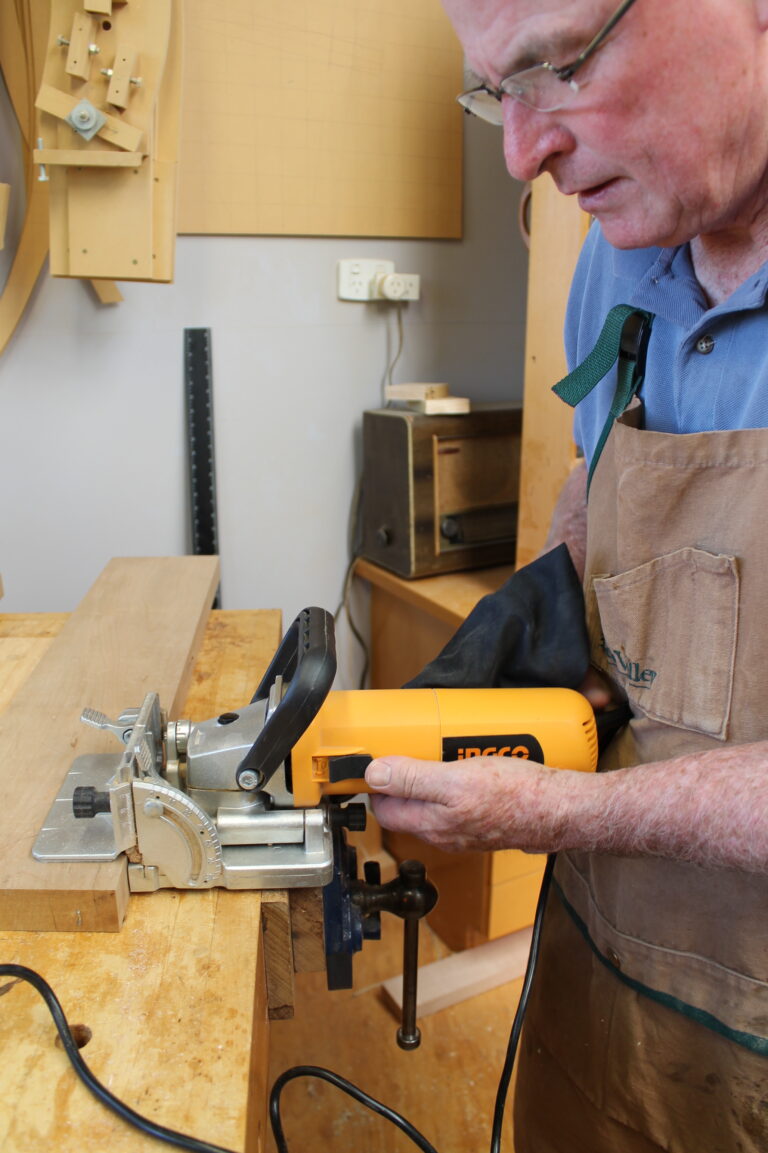
Create a classy TV stand
This television stand has been designed for a flat-screen 32-inch television and has also been designed to be made with minimal tools, enabling the weekend warrior/hobbyist to make it in not much more than a day. You certainly do not need advanced skills to make it. To complete it in a day, the glueing up of the timber will need to be done the day before, and obviously the stain and varnish will need to be done over several days.
While I have the equipment in my home workshop to machine the timber, I want to stress that this television stand could be made in the home workshop or garage with little in the way of tools. For example, you could ask the timber yard to dress the timber for you (you might even find the sizes you require already dressed at the big shed DIY stores), and all the cutting could be done with a handsaw.