Video of the Ghent Makers Faire

For our electronics features in issues 110 and 111 of The Shed magazine we stepped away from a build project and instead head to a makers’ fair in Europe, this one in Belgium. Young and old were there, keen to display their electronic creations as well as to learn, share and to just enjoy fellow electronic sheddies’ skills. “Compared to other more famous maker faires events across Europe – Brussels, Rome, Hanover, to mention just the most renowned – the Ghent Maker Faire is considered a minor event. However, it still played host to thousands of visitors and is well worth attending because of its very special character. As you may have already read in the “News” in The Shed issue 109, the faire hosted the first European power tools racing along the lines of New Zealand and USA competitions. It was organised by the effervescent Henk Ryckaert, who was also the man behind the scenes for the power tools racing on the first day.”
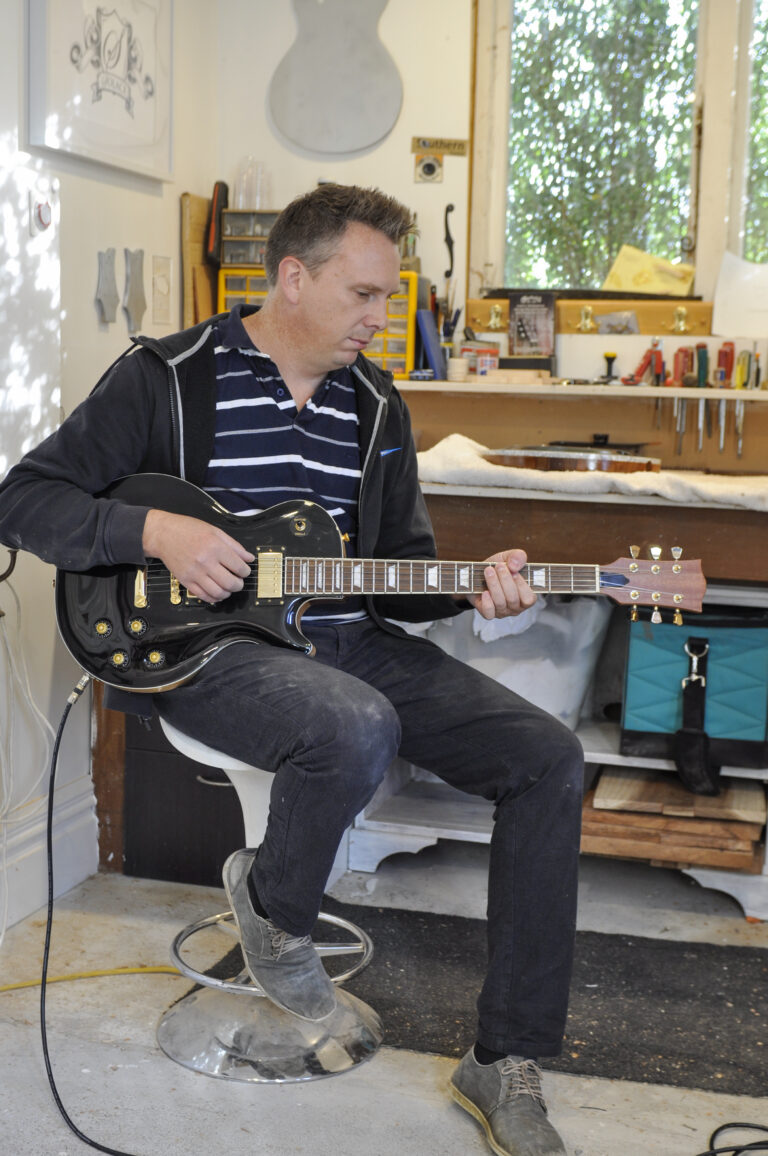
For our electronics features in issues 110 and 111 of The Shed magazine we stepped away from a build project and instead head to a makers’ fair in Europe, this one in Belgium. Young and old were there, keen to display their electronic creations as well as to learn, share and to just enjoy fellow electronic sheddies’ skills.
“Compared to other more famous maker faires events across Europe – Brussels, Rome, Hanover, to mention just the most renowned – the Ghent Maker Faire is considered a minor event. However, it still played host to thousands of visitors and is well worth attending because of its very special character.
As you may have already read in the “News” in The Shed issue 109, the faire hosted the first European power tools racing along the lines of New Zealand and USA competitions. It was organised by the effervescent Henk Ryckaert, who was also the man behind the scenes for the power tools racing on the first day.”

Share:

More Posts

All hands to the tanks

The call goes out. The volunteers pour into the military camp at Waiouru in the centre of the North Island. The only war, though, is going to be on rust, handbrake cables,
driveshafts, seized brake systems, the battered cylinders of tank engines and the ongoing tussle to turn out new truck engine parts.
Here is a group of willing sheddies who meet about once every six weeks under the keen oversight of George Pycraft. Their job: to continue repairing the heritage vehicles of the Army Museum at Waiouru.
Their “shed” is a group of four storage sheds housing 85 vehicles in various states of repair. They are as diverse as tanks, the 24-tonne M41 Walker Bulldog, the Centurion, and Valentine tanks (the latter still in World War II Pacific theatre camouflage), a 1941 Canadian Pattern Chevrolet gun tractor, an MB Jeep still wearing its 1942 Long Range Desert Group livery, an M113A1 Armoured Personnel Carrier (APC) painted in UN colours and of the type used in Bosnia, a 1943 Ford F30 truck, a 39-inch searchlight and an M816 recovery wrecker truck made by American Motor Corporation in 1969.
Pycraft, the museum’s Assistant Curator – Technology, says with the help and dedication of the museum’s volunteers they are slowly coming closer to having a complete running collection of heritage vehicles.

A weighty subject

One problem with working alone in the shed and having a liking for large pieces of Victorian cast iron is the difficulty of safely moving or lifting them.
They can be moved with load skates and pipes as rollers, but how do you lift the weight onto the rollers? Trying to push down on a crowbar while arranging pipe rollers under a machine is inviting trouble. A toe jack allows you to lift and hold the weight in the air as you arrange the rollers and put in safety blocks. It is not intended for great weights or high lifts due to stability, but it allows you to lift the weight.

From armour to fighter

An unassuming garage in the Hunua Ranges south of Auckland is the current shed of Gordon Turner and home to his latest project – a full-sized replica cockpit of a Messerschmitt Bf 109E fighter plane. Made from plywood, timber and aluminium and five years in the making so far, it will never take to the skies. But it is eventually intended to become a flight simulator, giving the ‘pilot’ a realistic experience of flying one of World War Two’s most famous aircraft.