Can you open the right door for someone near you?

In the good old days, kids who had an aptitude for trades or technical subjects would discover this at school in woodwork, metalwork, tech drawing, and the like. They would then move into apprenticeships. Today, many trades today are crying out for new entrants. Many youngsters have had a non-stop diet of academic study so they may have no idea they could have great hand skills and a promising career in a trade. It’s up to us to spot that talent and steer them in the right direction.

You may think that most old dogs know enough tricks already, but this article about trade training is aimed at the pups in your family or neighbourhood


430_4402.jpg

This is your opportunity to connect someone who may have a hidden talent for a trade with a rewarding career and a grateful industry!

In the good old days, kids who had an aptitude for trades or technical subjects would discover this at school in woodwork, metalwork, tech drawing, and the like. They would then move into apprenticeships.

While there’s a move to clear that path again, many trades today are crying out for new entrants. The problem is that many more youngsters have had a non-stop diet of academic study so they may have no idea they could have great hand skills and a promising career in a trade. It’s up to us to spot that talent and steer them in the right direction.

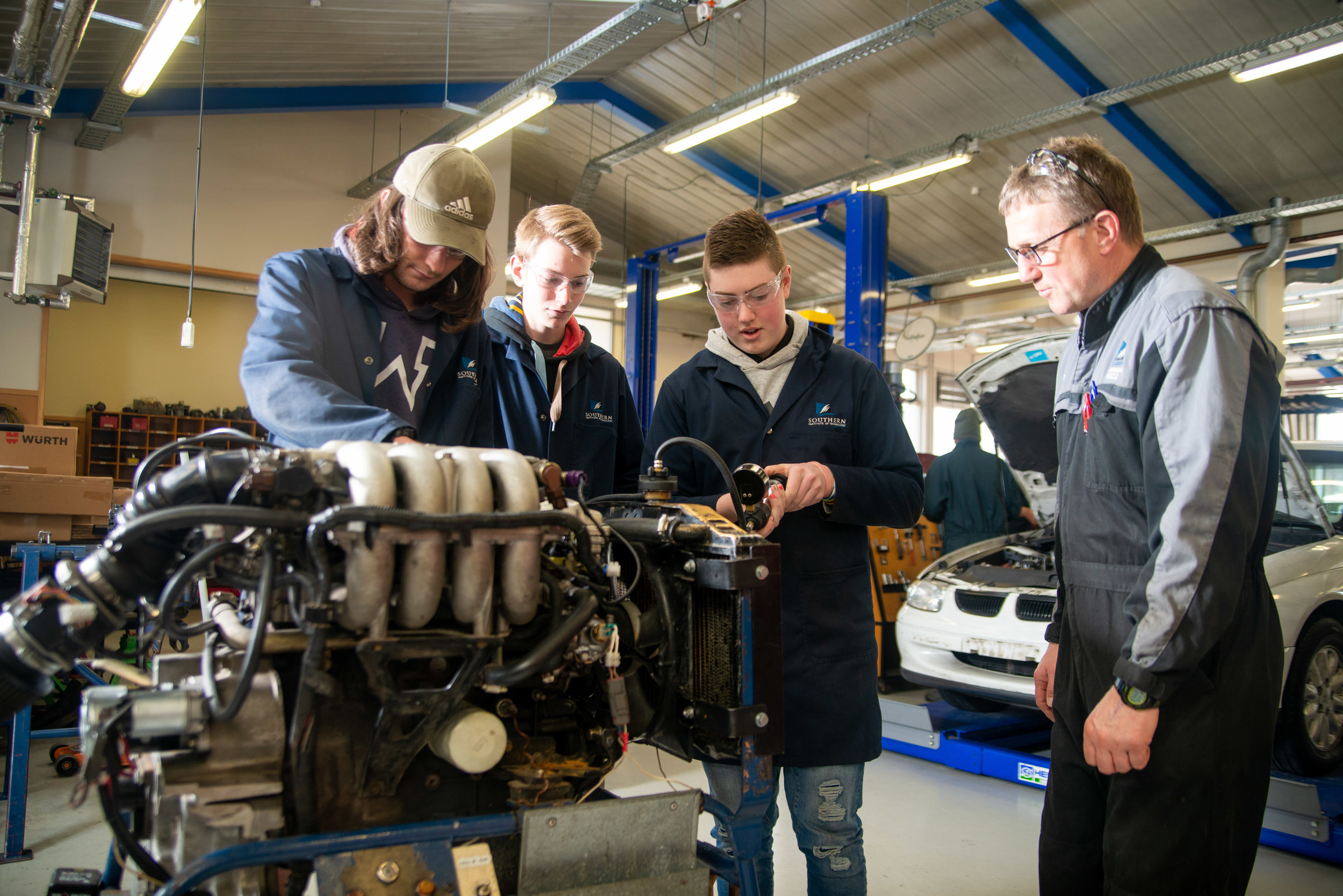
One of the best directions to steer them is to the Southern Institute of Technology (SIT) in Invercargill. It offers a wide range of trades programmes that give graduates the skills and knowledge industry is looking for. The courses combine classroom learning with practical work and employer-based work experience.

430_3537.jpg

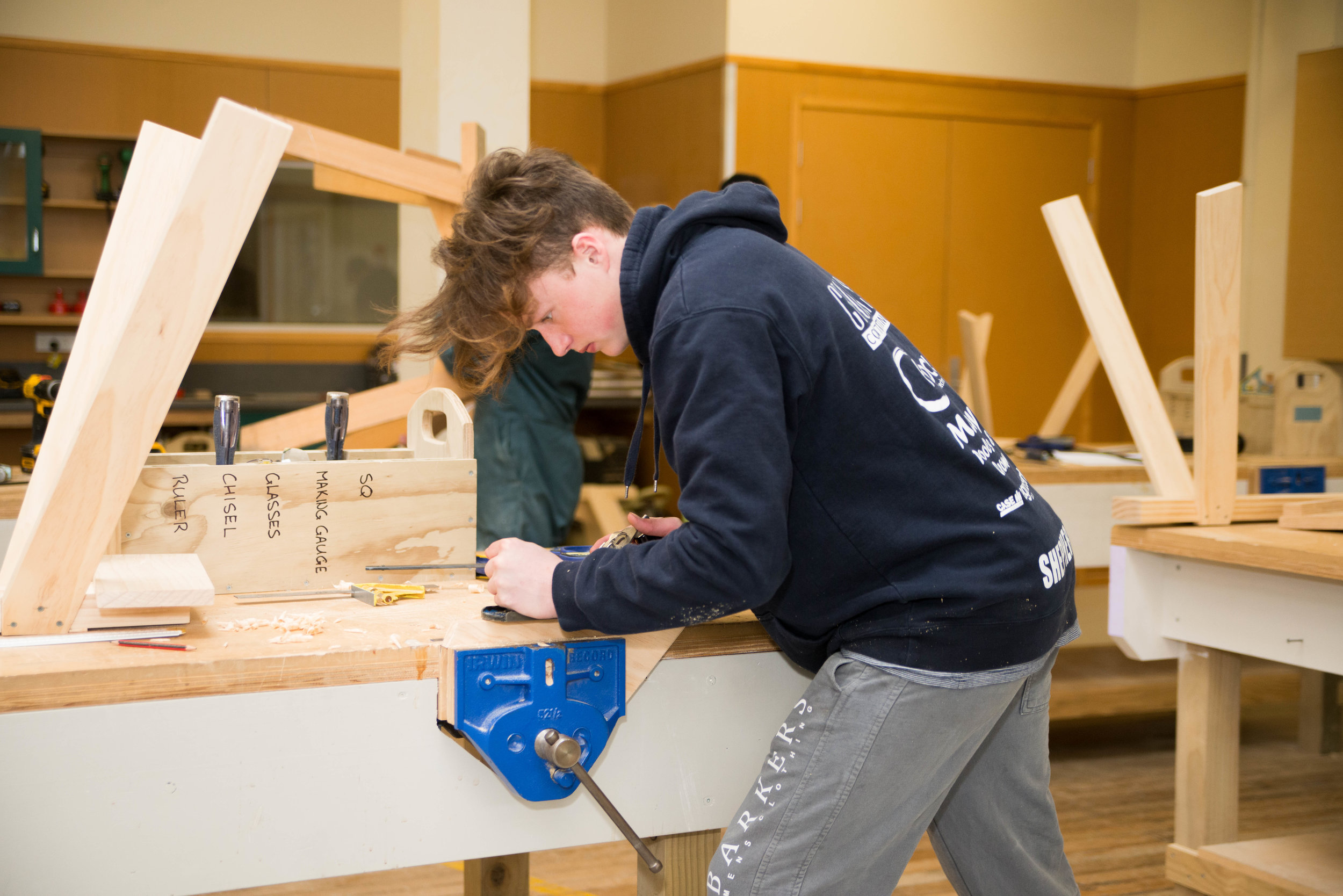
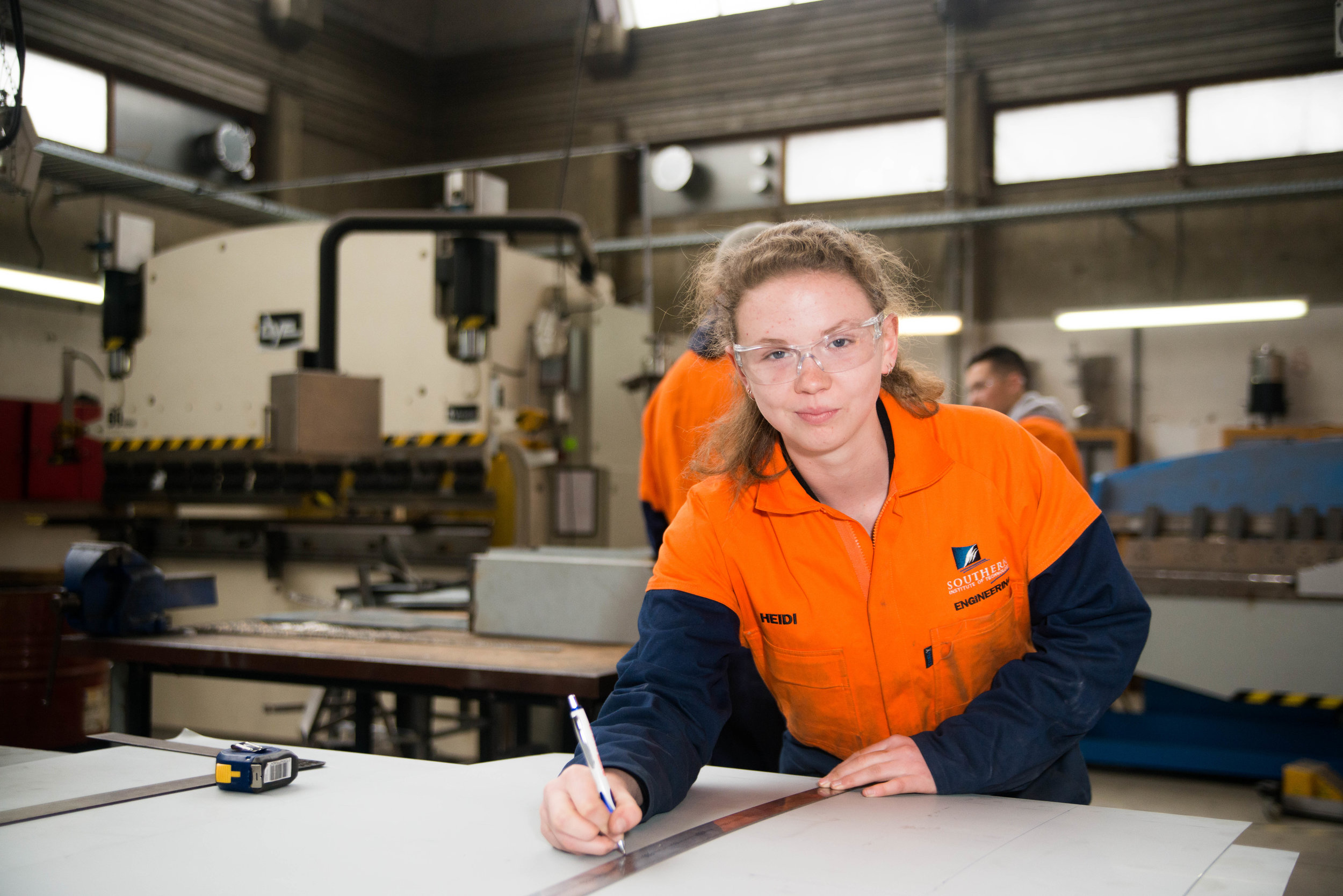
Students in the Trades and Technology Faculty work in a $5.5 million state-of-the-art facility that boasts four fully-equipped workshops. Leading-edge equipment includes a 3D printer and scanner, waterjet cutter, virtual welder, and CNC lathe.

Construction students get hands-on experience building a three-bedroom transportable house — great work experience for a building apprenticeship.

If you know someone who is good at drawing, problem solving, and structure, and has good results in design or mathematics or similar, a career in architectural technology or quantity surveying could be for them.

Architectural technology students learn the principles of building design through drawing, computer-aided design, and modelling. They work in a design and construction team turning those concepts into reality, preparing a design brief, preliminary designs, and working drawings.

Quantity surveying is a terrific life skill as well as a great career. Students learn how to estimate materials, cost projects, communicate with clients, and collaborate with engineers, architects, and all the trades involved in a building project. They will be set to enter the workforce with experience in SIT’s design suite of 30 stations running AutoCAD, Inventor, ArchiCAD, as well as manual drawing stations.

430_3412.jpg

Choosing to study for a New Zealand Diploma in Civil or Mechanical Engineering is a path to many different careers in a high-demand sector. Civil engineering can involve working in the massive utilities, construction, materials and logistics industries, and mechanical engineers design, make and maintain the tools, engines, machines, and systems that keep modern society operating.

Following on from these two diplomas, SIT is on track to run a new degree course, the Bachelor of Engineering Technology (subject to accreditation and approval by NZQA and Engineering NZ) with majors in both civil engineering and mechanical engineering. It is forecast to start in early 2019. Places are limited, so talk to your talented youngsters now and help them launch their futures with SIT!


Visit sit.ac.nz or get in touch at info@sit.ac.nz for more information
Share:

More Posts

Building a dead man’s switch

Routers, power and cut-off saws, as well as angle grinders, can all inflict very nasty injuries in a fraction of a second. I can still remember nearly breaking my wrist many years ago when a heavy electric hand drill, fitted with a one-inch drill bit, decided it was time for me to revolve instead of it! A foot- operated cut-off switch would have been just the ticket on that occasion.
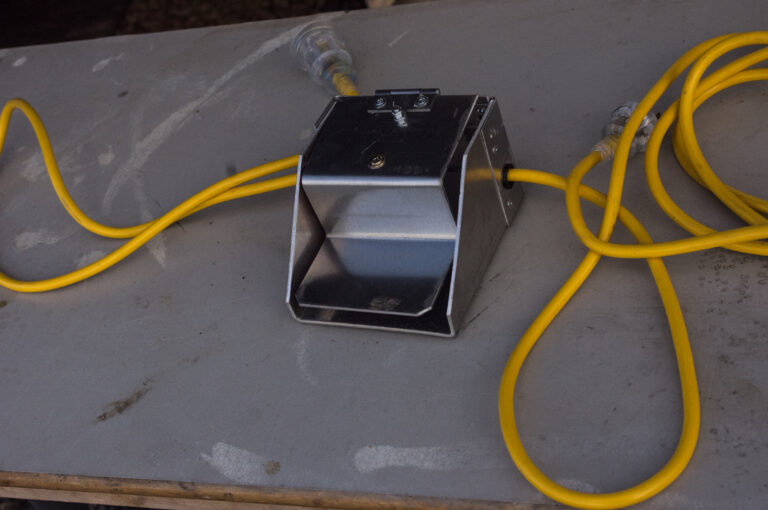
The dead man’s switch, as I will call it, is a simple device fitted in between the power supply and the operating equipment that requires a foot kept on it at all times for power to be supplied from the source to the equipment.
As it will undoubtedly spend a lot of its time on hard floors and possibly uneven surfaces, it needs to be robust as well as big enough to accommodate your foot comfortably. It should also be rugged and well protected from the scuffs and knocks it will undoubtedly suffer over the years.

You’ve got mail

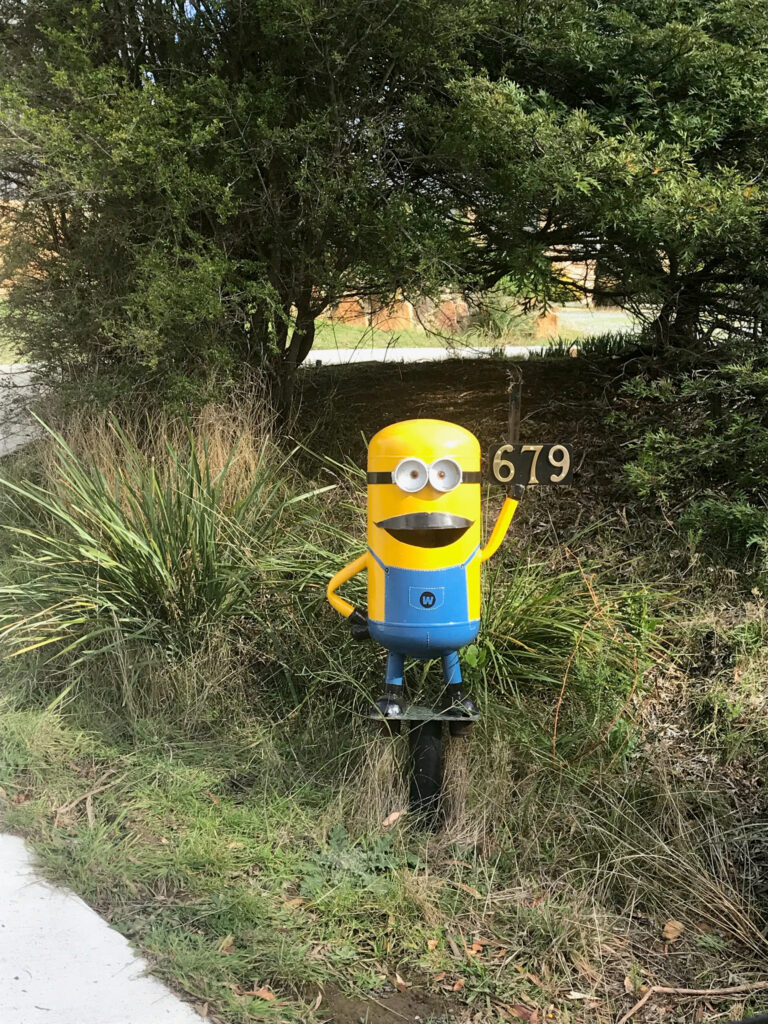
In a world beset by increasing regulations, building codes, local government bylaws, vehicle safety legislation, and the like, very few things remain untouched by the long, deadening arm of bureaucracy. However, one that has escaped is the humble mailbox.
While their suburban cousins have generally succumbed to the pressure to have standardised, mass-produced models available from hardware chain stores, their rural brethren have maintained their diversity, and still reflect their owners’ creativity and imagination.
In this era of increasing conformity, the rural mailbox stands out as a statement of individuality made by those of us unwilling to follow the common herd. Although postal services worldwide are coming under continued pressure from the new delivery platforms, the mailbox is still an integral part of any property, rural or suburban. A good mailbox should be thought of as a fine example of street art, a whimsical statement by its owners perhaps reflecting their passions and interests, while fulfilling a utilitarian function.

Creative duet

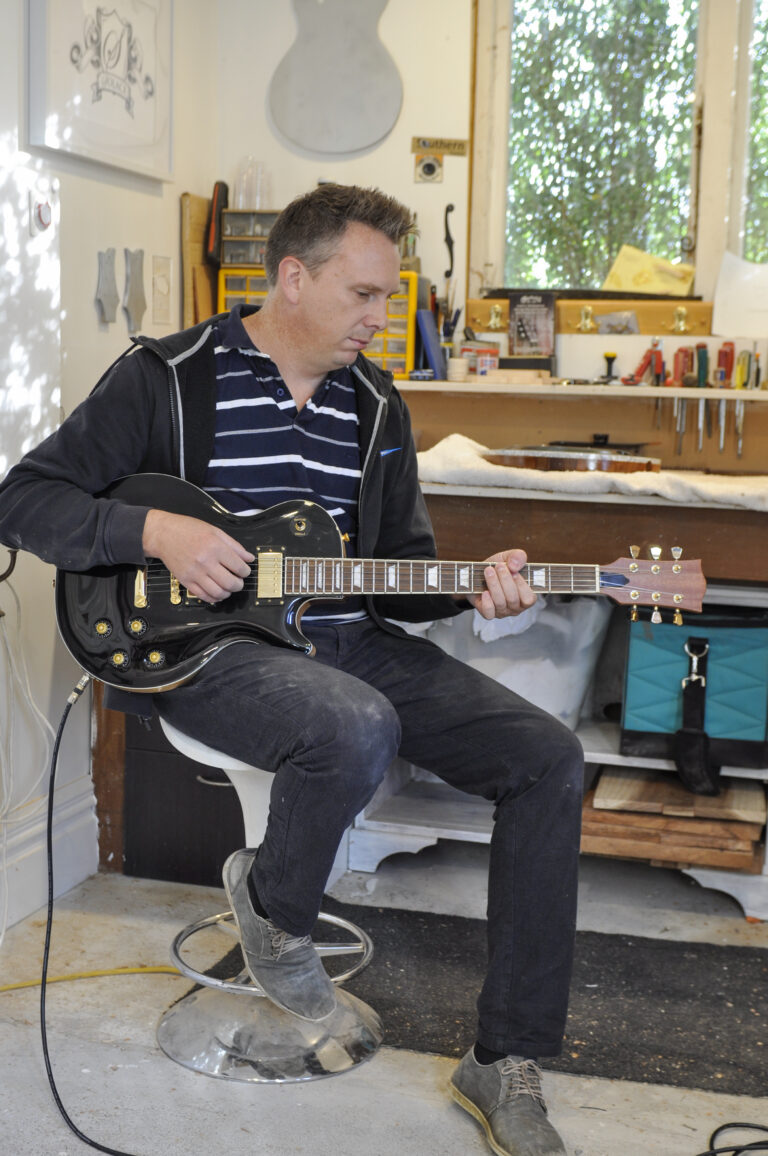
For Dave Pauling, making guitars is the natural fusion of two passions – music and wood.
Dave, who has been playing the guitar since he was 13, also knew the pleasure of pottering in sheds from a young age. His father is a “sheddie” from way back who, among other things, still spends many hours restoring vintage vehicles.
“I grew up helping him with his Model Ts, making bows and arrows, or working on a model railway we had in the loft,” he says.
While Dave himself has spent a fair few hours restoring a 1965 Mustang imported from San Francisco, he prefers working with wood. There’s something about the malleability and smell of wood, as well as its provenance, he says. Wood, especially the recycled timber he uses to construct his guitars, has had a previous life. “Every guitar I make comes with a pre-history.”