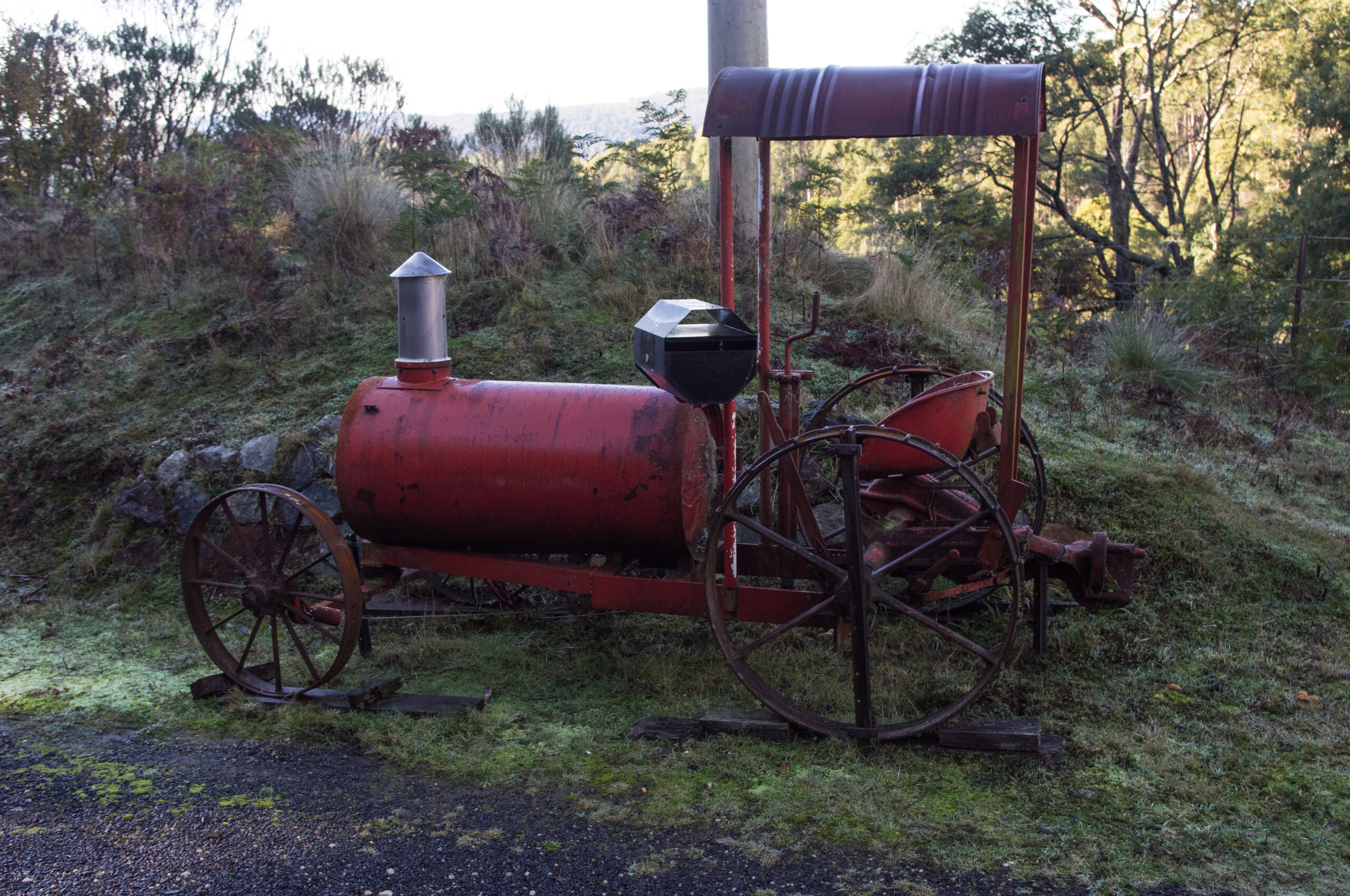
Let your imagination run wild and express your personality with a unique letterbox
By Coen Smit
Photographs Coen Smit
In a world beset by increasing regulations, building codes, local government bylaws, vehicle safety legislation, and the like, very few things remain untouched by the long, deadening arm of bureaucracy. However, one that has escaped is the humble mailbox.
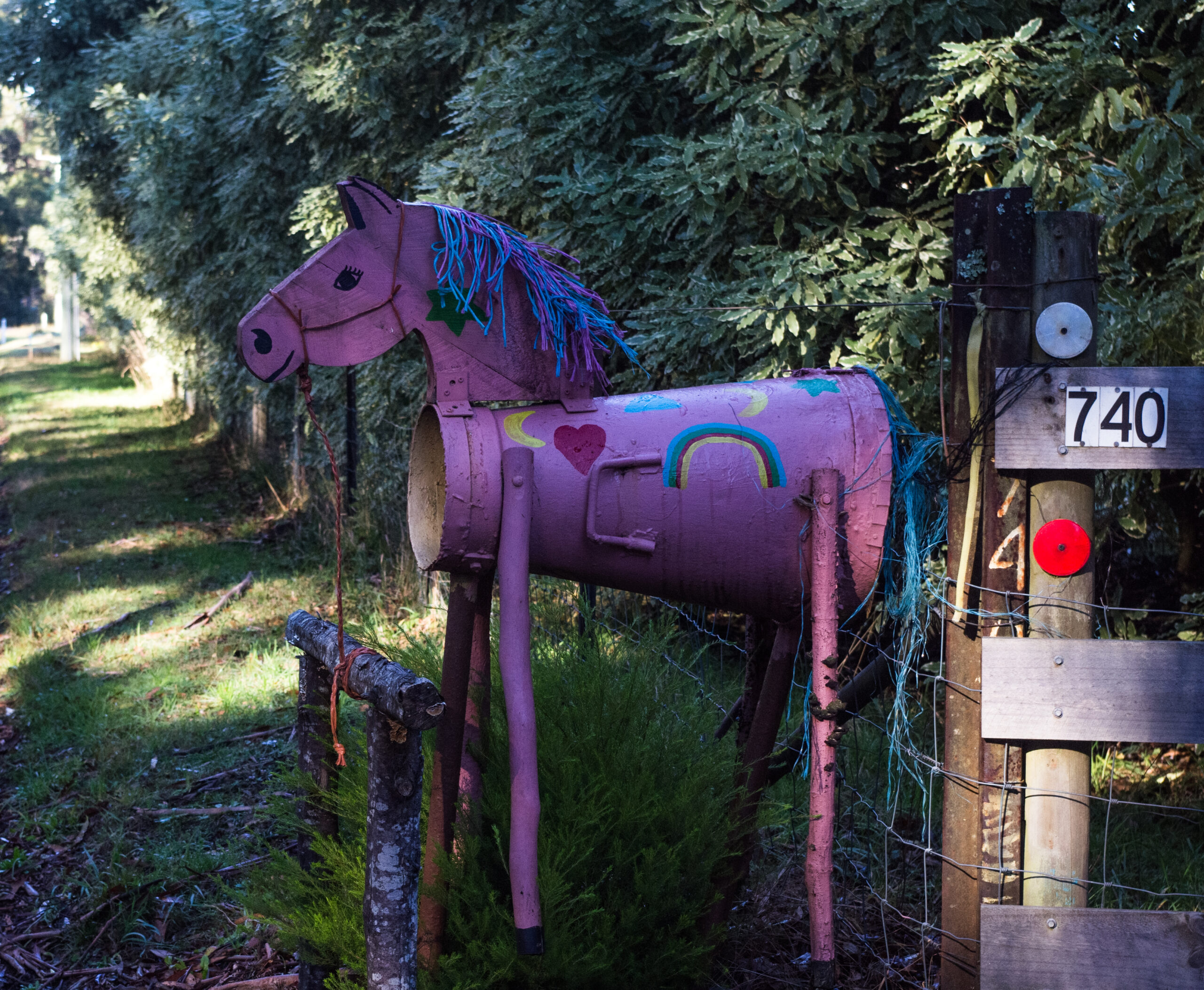
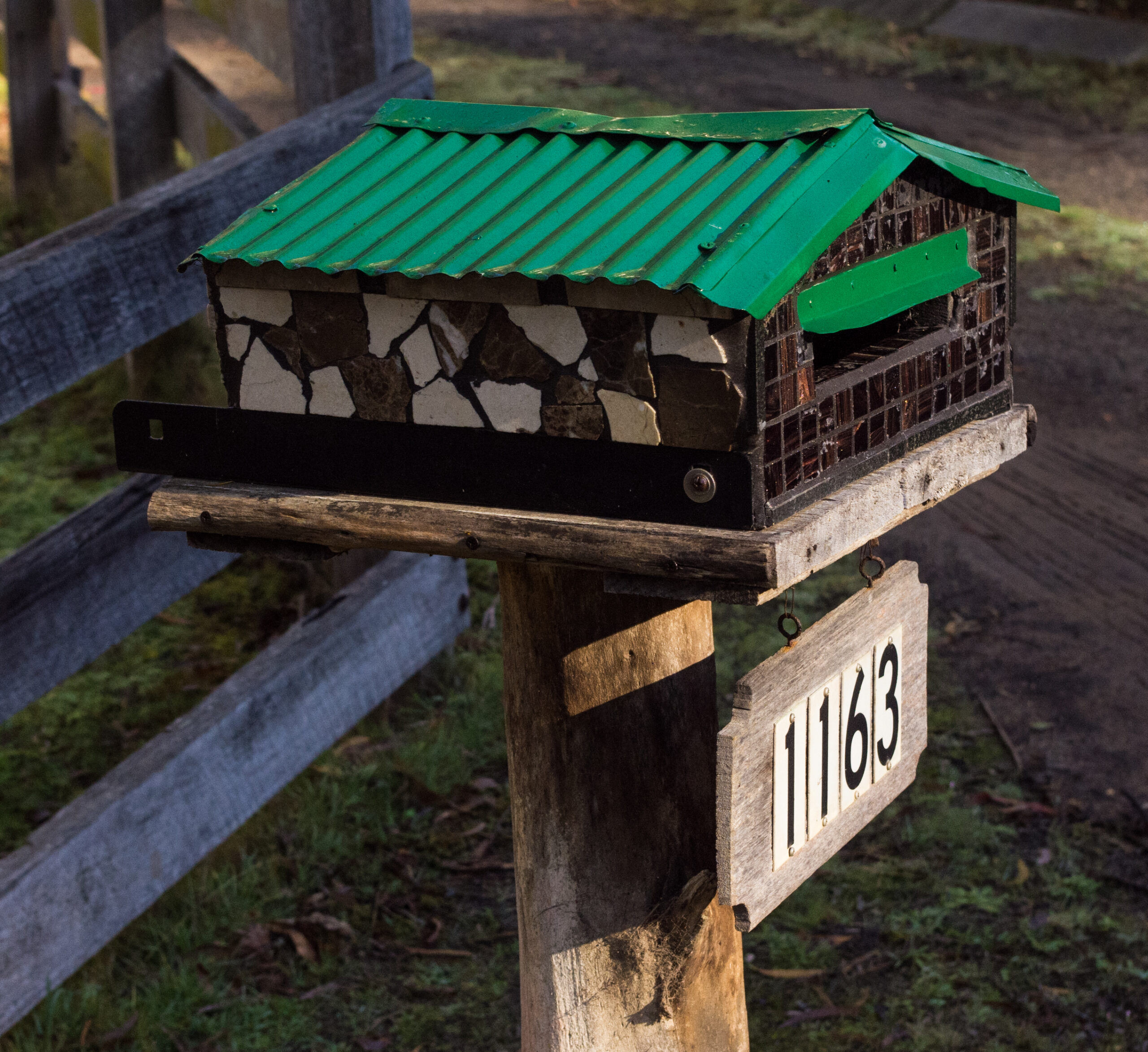
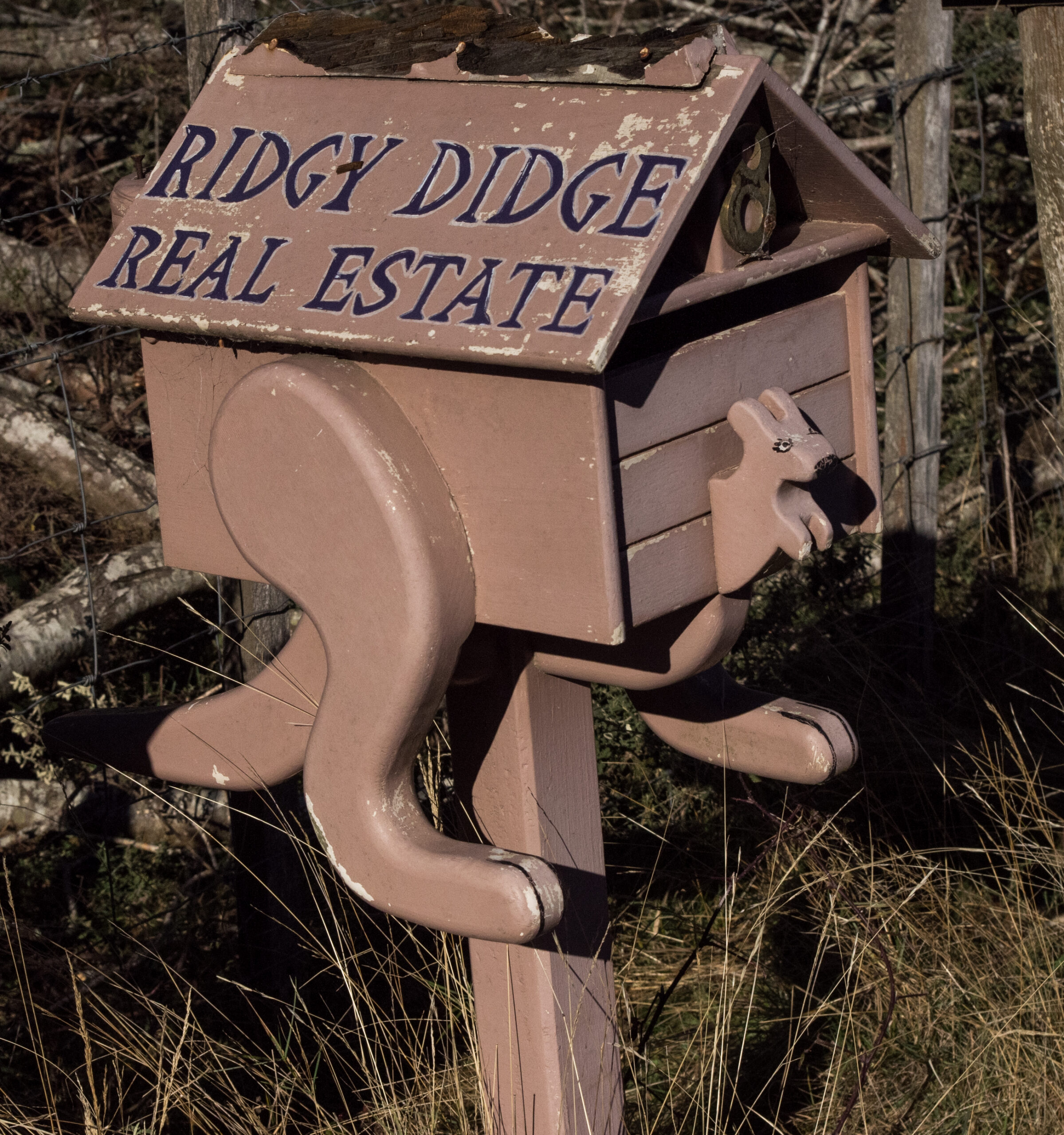
While their suburban cousins have generally succumbed to the pressure to have standardised, mass-produced models available from hardware chain stores, their rural brethren have maintained their diversity, and still reflect their owners’ creativity and imagination.
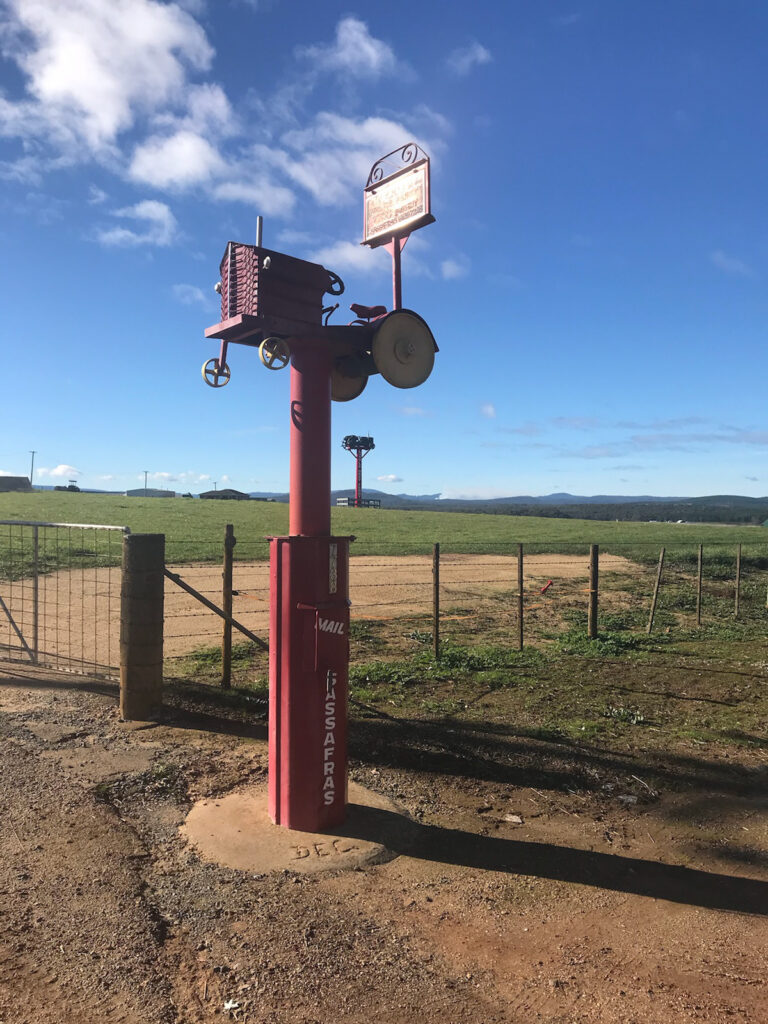
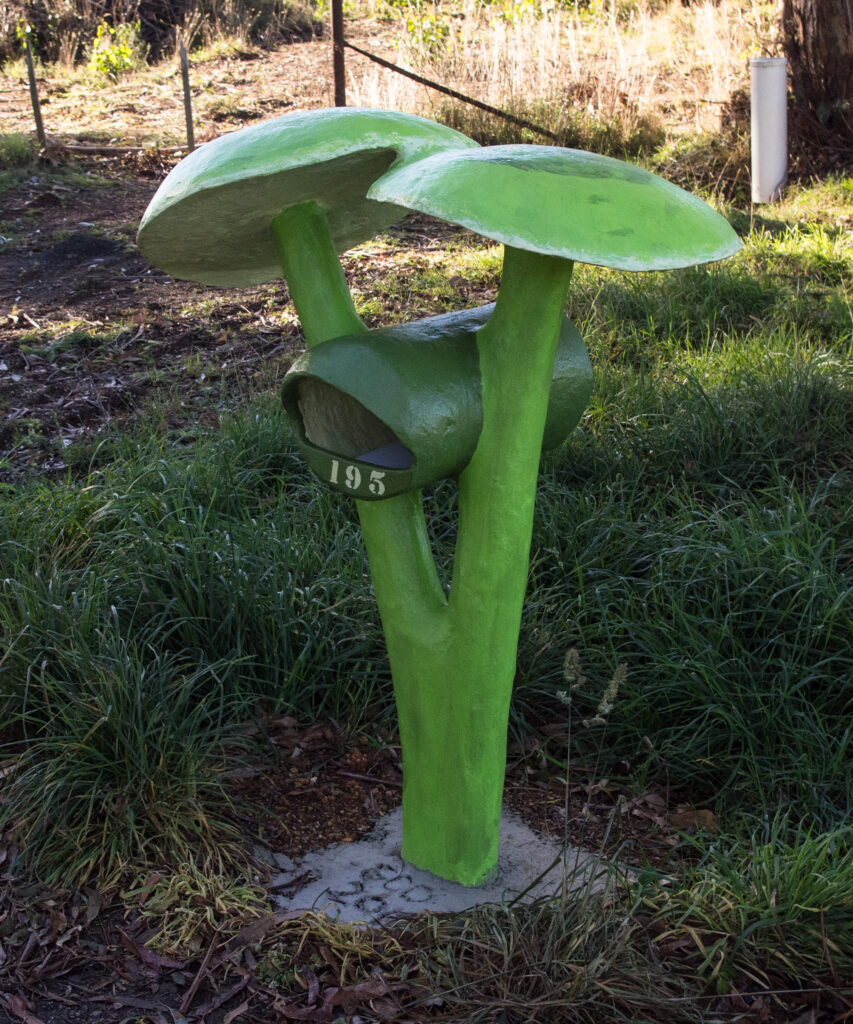
In this era of increasing conformity, the rural mailbox stands out as a statement of individuality made by those of us unwilling to follow the common herd. Although postal services worldwide are coming under continued pressure from the new delivery platforms, the mailbox is still an integral part of any property, rural or suburban. A good mailbox should be thought of as a fine example of street art, a whimsical statement by its owners perhaps reflecting their passions and interests, while fulfilling a utilitarian function.
Street art
An added benefit of having a “different” mailbox from the common herd is its usefulness in giving first-time visitors directions to your property, and also to your near neighbours.
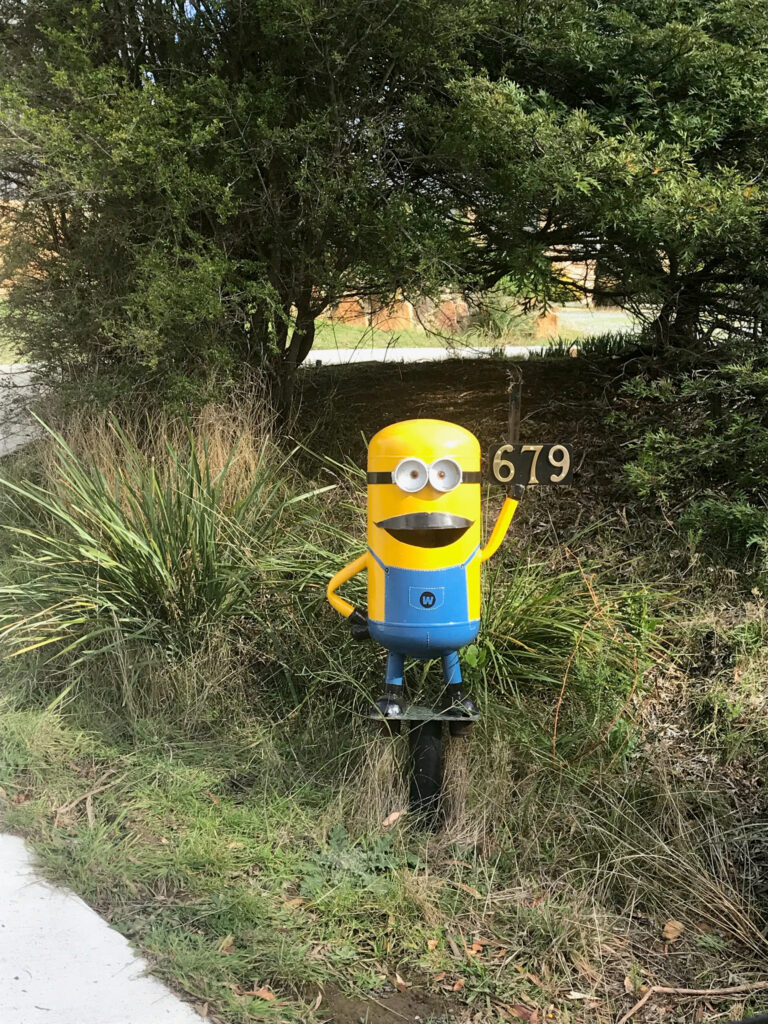
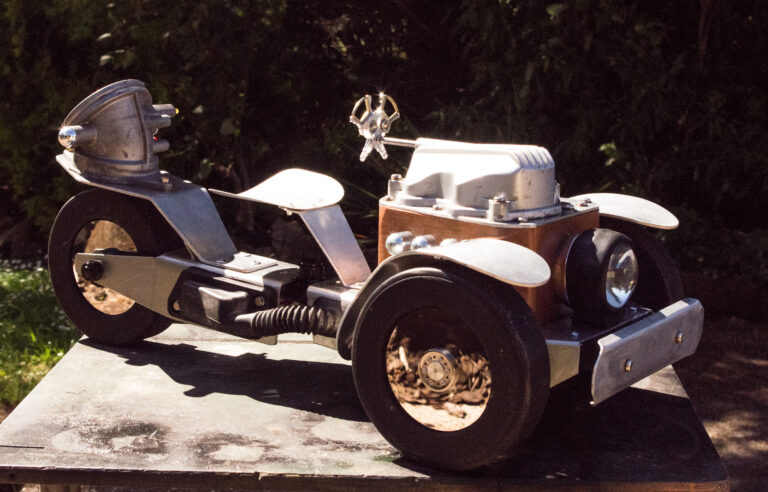
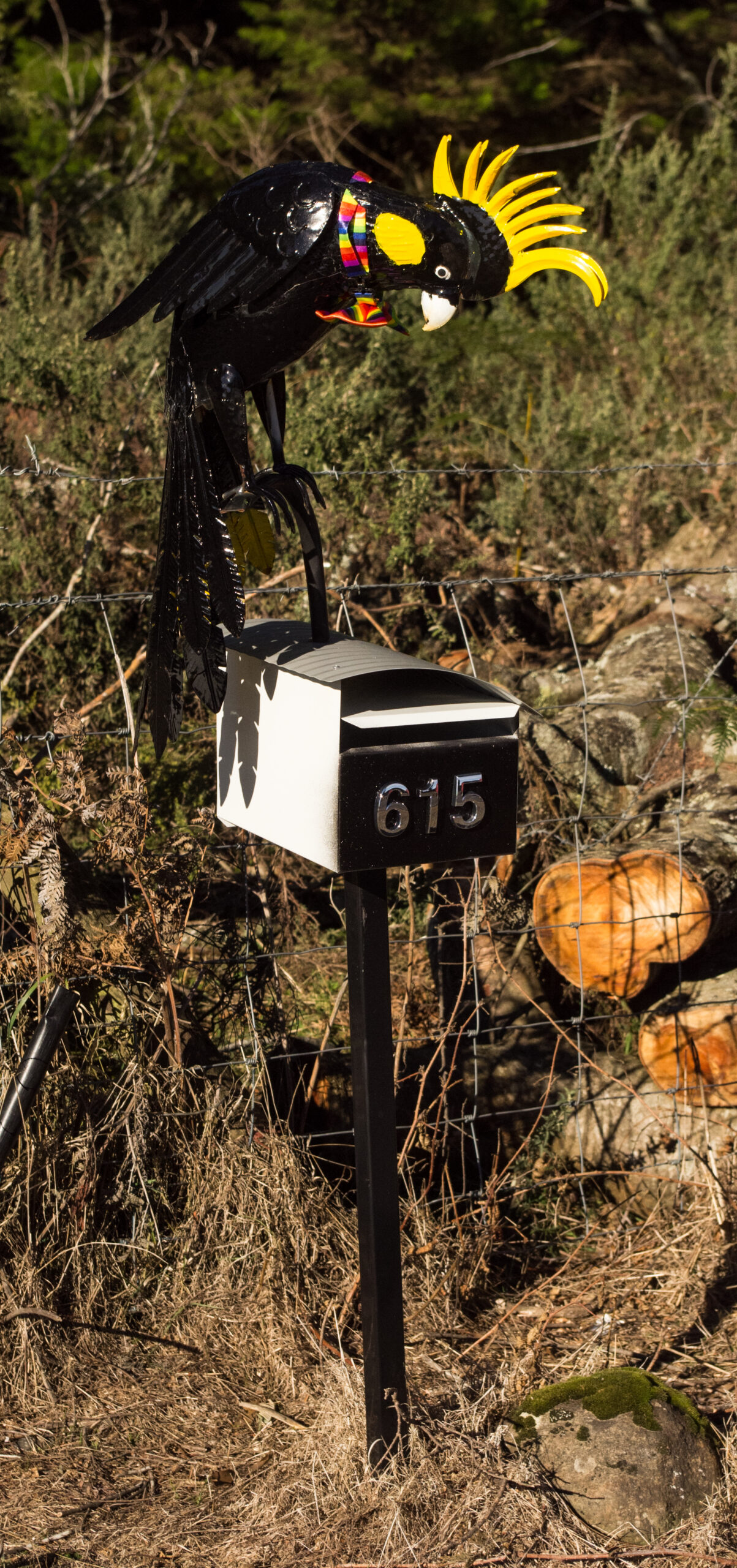
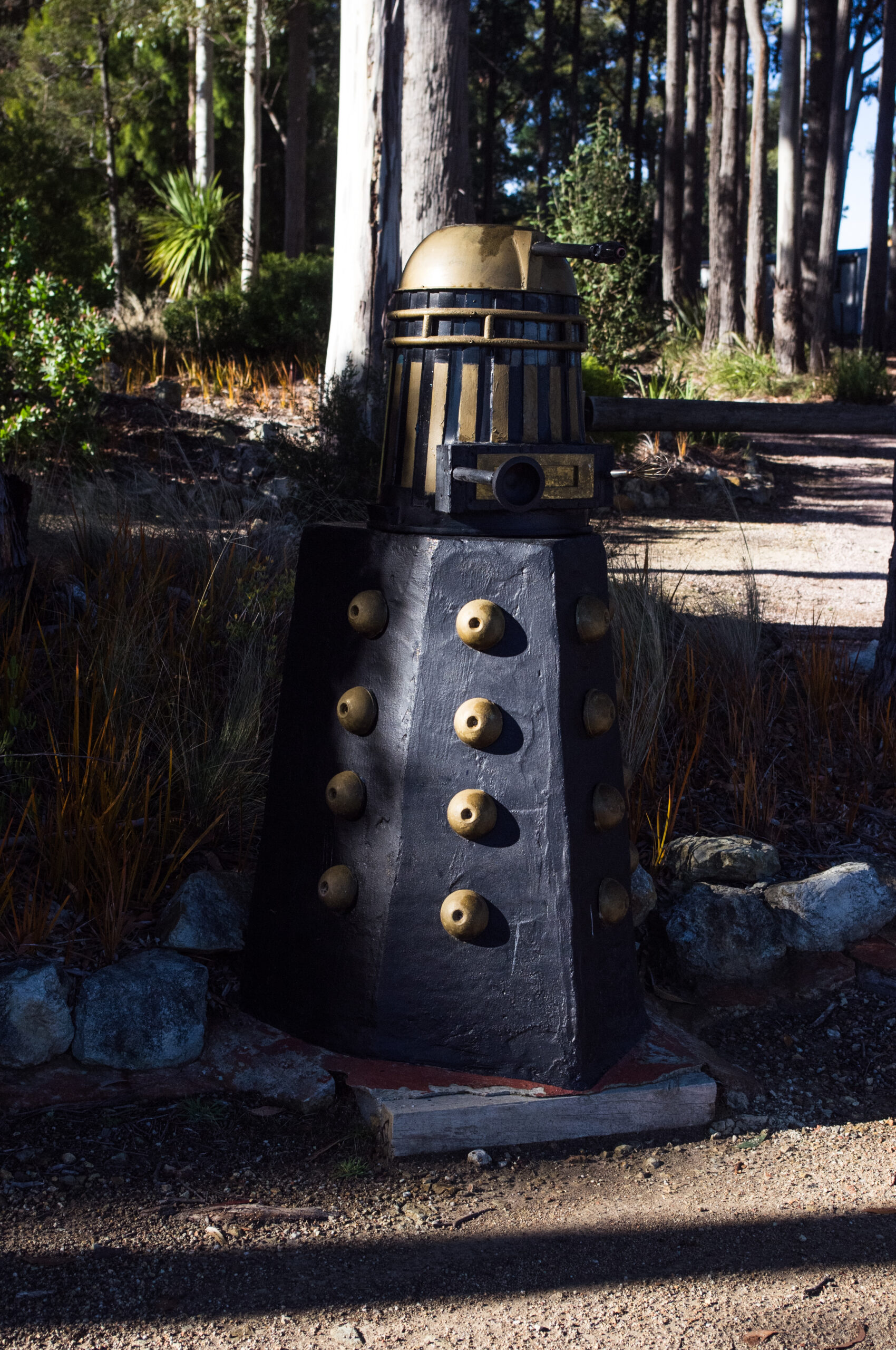
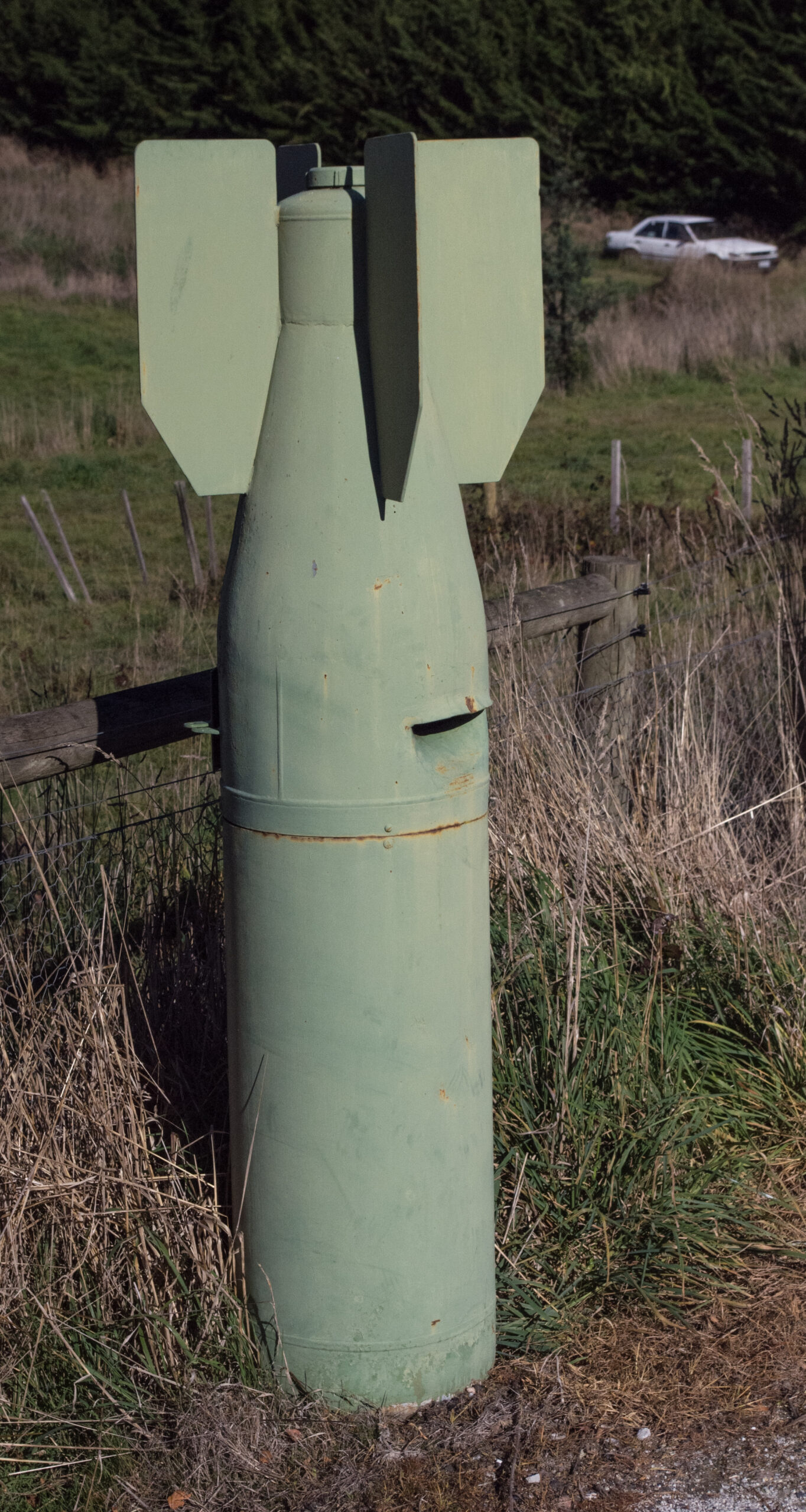
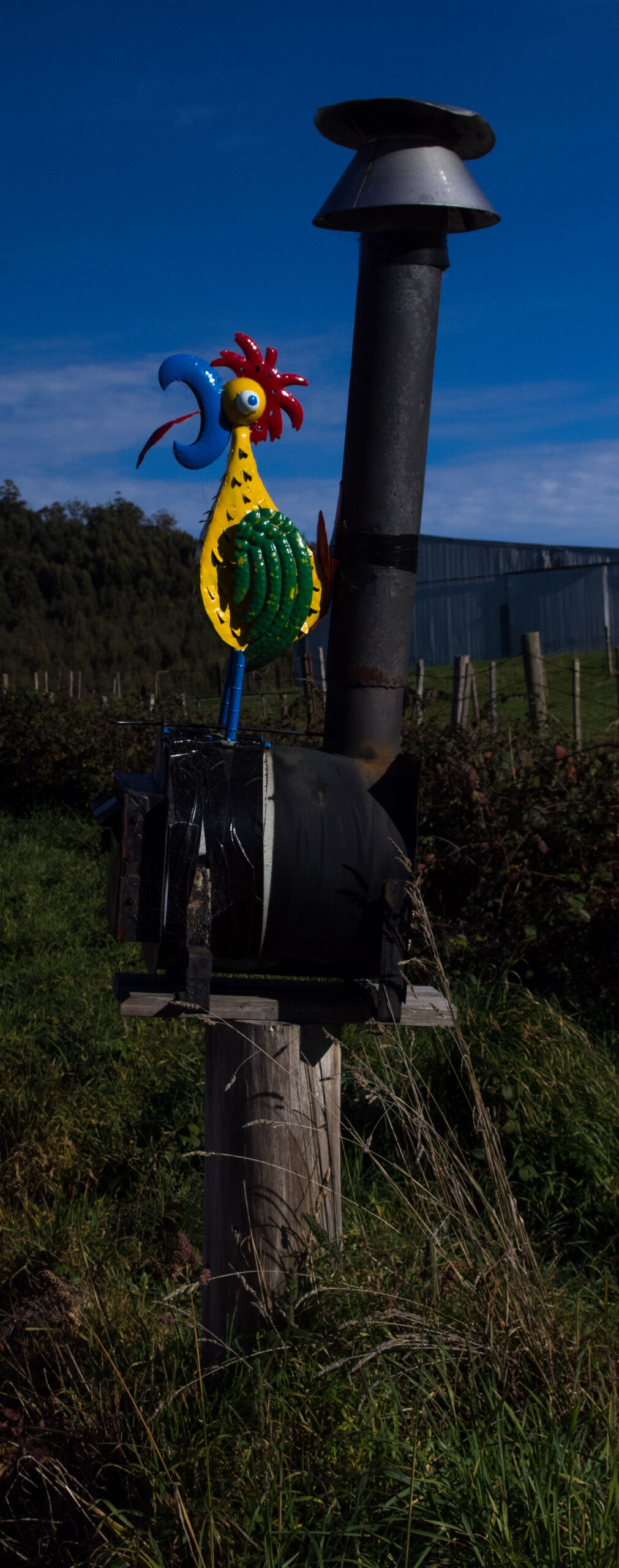
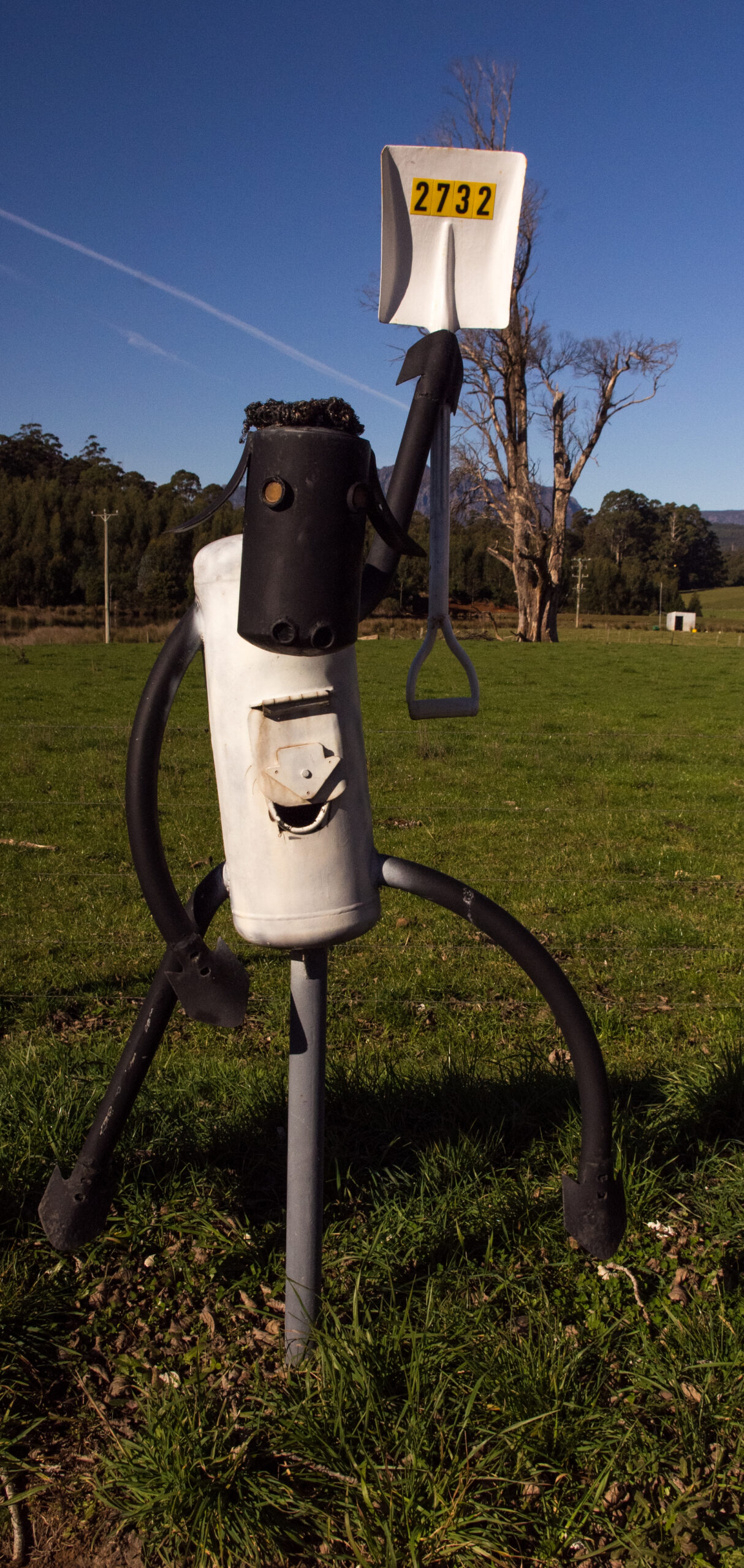
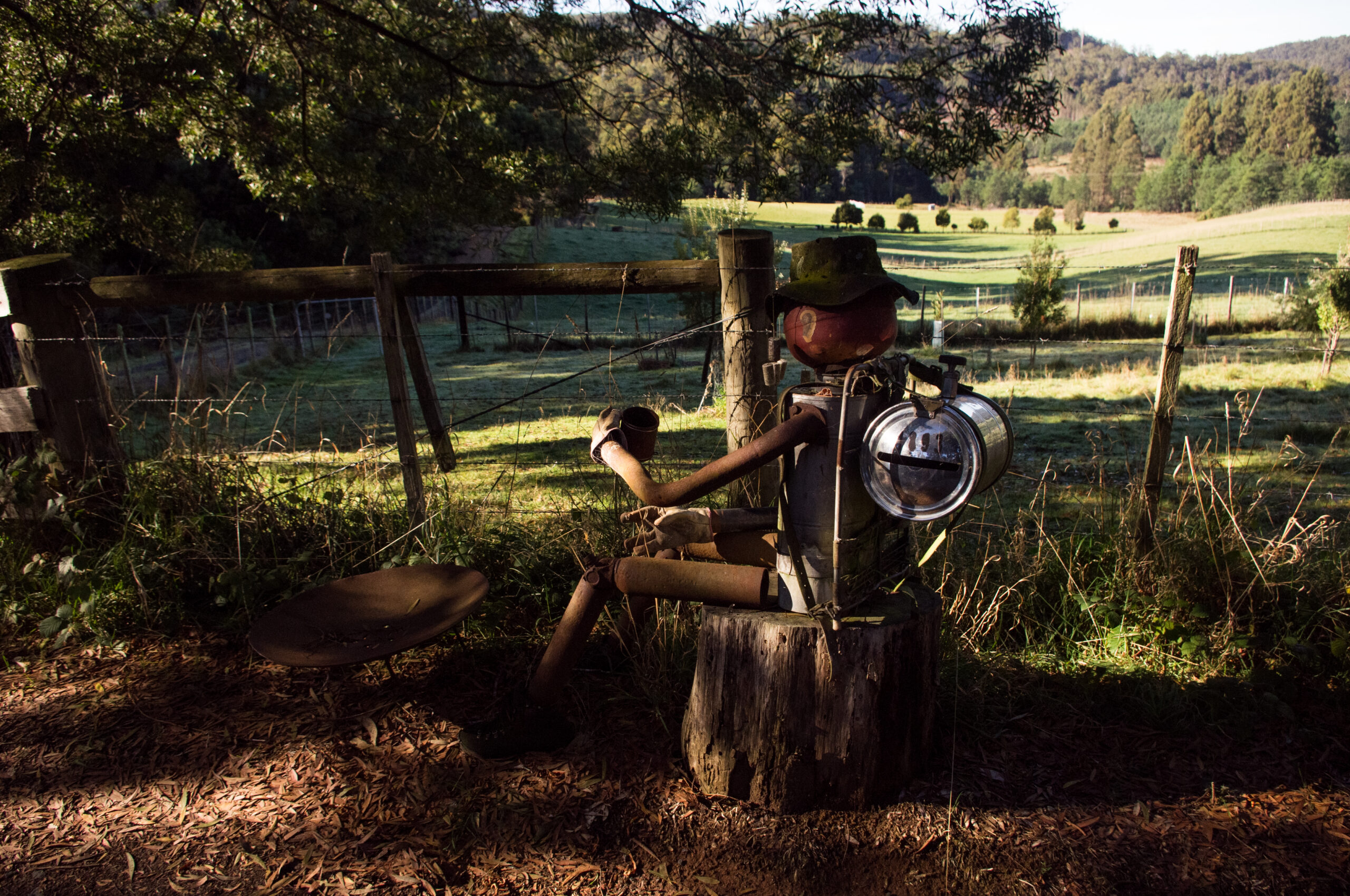
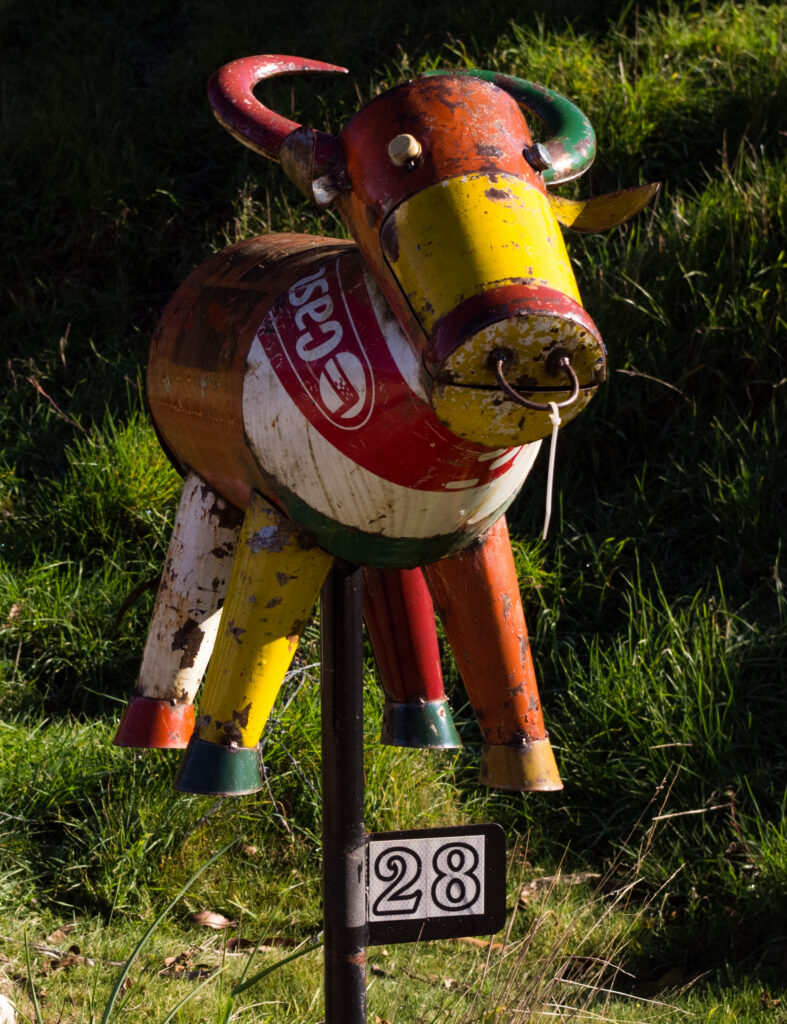
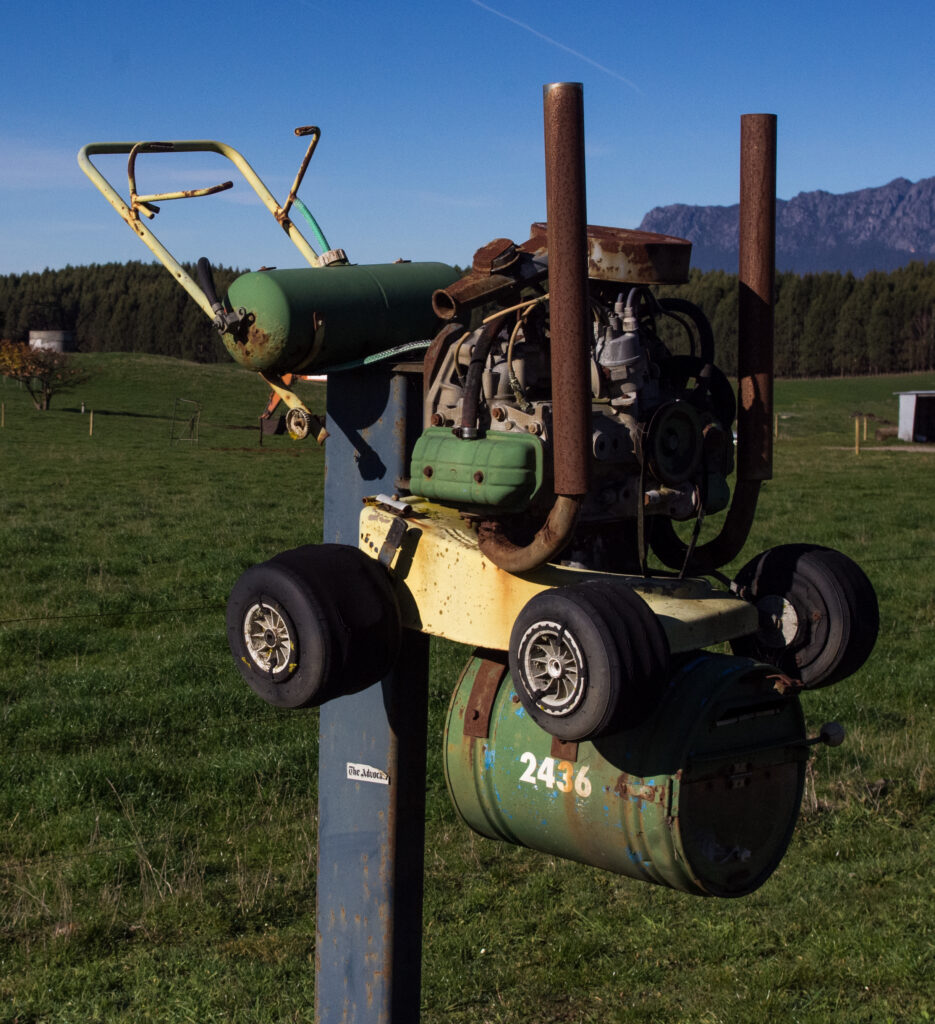
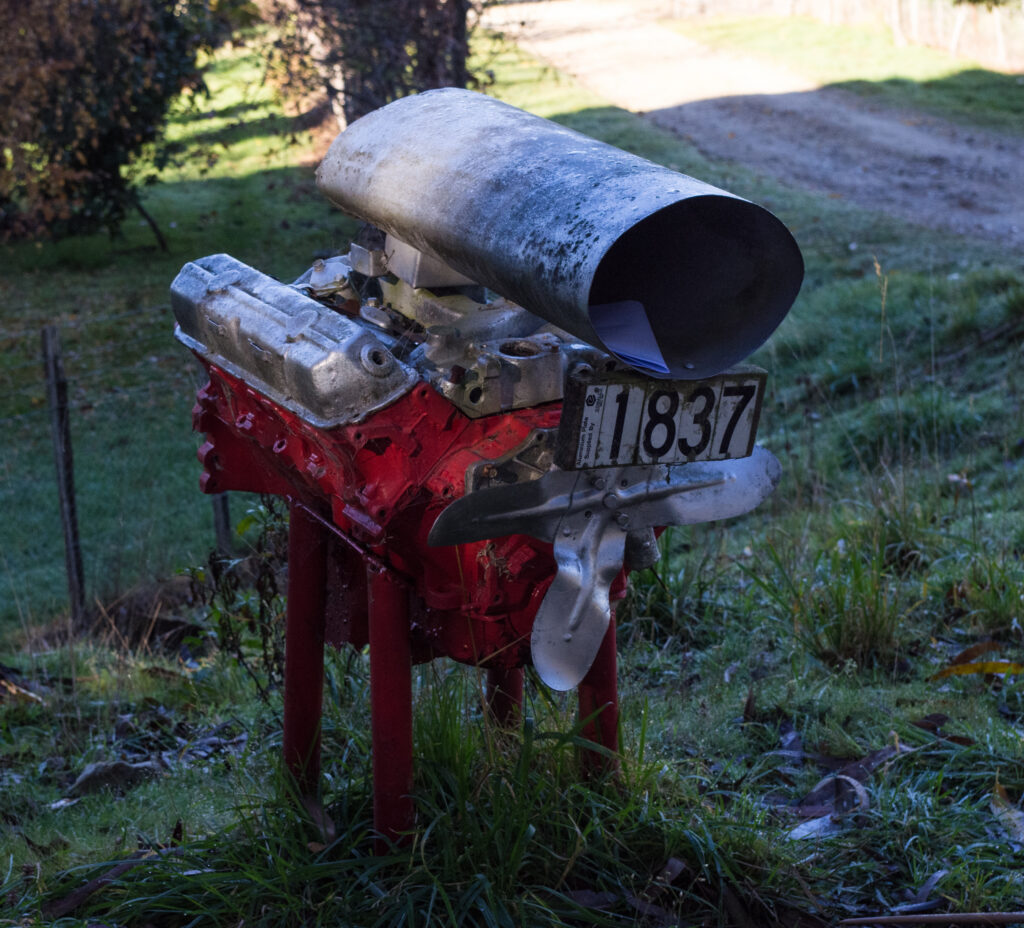
Almost anything can be turned into a mailbox, as the accompanying photos show. The foundation of any good mailbox is its ability to contain normal items of mail and keep them protected from the elements. Beyond that, the design and construction depend on the imagination and ability of its creator. It goes without saying that convenience of use must temper your creativity by, for example, placing the box roughly at car door height. It has to be relatively easy for the mail deliverer to open and insert the mail.
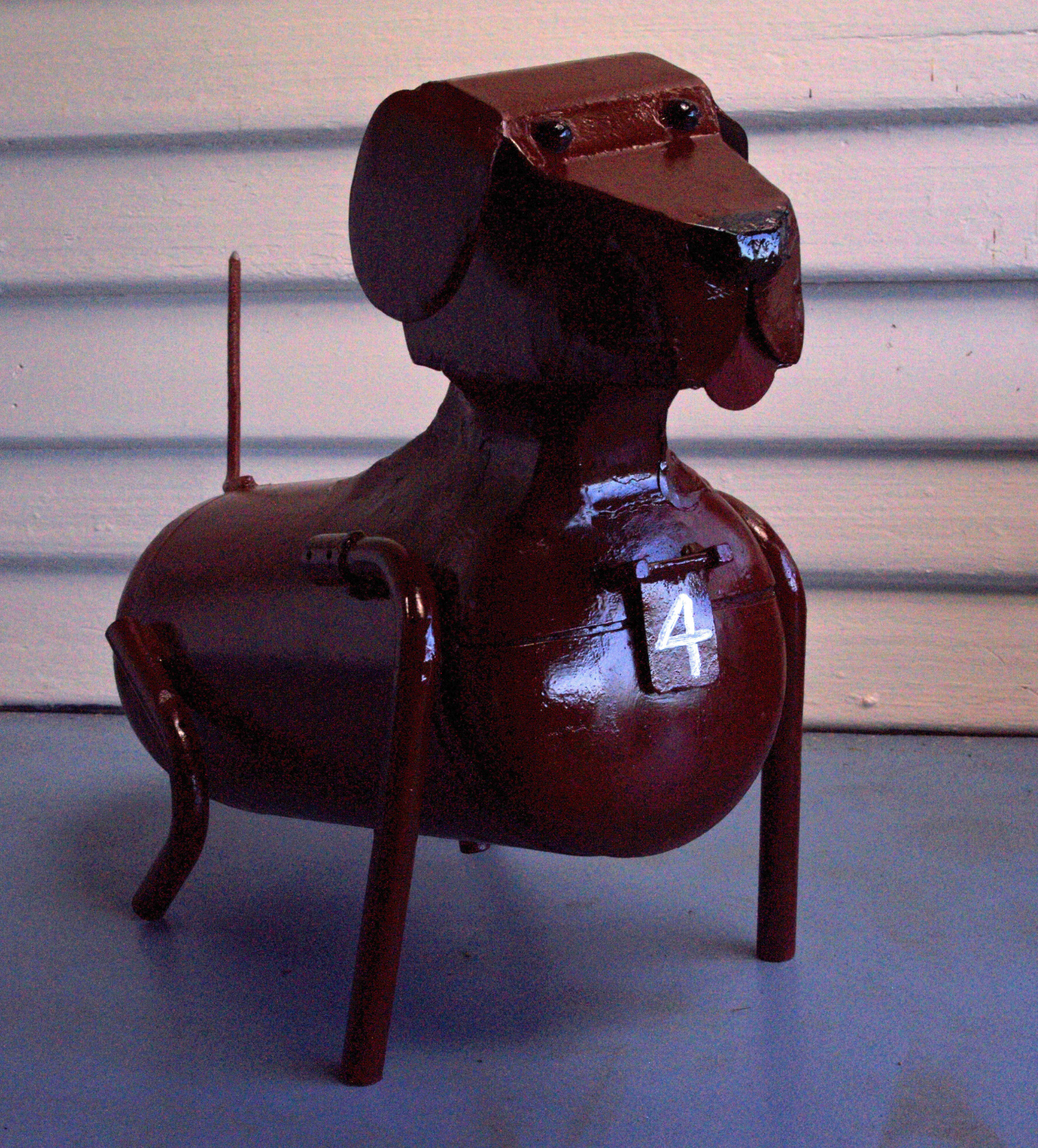
A note of caution must be raised here. Some years ago I built a mailbox in the shape of a sitting dog with a lift-up flap in his chest for inserting the mail, at the request of my daughter living in tropical Mackay, Queensland, at the time. Despite it being obviously a receptacle for the mail and placed where their mailbox was normally located, the erstwhile employees of the postal service were unable to use it as intended and often tried tucking the mail under one of its ears or simply threw it on the ground nearby. This continued even after the dog was equipped with a sign listing instructions to “Lift the flap to insert mail”. This suggests that for some, the purpose of the mailbox must be ultra-obvious, and its use requires absolutely zero thought or effort.
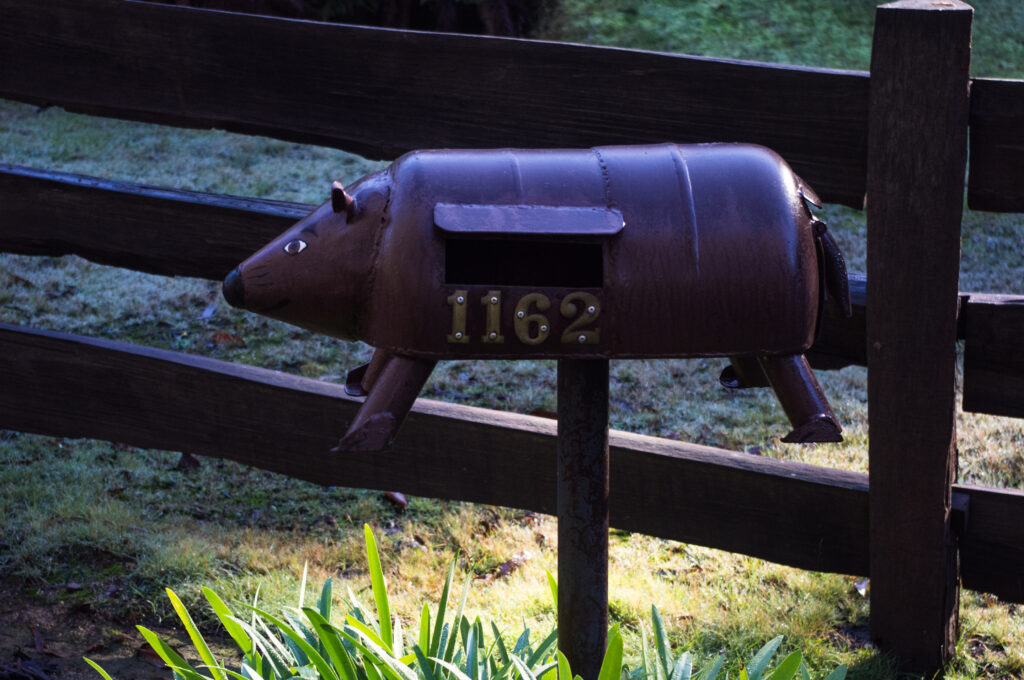
Having said that, my own mailbox that I made from an old cream can to resemble a pink pig has been in constant use for some 30 years and relocated with us three times, without ever having stumped the posties who use it.
Construction options
For longevity, most bespoke mailboxes are made from metal, although well-maintained wooden ones can be equally good. Plastic, on the other hand, eventually becomes brittle and, I feel, does not lend itself as readily to the creative urges of the constructor.
The starting point for any bespoke mailbox is the receptacle itself. Almost anything that will hold relatively small items and has the ability to shed rain can be used. Many a farmer simply bolts a discarded plastic chemical drum to a fence post, although I think these are opportunities wasted. Not only do they lack imagination, but they also pass up the chance to make a statement about the property and its owners. As you can see from the photographs, others go to considerable lengths to build and display unique mailboxes that delight the passer-by.
A great way to get inspiration for your mailbox is to look at old items of equipment found at garage and farm sales or the local tip shop. Often a suitable piece will set you back only a few dollars. My daughter’s dog mailbox was made using the air reserve from a small, discarded air compressor, which I rescued from a bush tip one day while walking my dogs.
Old gas bottles also make good mailboxes. Before deciding to use one of these as your foundation, please read the precautions I have included at the end of this article as these receptacles have the potential to become bombs very easily!
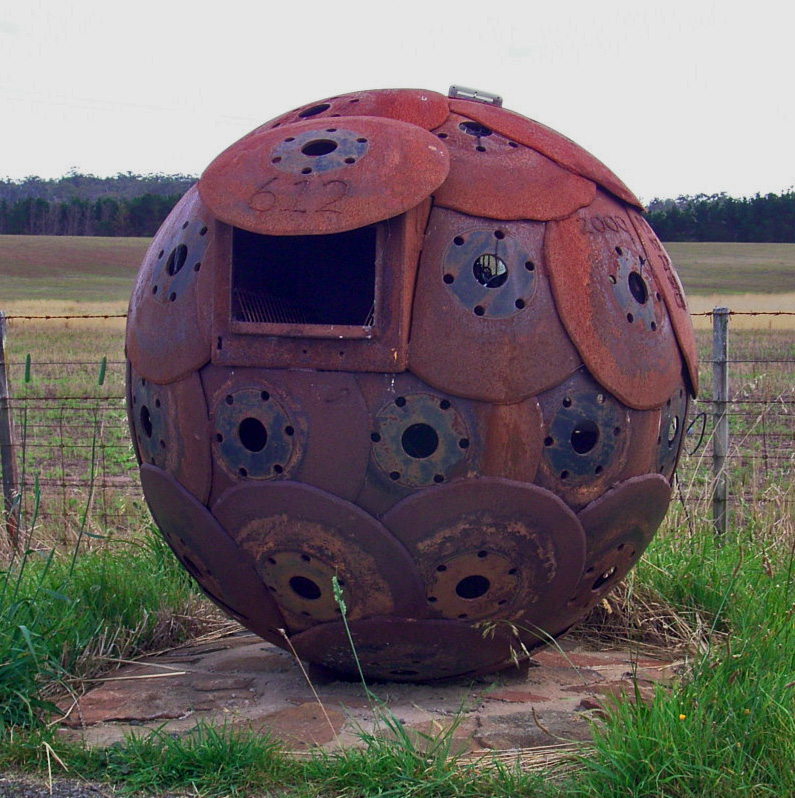
Of course, you do not need to get tangled up with hazardous containers at all. One of the more striking mailboxes I have encountered was made from overlapping plough discs to form an enormous ball. Another used a cement mixer bowl to create an emu-like bird, and others have been built entirely from scratch. The only limits are your imagination, the materials at hand, and the available space to site your finished article.
Precautions before using an old pressure vessel or fuel container
Extreme caution must be exercised when first cutting open, drilling, or welding any container that has held flammable gas or liquid.
Always fill the vessel to the absolute brim with water before you commence working on it. Any container that has previously held fuel or flammable liquid of any sort, even if it is now clean and empty, will become a bomb once heat or sparks are present. Never cut, weld, or drill into such a container if there is still a pocket of air in it.
Remember, any container becomes a potential bomb if even a small residue of flammable vapours catches alight and is confined within it.
If you are uncertain of the previous uses the container has been put to, assume it has had flammable liquid or gas in it and treat it accordingly. This warning should be heeded for any and all containers that may have held flammable liquids or gases in them previously. There are no second chances!
Things to remember when repurposing any container with small standard openings
- Always assume that a container may have held a flammable liquid or gas in the past.
- Always assume that a residue may still be present and can produce an explosive vapour.
- Always fill the container to the absolute brim with water to eliminate any air pockets that might harbour an explosive vapour before you cut, weld, drill, or otherwise apply heat to the container.
- Do all your work on the container with it full of water.
- If you are opening the container, ensure that the opening is of a sufficient size to prevent any gases from compressing within the container before removing the water
These precautions should apply to every container irrespective of size and construction, including all pressure vessels.
My mailbox project
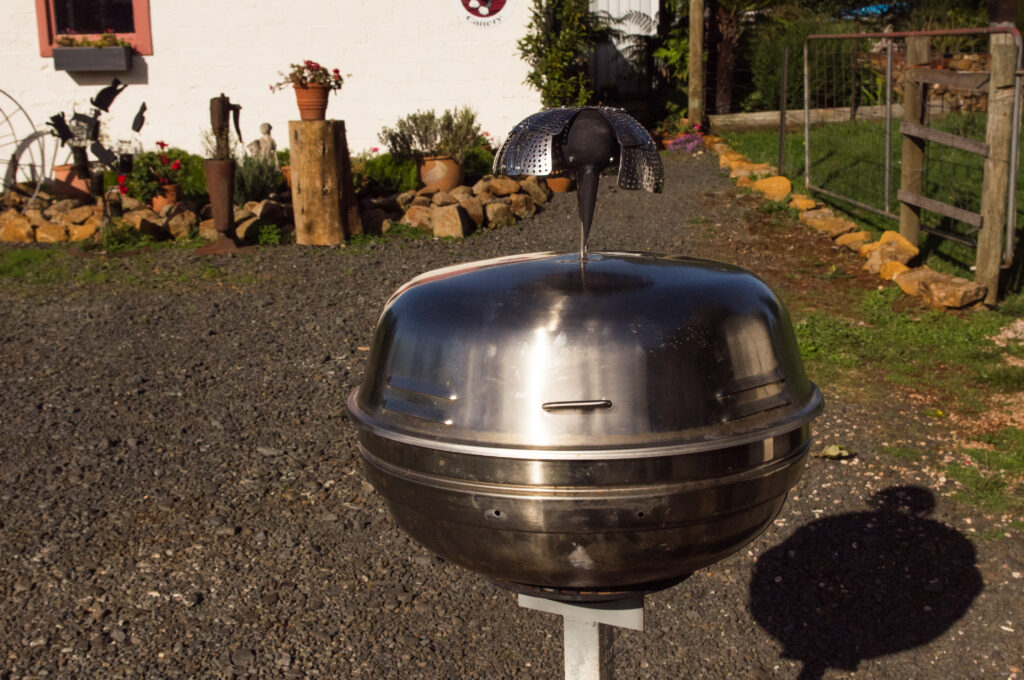
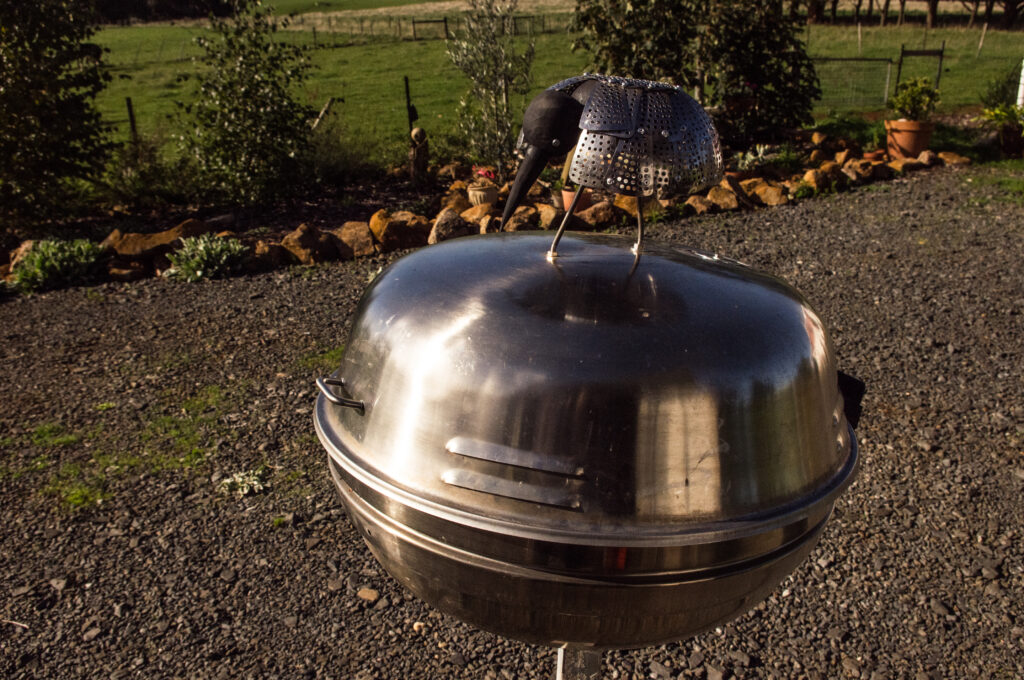
For the mailbox constructed to illustrate this article, I sourced an old round, stainless steel barbecue as the body of the box. I retained the grill to keep the mail off the bottom in the event that any water finds its way into the unit. On the original barbecue, the lid simply sat on the lower half. To avoid it being dislodged or blown off in windy weather, I hinged the two halves and attached a small stainless steel handle to allow the postie to more easily lift the top half and place the mail or larger items inside the unit.
To ensure that the mailbox isn’t adversely impacted by high winds, I mounted the bottom onto an old disc brake rotor. This gives it added weight as well as strength and facilitates a variety of mounting options using the stud bolt holes that held the wheels on the car in its previous incarnation.
For example, it can be simply screwed to a wooden or concrete gate post. Or if you would like to have the mailbox double as a weather vane, you could also use the appropriate stub axle and bearings so that the mailbox, if fitted with a vertical fin, will always follow the wind as it changes direction. Be aware, however, that this feature might annoy the mail delivery person if they have to spin it around to insert the mail.
Let your imagination run
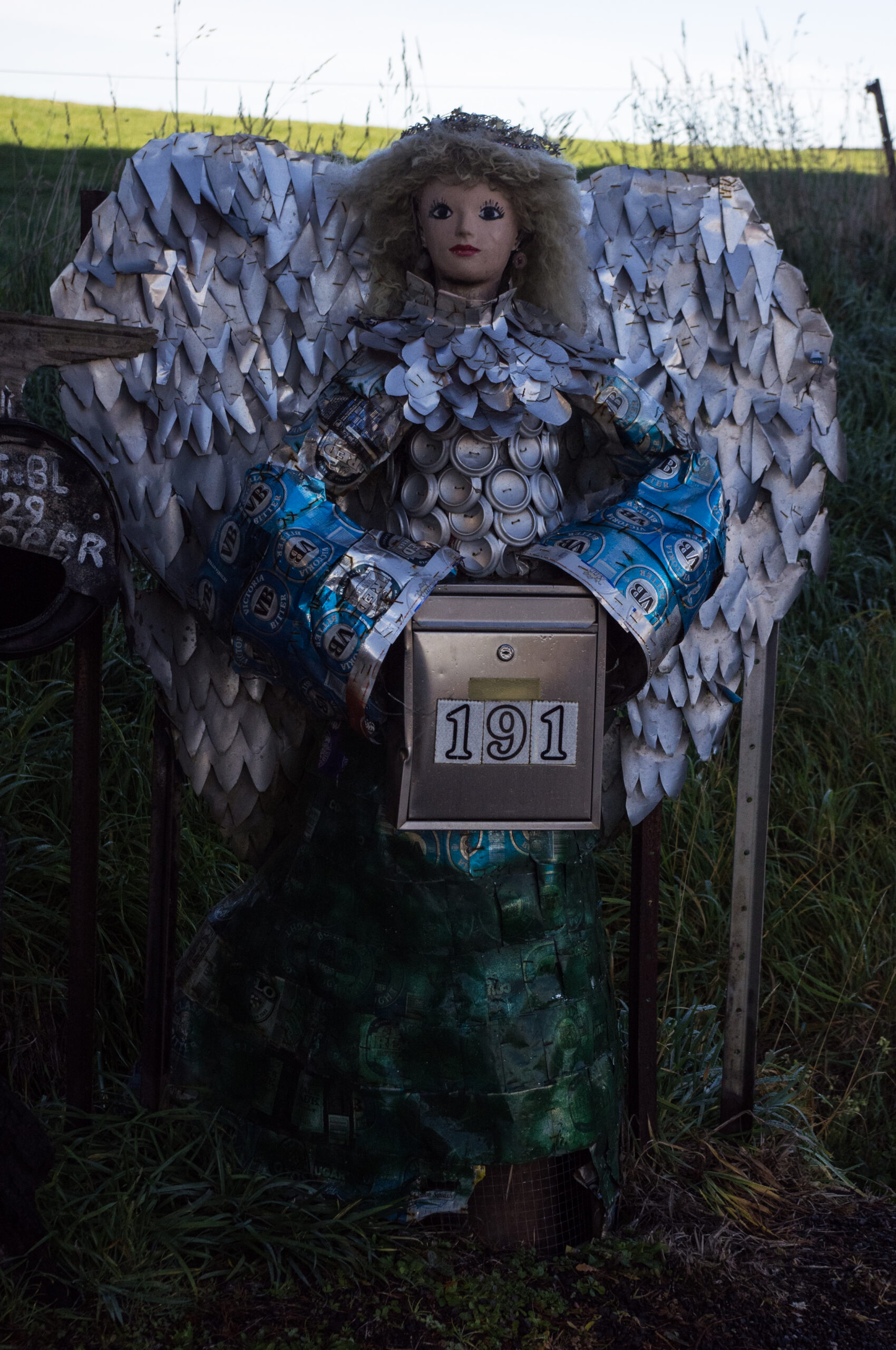
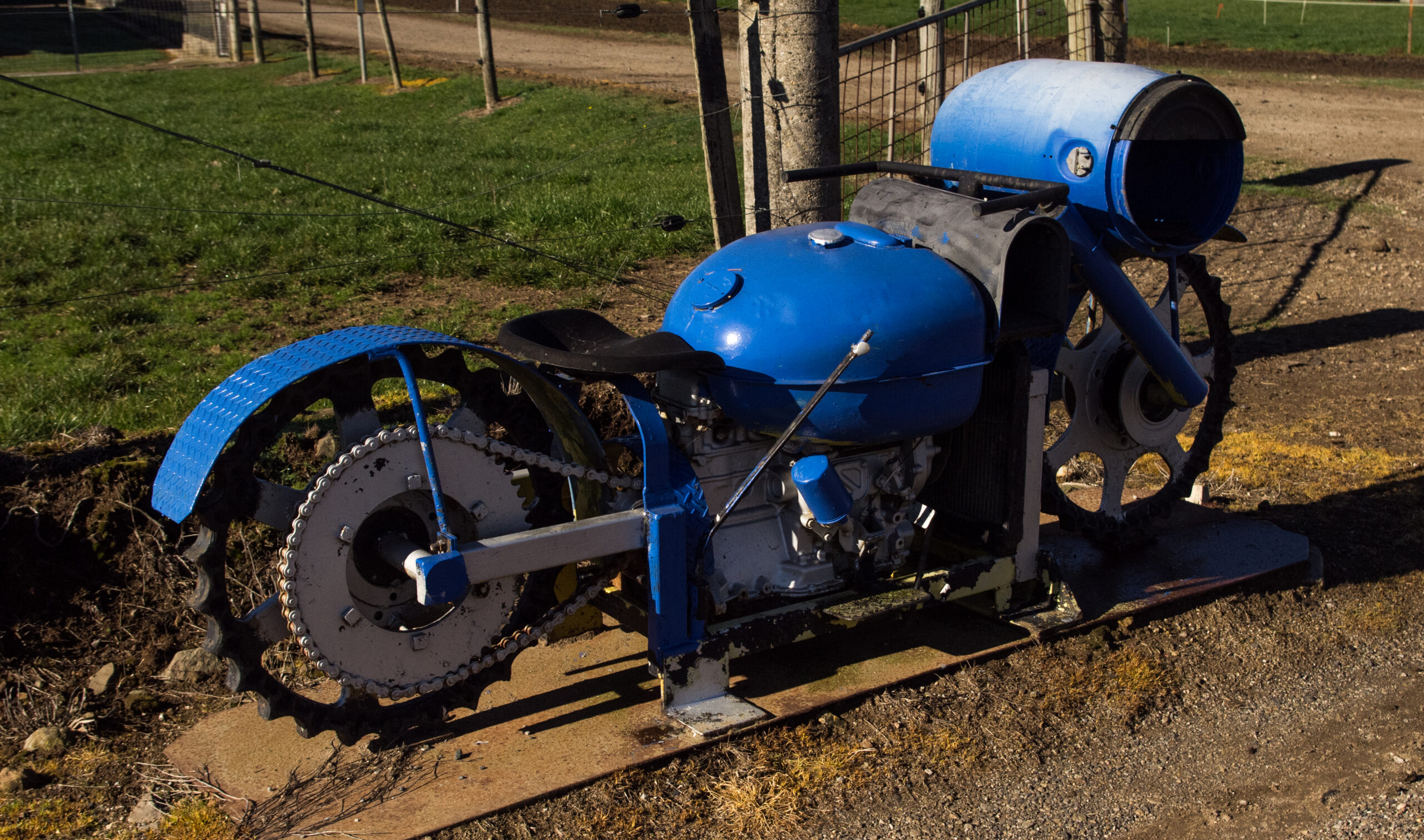
My next task was to give my imagination free rein to turn it into something more whimsical. I felt that the barbecue on its own, while still perfectly functional as a letter box, needed something more to catch the eye and give it that wow factor. As you can see from the other examples I have included, inspiration comes from a wide variety of sources, ranging from an angel made of beer cans and a concrete mushroom to a farm bike made using bulldozer sprockets. Some are simple, others intricate and complex, but each has a unique character. It’s this uniqueness that makes building one of these such a pleasure in itself.
I decided to construct a stylised version of the black egret to sit astride the mailbox and give it its individual character. (The black egret has a unique way of catching small fish by using its wings as an umbrella to shade the area it is fishing. Presumably, small fish are tricked into thinking that the shadowed water provides a safe haven.) Its weight, while not great, will also help hold the lid of the mailbox down in windy weather.
I also think that an integral aspect of making a bespoke, whimsical mailbox is to use and repurpose the bits and pieces we all have lying around in the shed to make something truly unique. For me, it’s this exercise of the imagination that makes the project interesting. Otherwise, why not just tootle down to the local hardware store and buy something off the shelf?
Accordingly, an assortment of steamer basket “flaps”, a discarded ride-on mower roller, some wood, and a couple of bits of 6mm rod were pressed into service to become “the black egret”.
Get a bloke in
If you are intending to use an old pressure vessel or fuel container for a project such as this, or are at all uncertain of your own ability to do this part of the project, take it to a company that can do it for you.
They will have access to inert gas to flood the container and remove any oxygen before cutting or drilling into it, so that it no longer presents a hazard.
Once the container has been opened to the extent that it can no longer confine the explosive gases that can build up during the cutting process, it is safe to work on it to complete your project. The opening must be sizeable; for example, just removing the valve on an LPG bottle is not enough. The rate of gas expansion if the vapour combusts will exceed the opening’s ability to dissipate it, with potentially disastrous consequences.