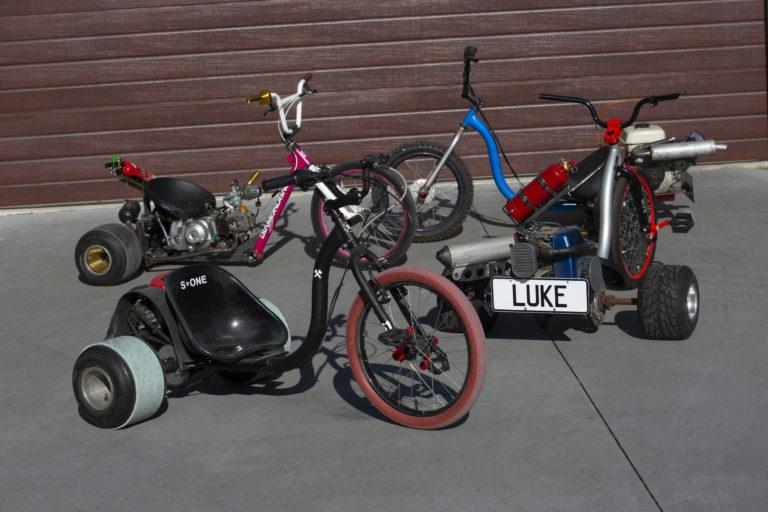
Motorbike customisation – CGR916 Café Racer
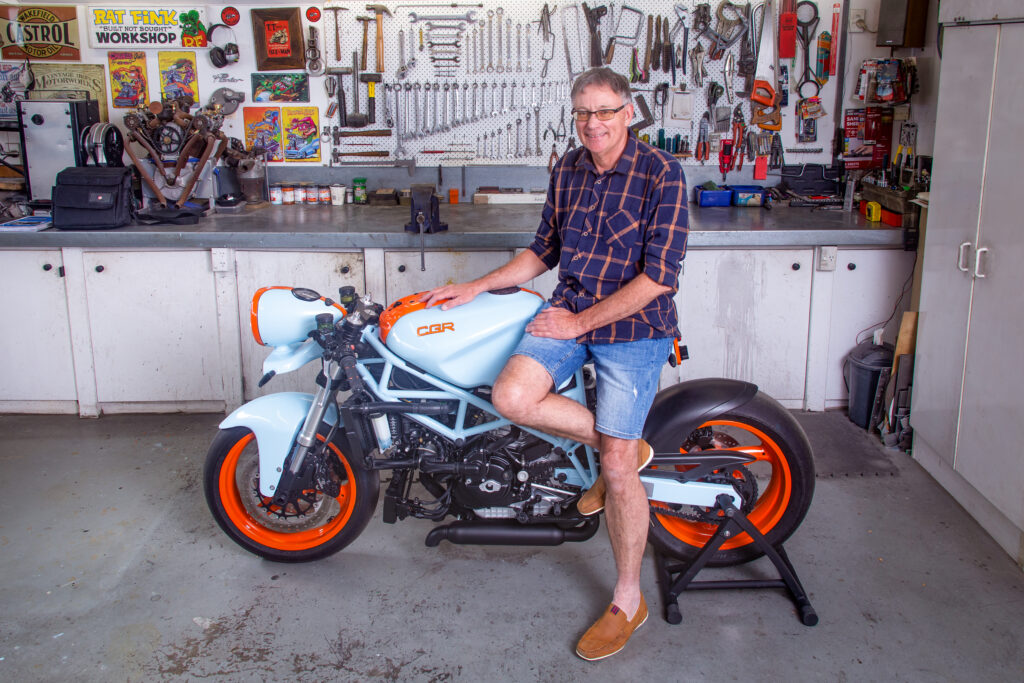
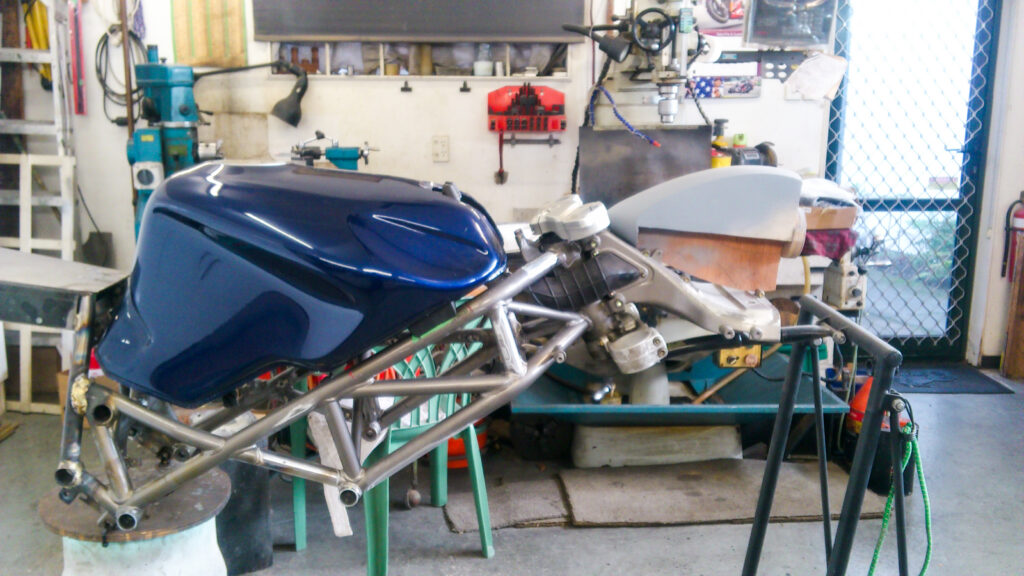
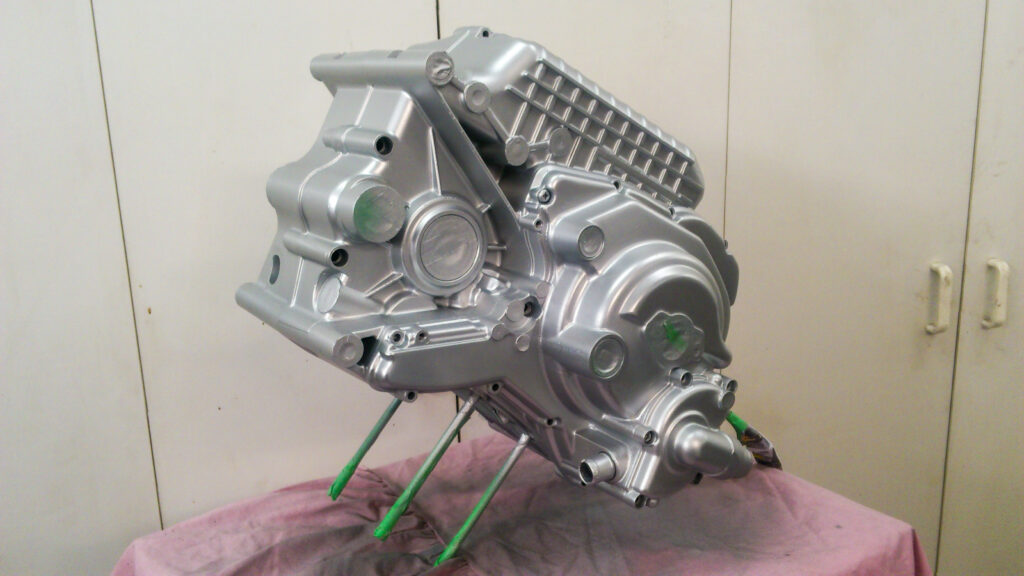
Accomplished sheddie Chris Gordon’s extensive shed work continues, but this latest project comes with a Ducatisti advisory warning: This article contains graphic images and descriptions of procedures that some Ducati fans may find disturbing. Reader discretion is advised.
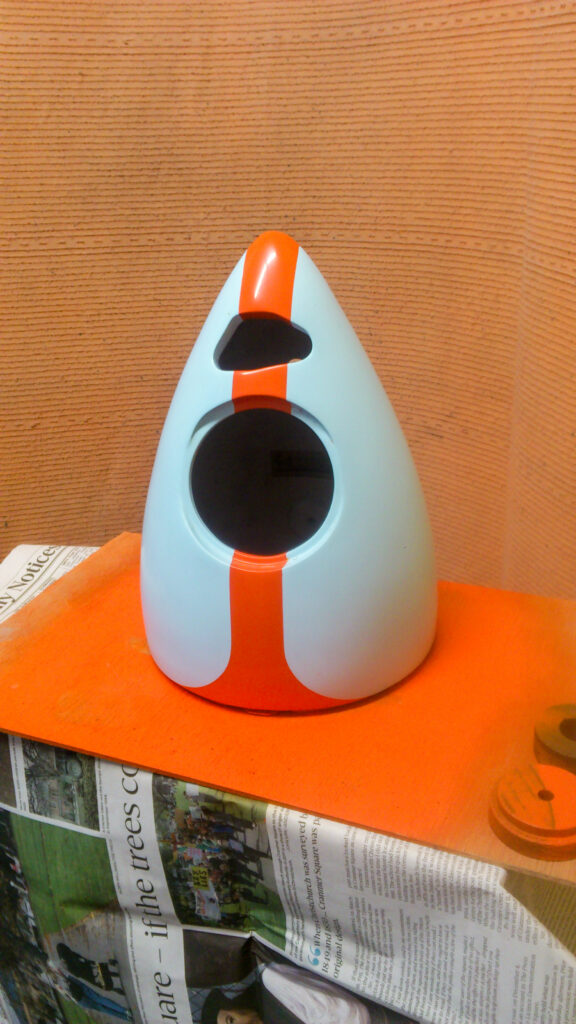
Chris wondered: with my previous projects completed, what to do next? Another motorcycle project would be good. I’d never done a café racer. The Gulf Racing livery was nice. What if I combine all of these? I say yes.
Consideration was then given to what base vehicle to use. By chance, a work colleague’s beloved 2001 Ducati ST4 Sports Tourer had recently suffered engine failure, leaving him stranded somewhere in the bowels of South Canterbury. Although the bike had been taken to a safe location, he couldn’t see a viable way forward for getting it back on the road.
It’s where?
Discussions throughout the week resulted in a deal being done, and then I was the proud owner. Slight wrinkle: it was in Woodbury, a small town just out from Geraldine, South Canterbury. A van trip south, and the bike was in my possession. During the loading of the bike in Woodbury, it became very apparent that this was a hefty beast. As I work alone, special considerations and handling techniques would be required to prevent further damage to the bike… or indeed, me.
To purchase a copy of this edition, head here to our online store
A new home for this Men’s shed
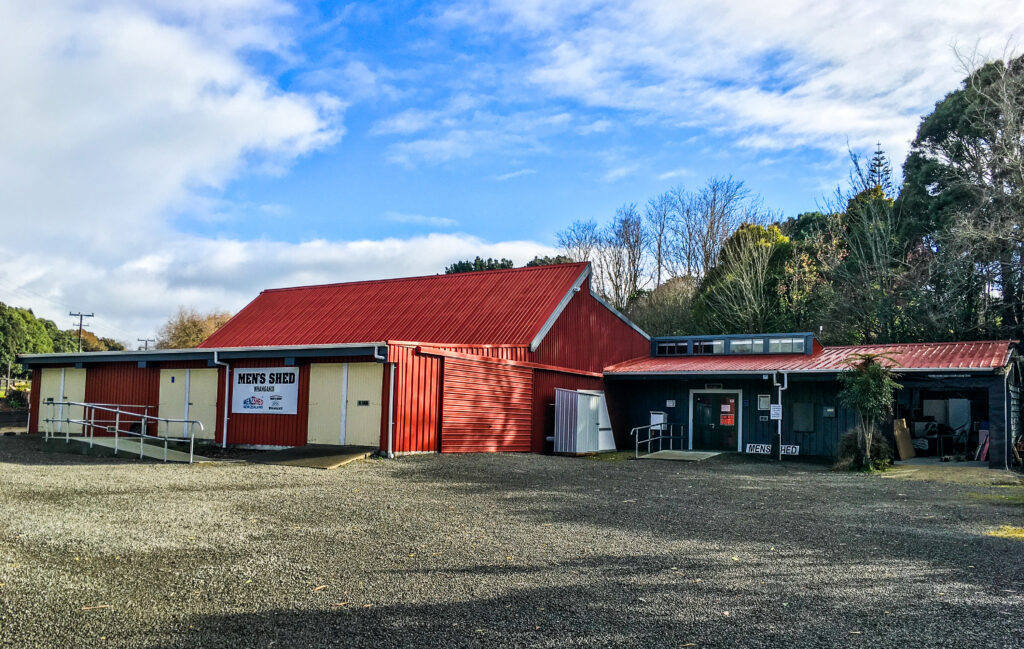
The Whanganui Community Men’s Shed Trust Inc has found a new home.
The Trust opened in March this year in what used to be the Auto Barn of Whanganui businessman and vintage car collector, Ed Boyd.
After many months of searching and putting the word out in the community, local business owner Hinemoa Ransom-Boyd offered the Trust a 15-year lease in the space that had once housed her late husband’s large collection of vintage and classic cars.
Hinemoa came to the rescue and said, “Well, I’ve got the Auto Barn up there, and I’ve got rid of quite a few of the cars. I can move the rest out too”.
President Bevan Chilcott and long-time member, Ian Chamberlain, gave us a guided tour of the premises and at around 450sqm, this is the largest space the Trust has occupied.
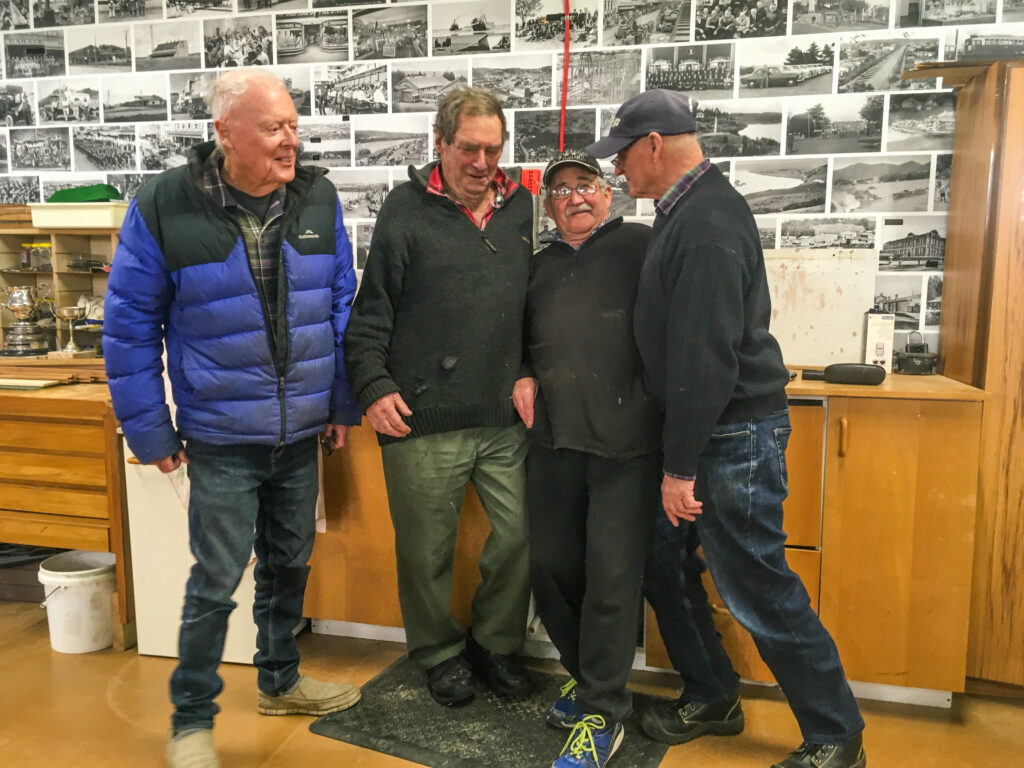
From the archives: Growing up
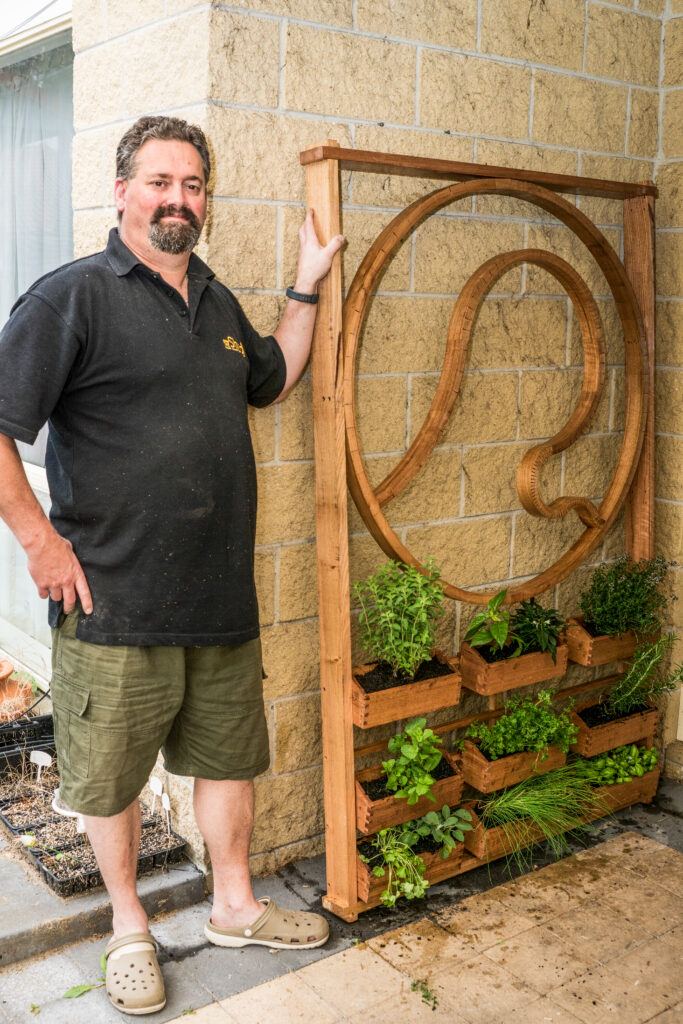
A decorative vertical herb planter is the perfect outdoor addition to the barbecue area for summer.
Spring is here, and summer is just around the corner, so I’ve decided to work on a simple project with an outdoor feel.
Some vertical gardens out there are as simple as a couple of pallets attached to a wall, or a wooden frame with a grid of rebar attached, and they can look (and work) very effectively.
The vertical garden I have come up with here is meant to combine functional and artistic considerations. The top section contains a free-form design in timber, extensively using the timber-bending technique known as kerfing. In time, the intention is to fill each section with planter foam and use plant colour to accentuate the forms.
Rotting hull to speargun pro
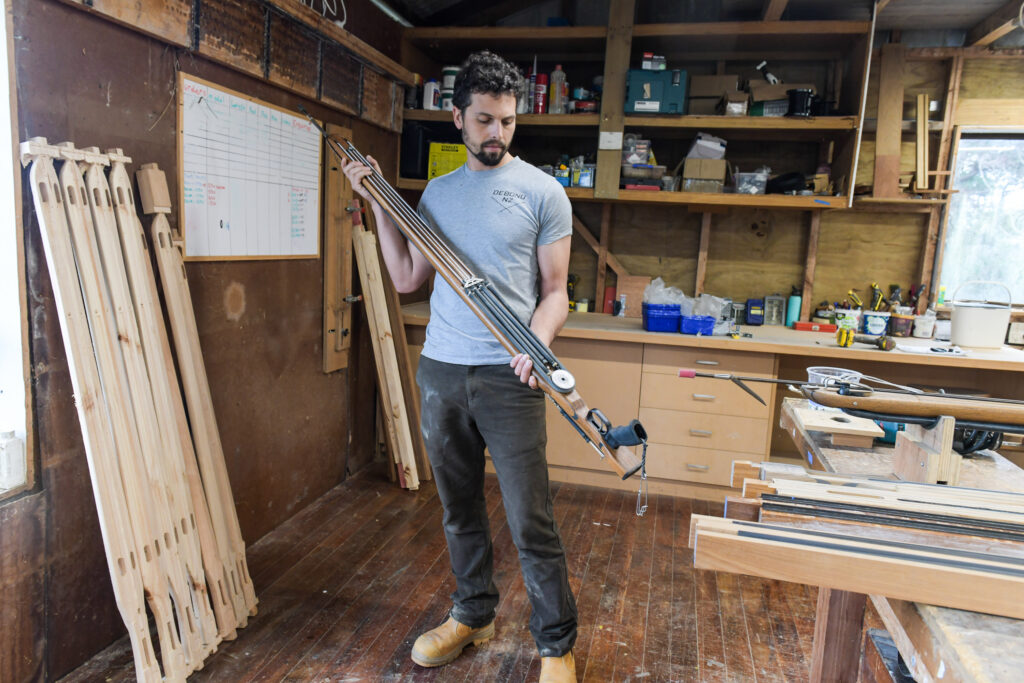
The restoration of a newly bought boat with a rotting hull gave Matt Debono a challenging apprenticeship that equipped him with the knowledge and confidence to start making high-quality hardwood spearguns. He quickly discovered the benefits of constructing them with the assistance of a CNC machine.
When first-time boat buyer Matt Debono discovered that the hull of his newly purchased vessel was plagued with rot, he decided not to jump ship but to rebuild it himself.
It was a significant restoration job for any budding boat builder, yet for greenhorn skipper Matt, whose only completed woodworking venture to date was a stool crafted in high school, the learning curve could not have been any steeper. It was an apprenticeship by fire, one that would furnish him with the knowledge and confidence to attempt another passion project: making superior-quality hardwood spearguns.
Five years on and after spending a decade of weekends rebuilding the boat, Matt is now redeploying his energy into upscaling his speargun side-hustle to a full-time, wholesale-capable company. It is a huge leap forward, one that he is making with the aid of a freshly minted Genesis CNC machine; technology which in itself presents both a new set of digital challenges and a frontier for innovation.
Motorbike restoration
Restoring a 1952 AJS – Part 12
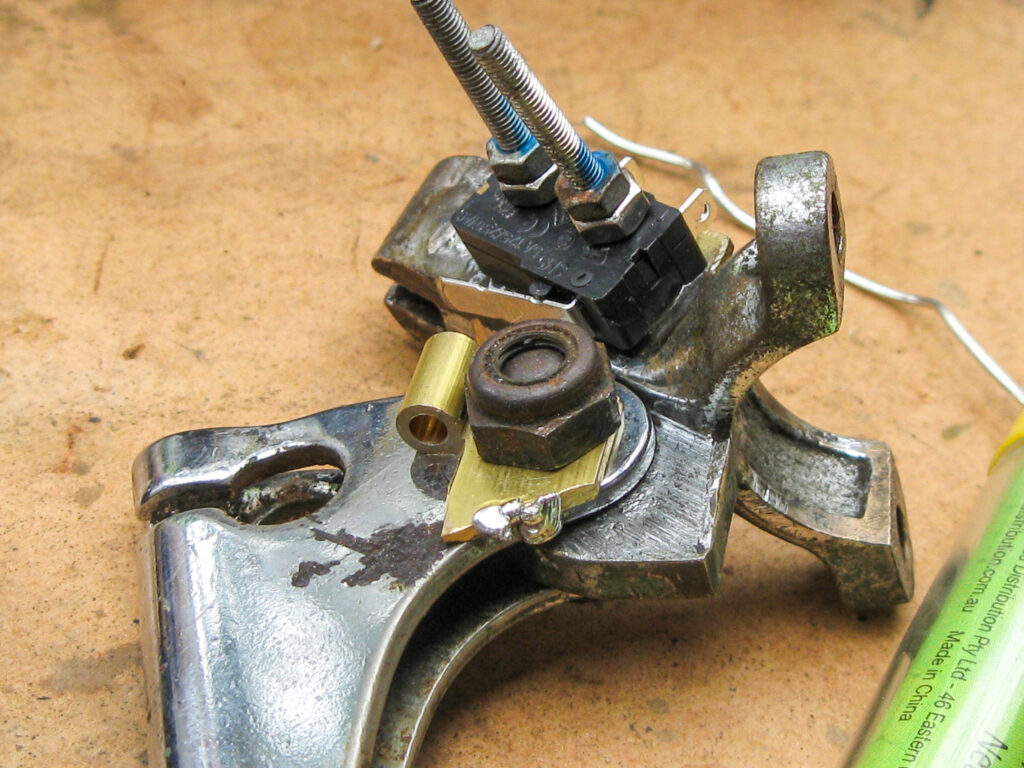
Peter laments some restoration errors in this instalment. Several times he has installed parts only to find that before he did X, he should have done Y.
The fact that many parts come from a variety of machines is a possible excuse; however, some dismantling and reassembly is now called for.
It’s been two years since I started writing these articles here in The Shed about my old 1952 AJS “bitser” motorcycle; originally I thought the whole project would take about one year.
There’s no doubt that would be true if I put forty-hour weeks into it, even allowing for the setbacks I have encountered. The latest problem I found, mentioned in my last instalment, was that I could not fit a new clutch cable due to my incorrect (reversed) fitting of a couple of frame plates between the motor and the gearbox. At first sight, it looked as though I would have to dismantle the bike in order to swap them over.
Several times I have found myself having installed parts only to find that before you did X you should have done Y.
The fact that my parts come from a variety of machines (and I can’t remember much partial disassembly done 50 years ago) is a possible excuse in some cases, but really the problems come from me not thoroughly inspecting and measuring the bits, and analysing the procedures beforehand; also not checking and questioning the assembly as I proceed.
A masterpiece hits the rails
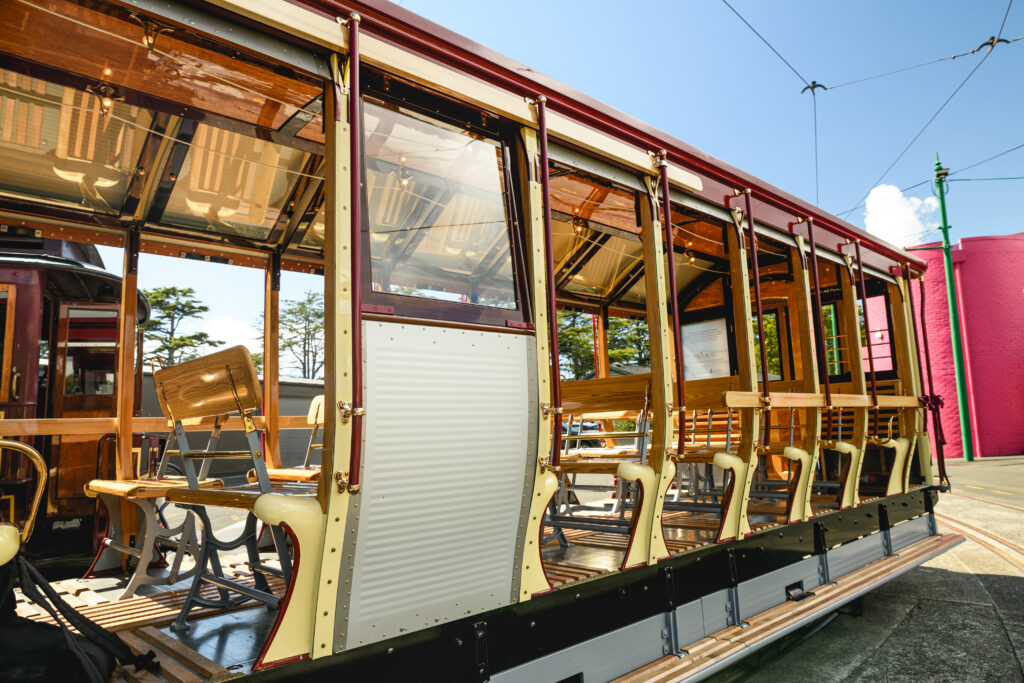
MOTAT was gifted this Whanganui City tram back in 1967. Finally, after decades of work and storage, its rebirth is complete. The restoration is a remarkable product of love and persistence, and the result can only be described as exquisite.
If this event had the air of a gala outing to the seaside, it is because, in a sense, that is what was being re-created.
When the big ribbon was cut in March of this year, MOTAT celebrated the end of one of its longest-running projects, the restoration of the Wanganui Borough Corporation’s tram trailer No 21, now reunited with and pulled by a vintage steam tram motor from the same home town. The track ran to Castlecliff, Whanganui’s beach suburb, and the trailer’s fully opening sides were no doubt a part of the attraction of a tram ride to the seaside for Whanganui’s last-century citizenry.
The restoration is a remarkable product of love and persistence. Every part of the tram, down to the tiniest detail, is perfectly finished, so much so that long-term project volunteer John Miller concedes that the trailer probably looks better now than it ever had throughout its working life.
Electrical problems – why doesn’t it go?
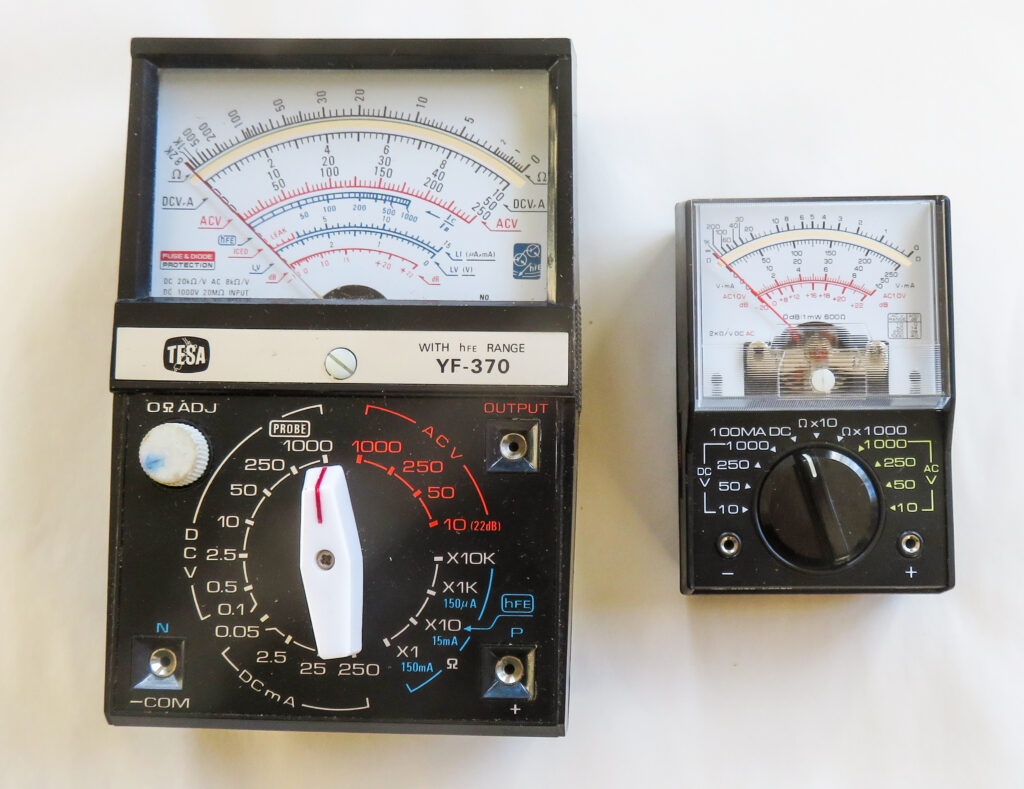
As a registered electrician for most of his life, Sandy Fergusson felt he should offer some basic electrical info to readers and extol the virtues of owning a $12 digital multimeter.
Everything is electrical today – there is the voltage that runs things and the wires to get it there. A recent The Shed magazine letter to the editor from a reader described problems with his battery-driven tool. The problem was the chargers weren’t working. A tool, a digital multimeter, which costs only a few dollars to purchase, would have quickly pointed him in the right direction. They are available for less than $12, probably with a manufacturer’s label, Protech or Crowman. The same meter with a different label might cost as much as $40 at some shops.
Basic woodworking
Mortise and tenon part 2 – a cabinet project
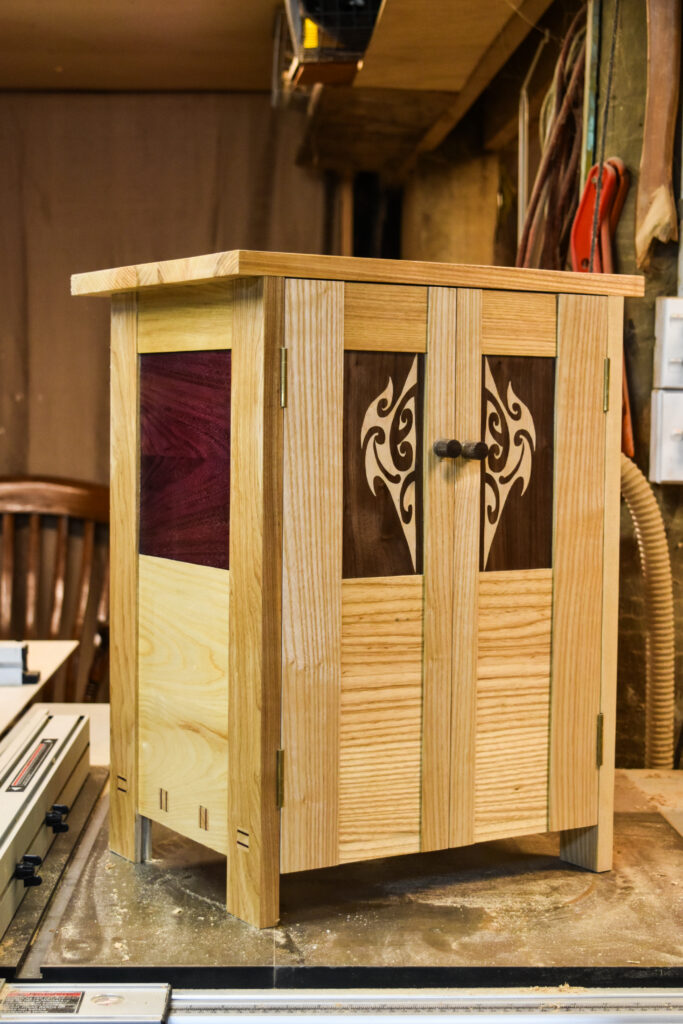
In the previous issue of The Shed, issue 128, Edward explained how to make a mortise and tenon joint. Now it’s time to put that knowledge into practice with this stylish cabinet project.
The idea for this cabinet design was initially inspired by English Arts and Crafts furniture from the 1920s.
I intended to design a project that incorporated different types of mortise and tenons for both practical and aesthetic purposes. I hoped this design could have several uses depending on where you want to stop making. Ranging from a side table to a fully enclosed cabinet with doors and a drawer, built to a size you want, a level of complexity suited to your ambition and using hand tools or machines.
This project will challenge your skills, yet the design is flexible enough to be built in several ways. If you don’t want to attempt the feature jointing or delve into the process of chopping out mortises and sawing tenons, use biscuits or dowels instead. Just have fun with it.
Off the grid: Consolidating, philosophically
With management out of town, Murray turns the sitting room into a rope maker’s workshop to complete his favoured Amokura model. Happily, YouTube clever buggers and the current world situation with oil keep him alert and focused.
New things are dopamine hits, for sure. But if you’re not into perpetual discarding – and I’m not – there comes a time when you need to finish, to do, and increasingly to fix, what you’ve already got. So I’m attempting to finish off the unfinished; to do the yet-to-be-done; to fix the broken. To consolidate.
Plus which, she’s been away in Oz again. Says it’s to visit her ailing mother (I note this isn’t the first time that excuse has been used…).
So for a while the Amokura model got to live on the sitting-room table, Humbrol cans strewn everywhere. And I added some gingerbread to the inside of the house. The latter meant dust and shavings trodden from a—– to breakfast-time; the latter becoming increasingly variable, depending on how long I stayed up going down YouTube rabbit holes.
Route 79 Museum
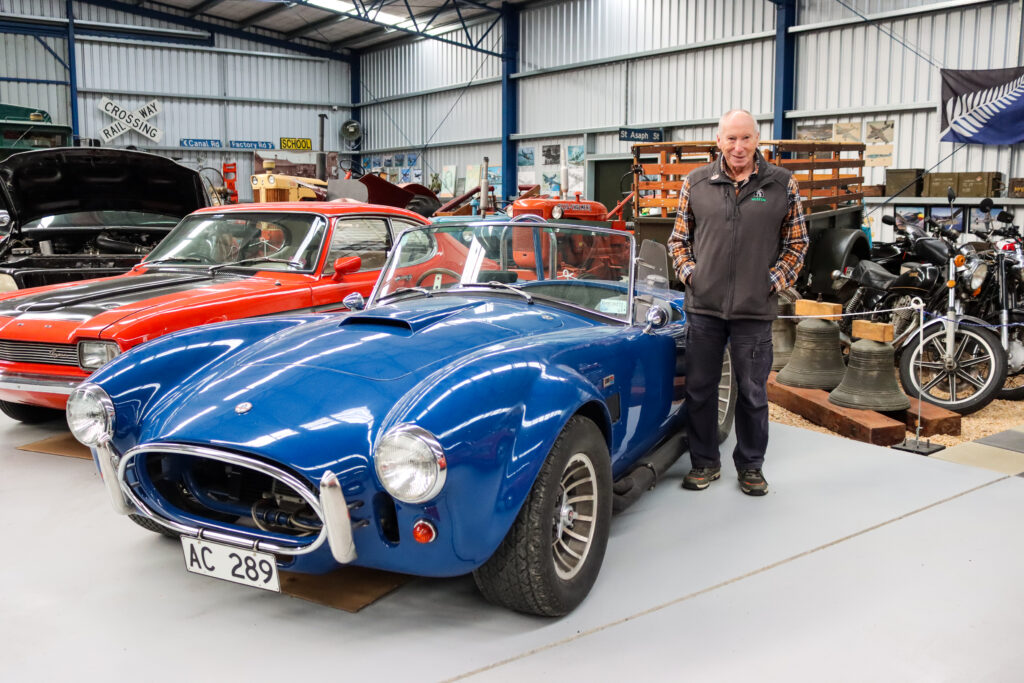
Inside Geraldine’s hidden treasure. A passionate, varied collection of vehicles.
Geraldine could claim to be New Zealand’s museum capital.
Despite its small size, the town offers plenty to explore, with around five different museums. Tucked just off State Highway 79 on the way through to Mackenzie is Route 79 Museum. We went along to check out Paul Robins’ ever-growing collection for ourselves.
What began as one man’s passion for all things mechanical has grown into an impressive private collection that continues to expand year after year. Owned by Paul Robins, the museum is packed wall to wall with cars, tractors, motorbikes, artillery, machinery and memorabilia. Each piece tells a story, and somehow there always seems to be room for one more addition.
Ham Radio: Part 3 – Extending the reach
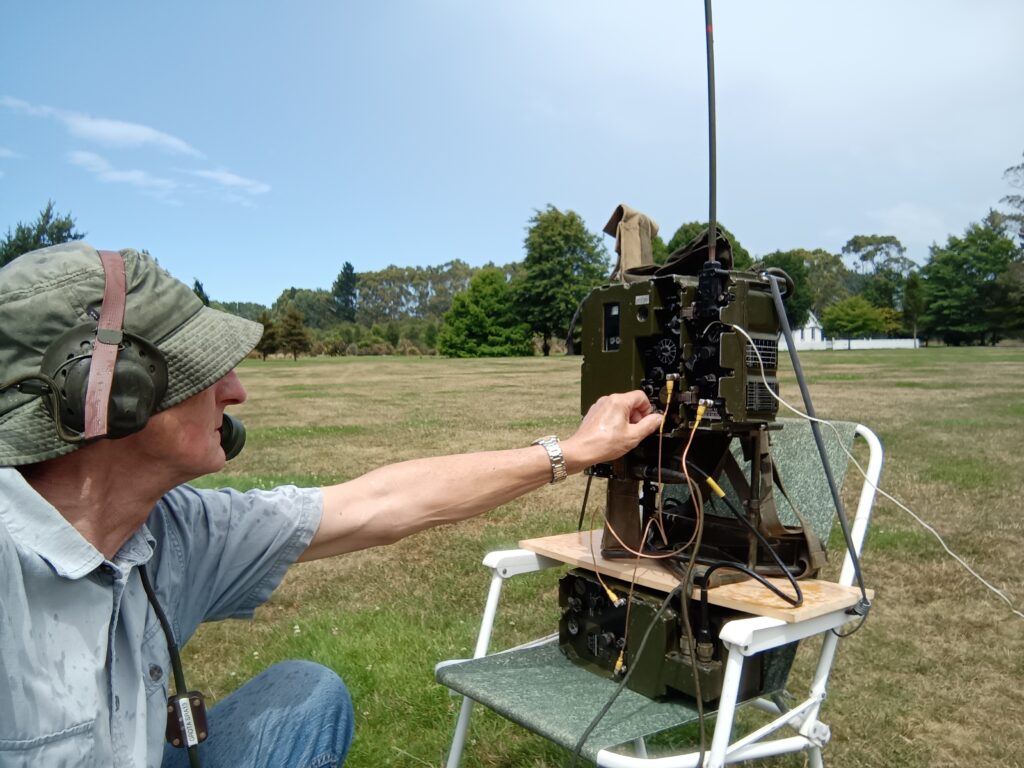
Nigel Young goes even deeper to learn all he can about Ham Radio and is surprised to discover the strong use of Morse Code. Plus, he explores aerials, antennas, the tricky Moonbounce, and the future of this unique method of communication.
In the previous article, we looked at two interesting amateur radio projects.
The first involved the International Space Station and the Diamond Harbour School. The other was sufficiently significant in the world of radio communications that the AI I use described it as: “That passage you’ve shared is hugely significant in the amateur radio world – it’s not just a technical achievement, but a moment of real exploration and boundary-pushing … That’s like whispering across a continent and being heard clearly. It defies normal expectations.”
The project in question was the 2040-kilometre-long Trans-Tasman link-up using the 10GHz frequency. A frequency which is usually considered very successful if you can get 100 km long. In other words, 10GHz is typically associated with short line-of-sight contacts.
Beyond the Valley of the Dolls
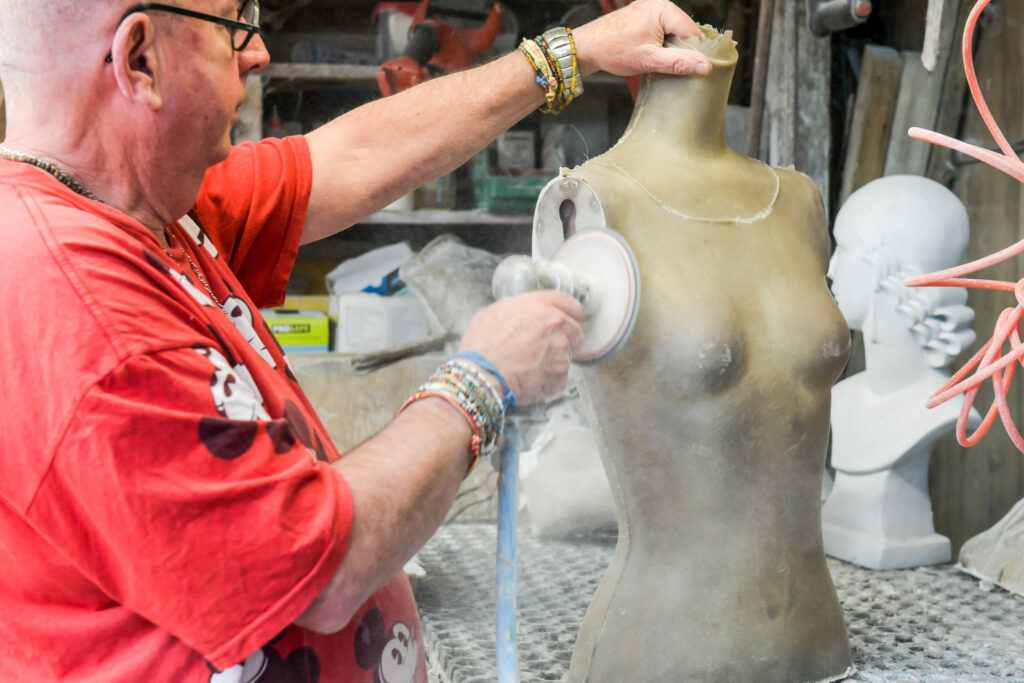
In the 1970s, the Department of Labour sent Glen Wilkin-Holland to the Purfex mannequin factory. He had long hair, too much jewellery and make-up. The owner, Austin Purdy, was a rugby, racing and beer sort of bloke. He took one look at Glen and said, “You’re a creative type; you’ll be perfect for the job.” Now Glen owns the Purfex mannequin business, one of the very last of its type in NZ.
In the medium-density suburbs of Auckland, backyards are becoming something of a novelty, sheds even rarer.
Yet on Glen Wilkin-Holland’s overgrown quarter-acre in the heart of New Lynn, not only does he run a shed-based, mannequin-making business called Purfex, but he has also converted a former tool shed into an active Vaishnava interfaith temple and operates an informal, though thoroughly maximalist mannequin showroom from inside his home.
This humble enterprise is the last local mannequin company standing, upholding an 80+ year legacy of pioneering mannequin-maker, Austin Purdy. It could be said that Purfex, which began life in a suburban basement back in 1939, has come full circle, back to the burbs.
Know your stuff – The Shed Quiz No. 10
You’ve got a shed, and you know how to use it – but do you really understand how everything works? Test your sheddie knowledge.
Plus: The Shed Cryptic Crossword No. 7 – by Maya

The Shed Shrink: Local focus
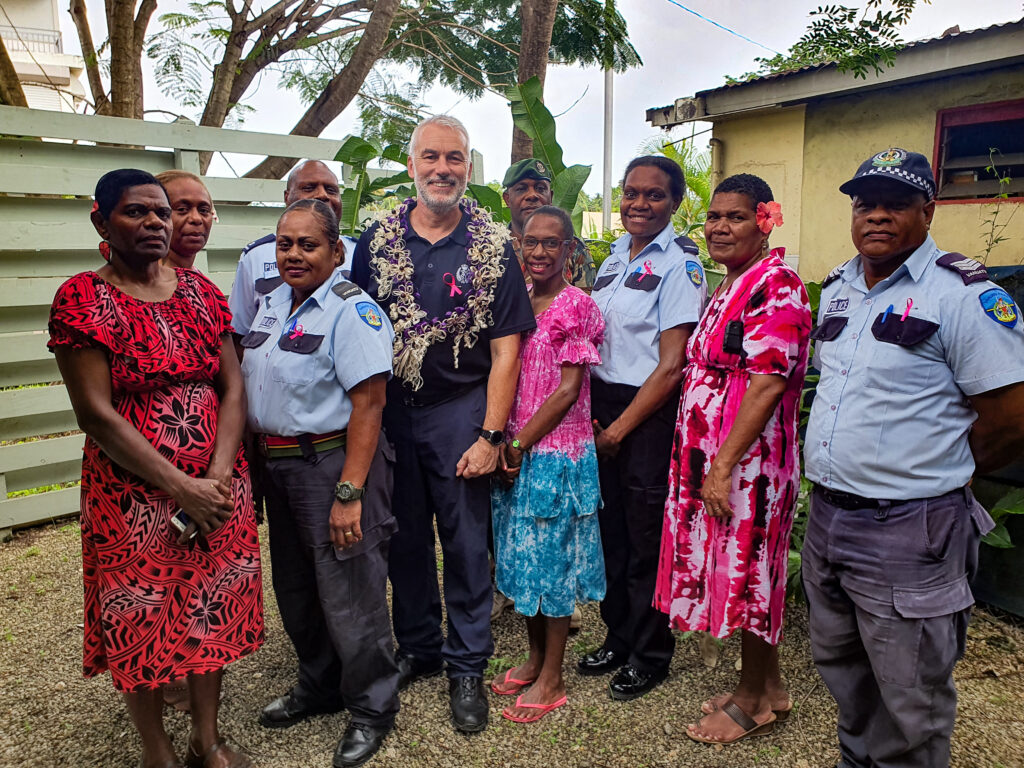
Our shrink meets an ex-police officer who has not only done exemplary service here for us, but has also served overseas in conflict zones and trained locals in policing.
Keeping things local, I put a call out on the Selwyn Facebook Community Page looking for story leads for The Shed magazine.
To my surprise, Matt Emery’s wife got in touch. Matt was a little hesitant at first but kindly agreed to sit down over a cuppa and share a few yarns from his career. Thanks, Matt, for giving us a rare firsthand look into the life of a veteran New Zealand Police officer and Armed Offenders Squad member.
Matt’s first posting after Police College took him back to the streets of Porirua, his hometown, where community policing gave him the grounding to become a good cop. He says the ability to talk with people, listen properly, and show respect has stayed with him throughout his career. Most of the time, he reckons, respect is returned, though like any frontline officer will tell you, some days don’t quite follow the script. When I asked about support for officers on the front line, Matt said debriefs are now a vital part of the job, helping build trust and ease the fatigue and stress that can build over time.
Back O The Shed
Jim Hopkins – a Kiwi shed legend
I was shocked to hear that Jim Hopkins had died recently.
Jim was my predecessor in this column, something that we have had since the start of The Shed magazine. Jim was a major influence when I started the magazine back in 2005. His books on Men and Sheds and Inventions From The Shed demonstrated that there was an opening for the kind of magazine that I envisaged for The Shed. Something for artisans and tinkerers alike. So Jim was one of the first people I contacted and asked to contribute.