




The Stude-Maker
Studebaker marketed their groundbreaking 1950 Aero-Nose models as “luxury for everyman.” A young Trevor Halstead thought this was a bit of him, so he began purchasing Studebakers in the early 1970s. The fact that the Champion model he chose was $50 less than the Ford he really wanted did play a small role in that life-changing decision. As they say, the rest is history.
“To the man on the street, they became known as bullet noses, and while they proved to be Studebaker’s best-selling model in 1950, those aero-lines did not age so well, and by 1952, the company reverted to a more conventional front end.
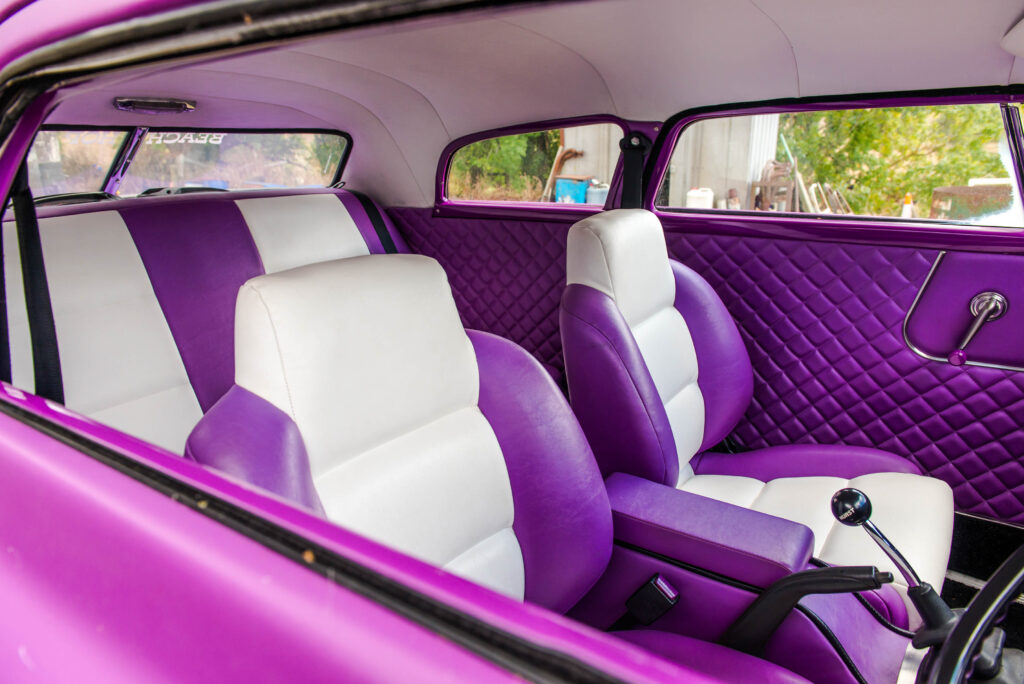
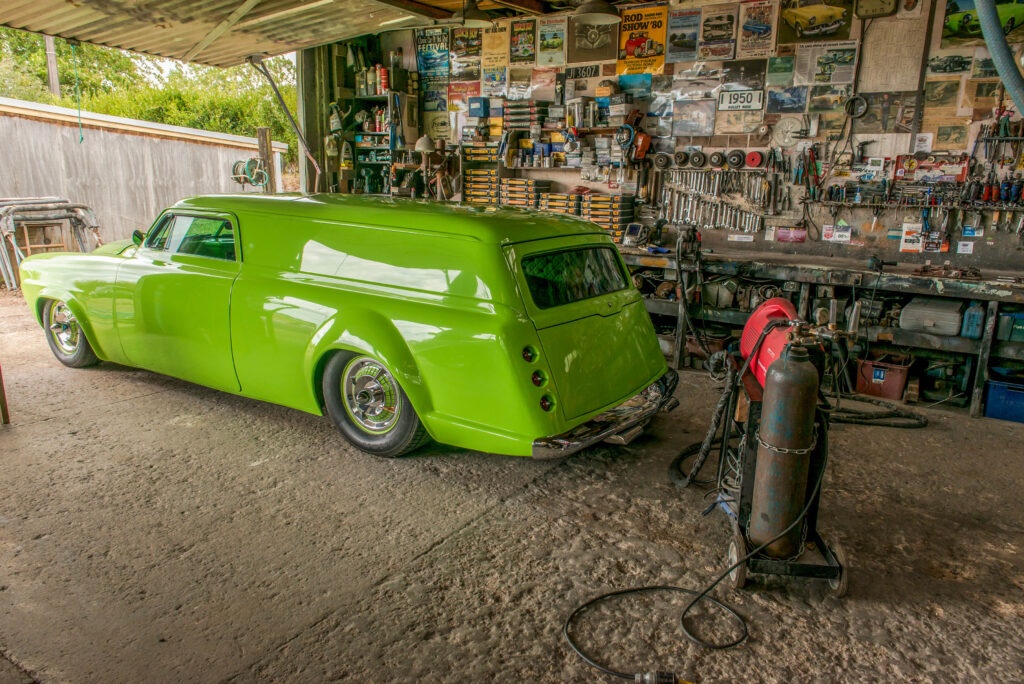
Fast forward a couple of decades into another hemisphere, and a one-man Studebaker ‘Next Look’ revival was about to begin, in the workshop of Studebaker devotee and custom-builder, Trev Halstead. This time, though, those vintage lines would take on wild and offbeat shapes.
In Trev’s shed, deep in the heart of dairy country, “Studees” as he calls them, are often completely transformed: chopped and channelled; shortened and sectioned into sleek, sometimes outlandish, jellybean-coloured chariots.
Think Big Daddy Roth cartoons and vintage sci-fi fantasy. He is known for building the shapes he likes, particularly the bullet noses, and creating completely fresh lines without sacrificing Studebaker’s distinctive look. On occasion, Trev has even been known to rebuild them as stock, too.
Whatever the brief or design, every detail is methodically and meticulously crafted by Trev, whose idiosyncratic reputation is legendary in the custom car and hot rod world.
To purchase a copy of this edition of The Shed, head here to our online shop.
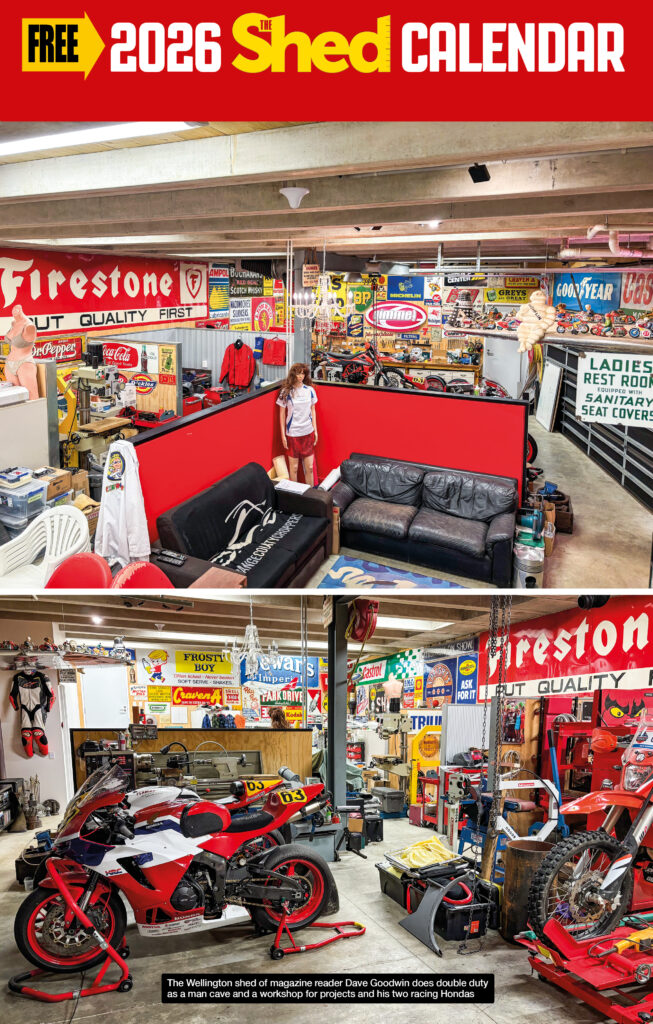
This summer edition also includes our FREE 2026 The Shed calendar, it’s what all the best shed walls are wearing this year.
Don’t miss Canmod on January 8, 2026
Every two years, MEANZ holds a national conference.
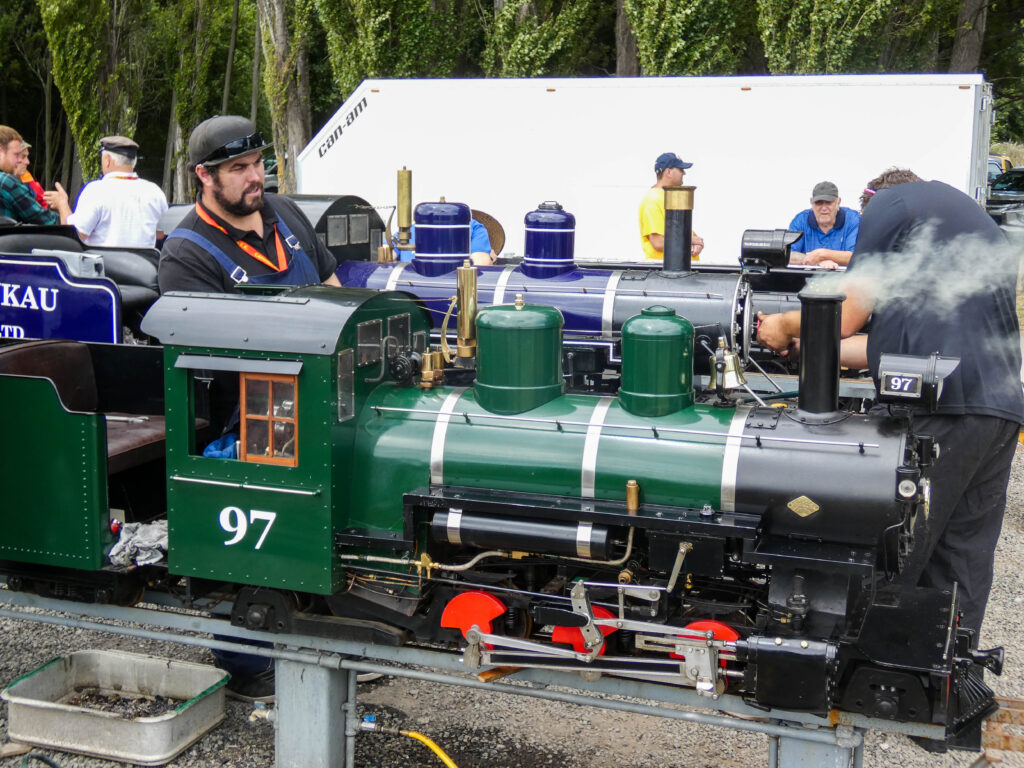
Early next year, this will be in Christchurch at the Halswell model railway run by The Canterbury Society of Model and Experimental Engineers (CSMEE), established in 1933, and will be called Canmod 2026. The CSMEE has taken over the running of the conference at fairly short notice, so Canmod 2026 won’t have all the features of the usual biannual event (there won’t be competitions or a marque), but it will still be a major event on the Model Engineering calendar.
Warm it up
A steel chimenea proves to be the perfect outdoor heater.
Outdoor fireplaces are great on a cool summer’s night and even better during the chill of autumn and spring. But not everyone has the space or the time to build a brick fireplace. Chimenea are intended to radiate heat in all directions. They are traditionally made of clay or cast metal, but they can be made of sheet metal.
The issue with steel heaters, of course, is rust. However, Corten steel is weathering steel that is intended to rust to a point and stop. It is a corrosion-resistant (cor) high tensile (ten) steel that will develop a patina of rust but not continue to rust through. It is popular as a building cladding and is often used for signs. Corten is the ideal material for an outdoor heater, precisely for this reason.
Restoring a true icon
Tiger Moths have a long and significant connection to New Zealand. Our featured plane was the first one built in New Zealand in 1939. After a busy life that included crashing on a beach on The Barrier, it spent decades sitting in a shed, awaiting restoration. In 2020, a dedicated group of aviation enthusiasts decided it was time to restore this historic Kiwi aircraft.
“The cliché is unavoidable: this is, indeed, a historic moment. The bright yellow immaculately finished biplane trundles across the sward, carving a triple trail in the dew-heavy grass. It turns onto the tarmac strip, the engine revs up flawlessly, and the DeHavilland Tiger Moth NZ 751 accelerates briefly down the Ardmore aerodrome runway and takes to the sky for the first time in several decades.”
Restoring a 1952 AJS Part 7
More suspension restoration, rims and spokes, petrol tank, and the time has arrived to attempt to start the engine.
Peter is really keen to push on and complete this bike’s restoration, but realises less haste is called for. In this part seven, he encounters numerous challenges, making him feel as though he’s playing a game of snakes and ladders, with the snakes appearing at almost every turn. It’s definitely a time for reflection.
Arduino basics 102 – External Communications
In the final instalment of this Arduino basics series, our electronics wizard, Mark Becket, shares some tips and advice on how to transmit data over longer distances. There are many options available, and while there isn’t a definitive right or wrong choice, each method has its own advantages.
“In the last few issues, we’ve covered data transfer within a limited environment. For this instalment in the series, I intend to offer a few options to send data over longer distances.
Like most things, there is no right or wrong and depending on the distance, environment and data, some options are more effective than others.
Cost may be one factor, but given the price of hardware nowadays, reliability and user friendliness may be more important.”
Step by Step: Bringing a pinball machine back to life
Simon Haxton is unashamedly a huge pinball fanatic and shares his insights, tricks and shortcuts on how to restore an old pinball machine. Restoring these gaming machines is about respect, not perfection, and minor flaws should be retrained, showing a life well-played.
“There’s a special kind of magic in reviving an old pinball machine.
Each one tells a story – sometimes of decades spent flashing and clattering in a busy arcade, sometimes of years forgotten in a dusty garage. No two are ever quite the same, and that’s part of the fun.
Every restoration begins with the same truth: a game must be judged on its own merits. Machines that have been cared for, cleaned, and maintained can spring back to life with surprising ease. But even a ‘dead’ game can hide treasures beneath the grime – a diamond in the rough, waiting to be reborn.
Since pinball first lit up the western world in the 1930s, countless models have come and gone. Many now sit silent, their lights long dark, waiting for someone to bring them back. That’s where my process begins.”
Small engine making
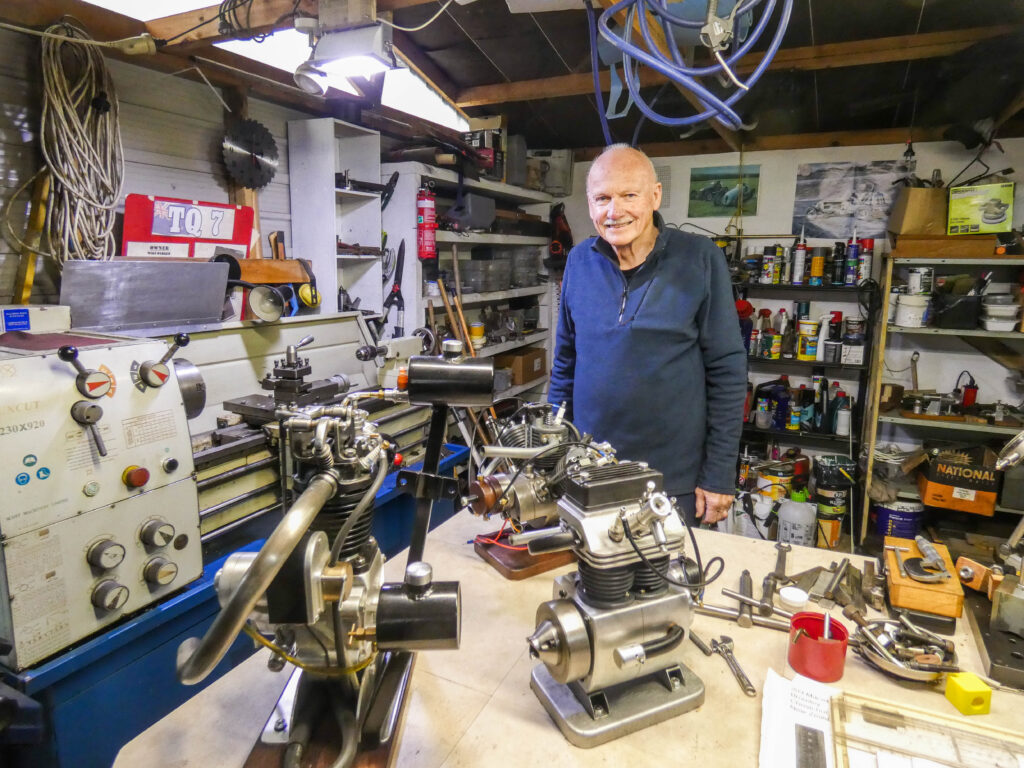
Mike Parker’s working career began as a travelling salesman; however, Mike was a bit different from your average commercial traveller. He started designing tooling machines, and then his engineering apprenticeship took him into business ownership and a decades-long interest in all things engineering. He had a passion for owning, improving and racing Speedway cars, but nowadays, he uses his skills to create some breathtaking small engines.
“In some ways, though, Mike is a bit different from the average commercial traveller.
For example, he designed and built the innovative machine which makes Arrow Nails’ fencing staples. This takes wire (made in Auckland by Wiremakers) and cuts a short length off, bends it over an anvil, slices points on the two ends and pushes the finished staple off the anvil. All in one rotation of the machine’s flywheel.
Because of the clever design, the tools which shape the staple’s points suffer little wear and only have to be reground about once a year.
As a young man, Mike completed an engineering apprenticeship in Christchurch and started and ran a couple of general engineering businesses. As a minor sideline, one of the businesses produced “about a hundred” wood lathes. He says that there is “no money in engineering”, but the experiences have left lasting effects.”
Off the grid – Patently identifying the cut of their gib
Just like Alice, Murray often finds himself heading down rabbit holes, not to Wonderland as such, but more what is this, and who made-it-land. Happily, the internet is perfect for discovering patents and tool makers from decades gone by. And then, there’s Bathurst to fuel his thinking on why we are definitely heading for a future needing simply-maintained tools.
“In the last issue of The Shed, issue 123, I touched on identifying old machinery worth saving; I’ve been doing more since and learning as I go.
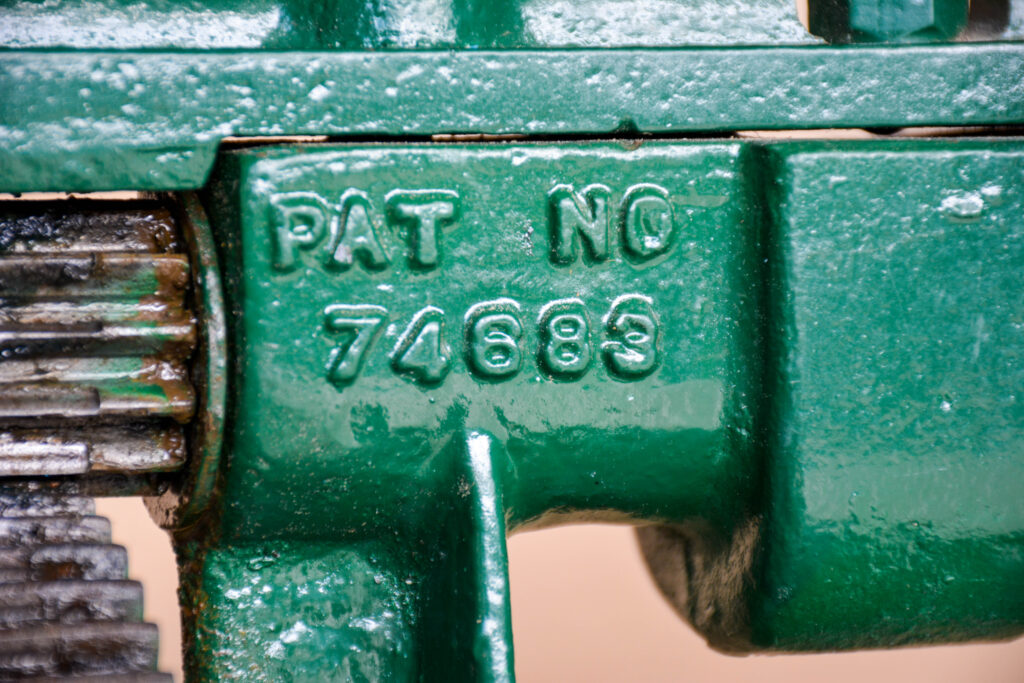
I didn’t know what a gib was until a few weeks ago. Jib, yes, I’ve hoisted a few, but gib? No, although I’ve used many over the years, unwittingly. If you’re tracing old machinery history-wise, patents are easily accessible, and this pathway often leads to learning about the people behind the item to which we are giving a new lease of life.”
The Shed Shrink – A goal without a plan is just a wish
How did your 2025 go? Our Shed Shrink suggests that 2026 won’t improve unless you have a good plan – Mark shows you how to make that plan simple and achievable.
“For most of us, fortunate enough, yes, life hasn’t thrown too many lemons at us, so it doesn’t require much effort to rustle up enough jollity to get us through the festive season.
But you only have to pick up the newspaper and read how our fellow NZ families are doing it tough, and for them, 2025 has been anything but jolly. Hoping that the year ahead will be better than the previous one could be a bit daunting, especially if you don’t have some kind of plan to create a brighter situation for yourself.”
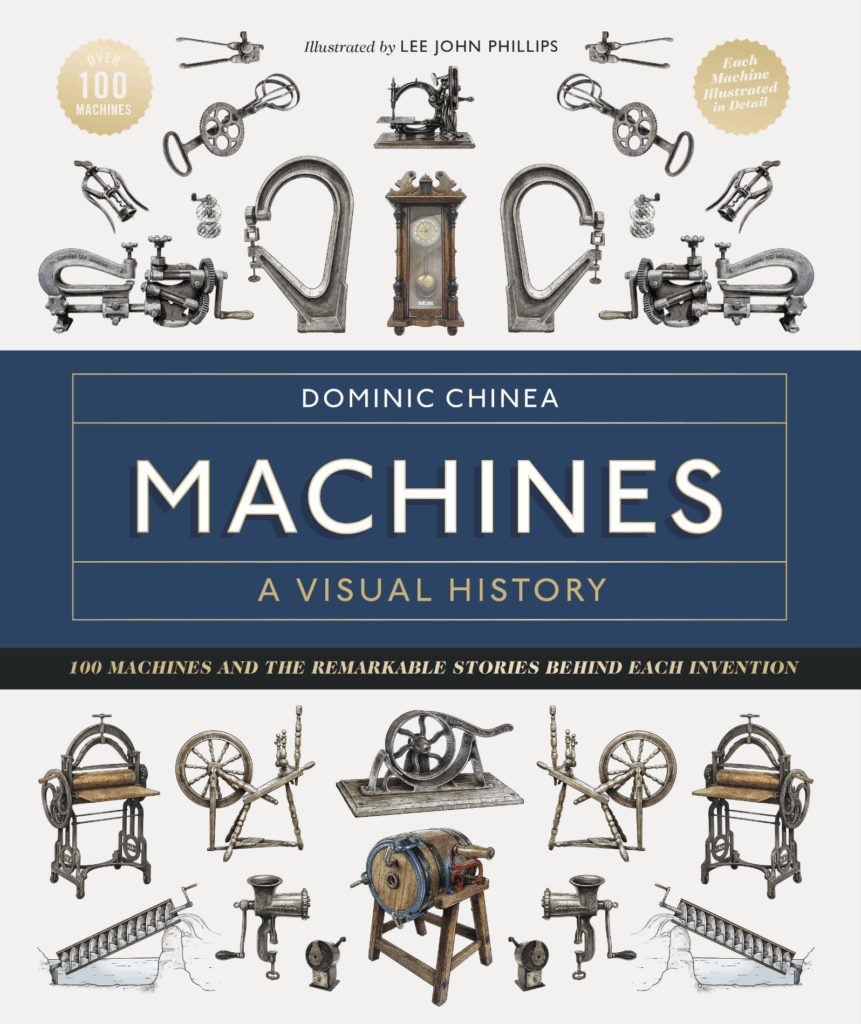
Book Review – Machines: A Visual History, By Dominic Chinea
This large-format book, with exquisite drawings by Lee John Phillips, is a companion volume to Tools: A Visual History, which was reviewed in The Shed issue 121 (June-July 2025).
“Both books were written by Dom Chinea, who is one of the craftspeople on the BBC television programme The Repair Shop. He is the one with the black beard who does metalwork (shaping, welding, riveting, etc), painting and signwriting.
He also fronts Make It at Market, another BBC show, which helps practical people into a career making and selling homemade stuff – lead lights, stone carving, baking, etc. He also has a YouTube channel showcasing his latest restorations. He has run his own set design company and has undertaken courses in sign writing and automotive body building, so he has a wide range of skills and experience. Both his books reflect his great interest and expertise in antique gear of all kinds, and he has an affection for human-powered machines.”
Woodworking – Coming ashore
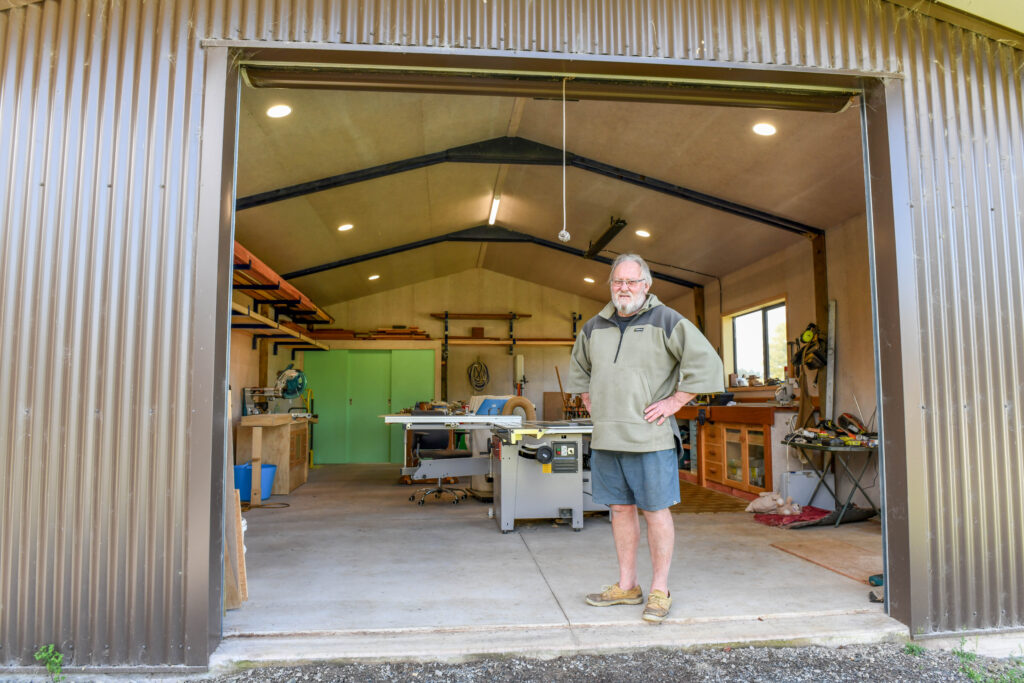
After a lifetime of working in the joinery industry, Richard heard the call of the sea and sought a life upon the ocean waves. Eventually, the draw of the shed called him ashore, where he set up his new forever workshop using a machine that has quickly become his number one woodworking tool.
“Having owned and worked in joinery shops on both sides of the ditch, Richard has a solid handle on how to maximise his workspaces.
Flexibility and portability were fundamental in this shed’s design. With the exception of a long, window-lit workbench, everything is on casters, so areas can be reorganised to suit each project and never be restricted by space. Which is where his new Hammer C3-31 Combi – a compact, five-function woodworking machine – comes into its own.”
Wood carving – Niue’s master Ebony carver
While on holiday in the tropical paradise of Niue, a member of our The Shed writing team, Helen Frances, had the opportunity to meet the highly regarded local woodcarver, Jack Feleti.
Jack has been carving since he was just 17 years old, and he shares his inspirations and techniques for creating pieces from the lush Niuean tropical forest, predominantly using the exceptionally hard wood, black Ebony.
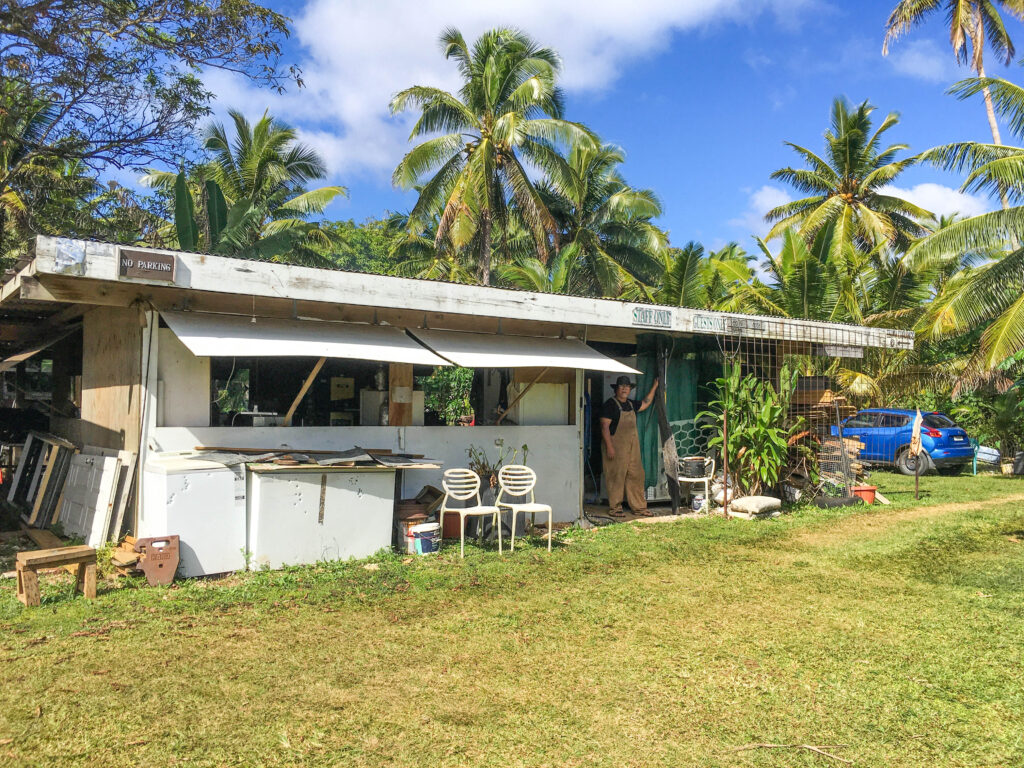
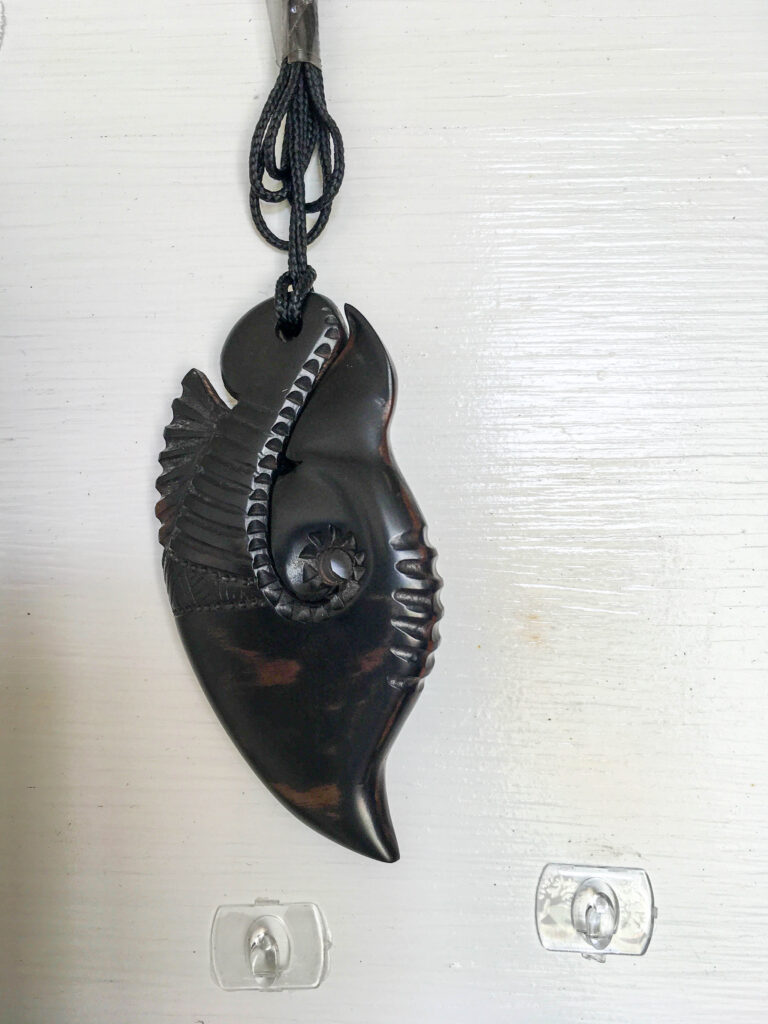
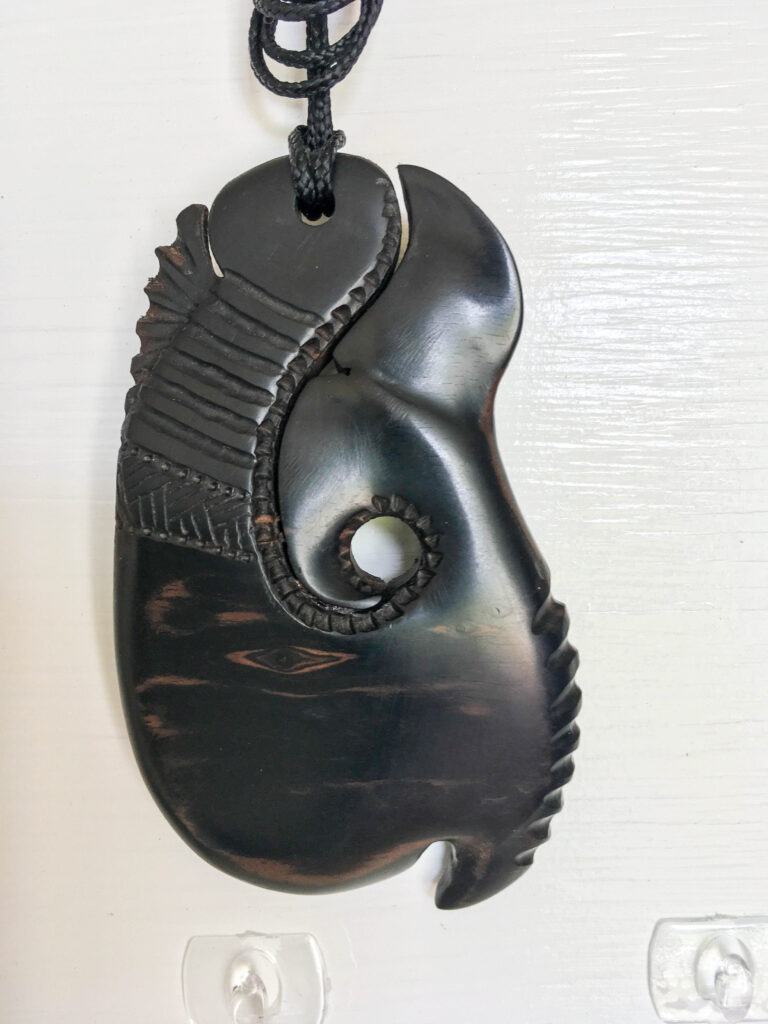
“A sign, ‘Ebony Carver,’ points the way through lush Niuean tropical forest to the shed where master carver, Jack Feleti, crafts exquisite ebony pendants, bracelets, ornamental hair combs, 21st birthday keys, decorative weapons, and other treasures.
Jack has been carving ebony since he was a boy living in Hapuku village with his grandfather. “He always had a knife and carved, so I just started off, just naturally. I used to have a workshop hidden in the bush. Nobody knew what I did.”
Aged 17, he started selling some of the carvings, “under the table like I’m a drug dealer,” and people used to wonder where his money came from. One day, Jack’s wife Vivien found two pendants in his overall pockets while doing the washing and she asked, “What’s this black thing?” When he told her he had made them, she encouraged him to continue and sell his carvings commercially, which he still does.”
Know your stuff – The Shed Quiz No. 5
You’ve got a shed, and you know how to use it – but do you really understand how everything works? Test your sheddie knowledge.
Plus: The Shed Cryptic Crossword No. 2 – by Maya
Back O The Shed – The Pattern Maker’s Vice
Jude restores a favourite old Jarrah bench and fits his trusty and now probably quite rare vice.
“As part of setting up my shed, I had planned to shorten the legs on my old workbench.
I built this workbench 35 years ago in Australia of laminated beams and Jarrah stretchers. I don’t remember where I got the jarrah, but I clearly had a lot of it. The bench was so good, I had it shipped home when I returned from Australia. It has proved a worthy piece of equipment, very sturdy, but I made a mistake when I built it, so it was always a bit too high. I wanted the bench to match the rest of my equipment, 875mm high.”