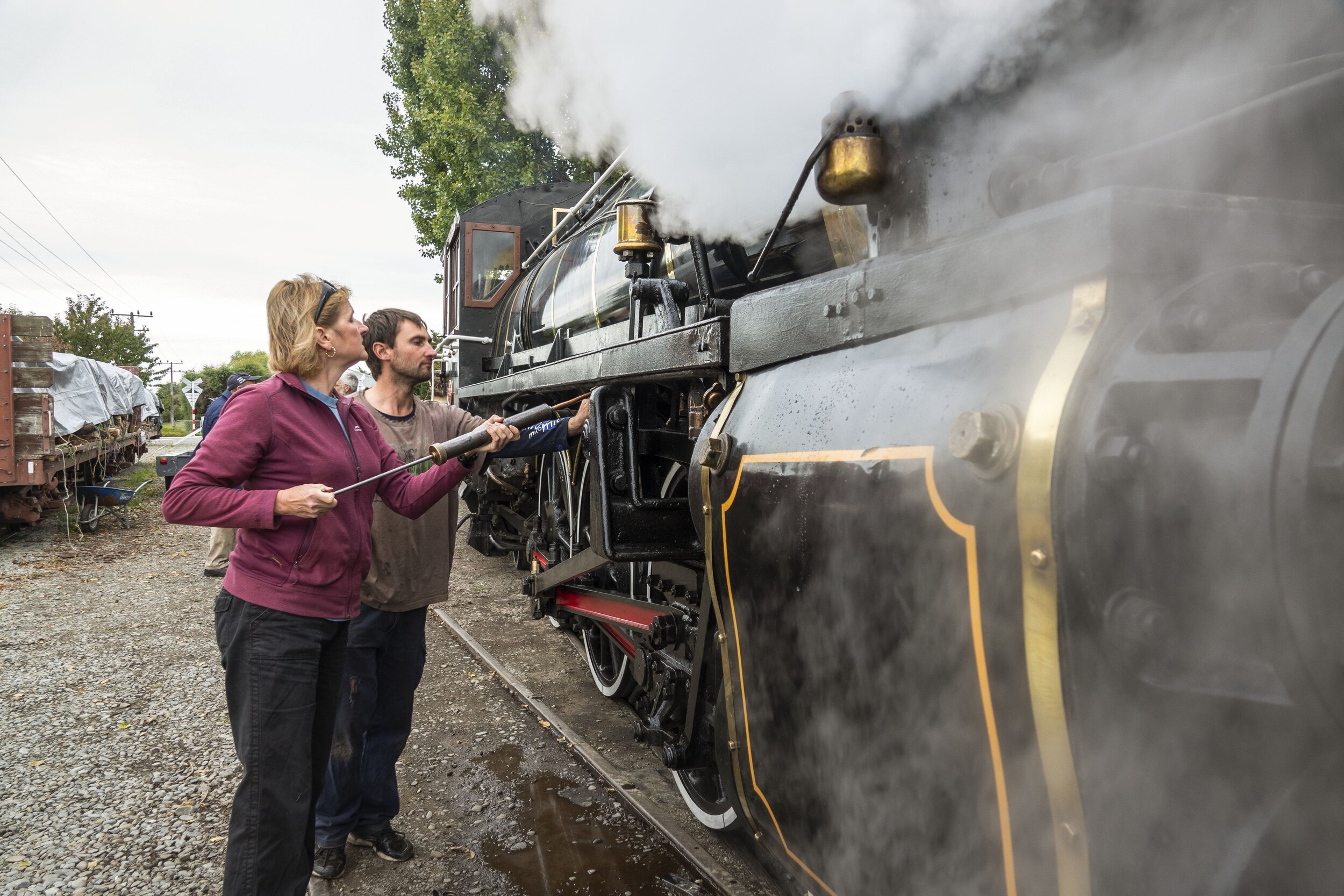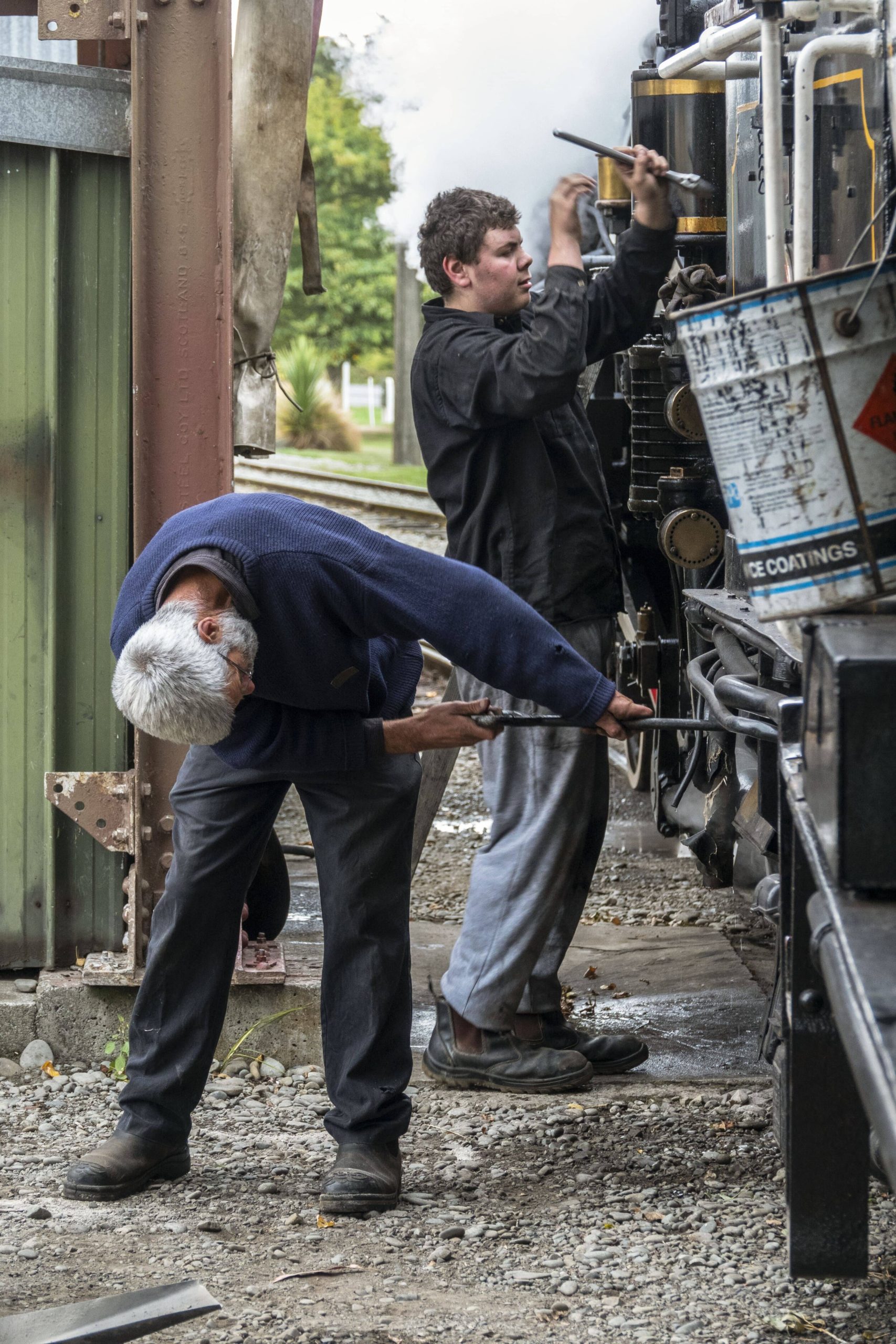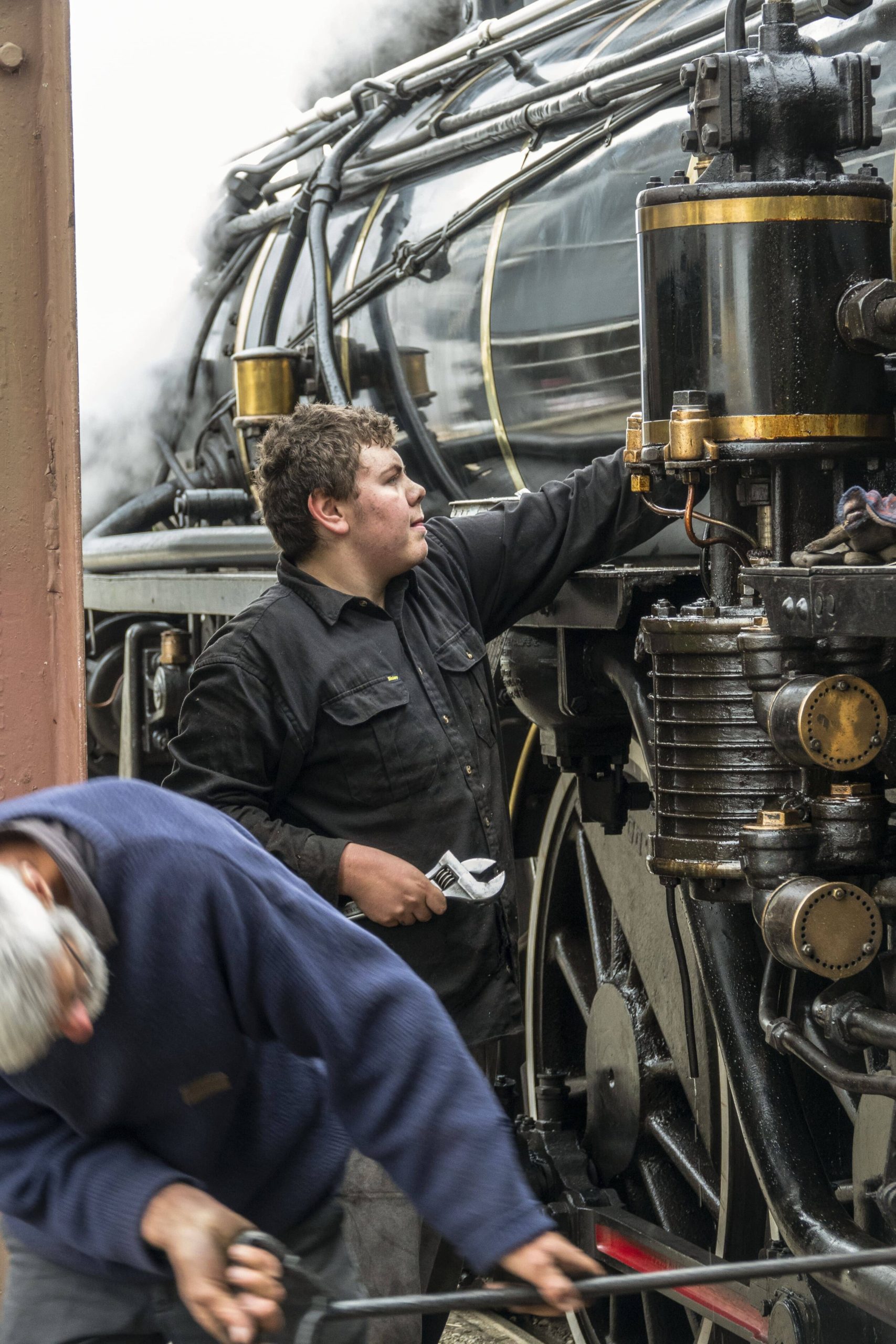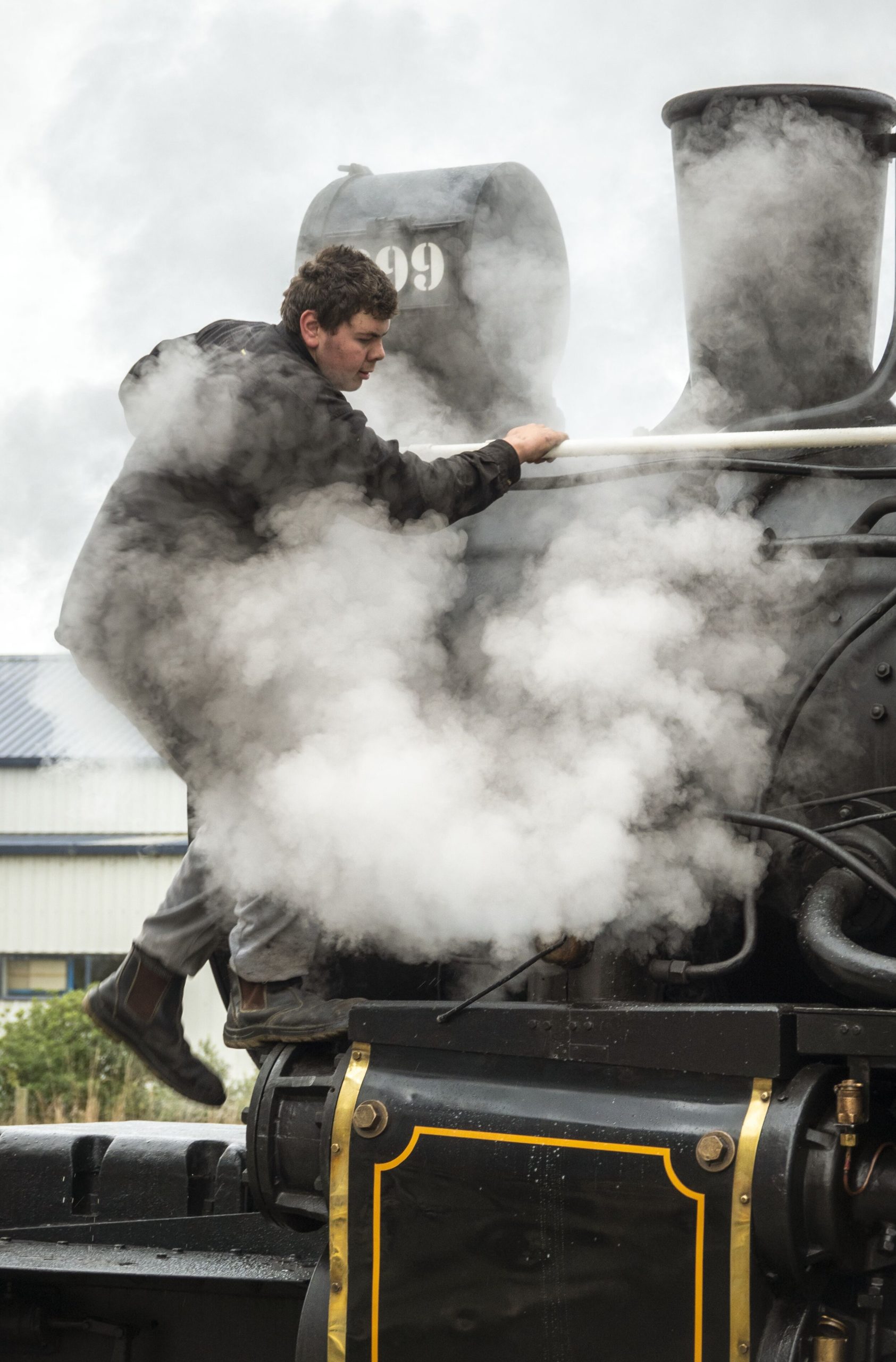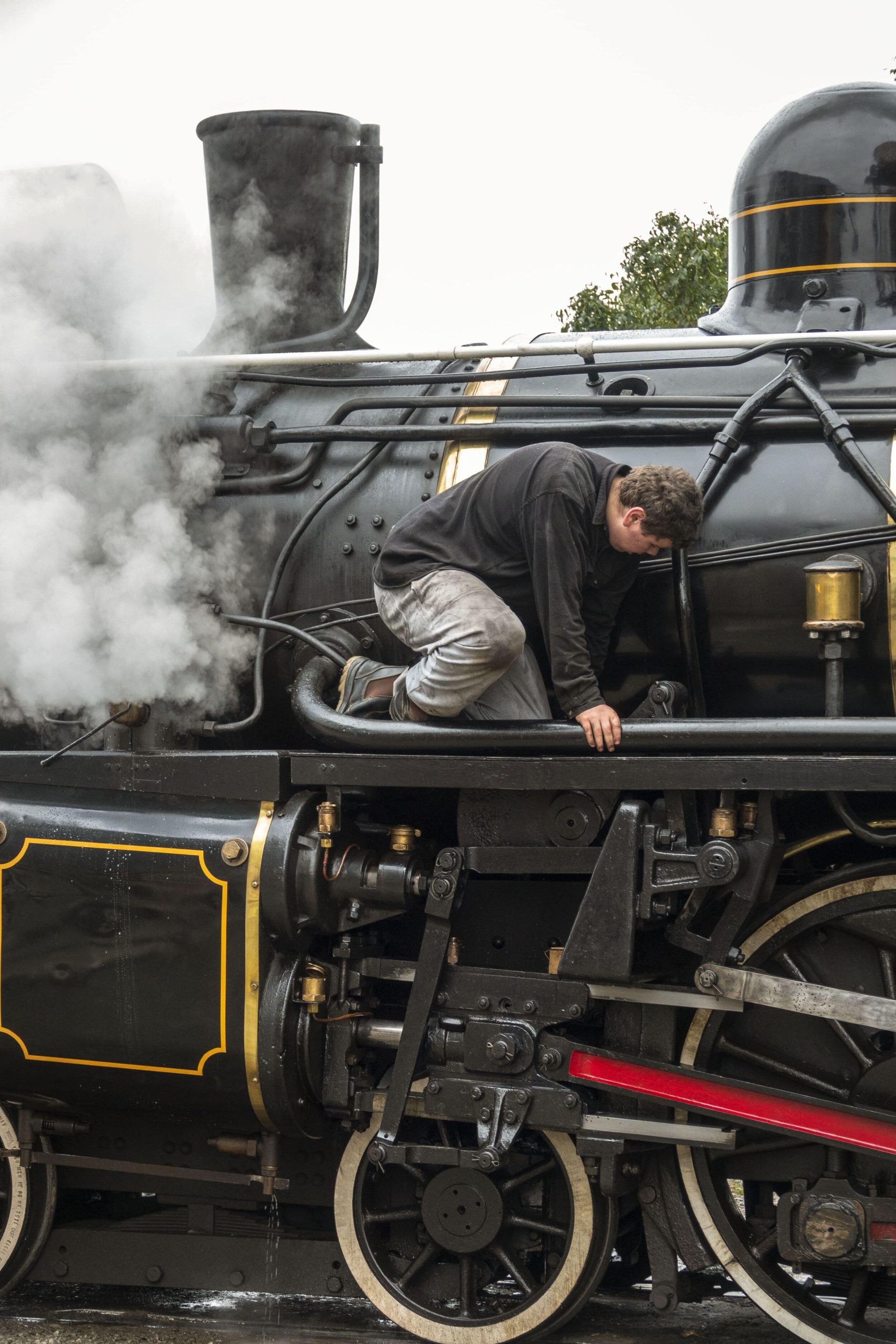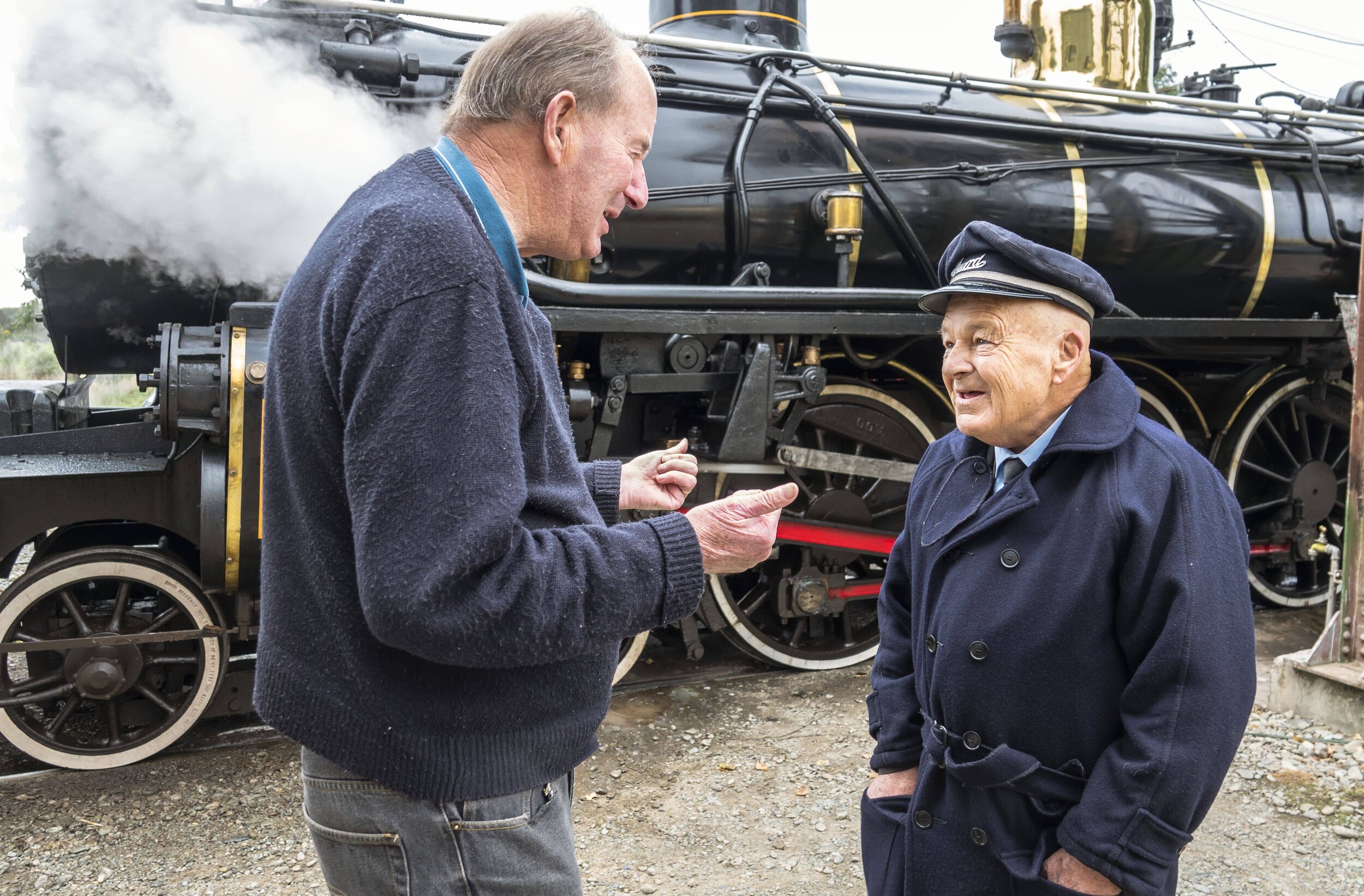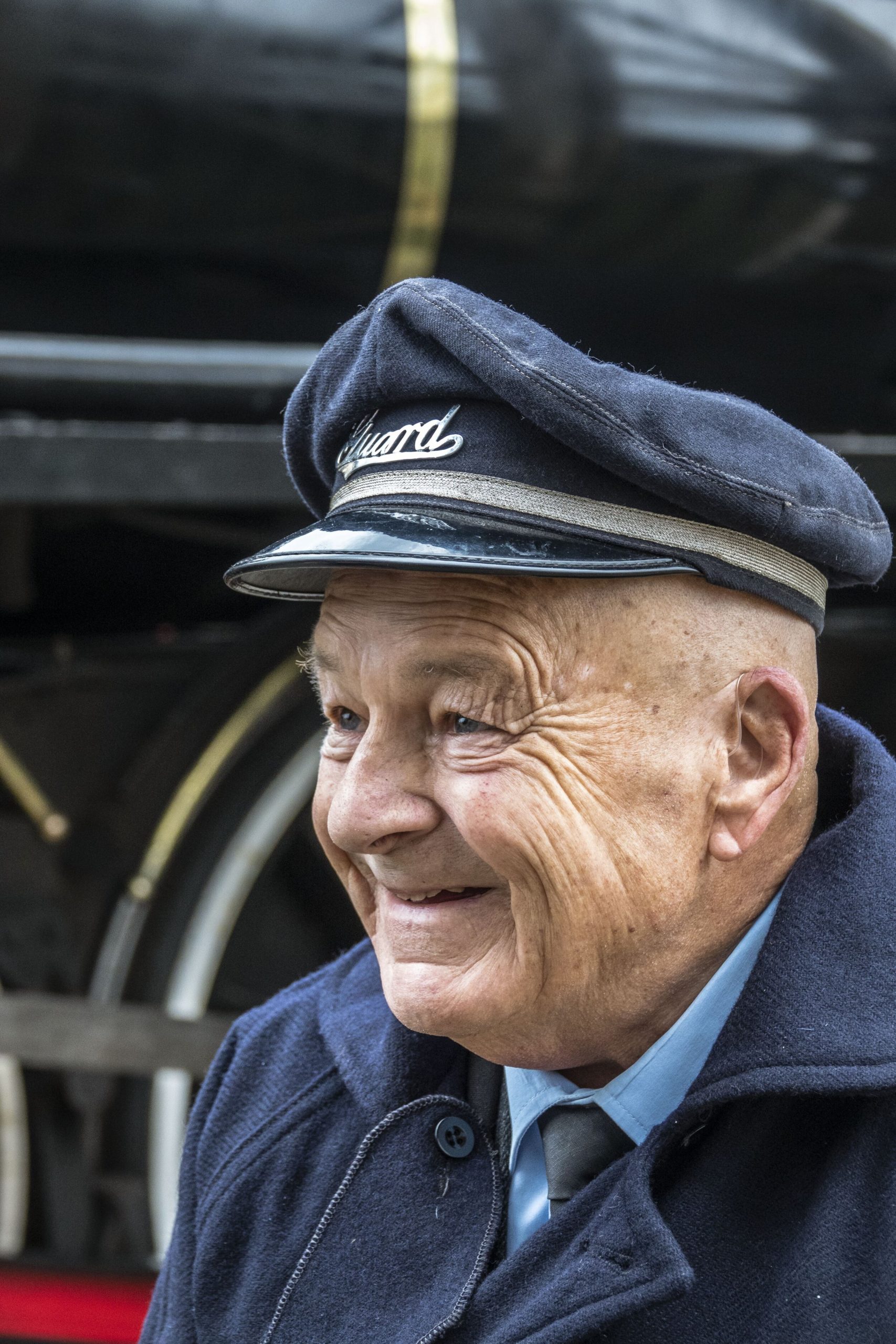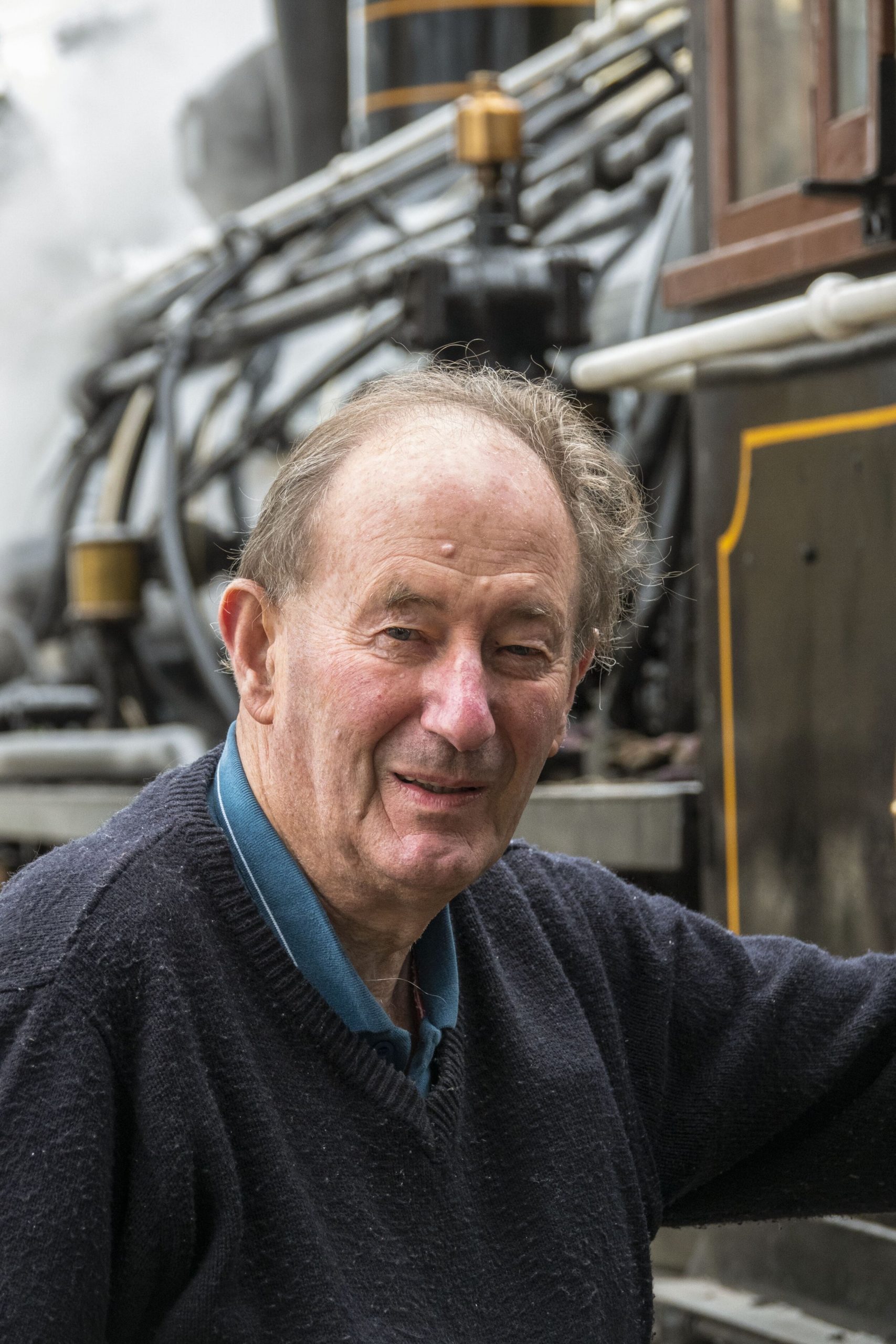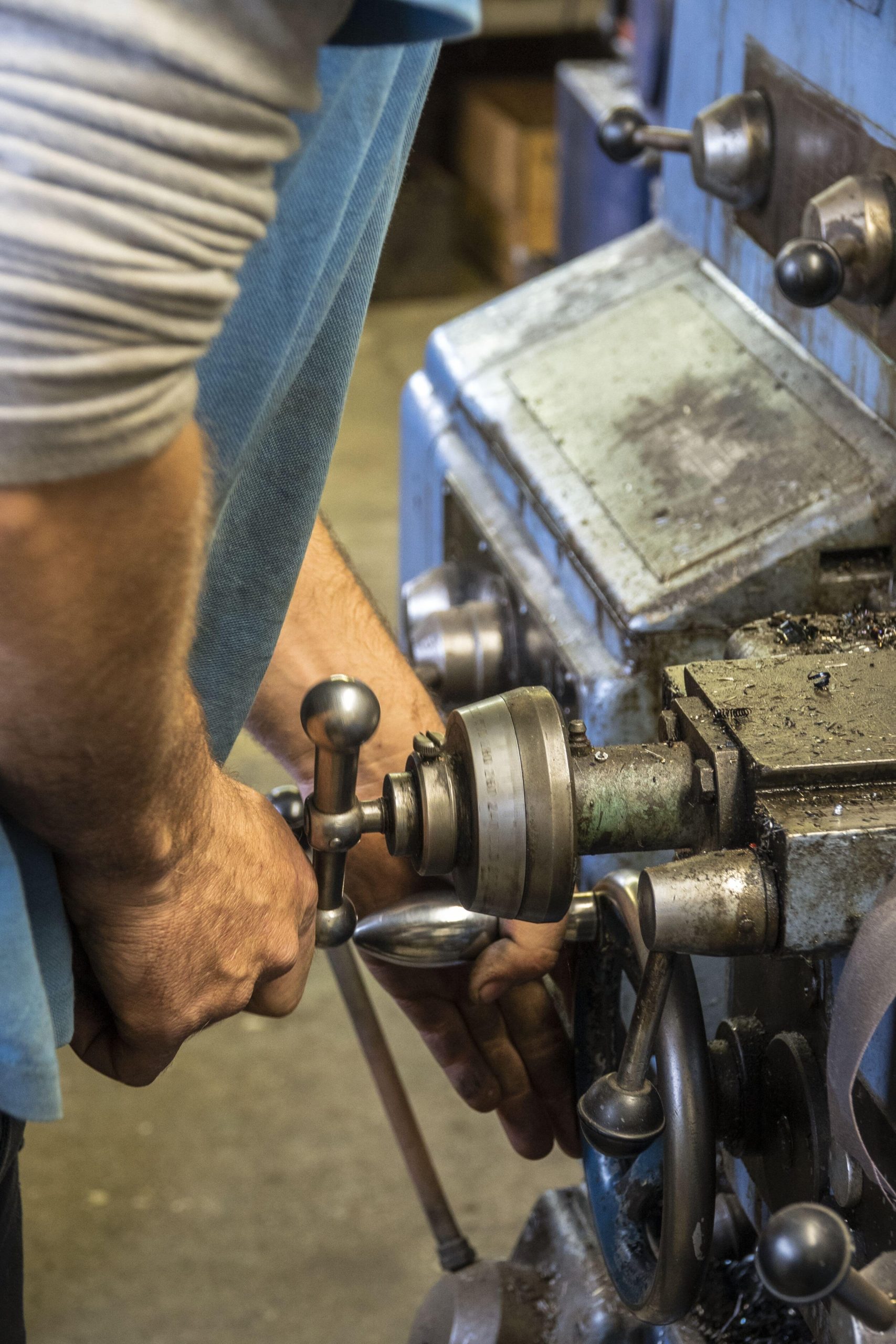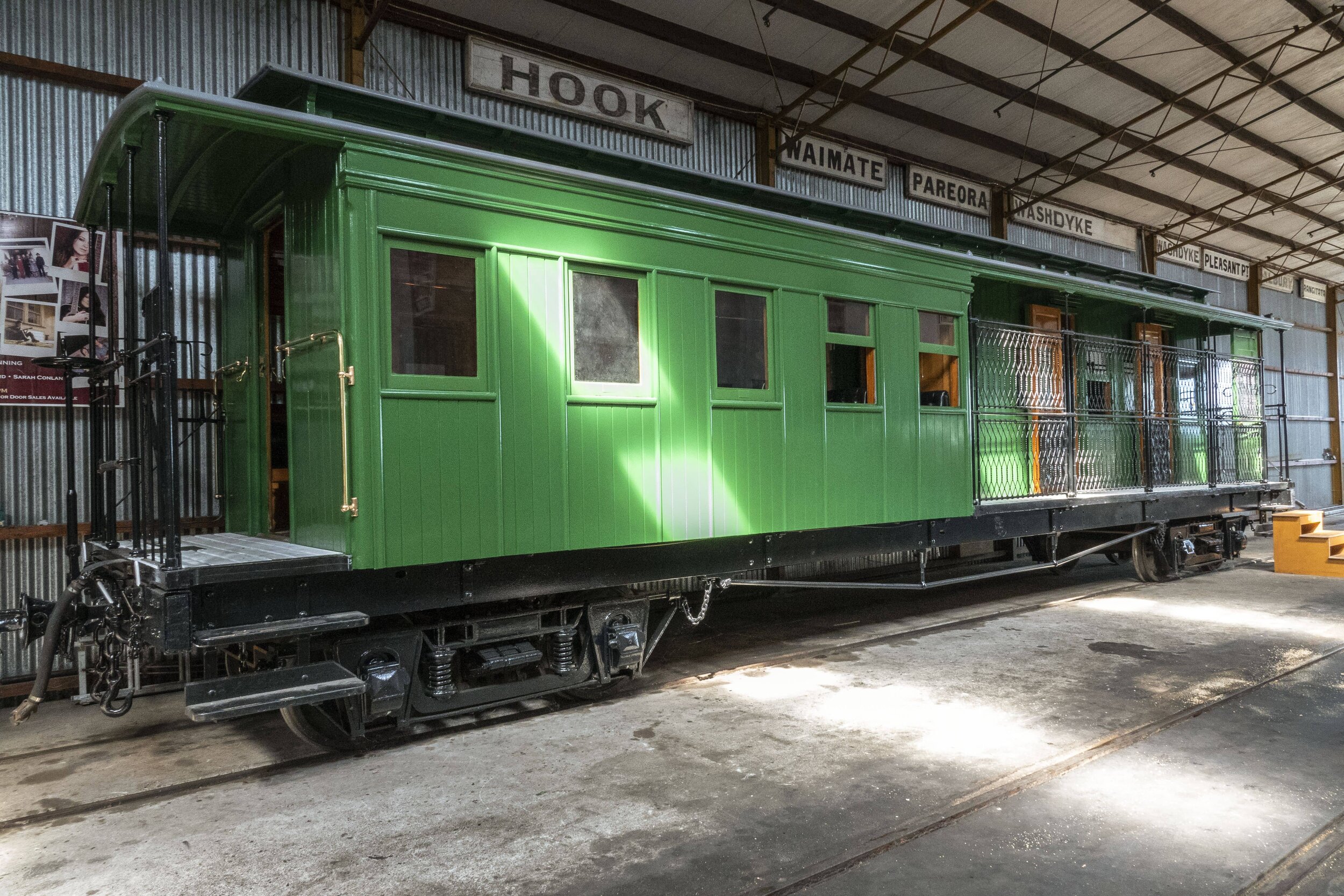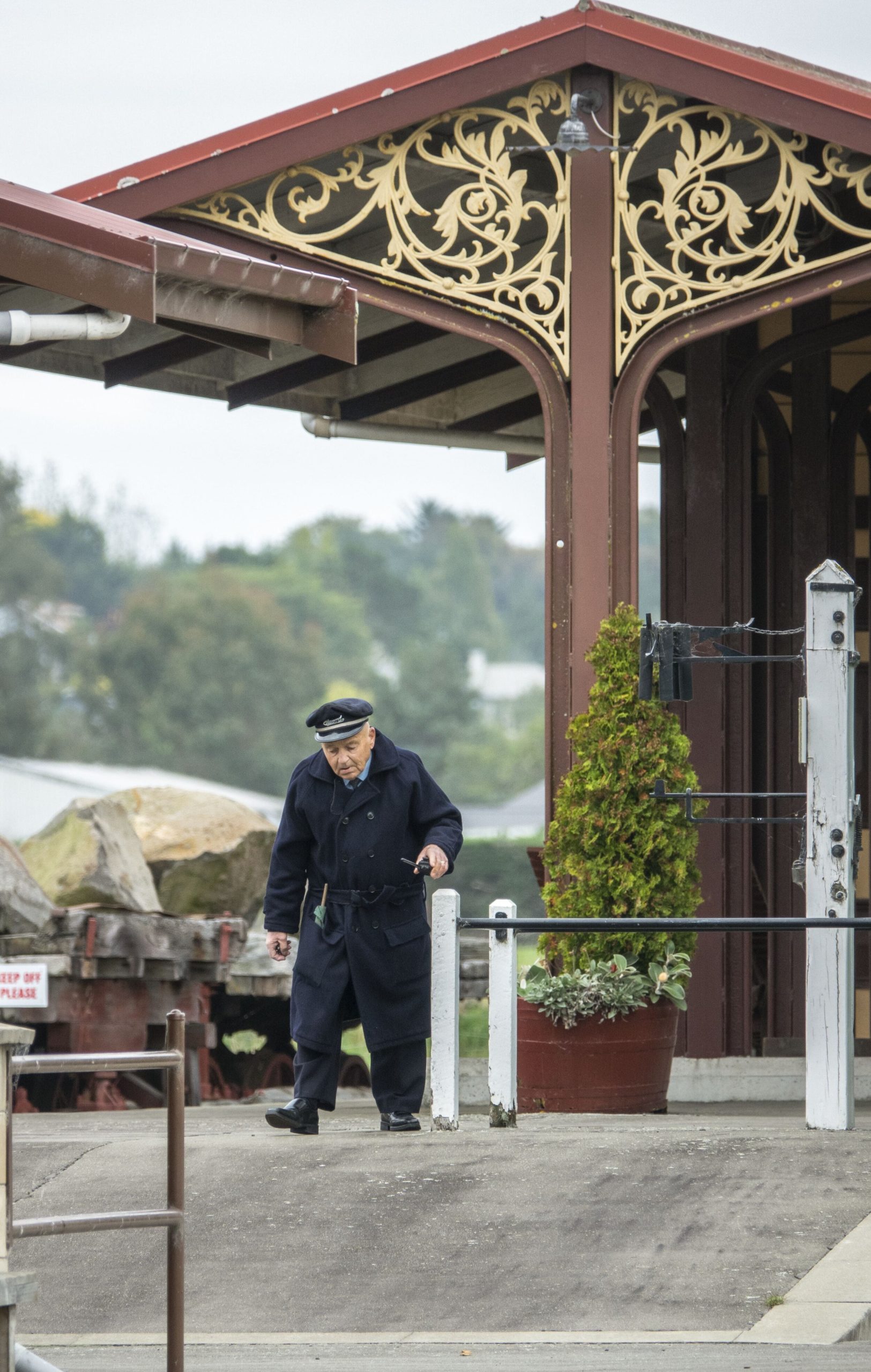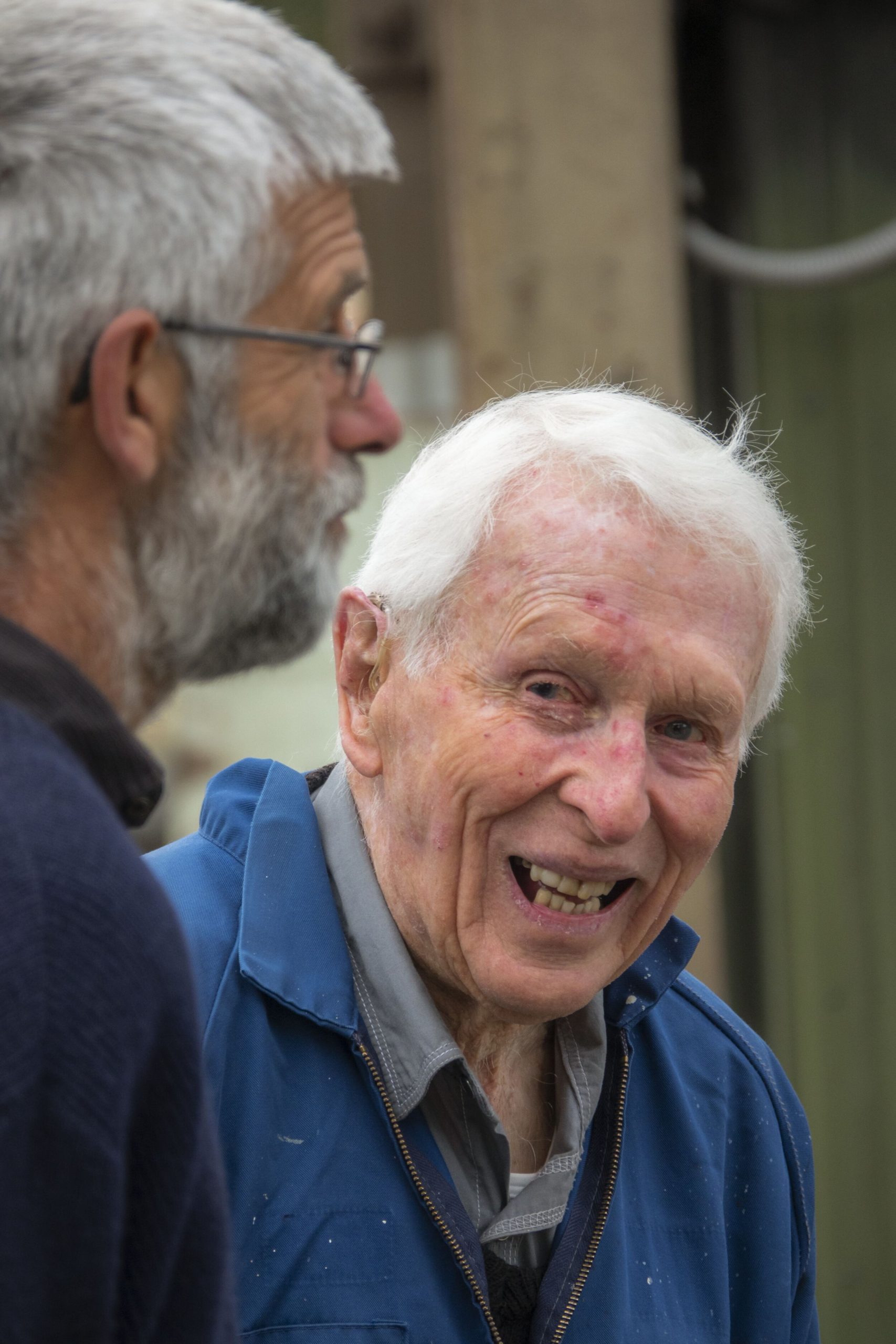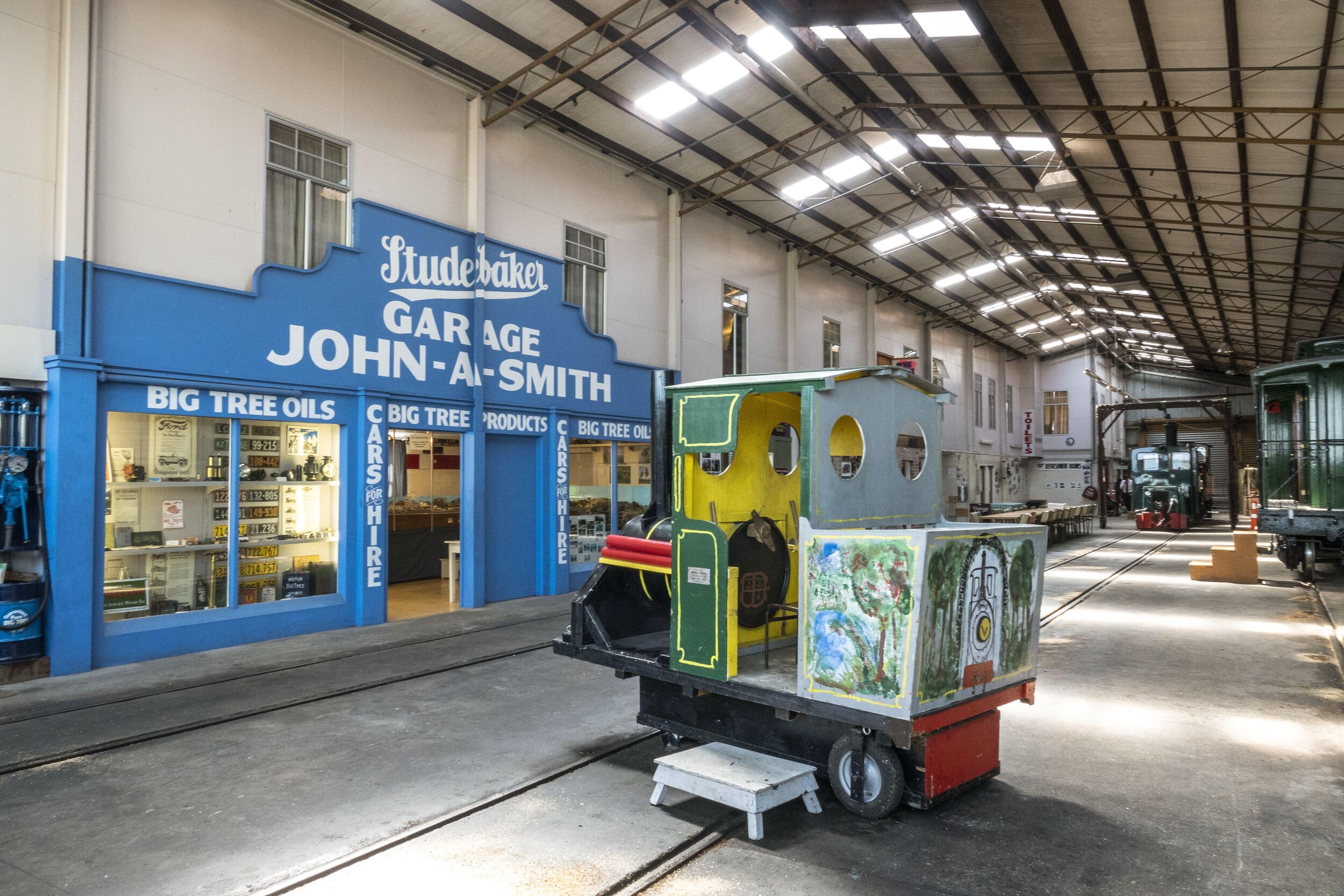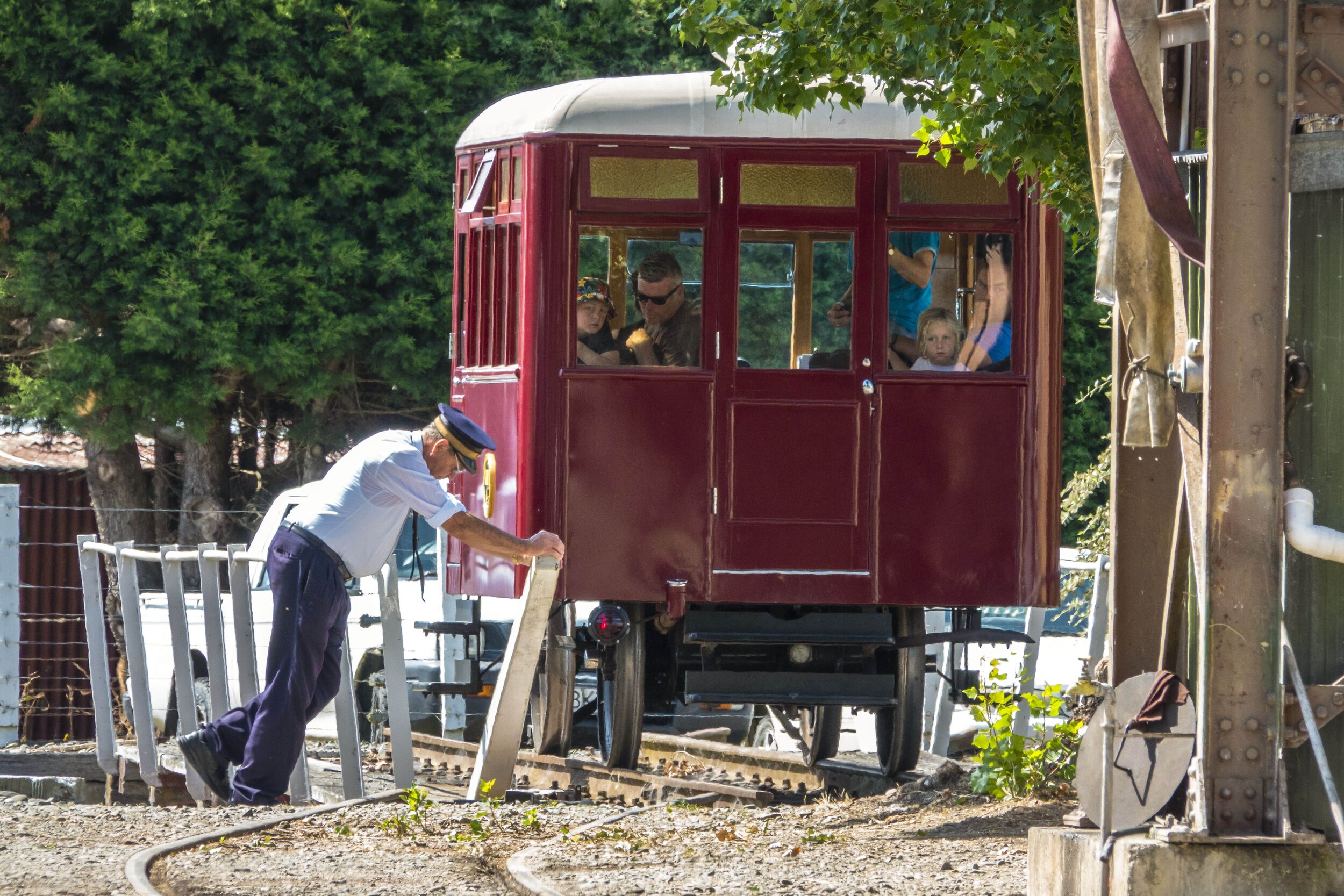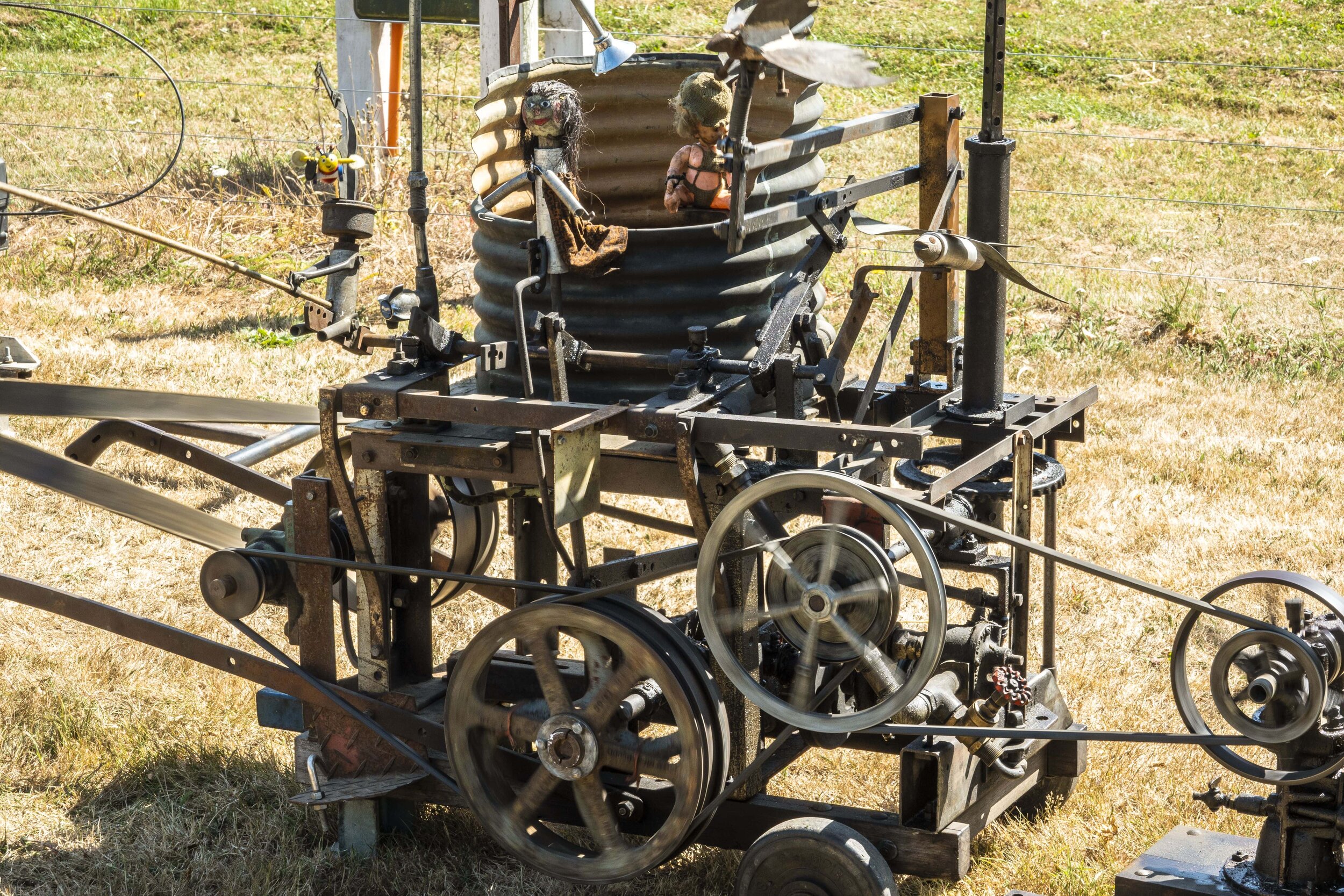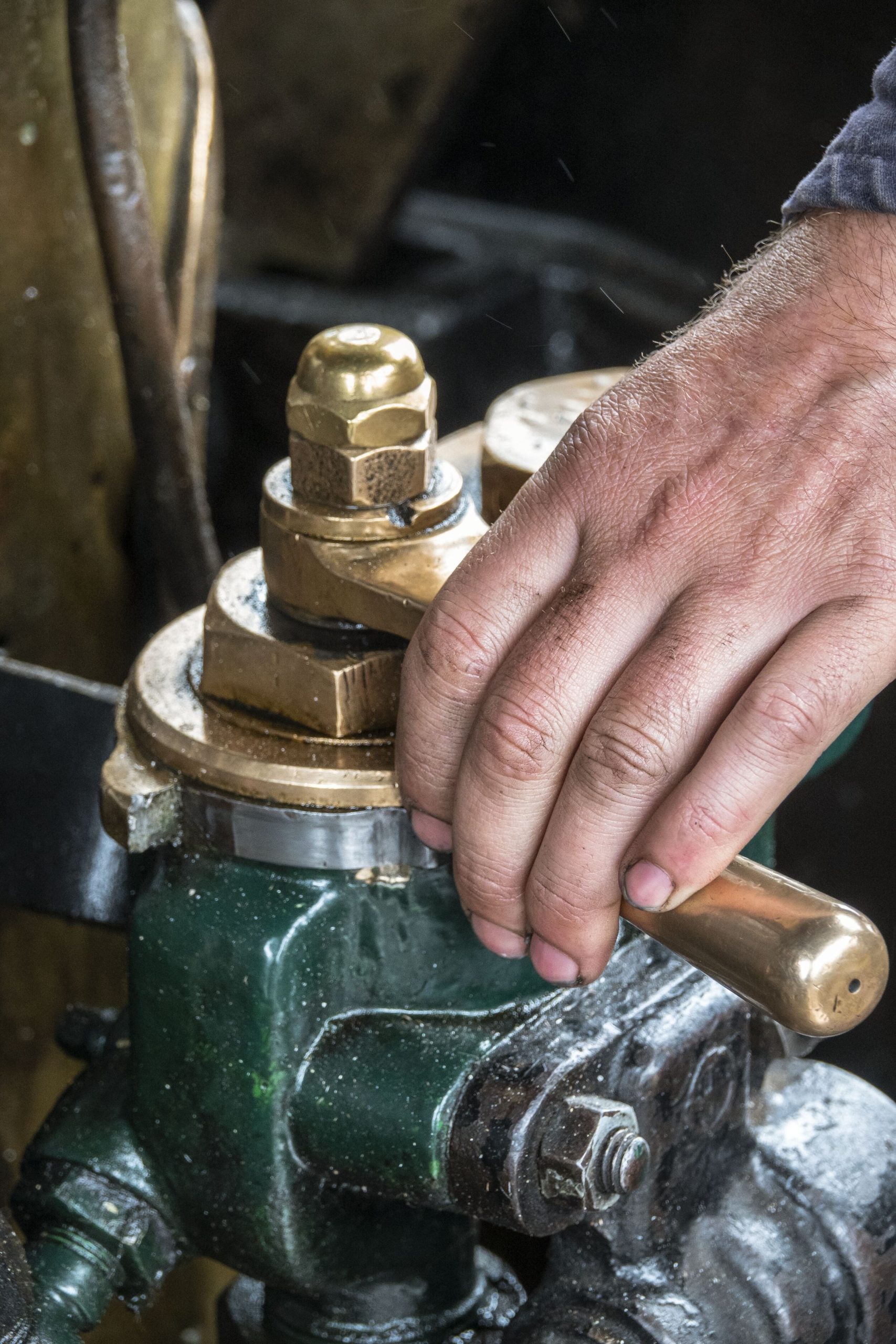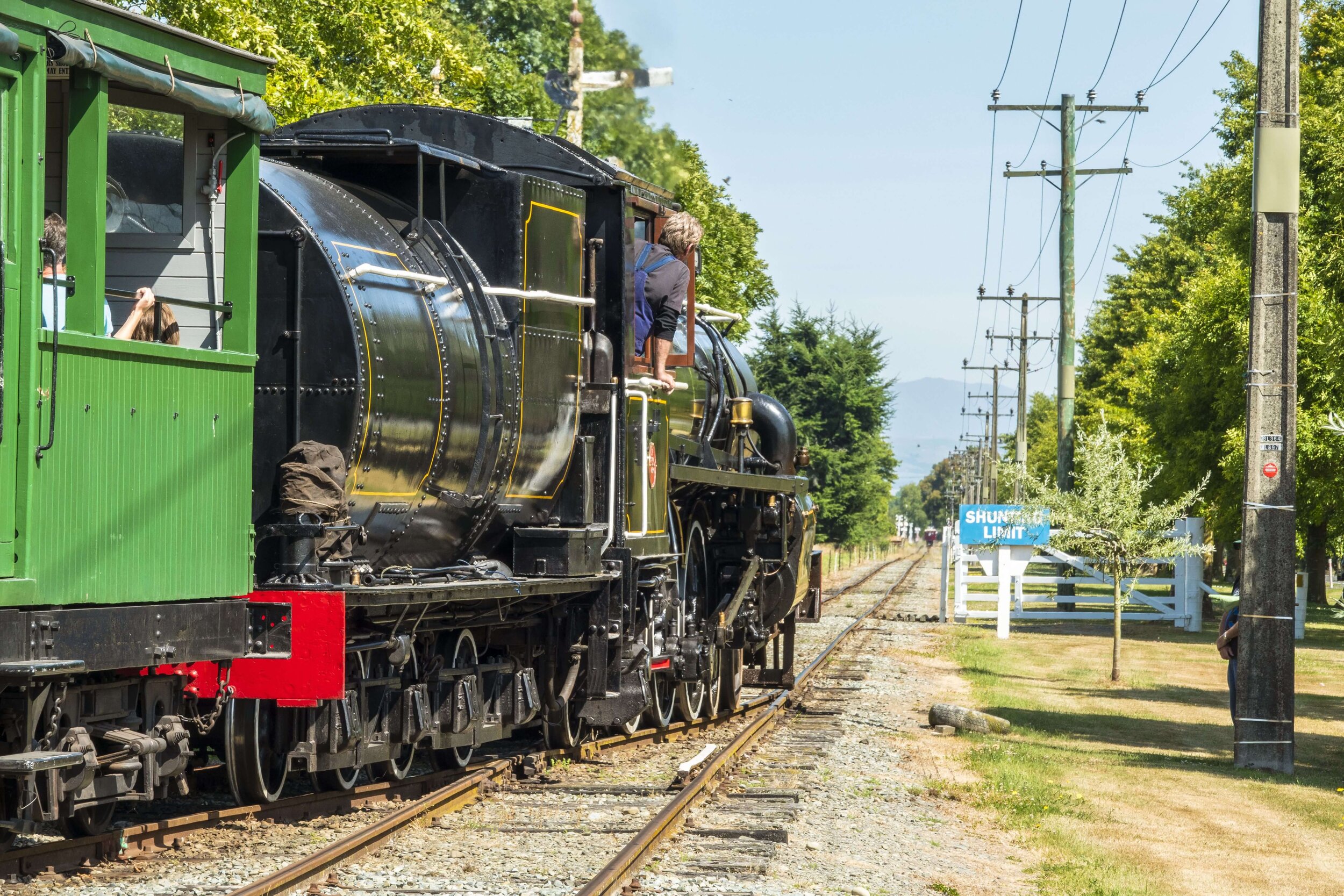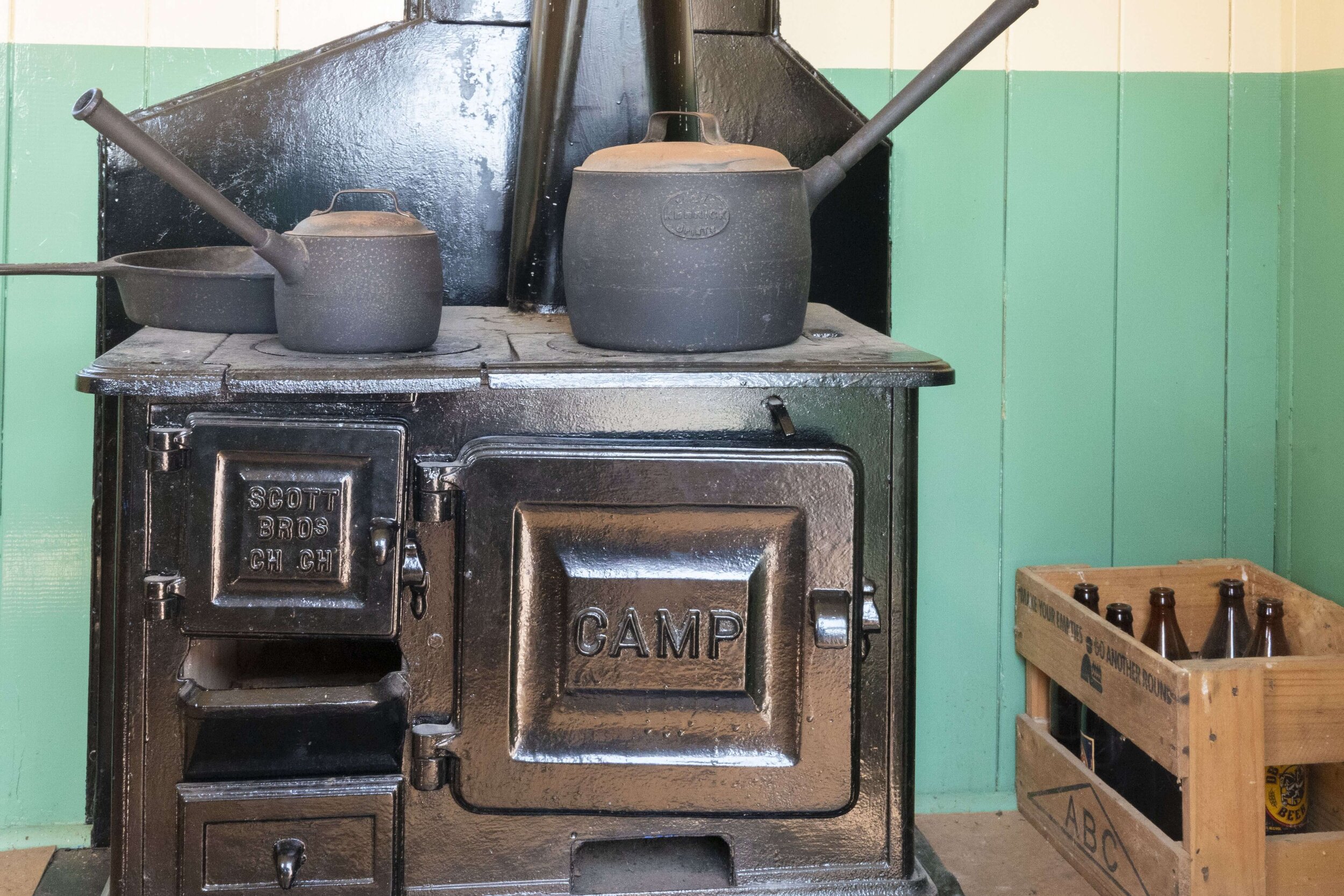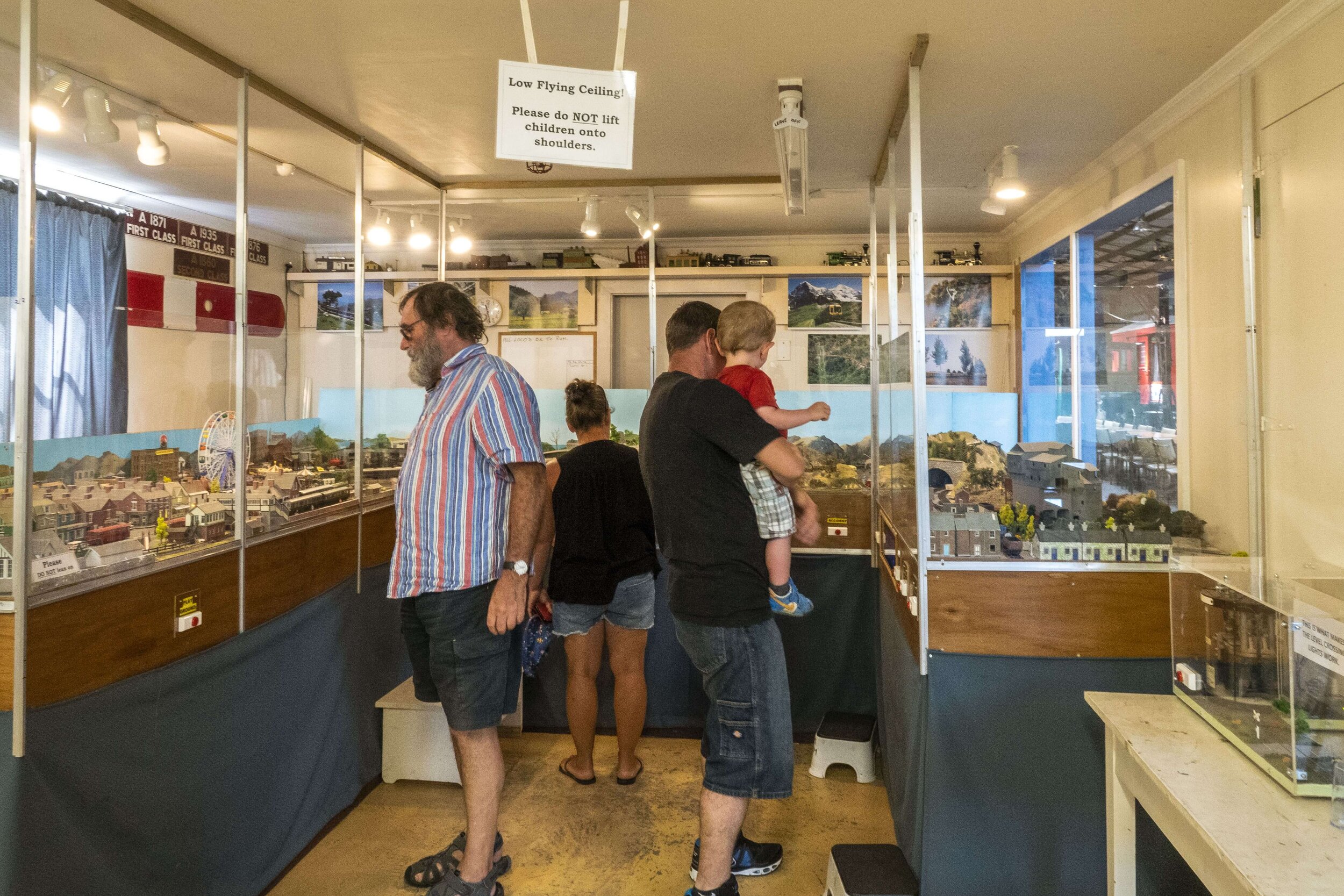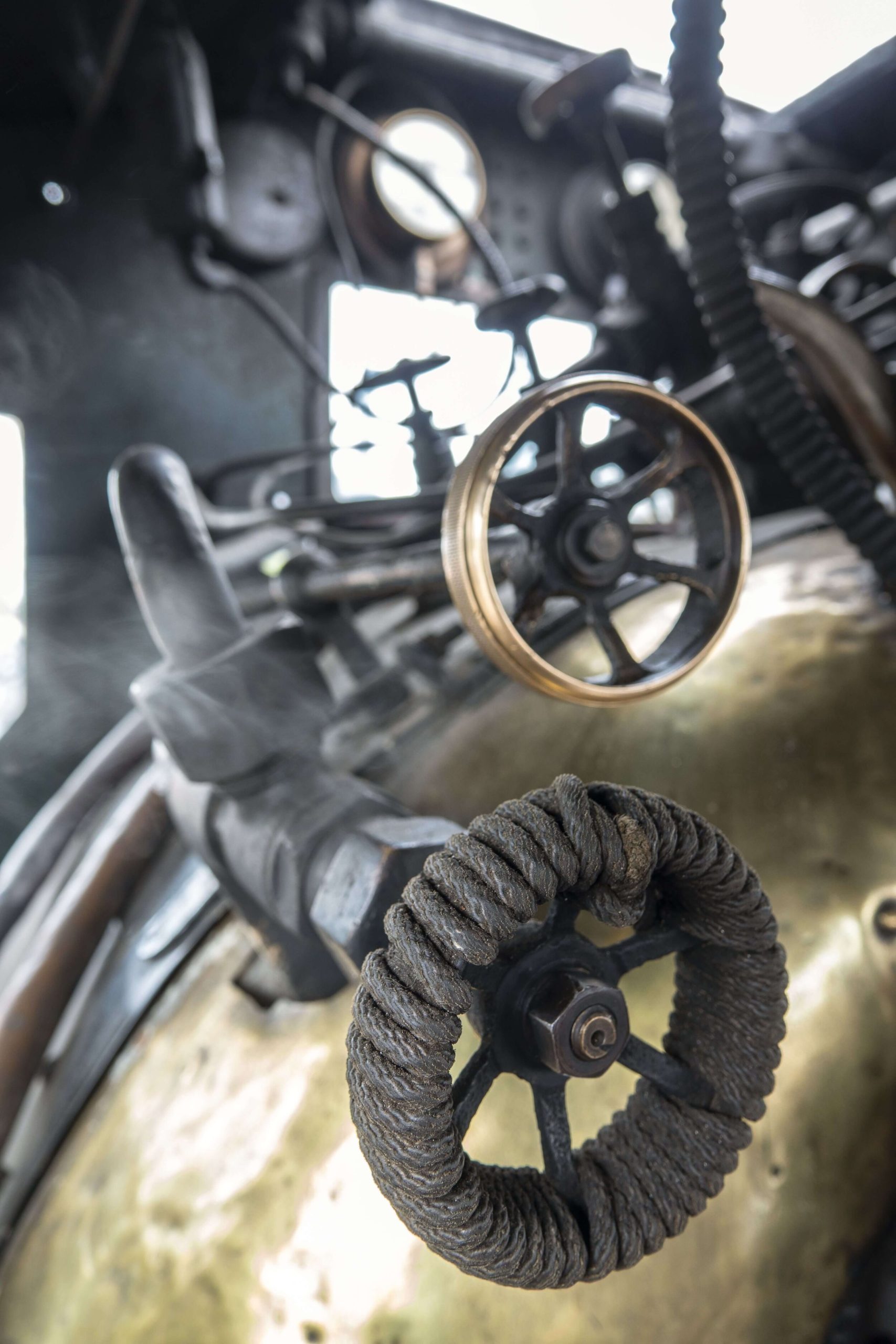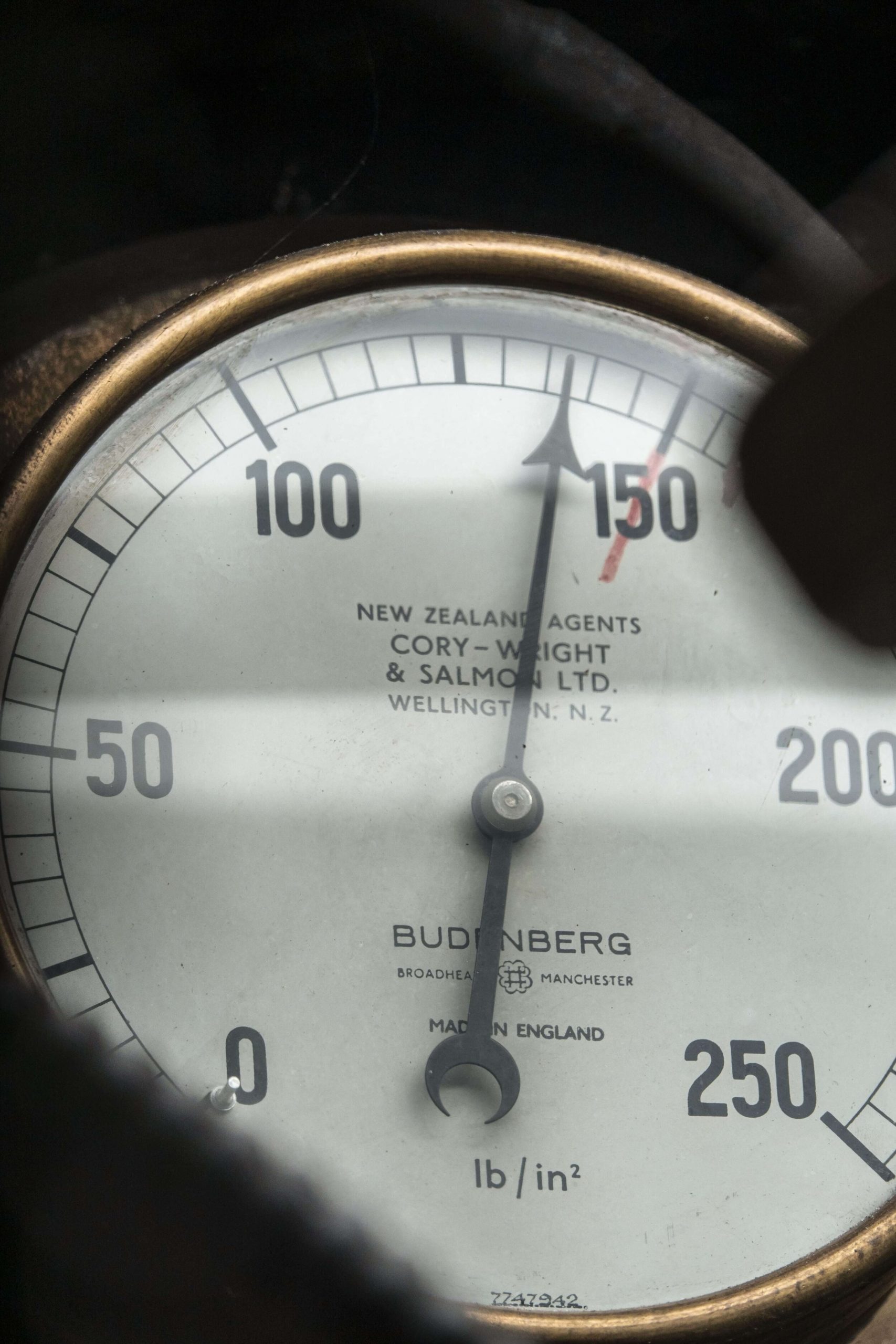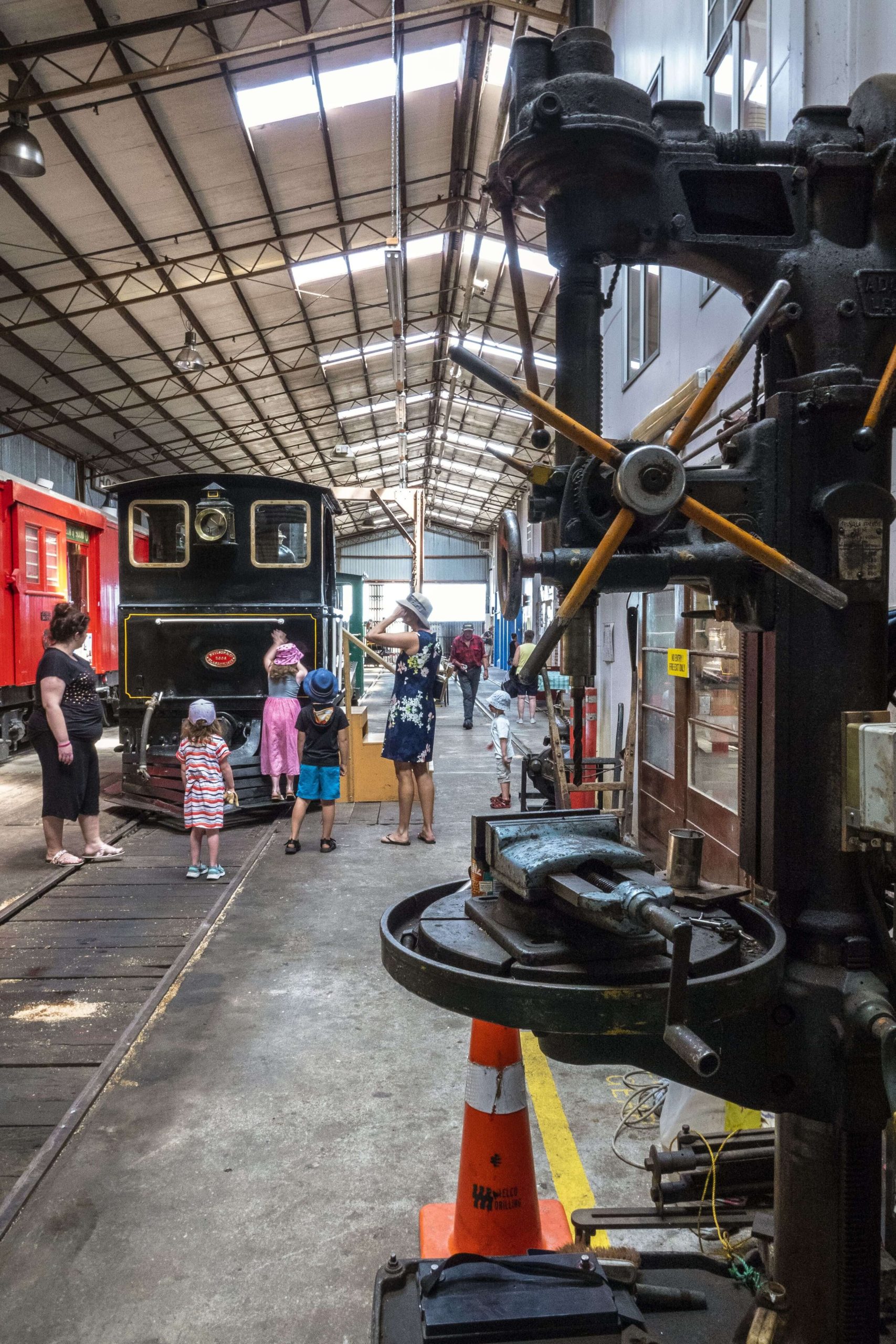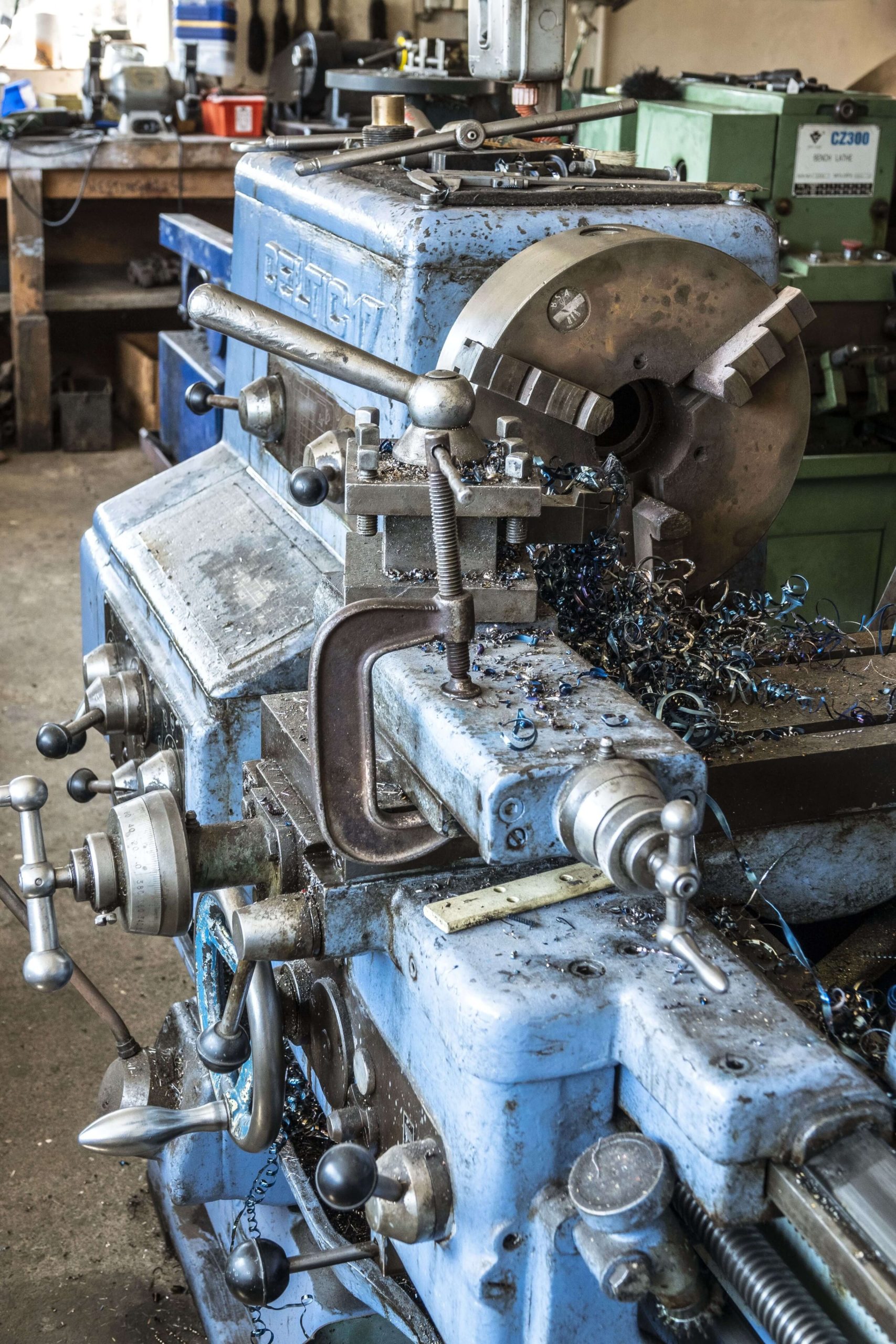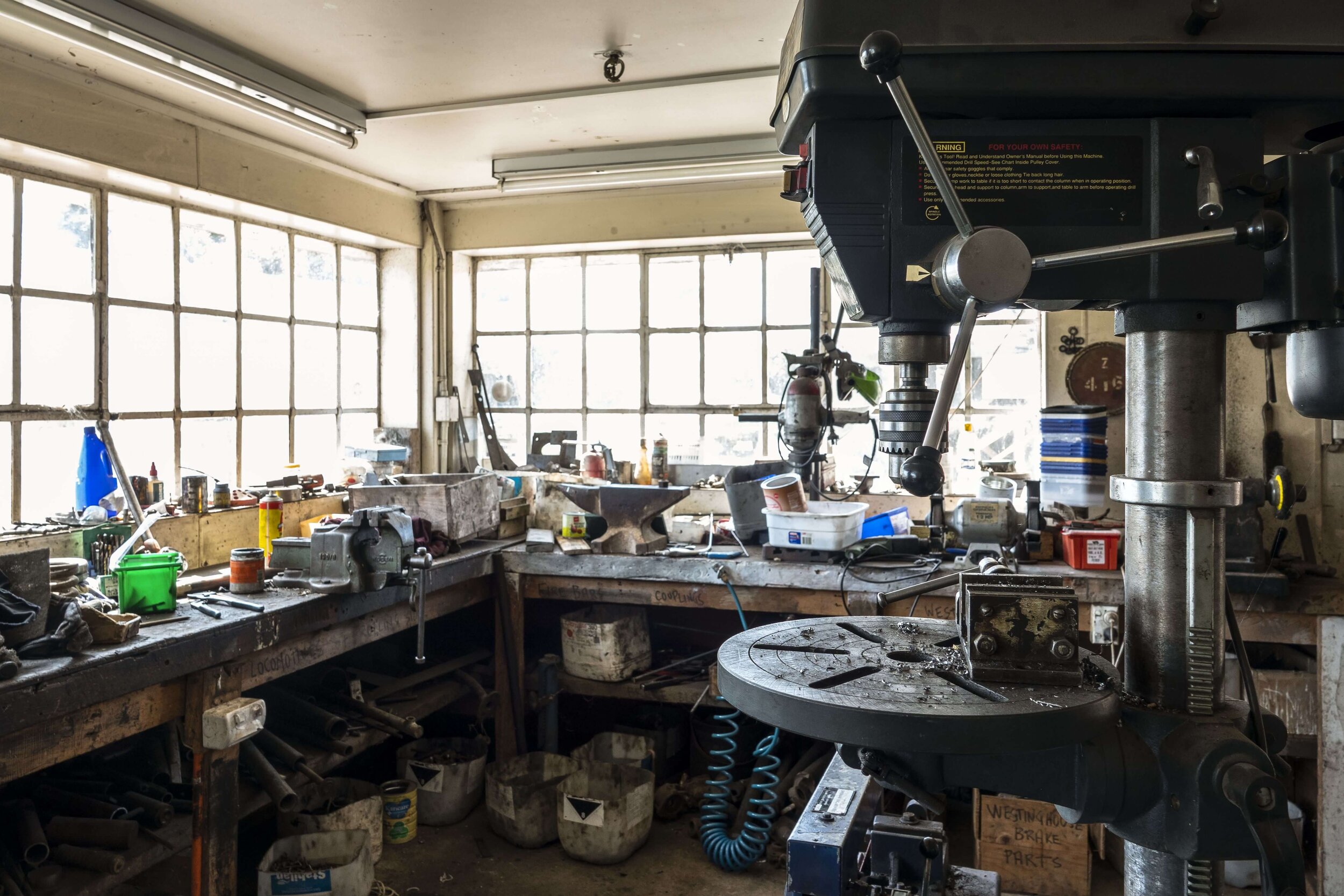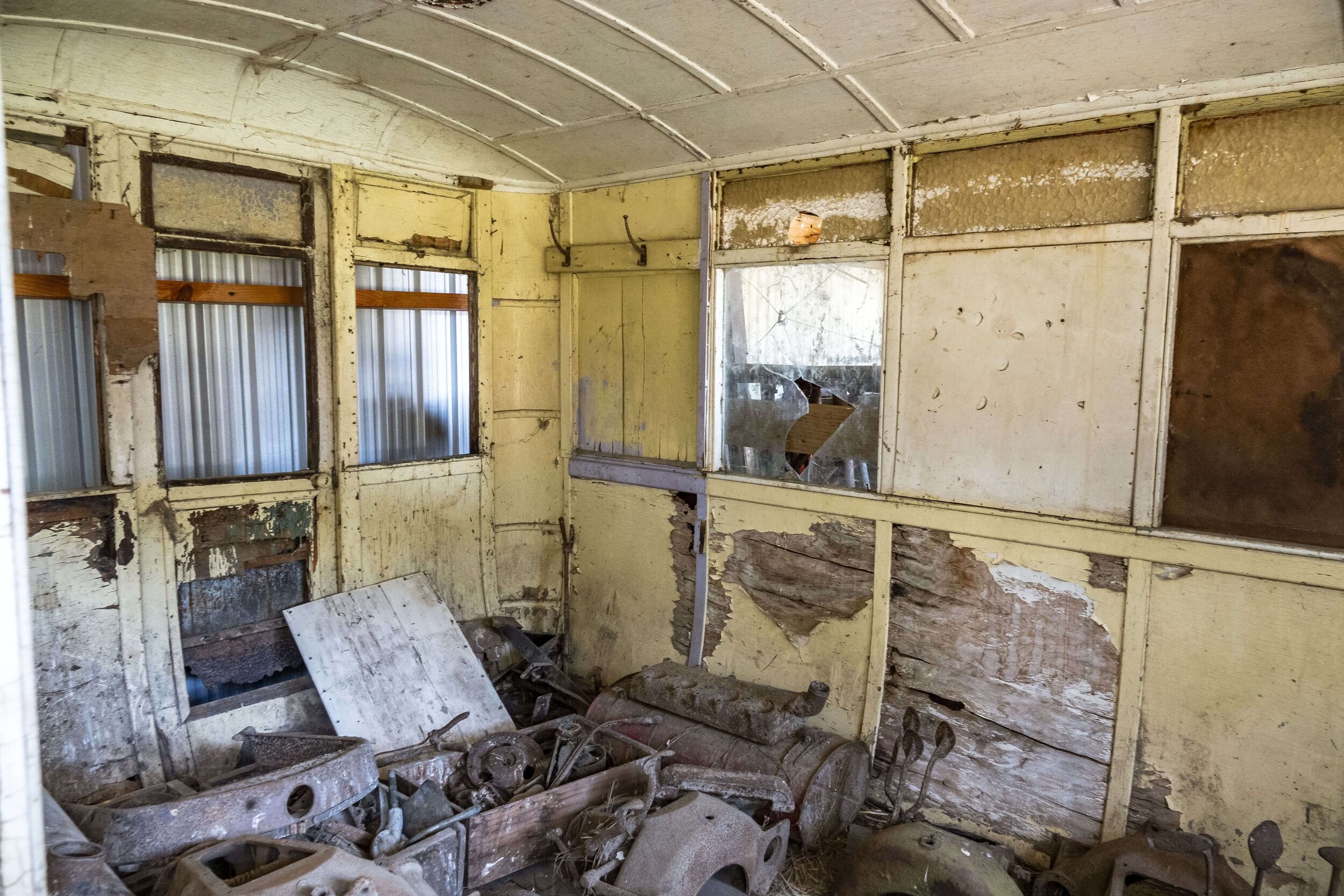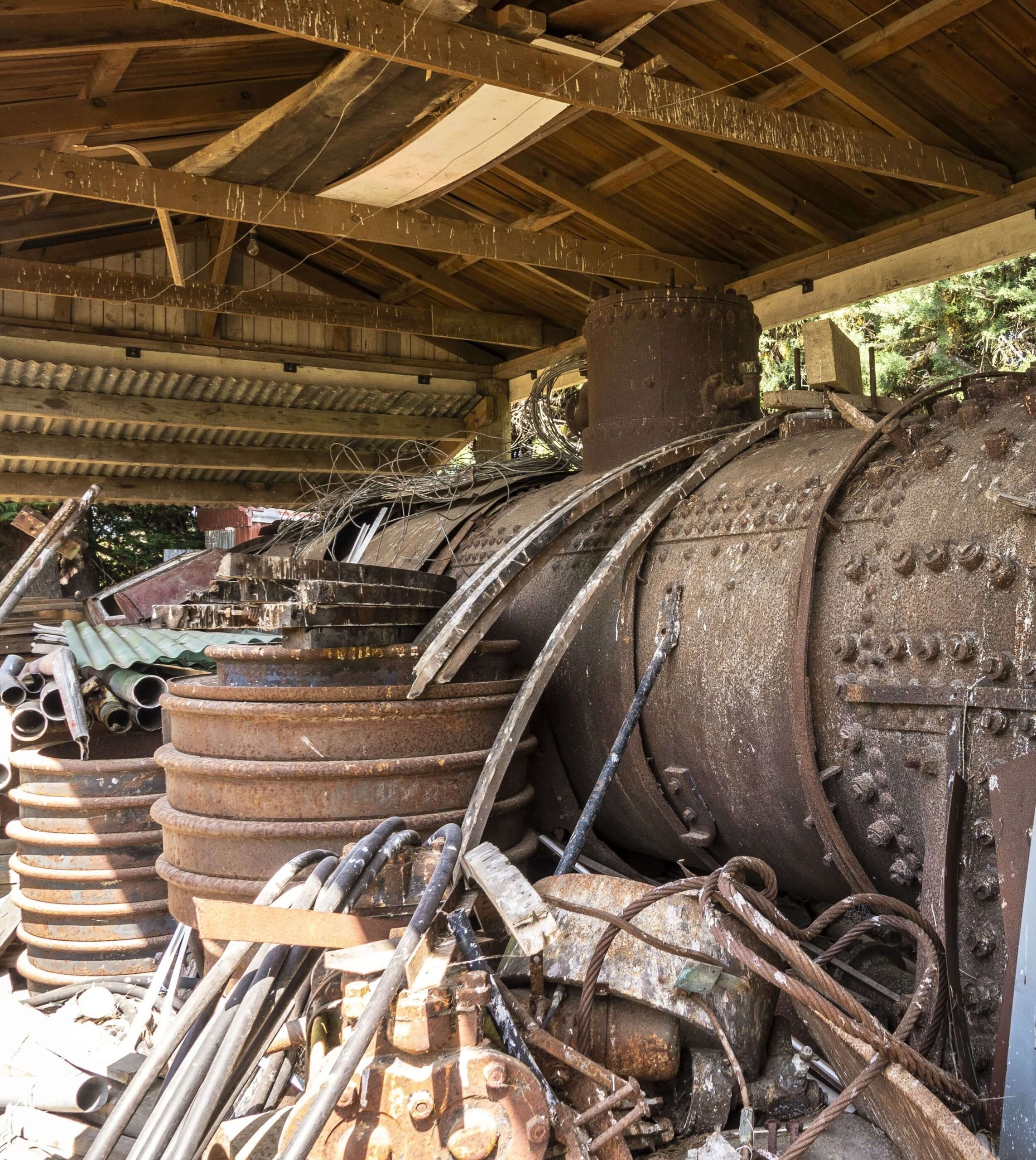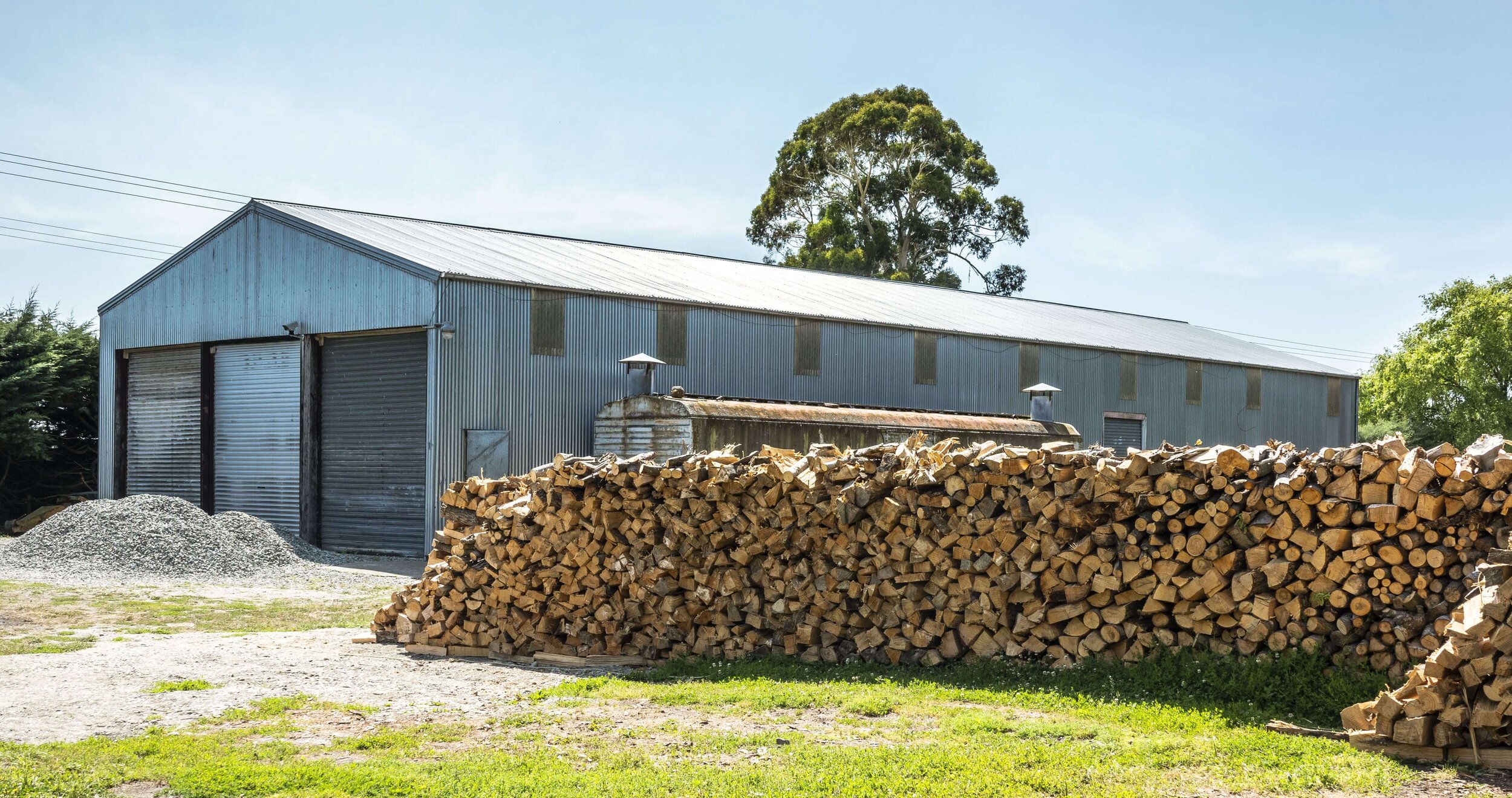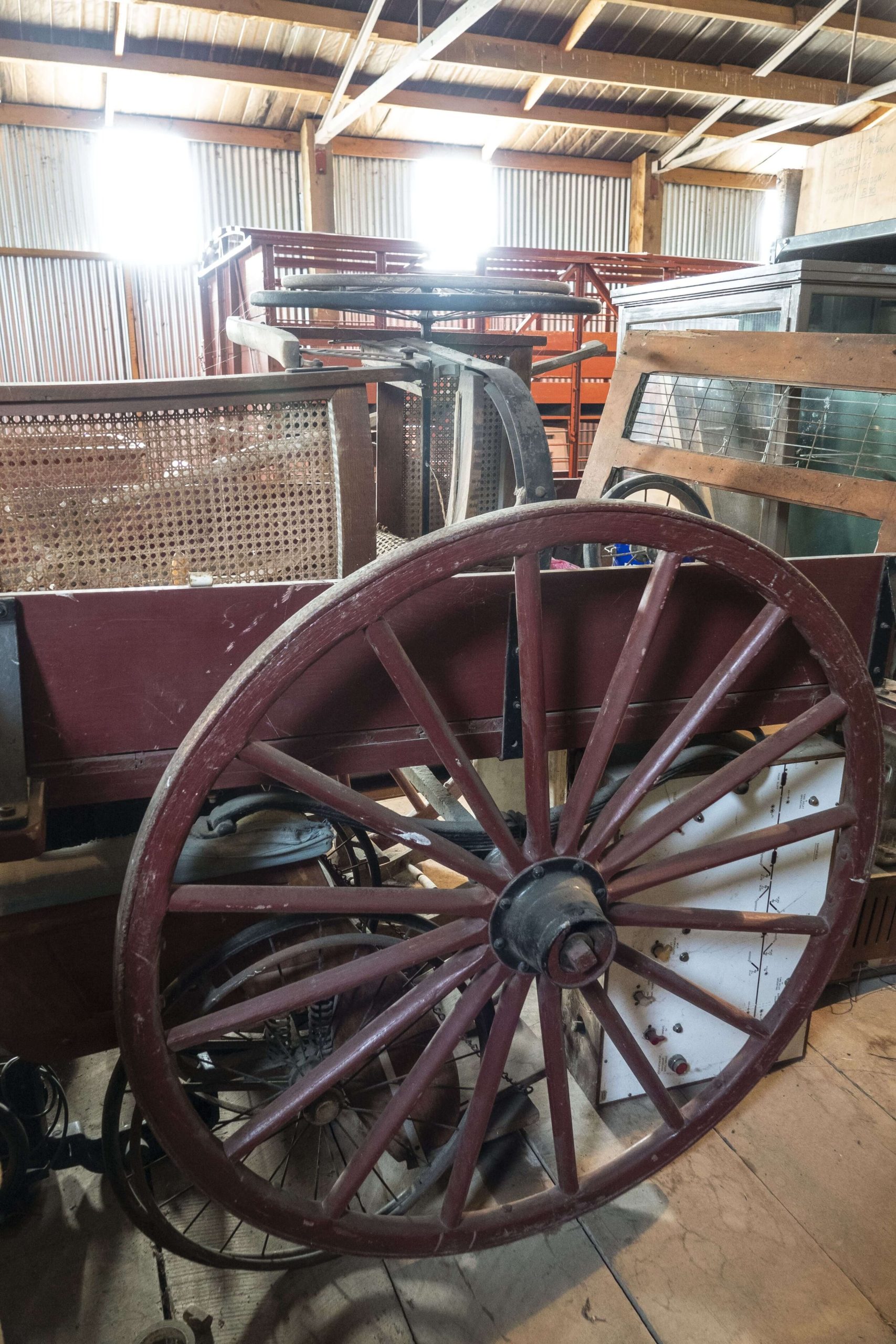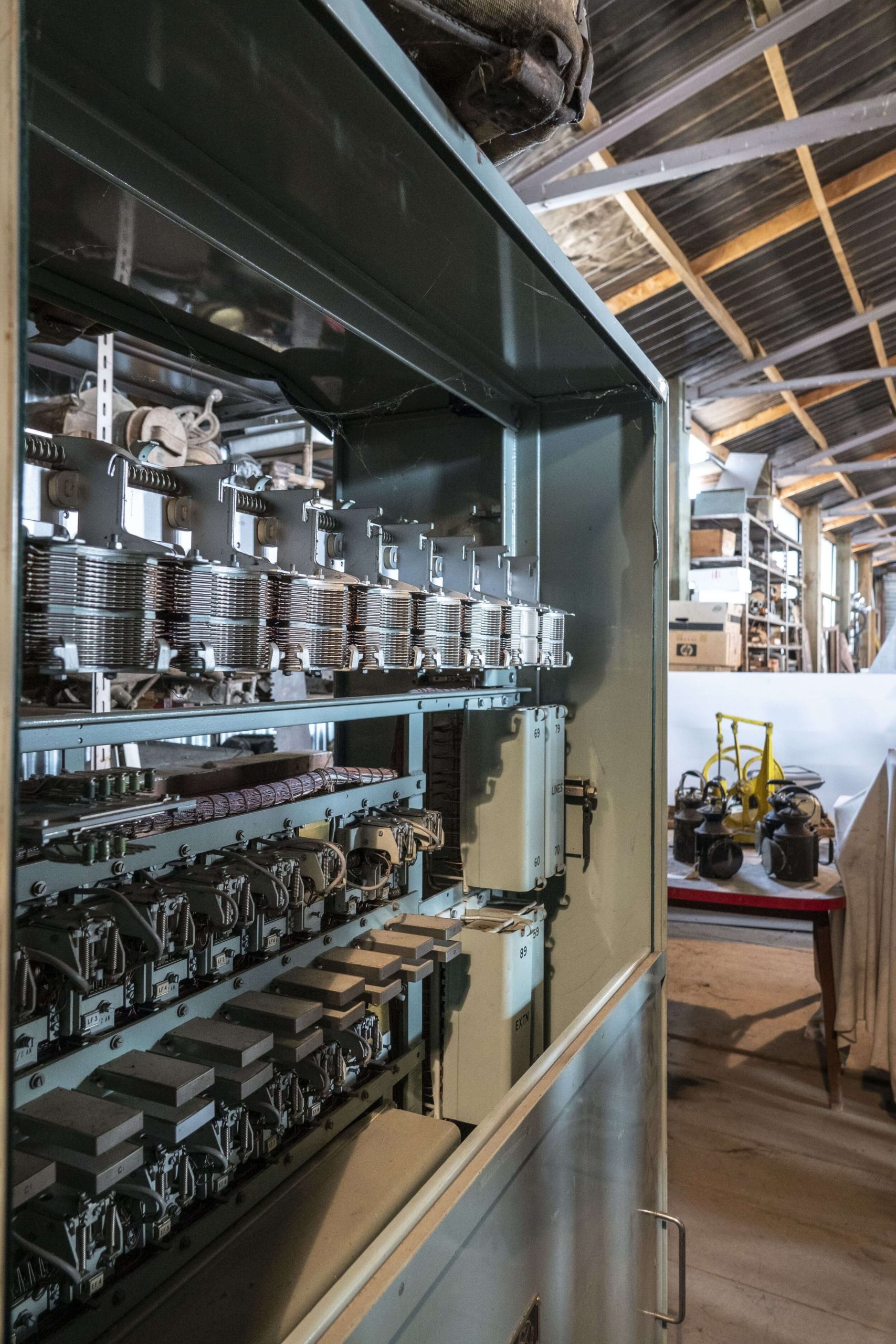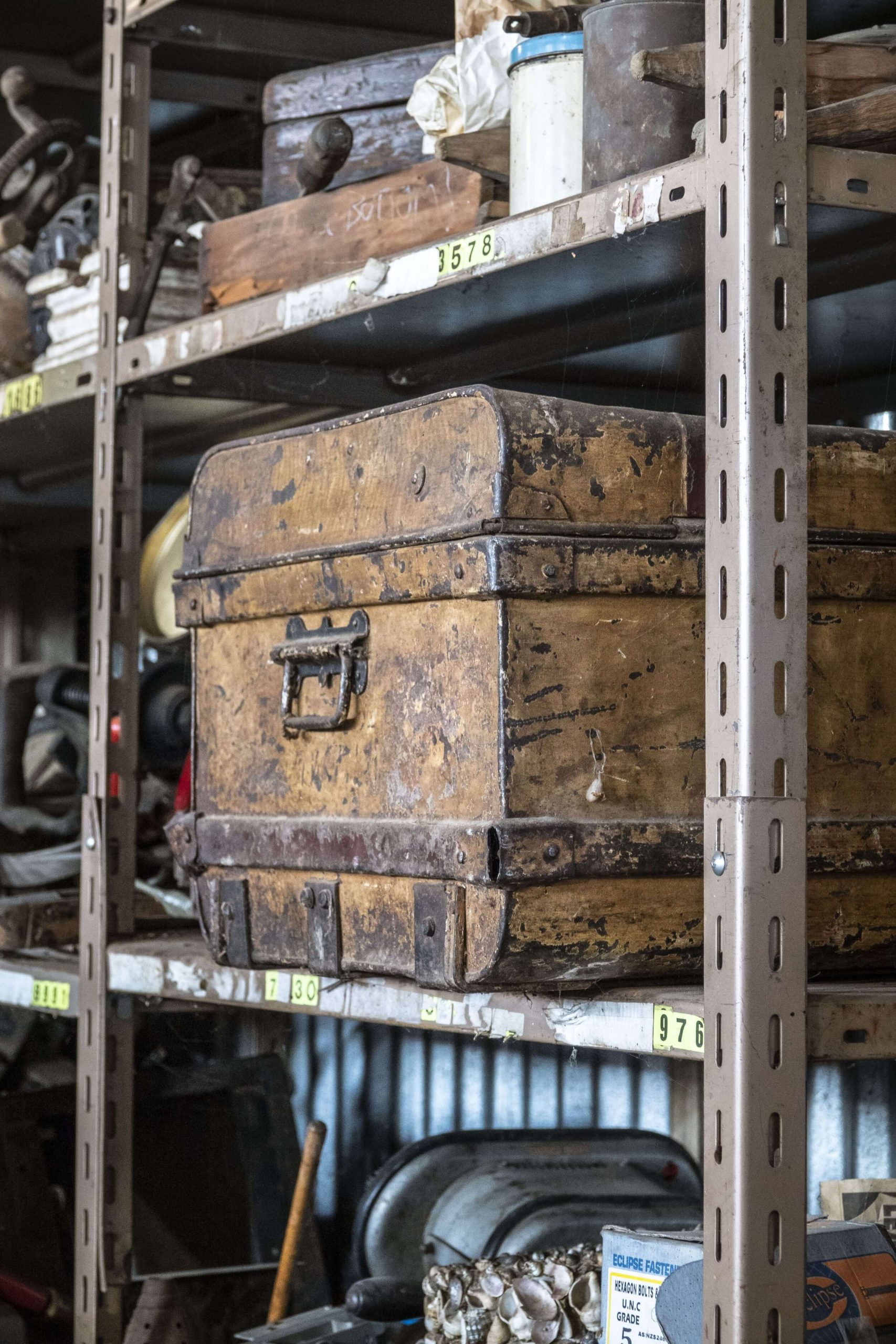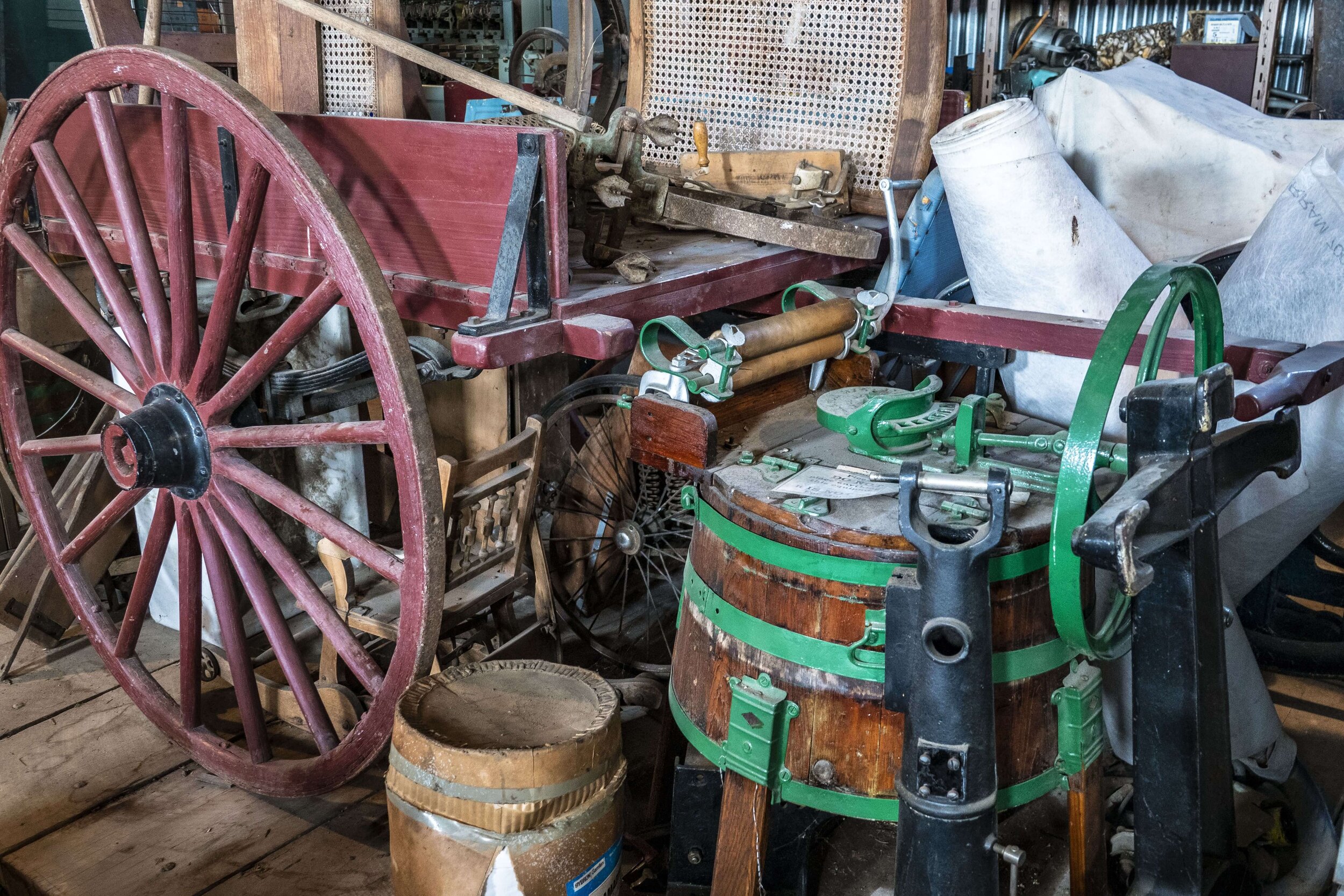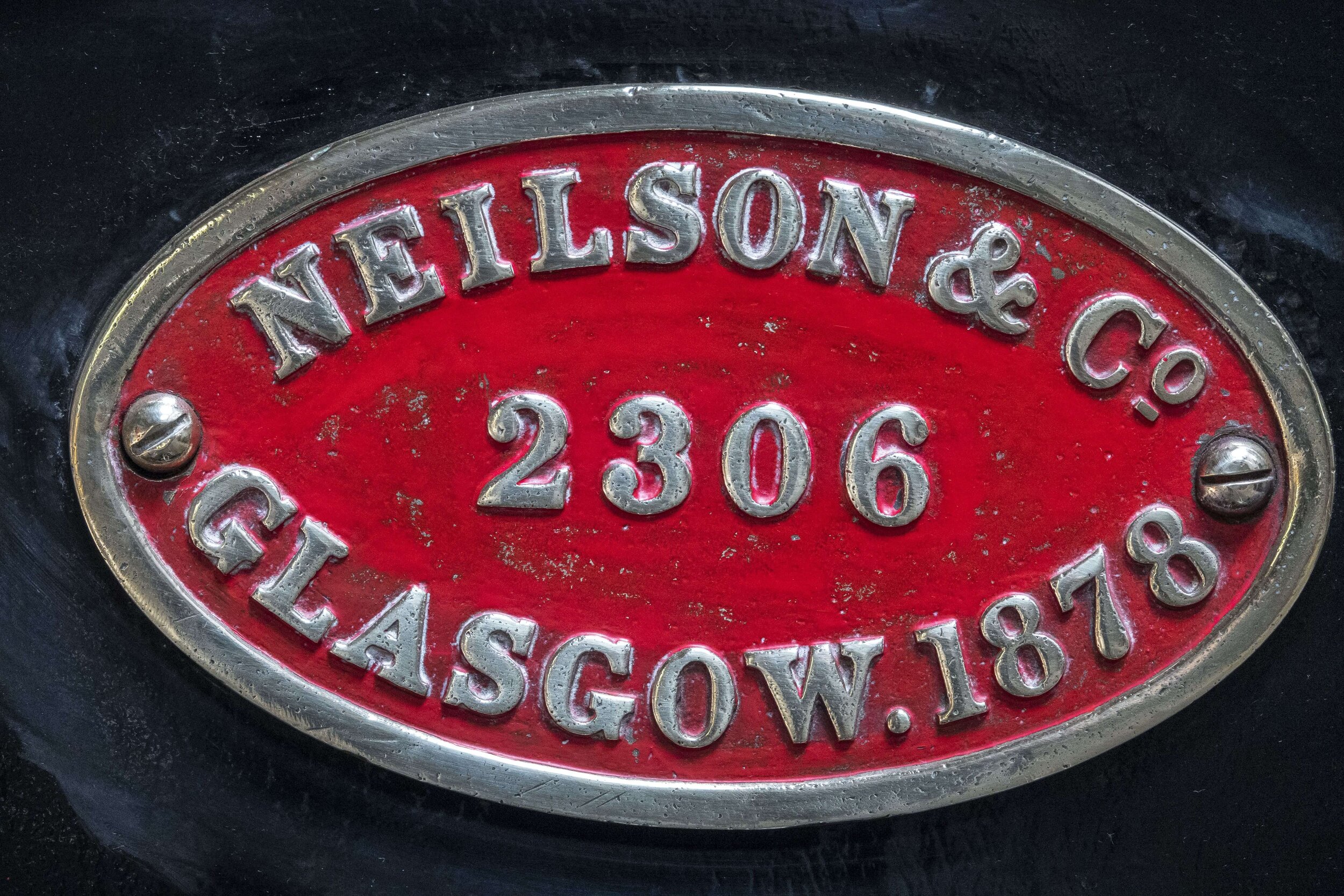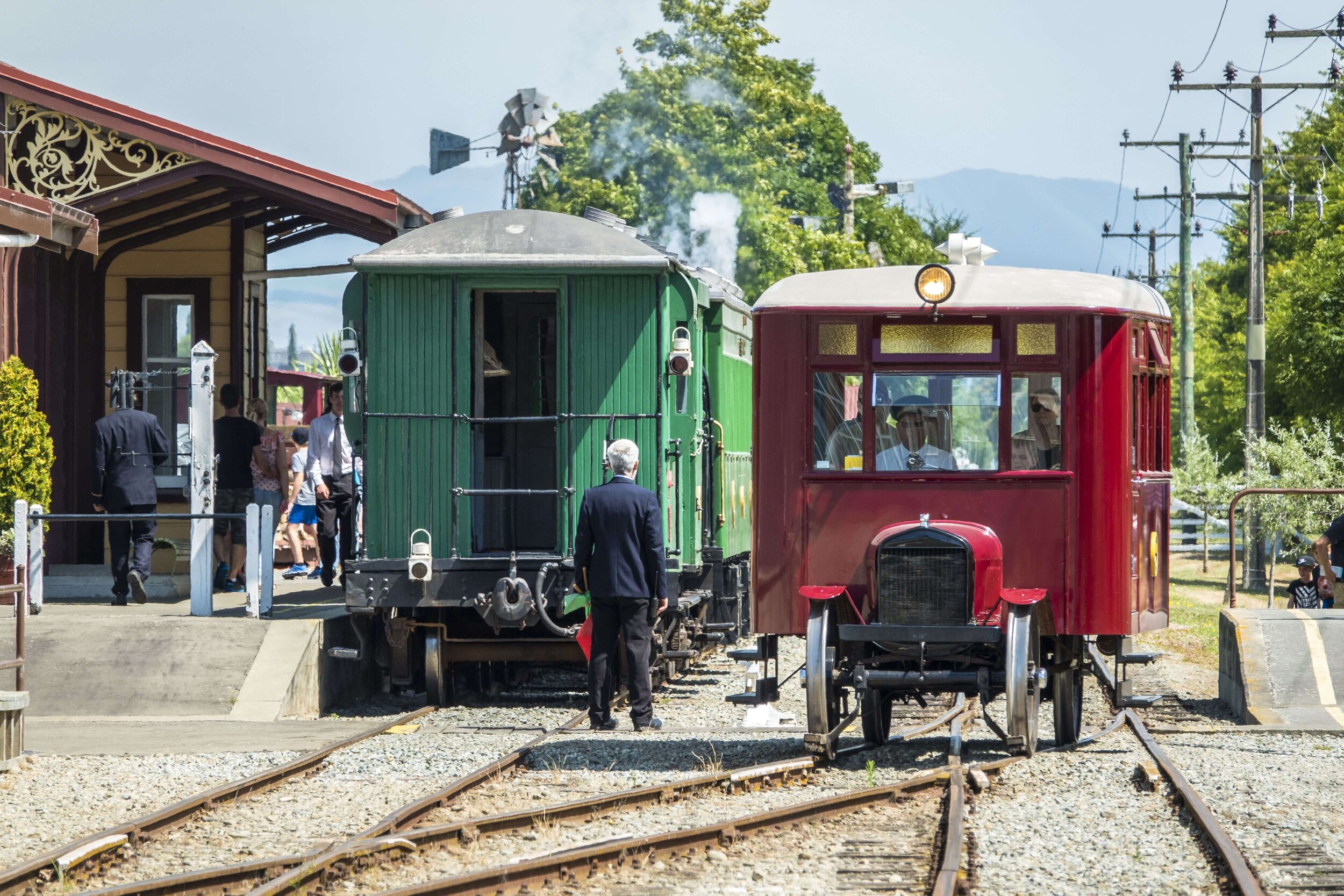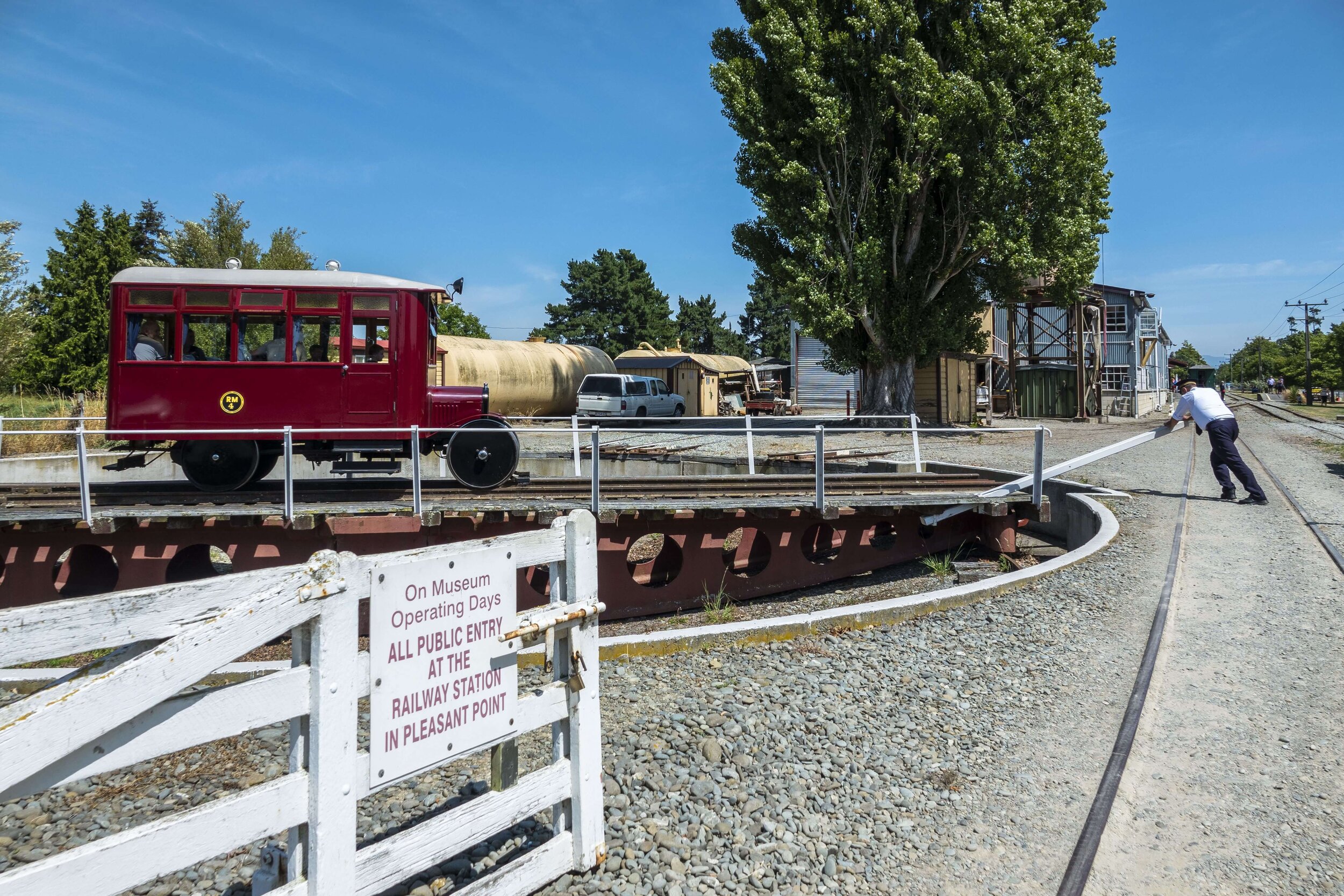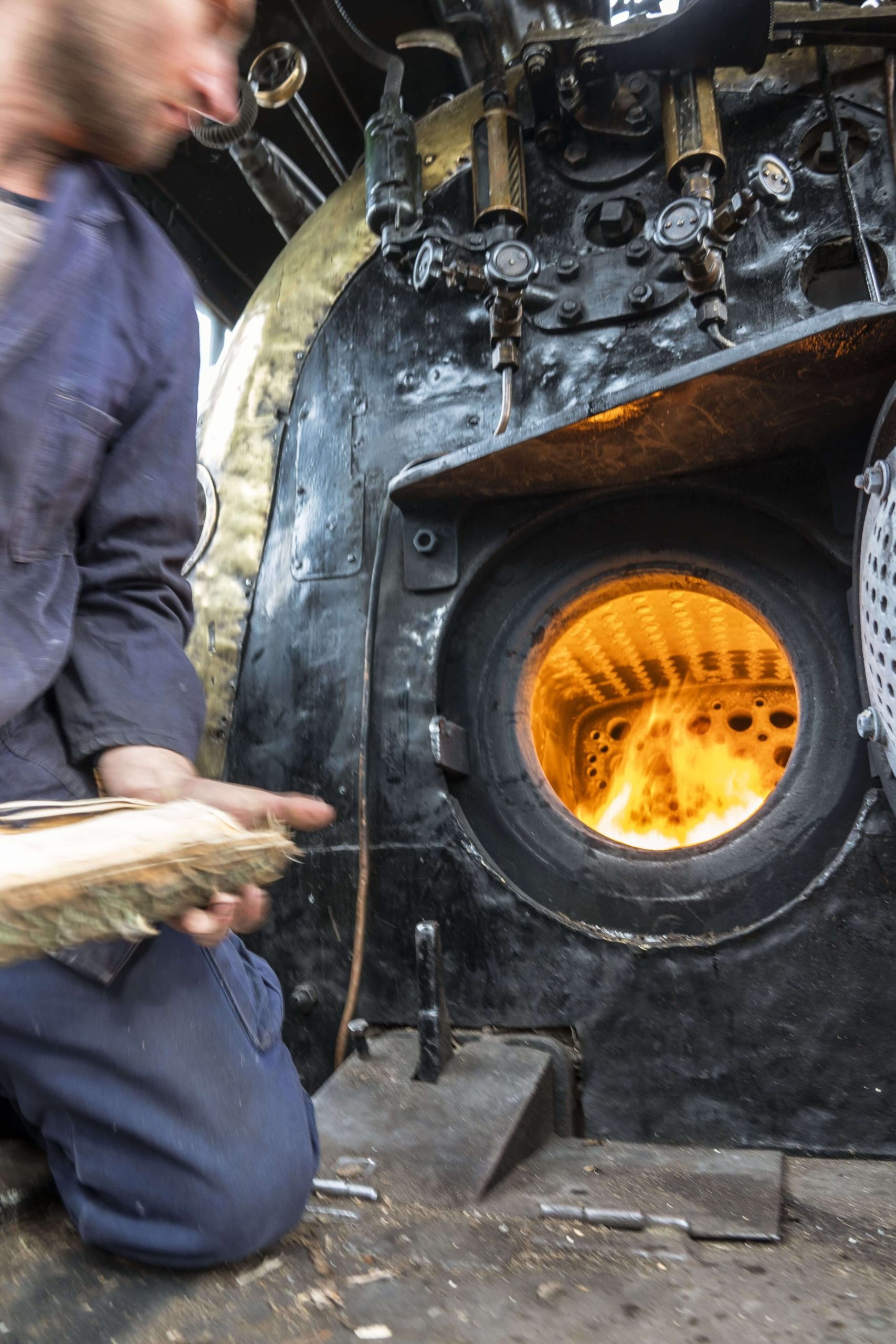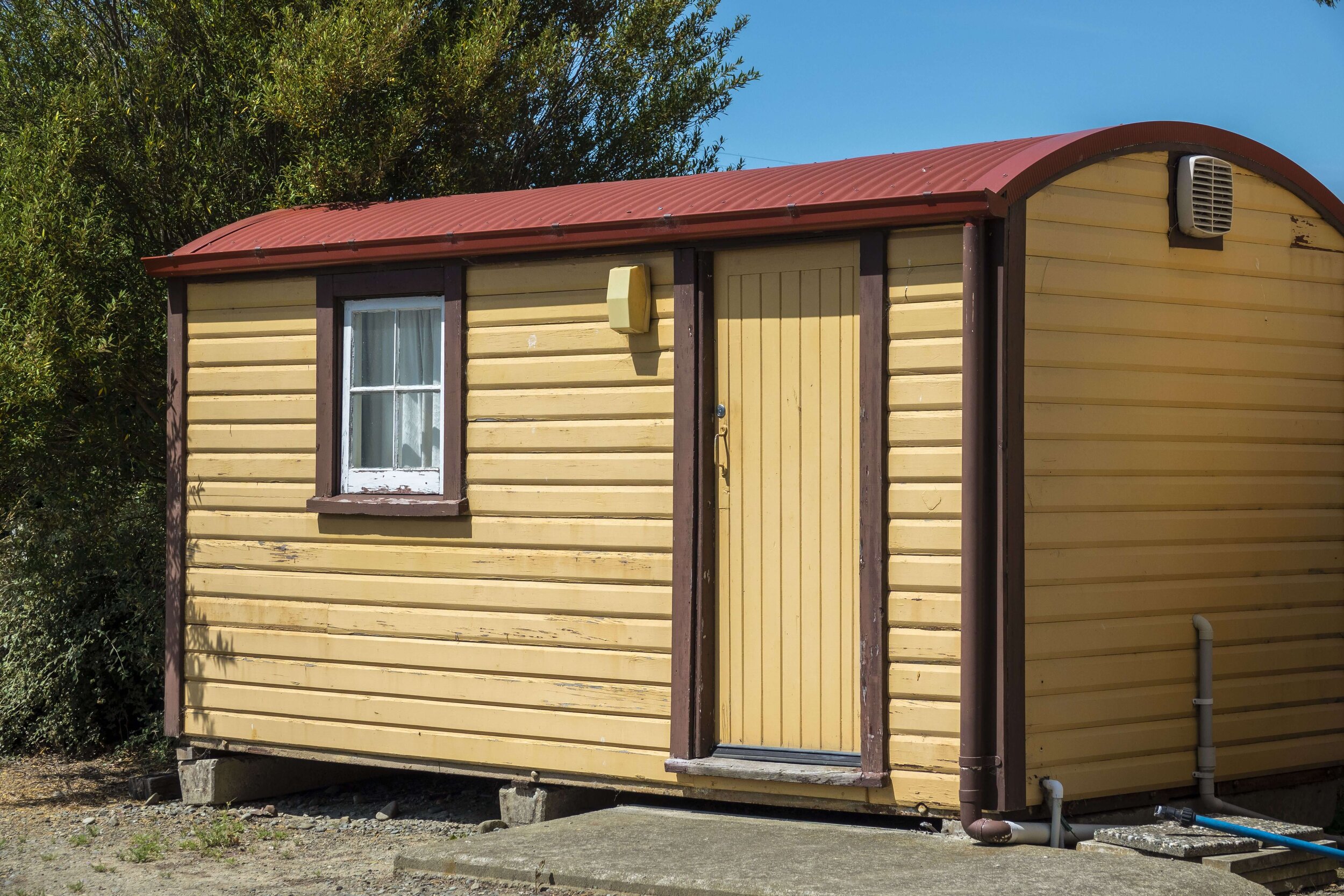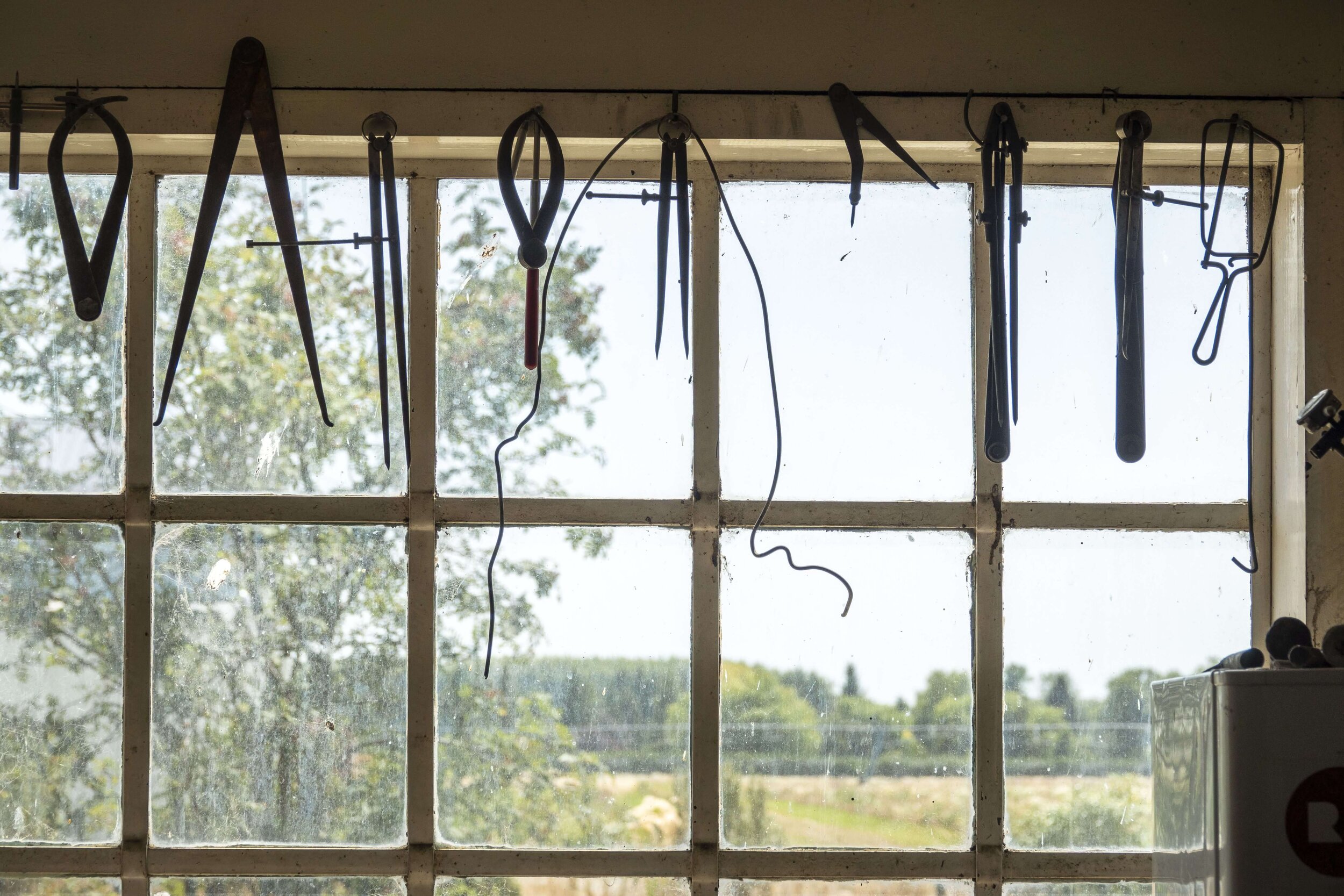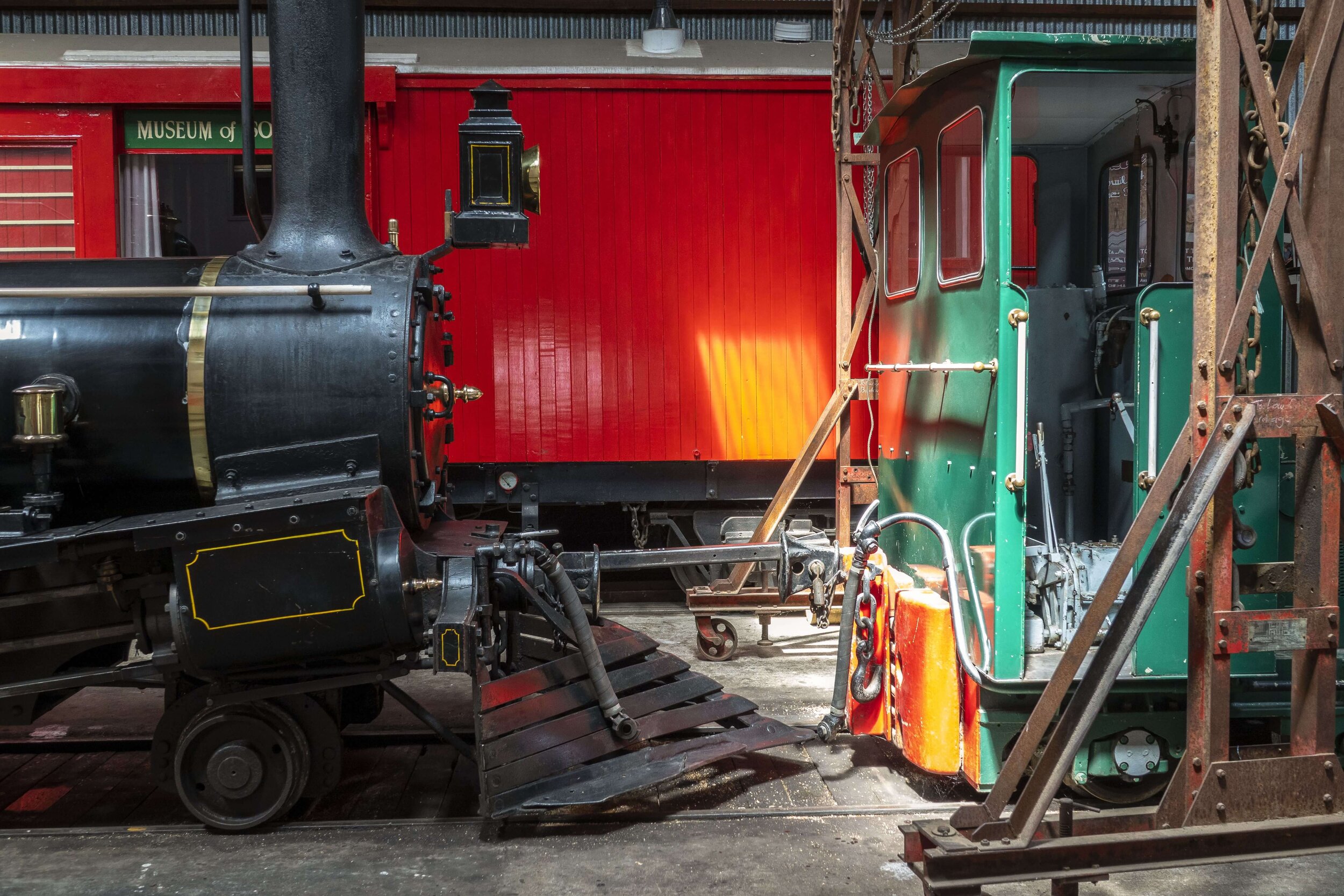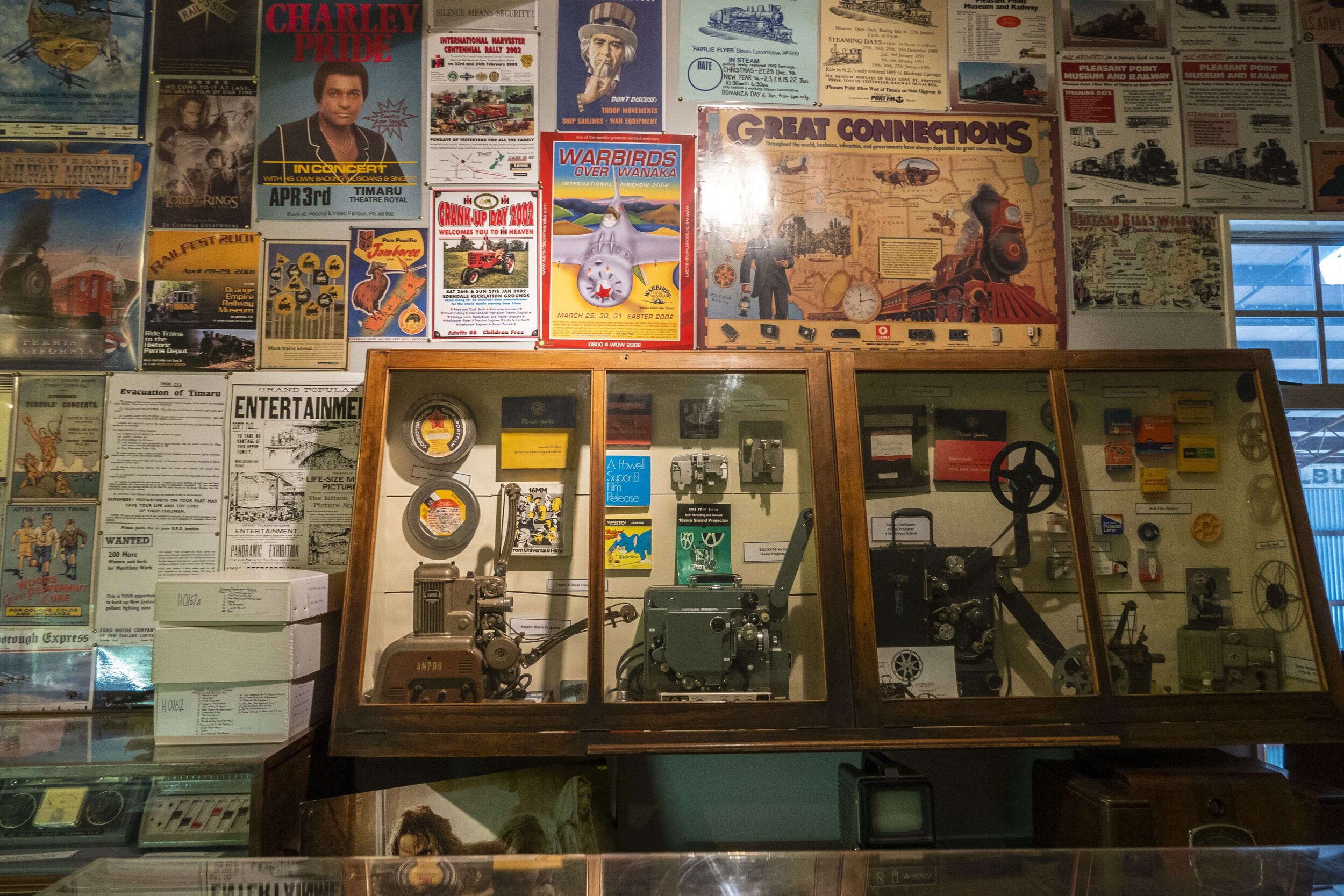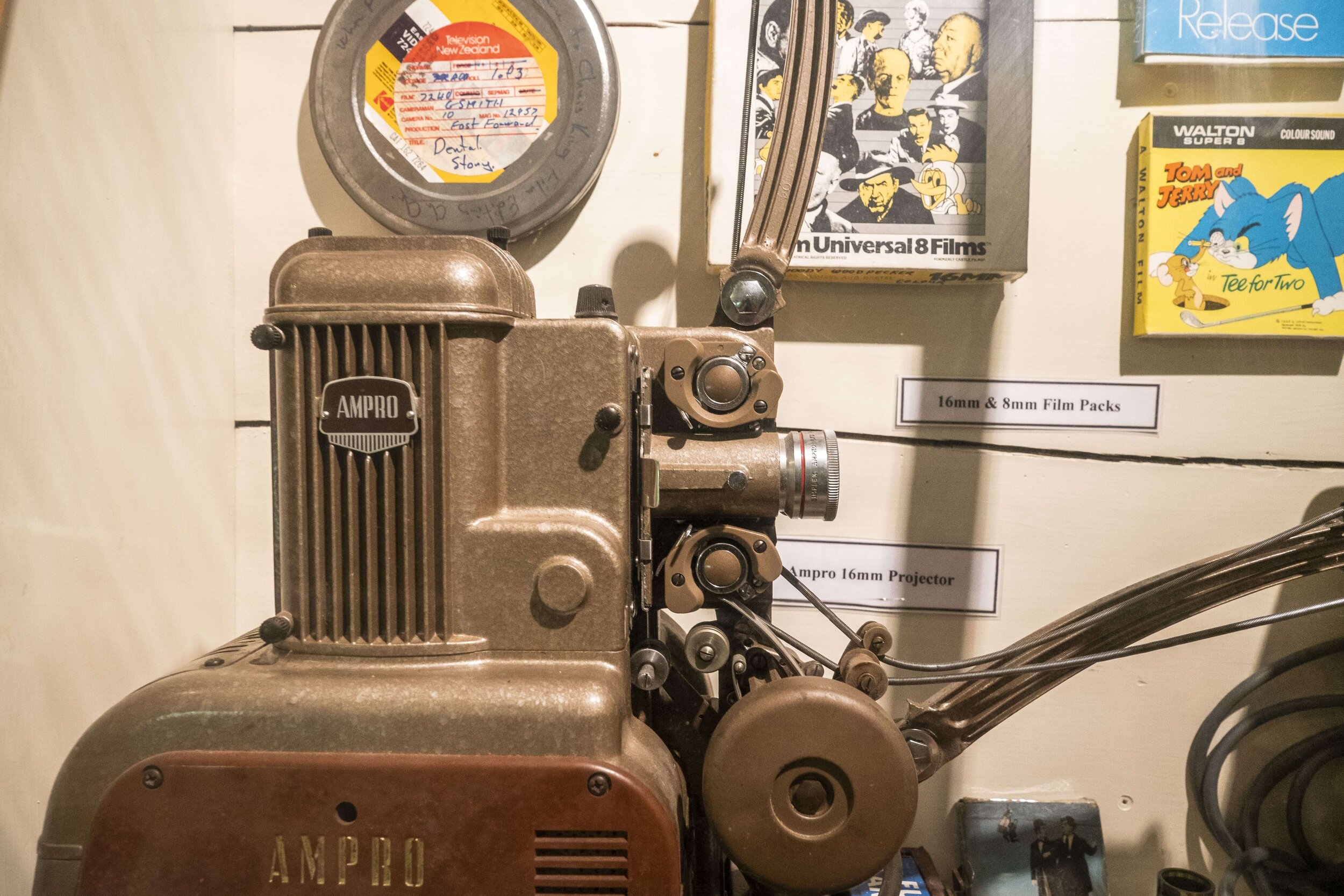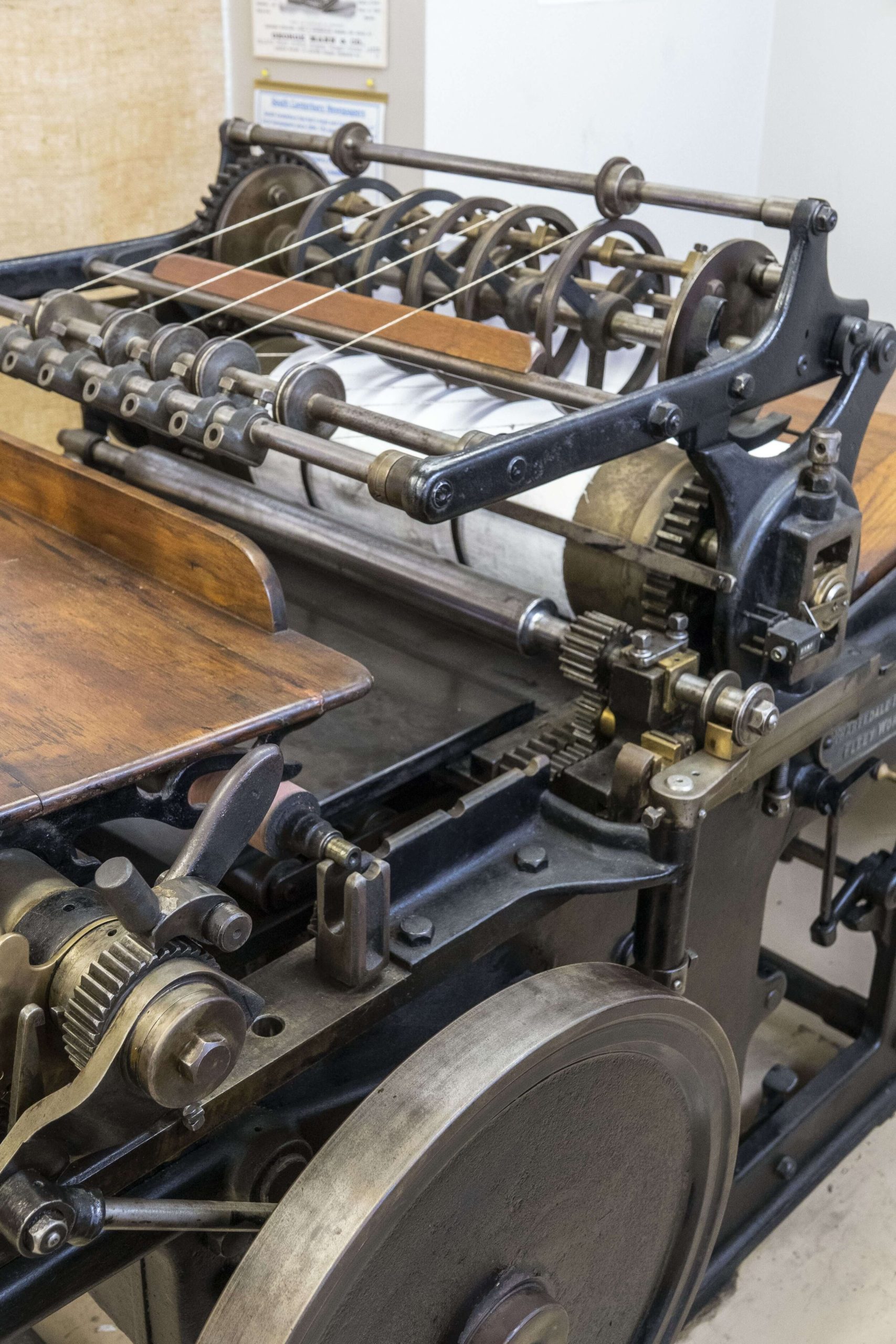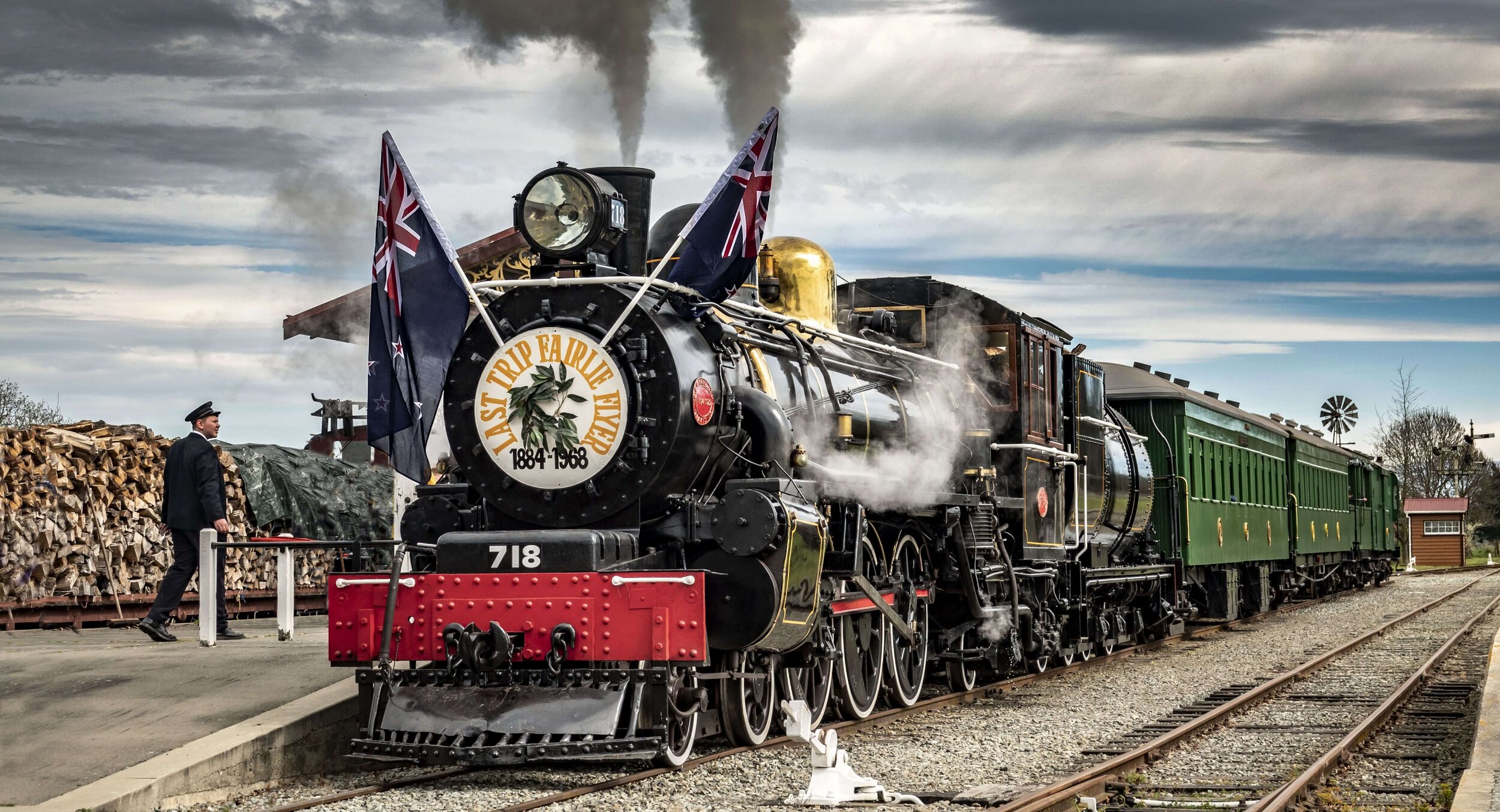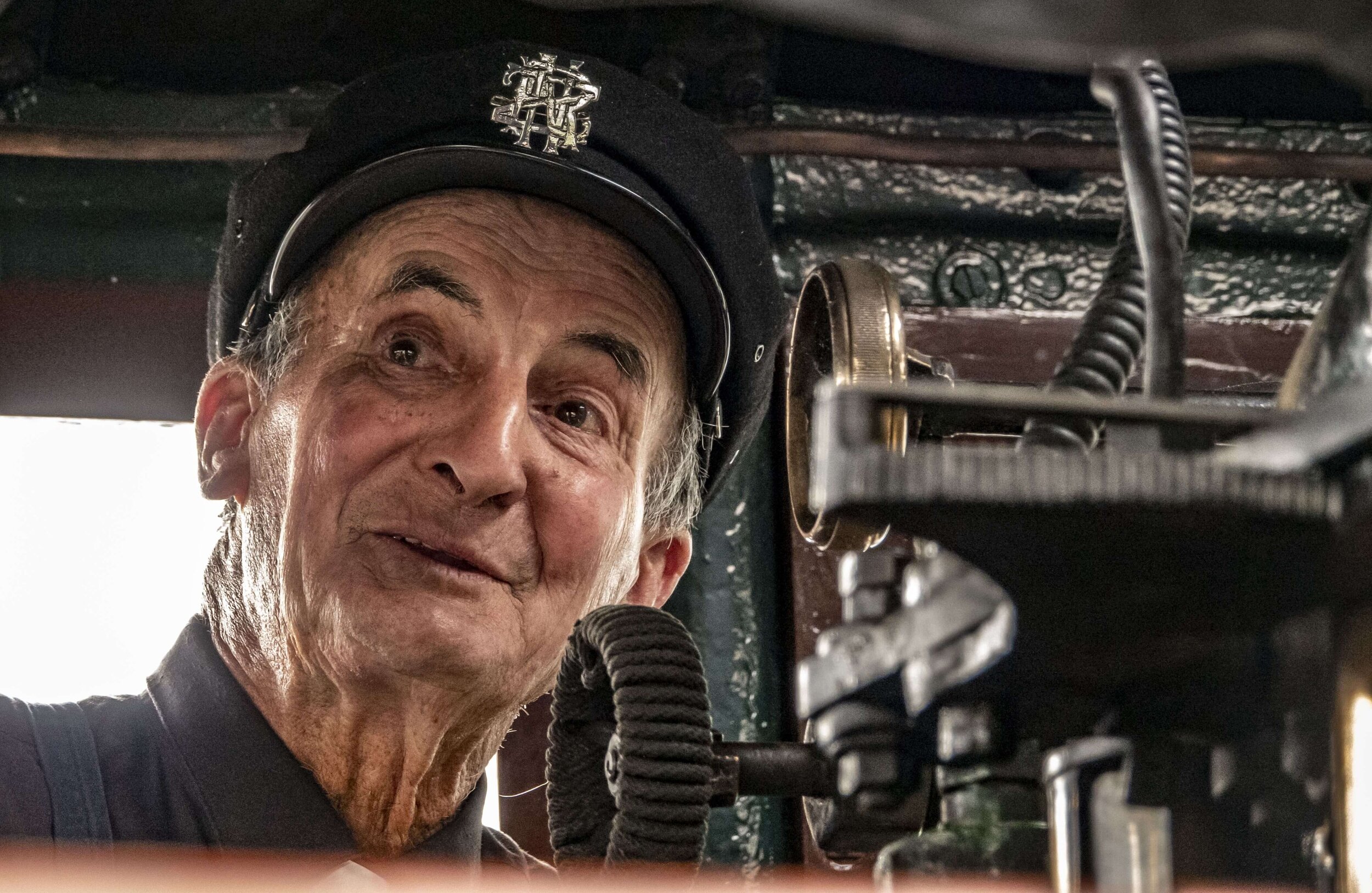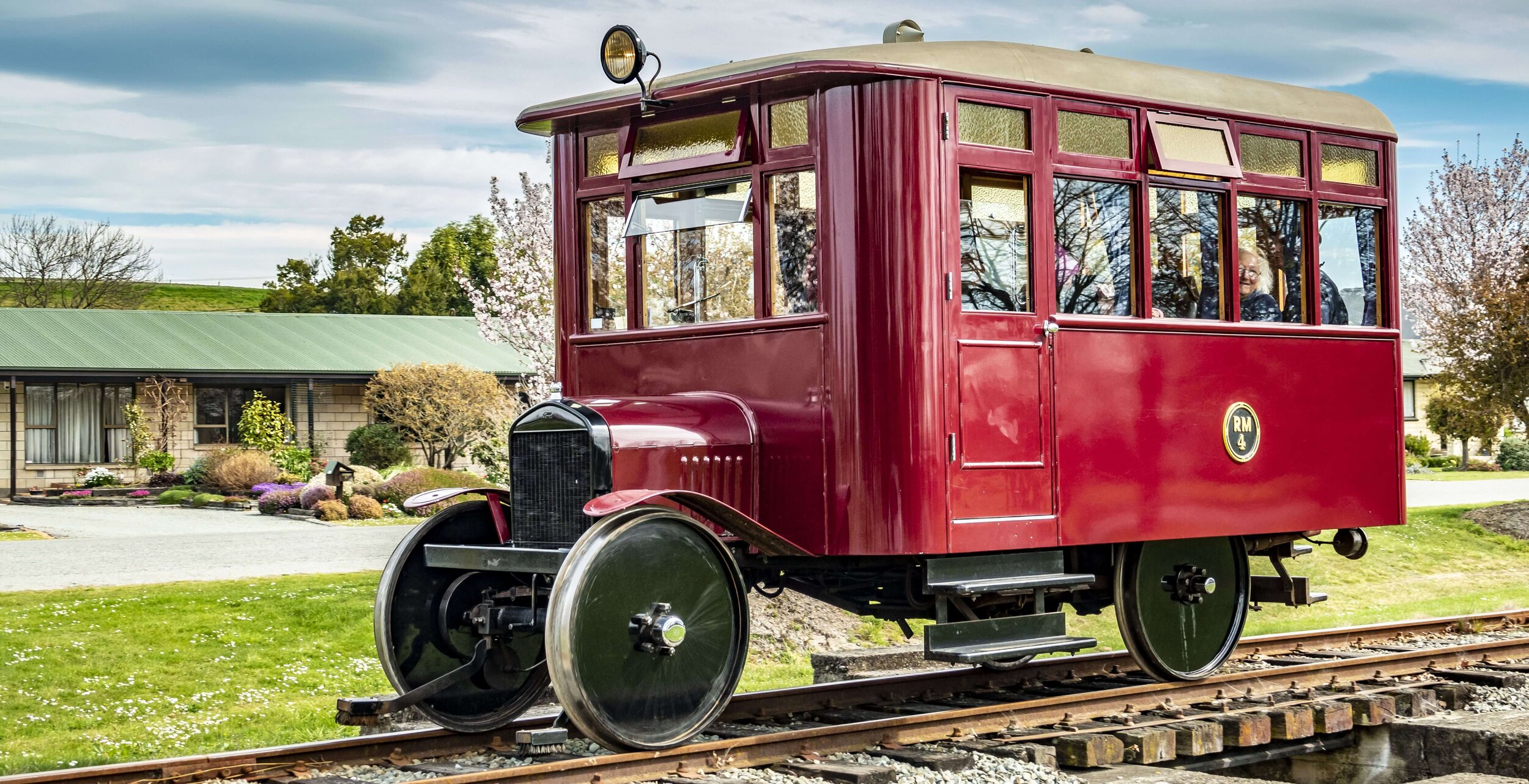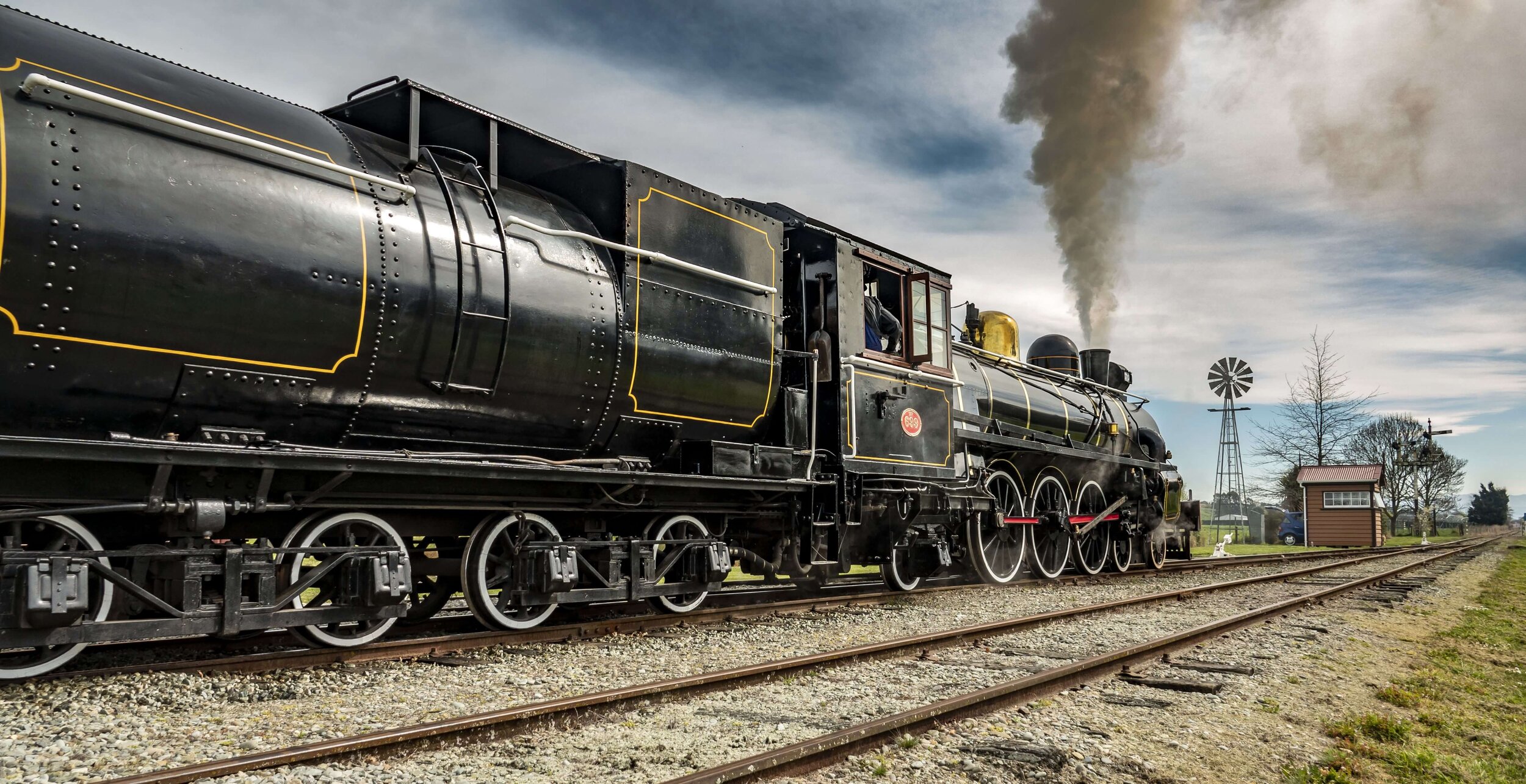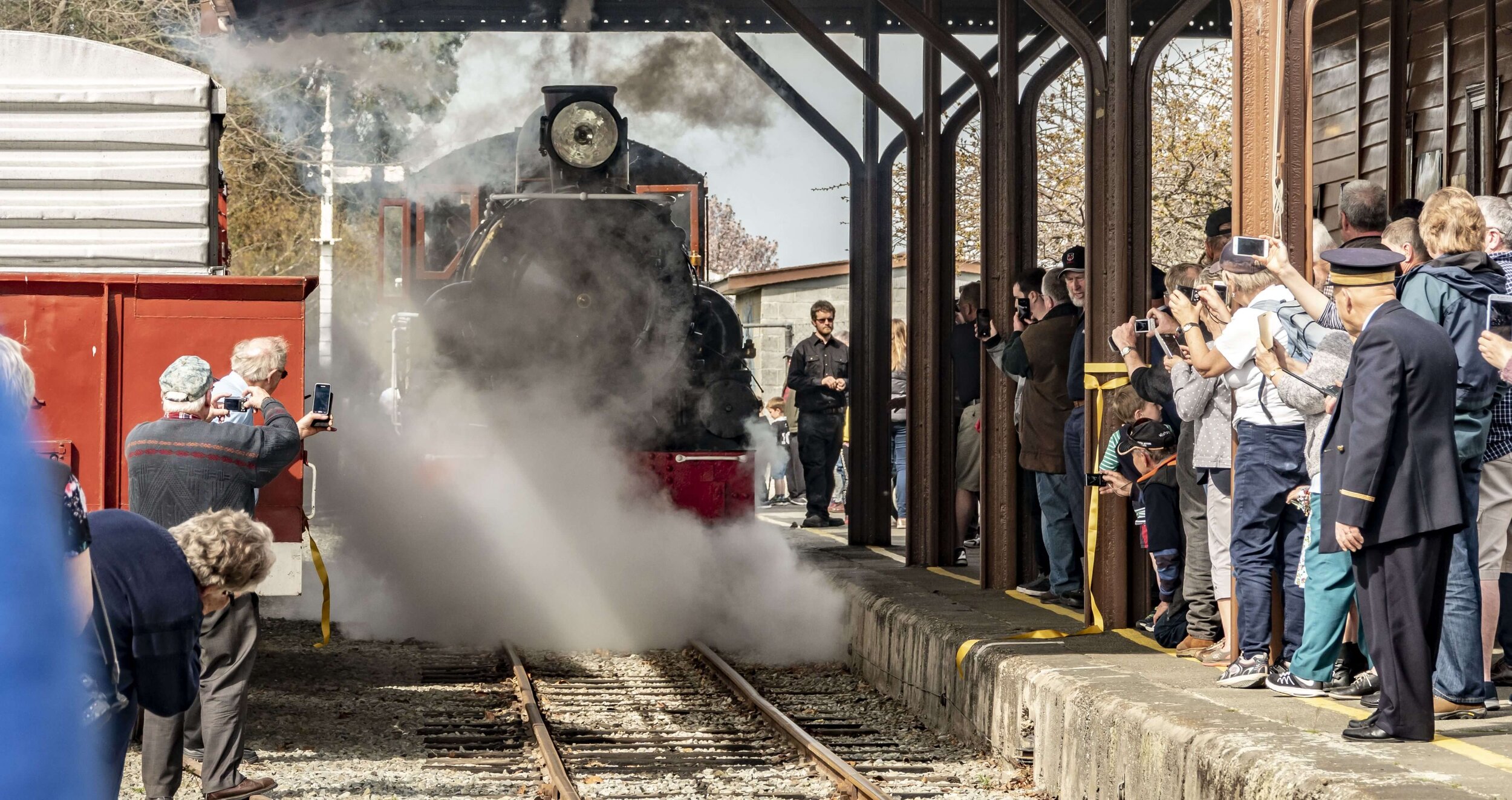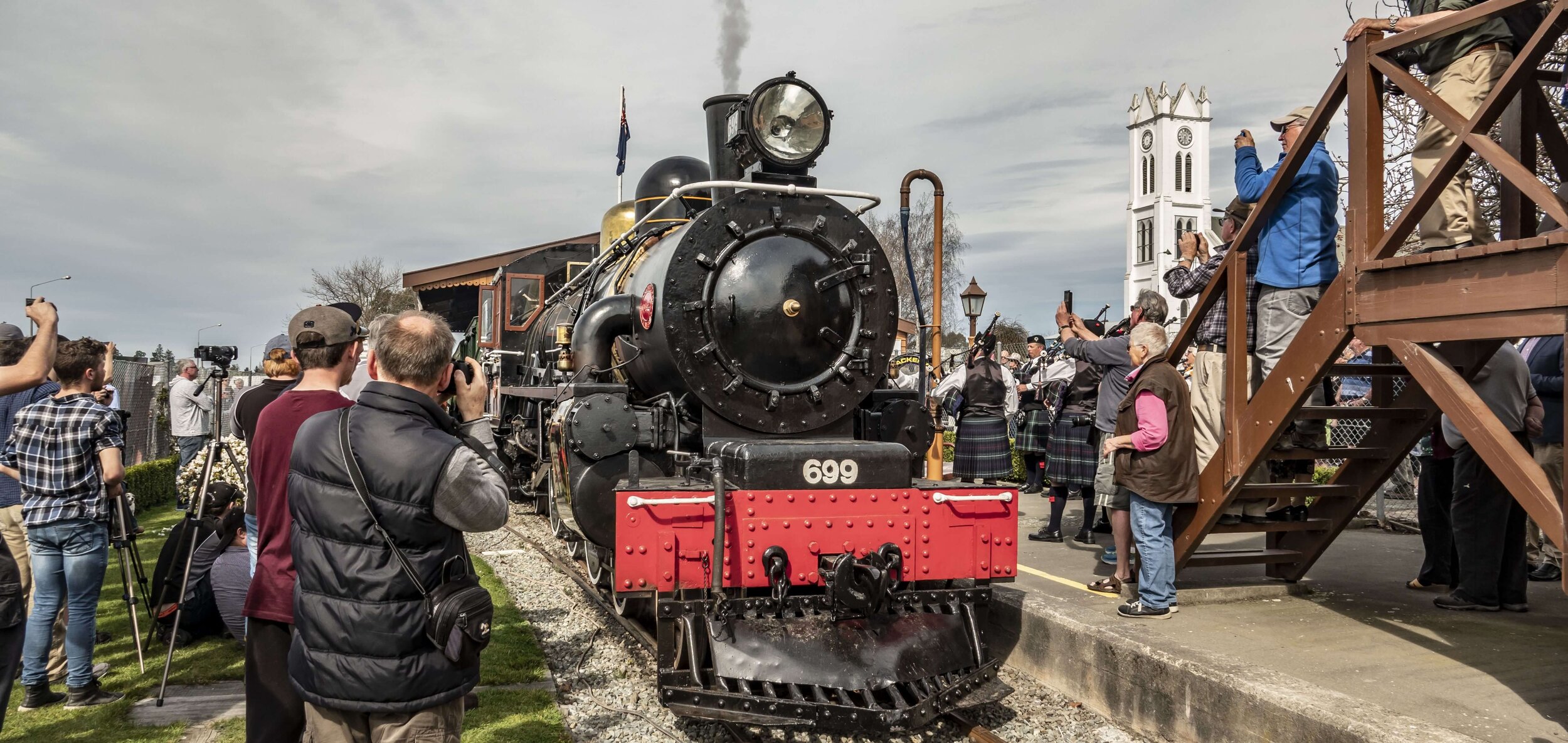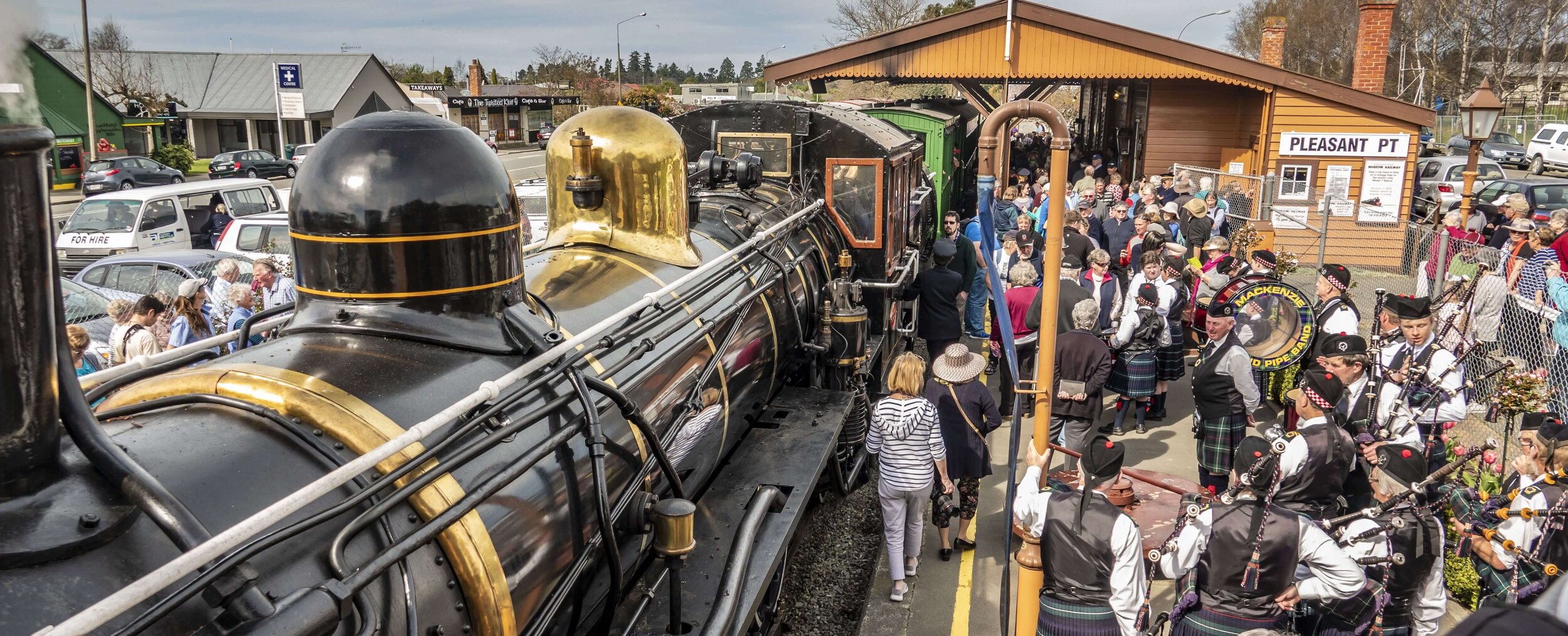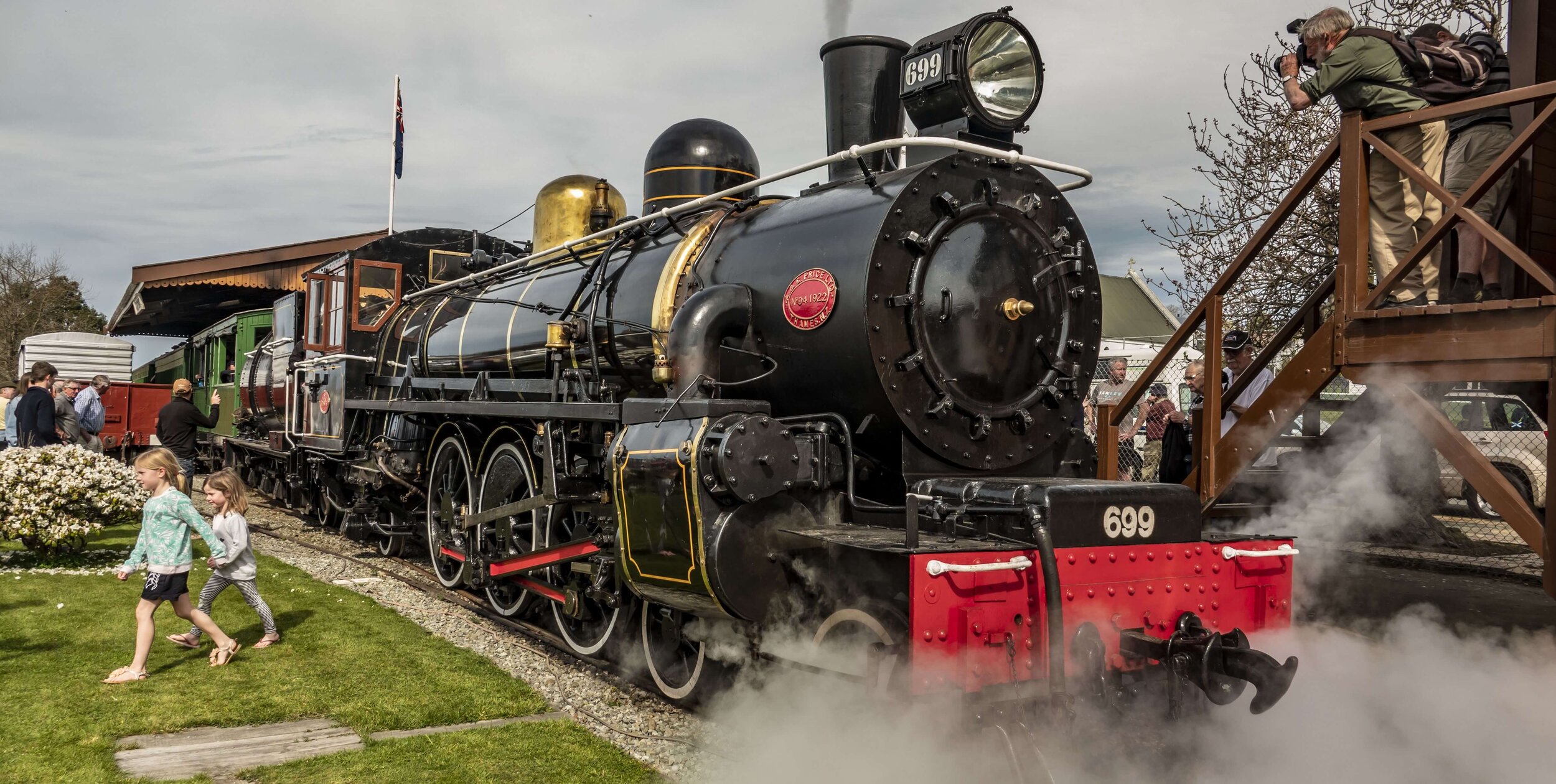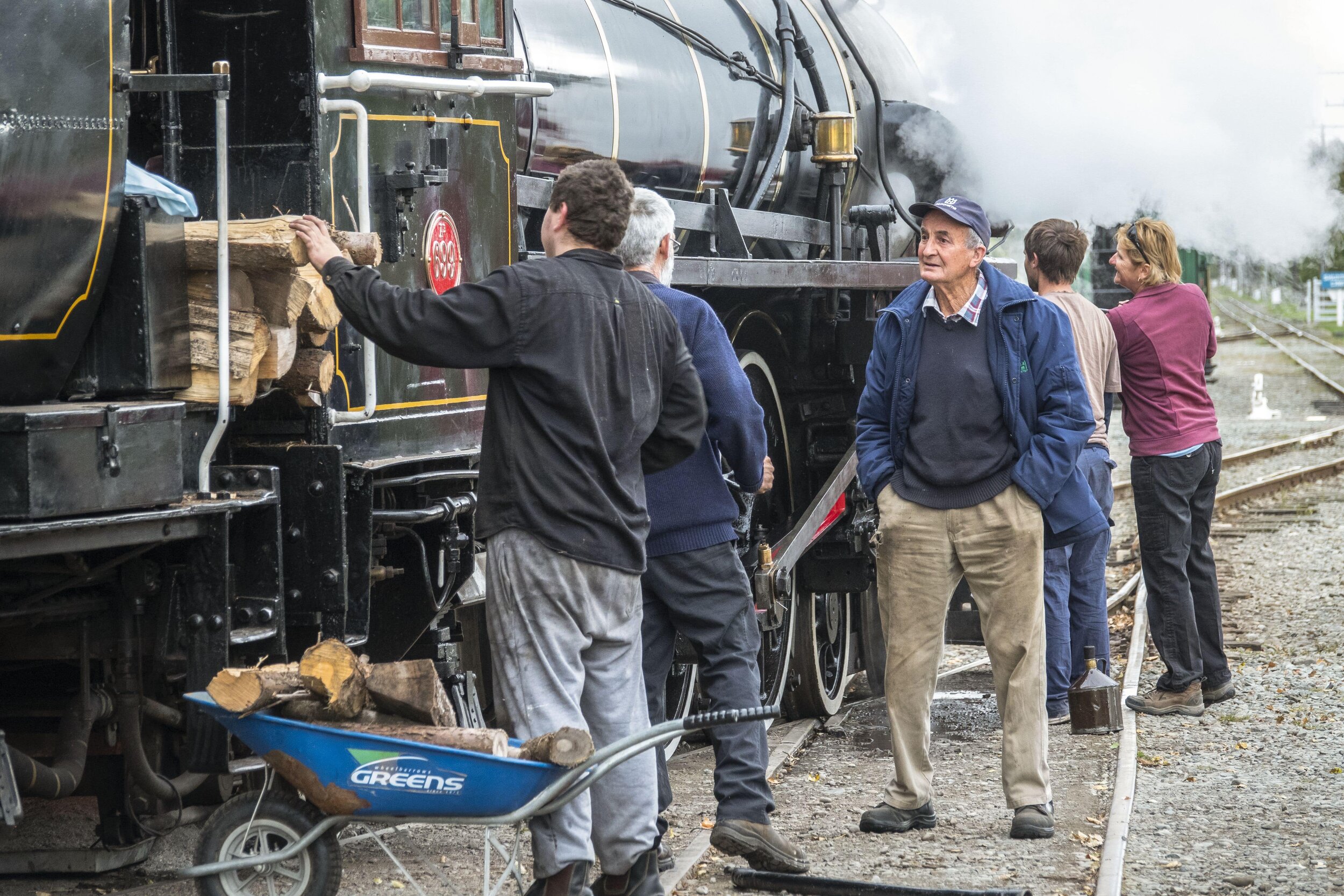
Pleasant Point Railway photo gallery

We visited and wrote about the impressive Pleasant Point Railway & Historical Society in South Canterbury, in The Shed September/October 2020 Issue 92.
Sadly, we just couldn’t squeeze in all the great photos we shot for the article into the magazine. As you will now see, these unpublished photographs are just too good to leave sitting on our hard drive so we felt we just had to share them with readers.
Enjoy.

As featured in Shed 92.
Photographs by Brian High

We visited and wrote about the impressive Pleasant Point Railway & Historical Society in South Canterbury, in The Shed September/October 2020 Issue 92.
Sadly, we just couldn’t squeeze in all the great photos we shot for the article into the magazine. As you will now see, these unpublished photographs are just too good to leave sitting on our hard drive so we felt we just had to share them with readers.
Enjoy.
To purchase a copy of the magazine this article featured in, head to our online store.
Share:

More Posts

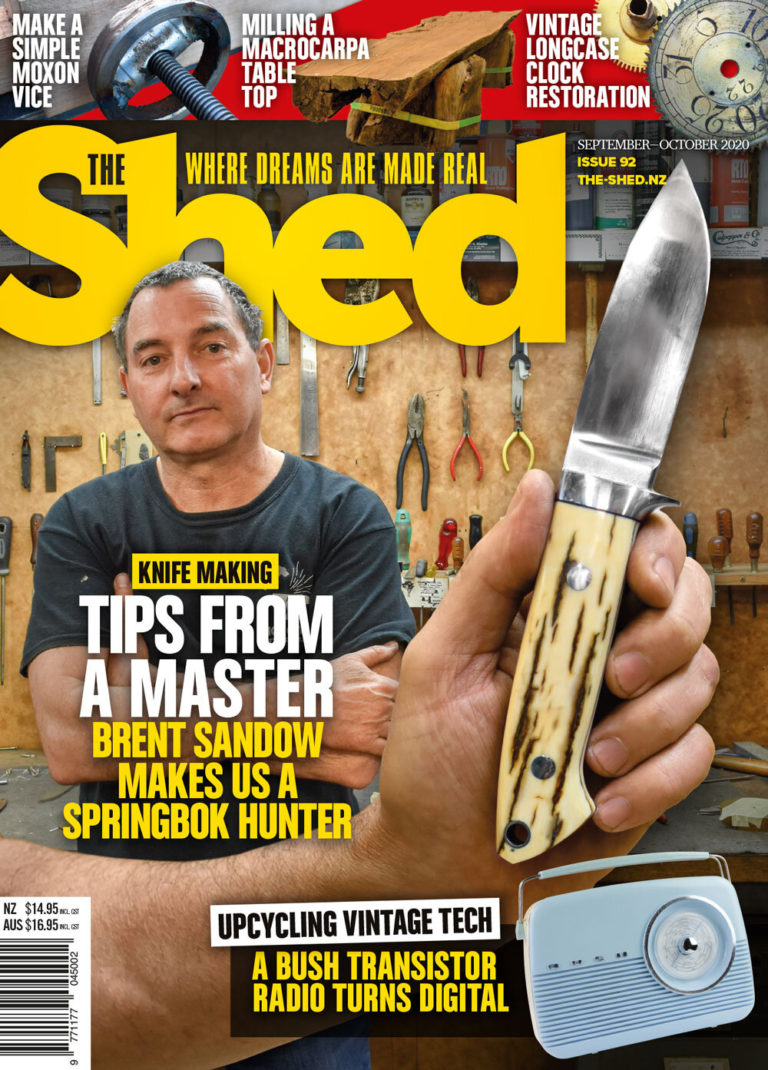
The Shed September/October Issue 92 is on sale now

There’s a real treat for knife makers in the September/October Issue No. 92 of The Shed.
We head to the Auckland workshop of master knifemaker Brent Sandow to get insights into what makes him such a well-regarded exponent of the art. We watch and learn as he goes through the steps on how he makes a Springbok Hunter knife.
Get ready, secrets are shared.
Letting off steam

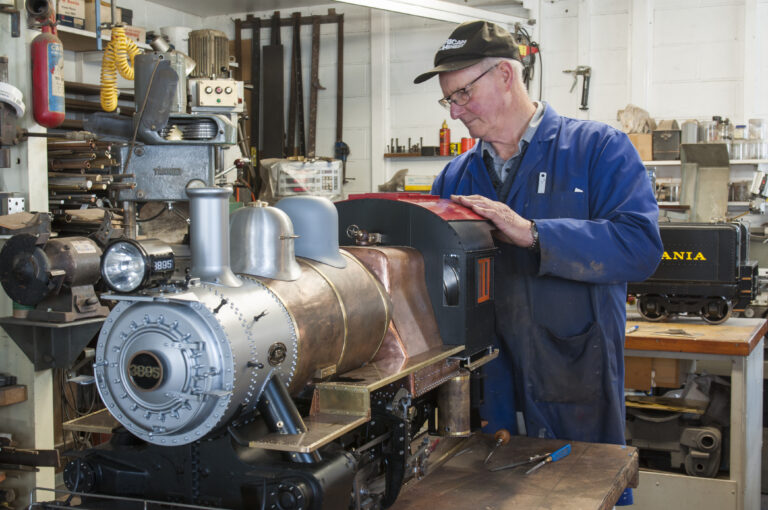
“Steam is the only way to go,” says Win Holdaway, a Blenheim-based enthusiast who builds working models from scratch in his backyard shed.
Over the years, Win has spent thousands of hours constructing immaculate scale locomotives, including an 1870s’ Baldwin Standard TE, BR standard class 9F, and a Burrell Special Scenic Showman’s road locomotive. He is currently working on an inch-and-a-half scale 1925 Pennsylvania A5S 040 switcher, complete with tender. “It’s one thing to make a model that looks authentic and another to make it work,” says Win, whose working models can all hold 90-100lb of steam.
Win reckons he spent around 5000 hours building his Burrell Scenic Showman’s road locomotive alone. It is fittingly named Lynette after his wife. While he probably spends more time in his shed than the house, she is his greatest supporter. “It’s more than a hobby. This is his life,” says Lyn, a legal annotator who knows the importance of precision.
“I’m out here most days,” admits Win who, if not in his own workshop, can often be found down at Brayshaw Heritage Park with fellow model engineering enthusiasts.

The Shed magazine April/May 2026 issue 126 on sale now

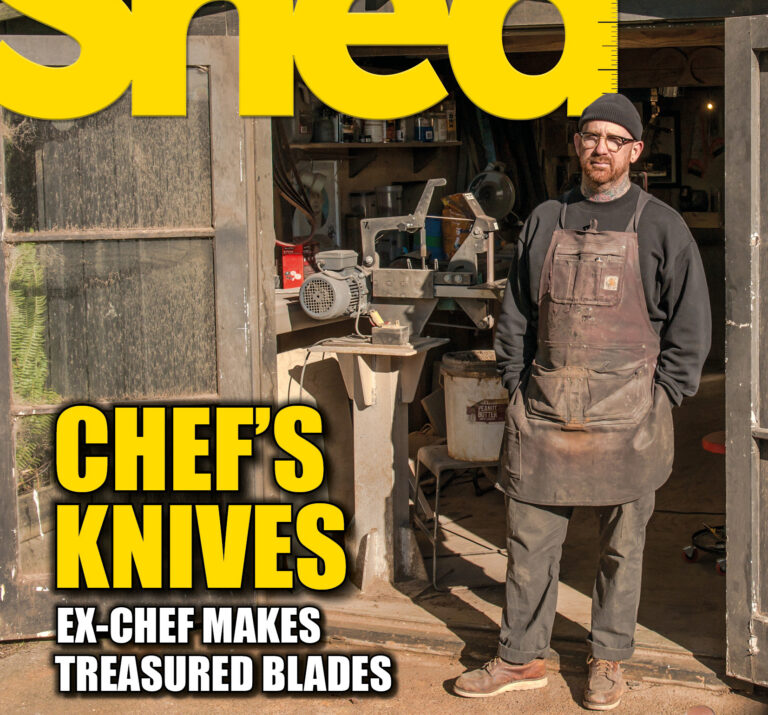
Hayden Scott’s road to crafting Damascus blades has been a journey of self-discovery, from an ambitious teen working the boning tables of the Balclutha freezing works to chef Al Brown’s right-hand man. Now, with over 25 years of experience using knives, he has found his calling: hand-forging the finest blades for cooks all over the world from his backyard sheds in the Waitākere Ranges.
“Hayden grew up in Balclutha surrounded by farmland and a practical family: his mum made the family’s clothes; dad was a chippie; an uncle built airplanes, and another uncle was a fitter and turner.
Hayden and his brother were often left to their own devices, usually with a pocket knife in hand. He remembers, “I always had a project on the go. What have we got here? What can I make from this?” Huts and bows and arrows lead to hovercrafts with electric motors, and later to bicycles, motorbikes, and furniture restorations.
His uncle Russell was a real inspiration, a builder who knocked together a Jodel airplane, which Hayden fondly remembers flying around Otago in. “I was in absolute awe that someone could build something like that, at home.” Another uncle, Allan, was a Fitter and Turner who rebuilt motorcycles. He had to dig out a cellar under his house to store his vast collection of vintage motorcycles. Hayden remembers, “He was always in there with his overalls on, working on them. Growing up around people like that was really motivating.”