Beyond the grain
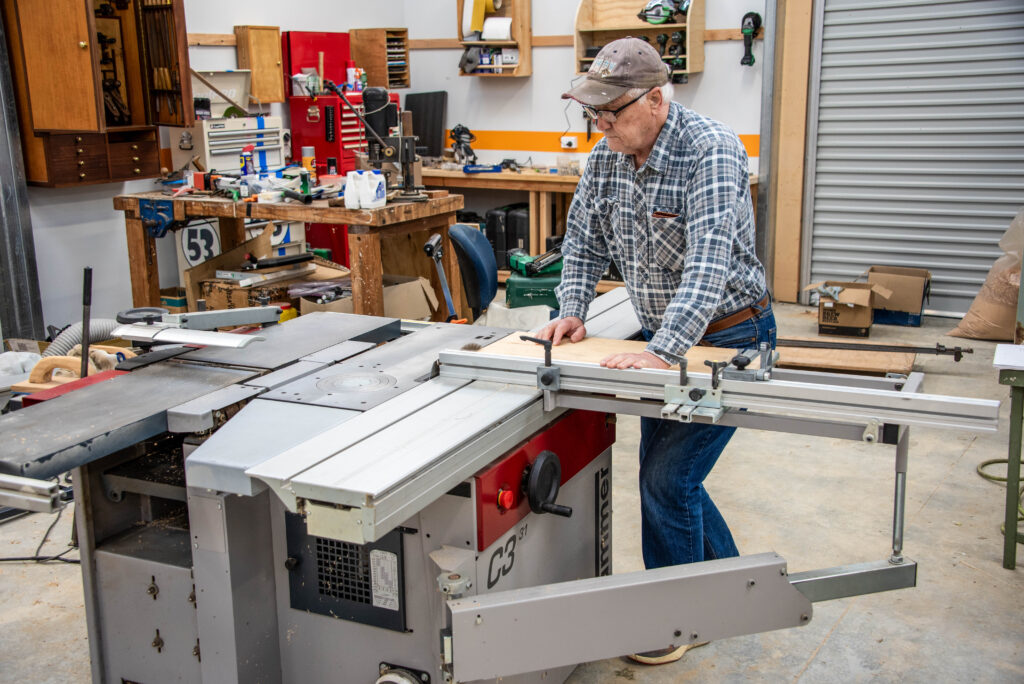
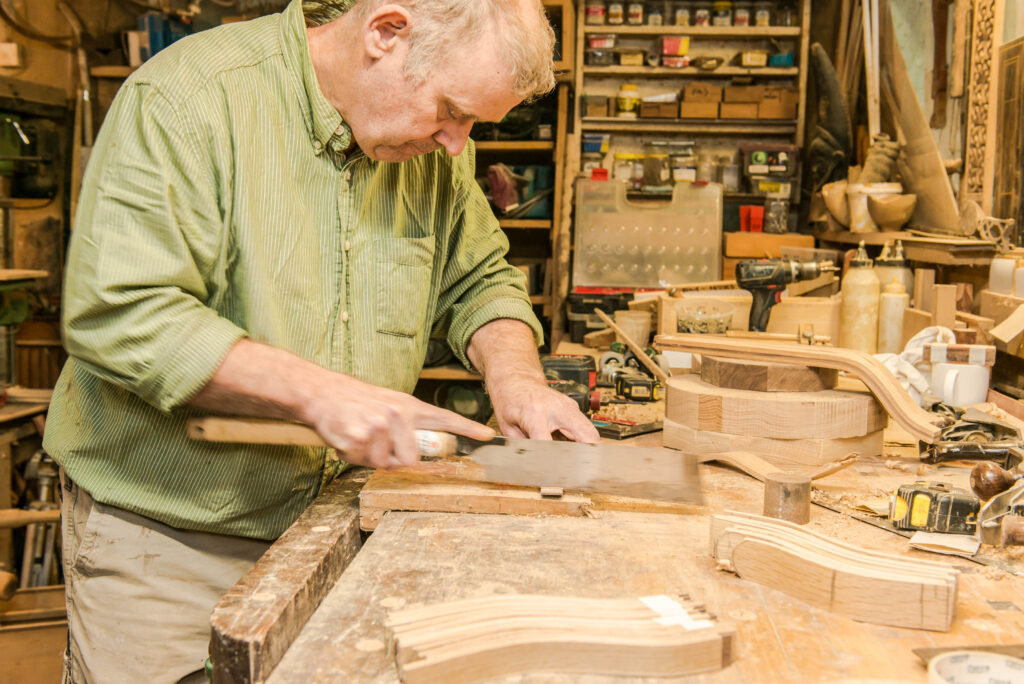
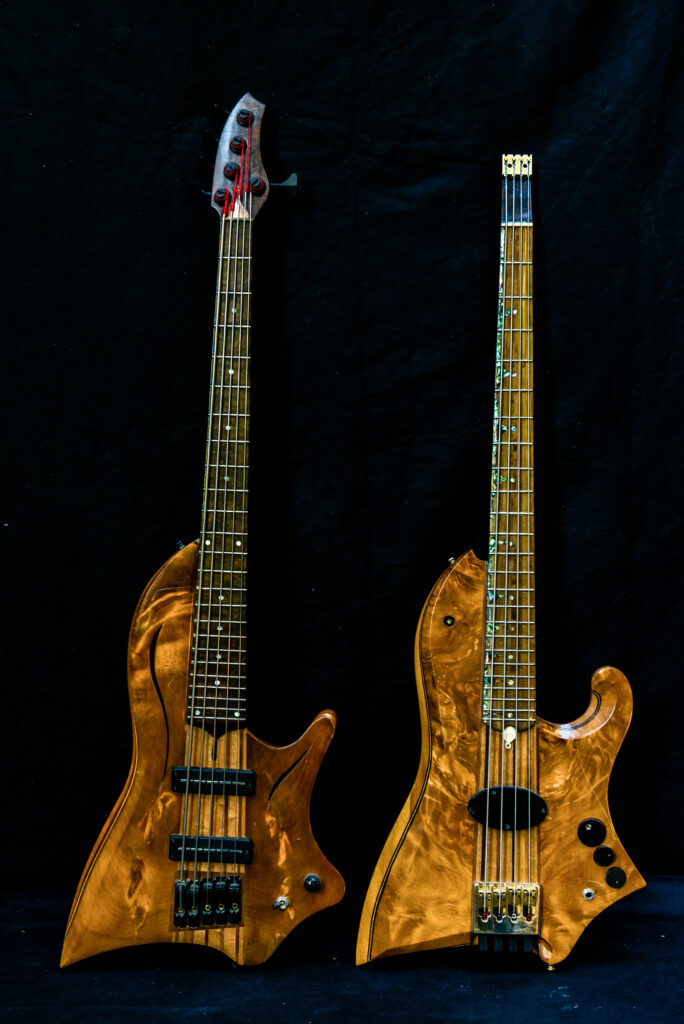
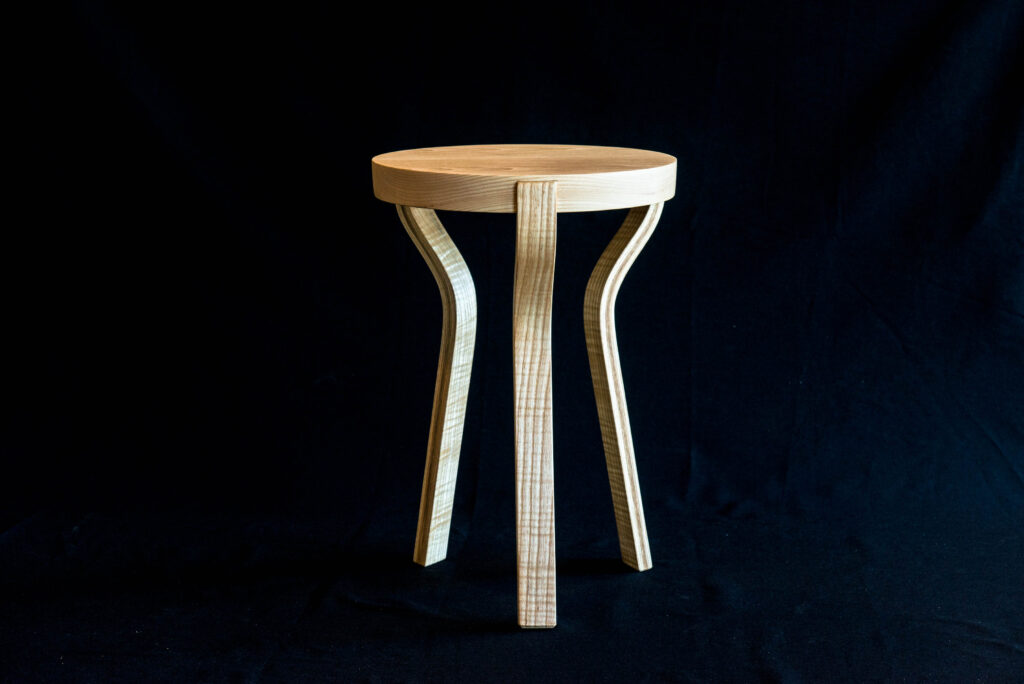
At age 15, Edward Prince declared to his Dad, “I’m going to be a cabinet maker”. Nowadays, Edward the furniture maker is pushing timber’s boundaries through innovative projects like bodging chairs, carving bowls, crafting bows, and designing bass guitars.
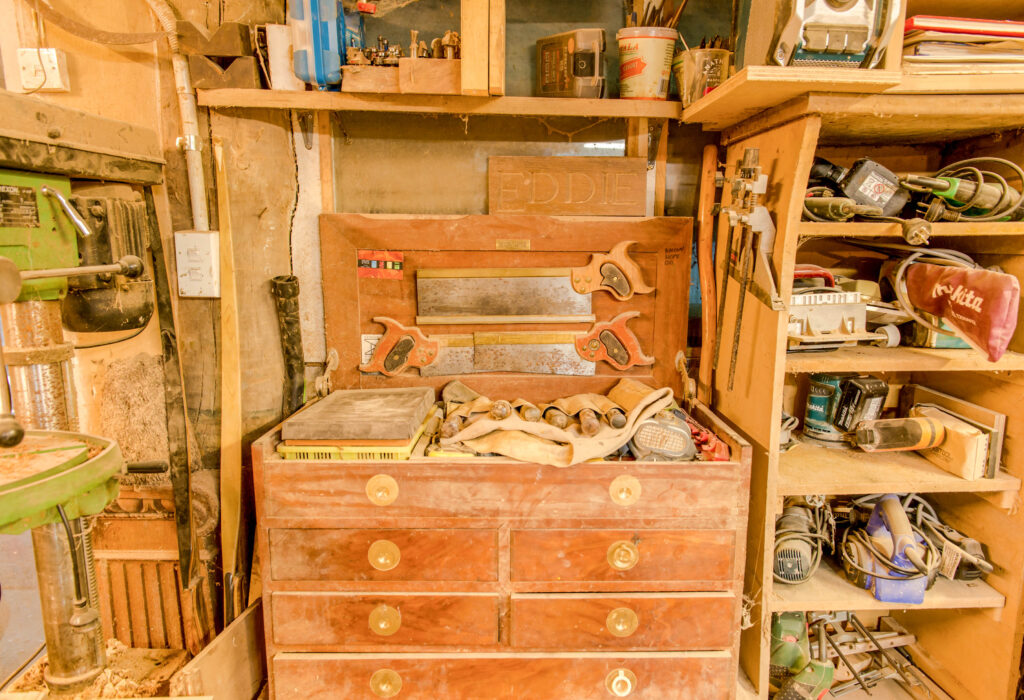
A forest of lithe, towering ricker Kauri, adolescent Rimu and tall ferns shade the glade around Edward’s workshop. Leaf mulch, bark chips and forage strips camouflage the paths. Twisted logs rest against a small retaining wall awaiting a fresh designation, and a cluster of rustic timber chairs encircle a brazier on the lawn above. From the tree tops, invisible Tui chime and call while through a set of dusty French doors, an apparition of Edward can be seen and heard, cutting, carving and creating.
Edward remembers when he first set eyes on this place; it reminded him of an image on a postcard that he had saved in England. He recalls, “It was a picture of a small church in a hollow, surrounded by trees. It struck me as a place of peace and tranquillity. I thought how nice it would be to live in such a sanctuary. This place is what I had in my mind.”
To purchase a copy of this edition of The Shed, head here to our online shop
Tribute to Trevor Scott
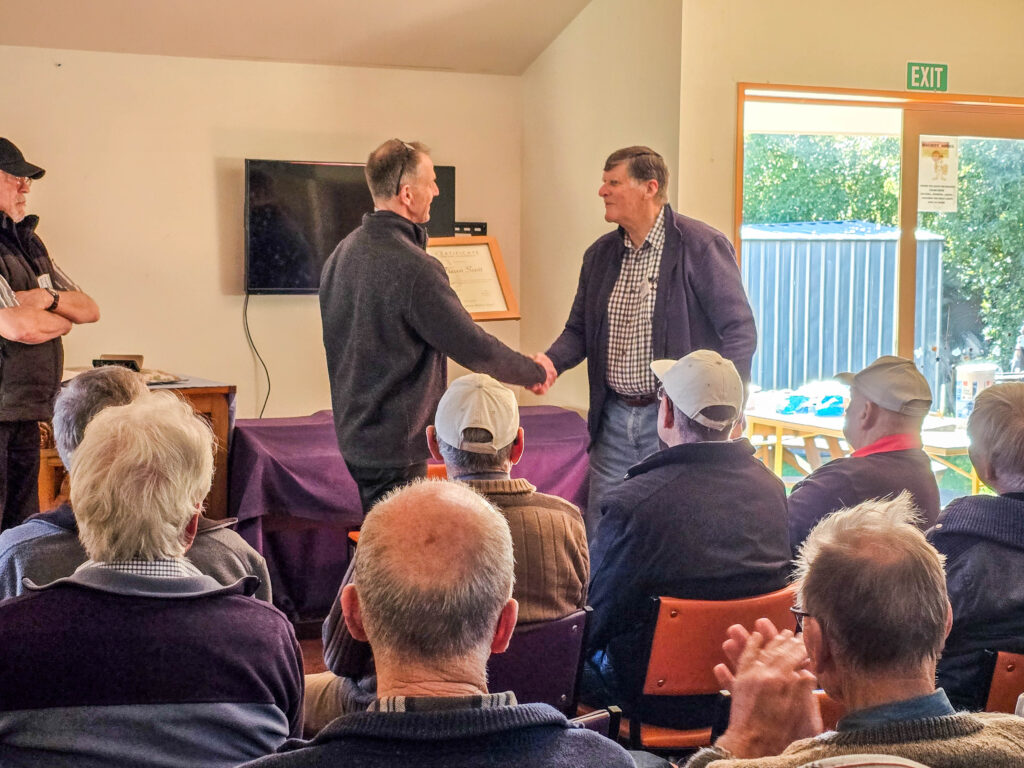
The New Brighton MenzShed hosted a regional meeting to honour and give thanks to Trevor, who was instrumental in introducing the MenzShed concept to New Zealand.
Seventy-three sheddies from around the Canterbury Westland region attended, including David Broadhead – Chairman of MenzShed New Zealand Inc – who came down from Auckland for the event. Christchurch City Councillor Celeste Donovan also attended.
Trevor was presented with an honorary life membership certificate by the New Brighton shed, along with a letter from the Hon Matt Doocey, Associate Minister for Health and Minister for Mental Health. Doocey wrote: “I would like to acknowledge Trevor’s commitment to MenzShed over the many years and the positive contribution he’s made to the local community.”
Building a wooden sea kayak
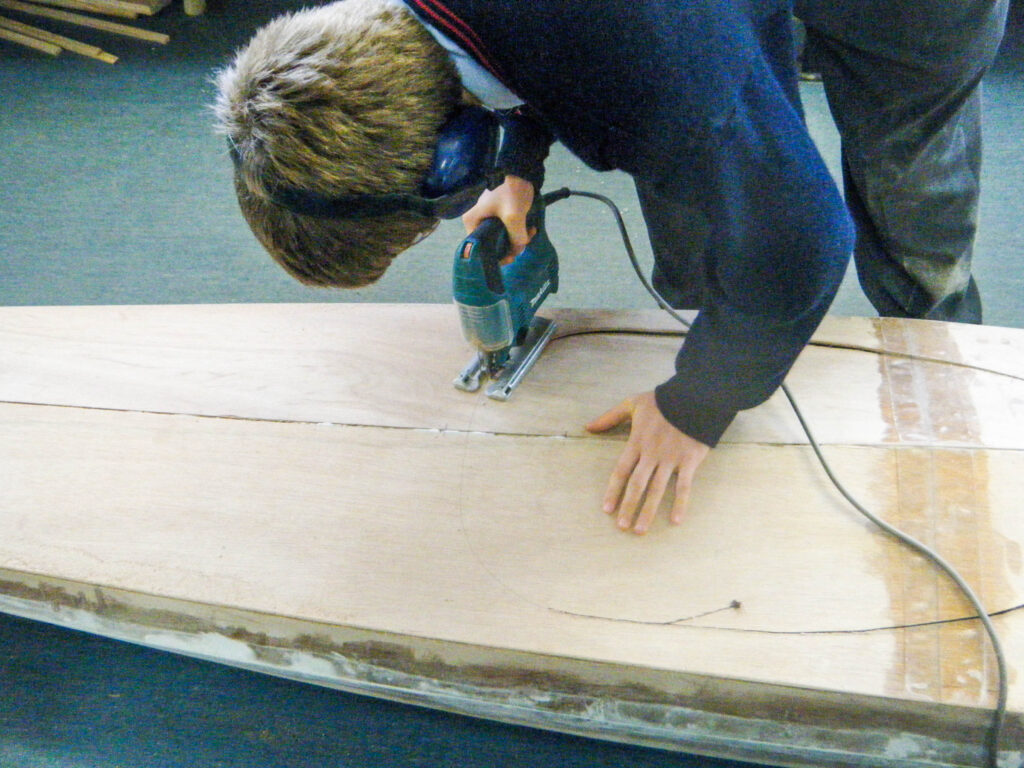
The wooden sea kayak I built is 5.2 metres long and is made from 4 mm-thick marine plywood. The design is constructed of four pairs of wooden panels, so eight panels in total, using the stitch-and-glue construction method (wire ‘stitches’ together the plywood panels and the joints are glued). My final choice of materials included Meranti ply, epoxy, fibreglass tape, brushes and gloves, etc.
I downloaded the plans for free from Guillemot Kayaks at http://guillemot-kayaks.com, and the website also provided quite a bit of help for a first-timer, which was useful.
It was very generous of the kayak’s designer, Nick Schade, to make the plans available for free, as I didn’t really want to spend any more money on top of everything else I had to pay for. This project was for the NCEA Level 2 design technology course in Year 12 at Hutt International Boys’ School when I was 16. Through building this kayak, I won the Parapine ITM technology award for the student with the best practical ability, which was a bonus.
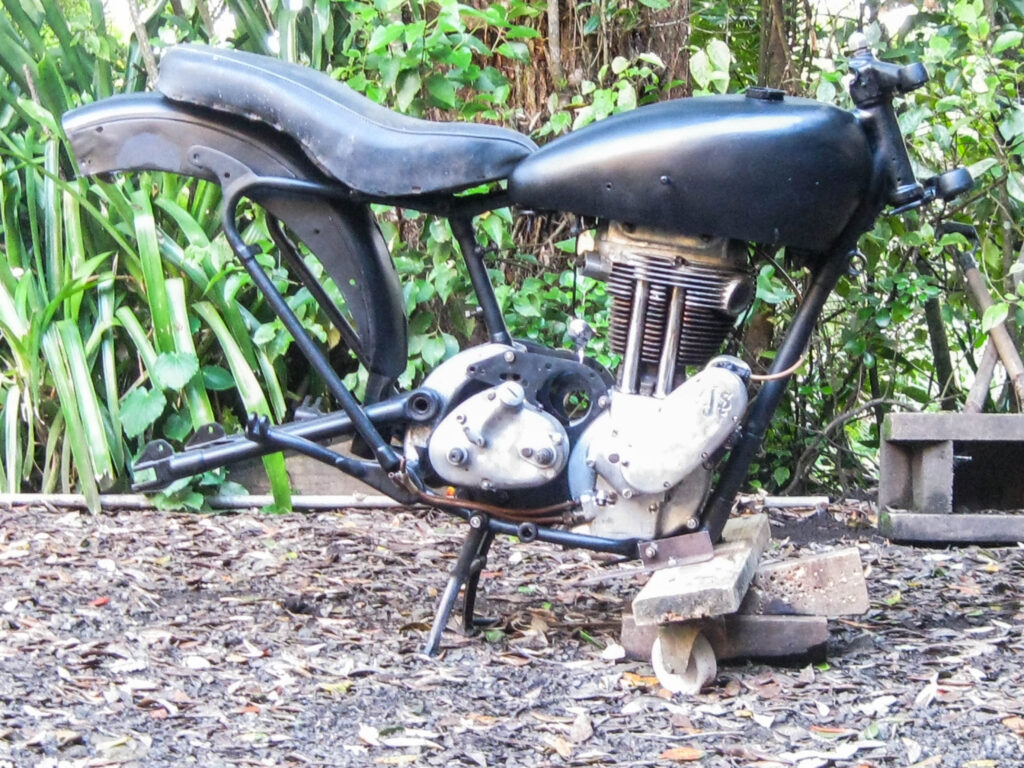
Restoring a 1952 AJS Part 6
Electricals (breadboard testing), suspension, controls, petrol and oil.
The restoration road will never run smoothly. Peter has some issues with the electrics that have come out of the blue, and the nickel-plating that’s already been completed is not behaving either. It’s not all bad news from his shed, though; there are a few wins as well. Still, he is eager to get that engine running as soon as possible
For some, not many, nuts, studs and bolts, I have been forced to go to metric stainless steel replacements: blame stripped threads.
Where I have, thankfully, managed to keep original cycle-threaded nuts and bolts (26 threads per inch, irrespective of the imperial diameter), I have plated them with nickel, and more will get the same treatment.
A nickel finish looks more like stainless steel than a chromium plate. With the dents and rust I have to try and correct, chromium plating is simply a step, and many dollars, too far.
I will describe how the electrics are going, ‘breadboarding’ a mixture of old bits and new technology; some substitutions were called for here.
Reusing old tyres – garden and other projects using worn-out tyres
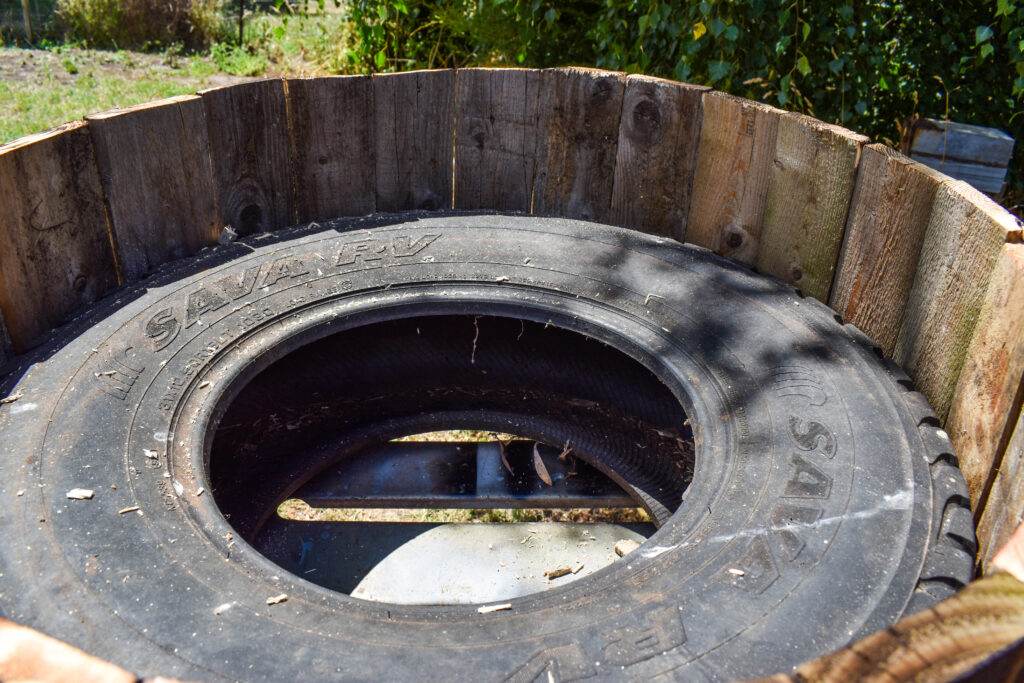
Finding innovative ways to repurpose materials that pose significant environmental challenges is both fulfilling and impactful. Coen shares several of his favourite projects that transform old tyres into functional, useful creations.
Even after their roadholding properties have gone, however, tyres can still be used in a variety of novel ways. Some are shredded and their constituents recycled. Alternatively, they can be used as artificial reefs or incorporated into banks and berms around houses and other structures. It’s highly likely that they could also be used by local governments in numbers to alter sea currents and rips, thereby reducing coastal erosion and possibly the dangers faced by swimmers at popular beaches as well. Or, to shore up eroding riverbanks, to name but a few.
Rod Benjes: Racecar Builder
A highly successful career in building and racing drag cars began with reading hot rod magazines in the 1960s. This passion for speed and cars has led this self-taught sheddie to become one of our most accomplished and sought-after racecar builders.
Ask around the drag racing community for help with your racecar, and chances are, you’ll be referred to Rod Benjes.
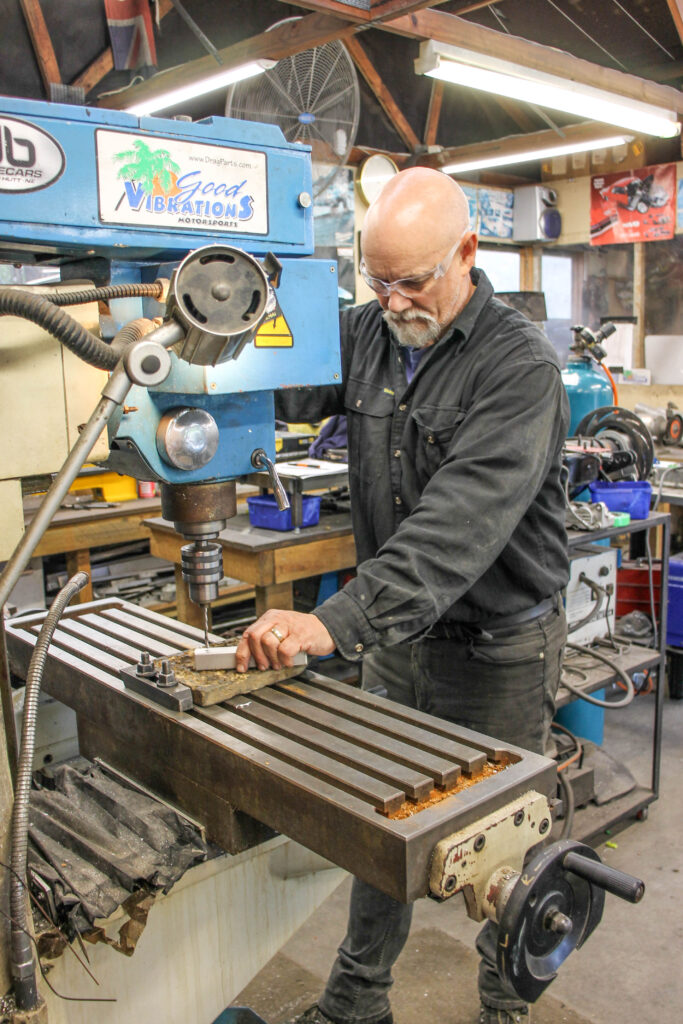
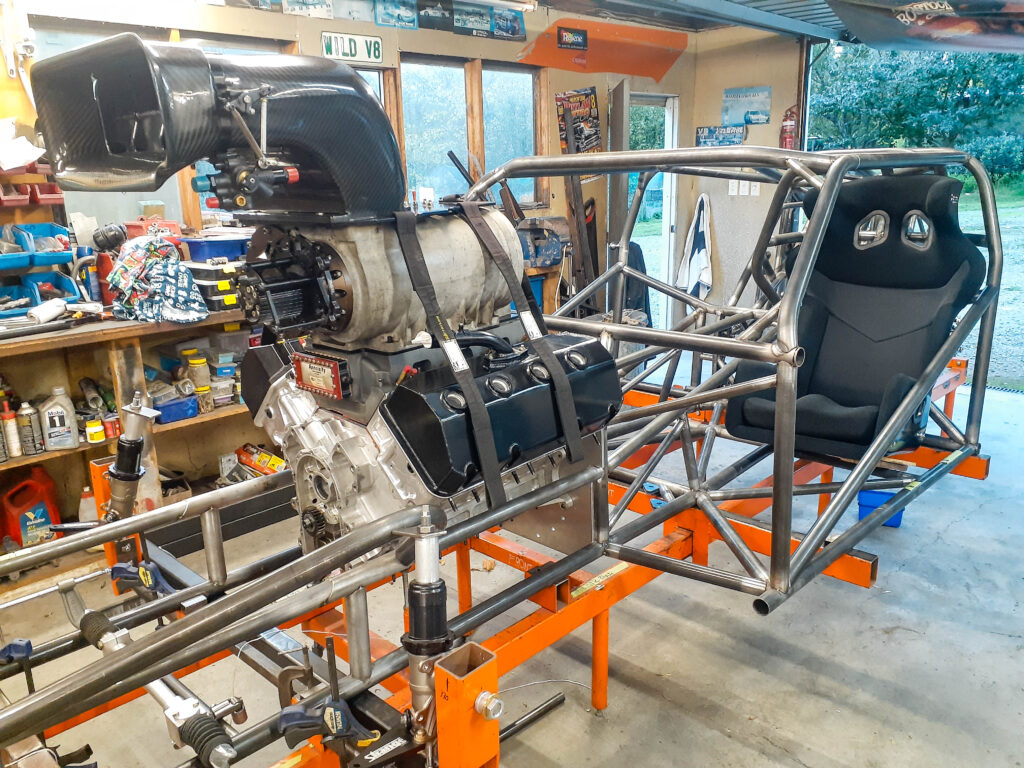
The inside of Rod’s purpose-built hot rodding shed is lined with drag racing posters fading from just a few weeks ago to way, way back. This is a guy who loves building and racing drag cars. When he’s not doing it for himself, he’s helping other people do it. If you’re lucky, he’ll be working on his 1967 Mustang, which pumps out around 3500 horsepower and is currently New Zealand’s quickest Top Doorslammer.
I first met Rod when I needed help with a motorcycle-engined junior dragster bought second-hand for my granddaughter to drive. Our driver loved the car’s performance and driveability, but details such as the chain tensioner looked a bit dodgy. Almost everyone we talked to suggested Rod Benjes. We were delighted with his simple, economic solutions and with his ability to make us feel as if we were the most important people in the world.

Arduino 102 I2C and more
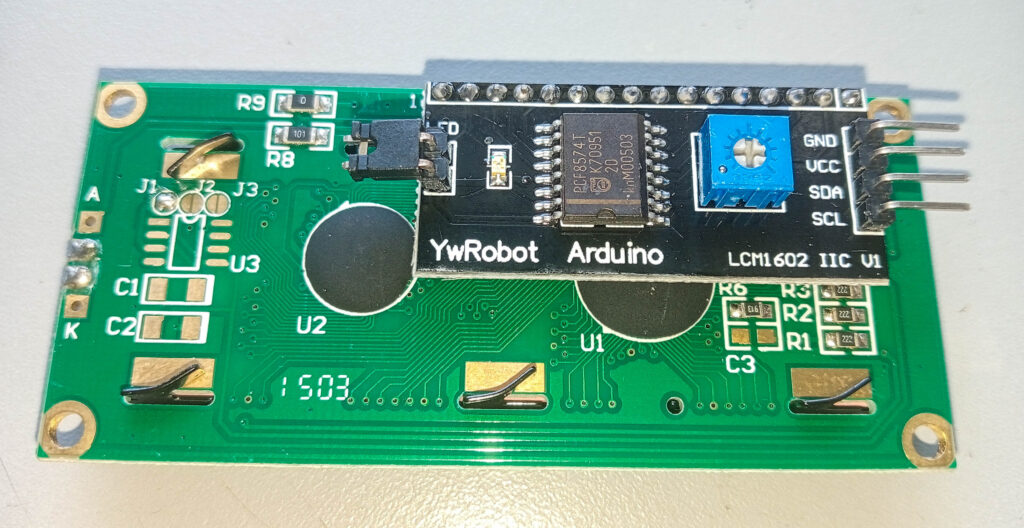
Our Arduino expert outlines the advantages and disadvantages of various methods for sharing data. Morse code paved the way in the past, and the underlying principles remain relevant today when selecting different communication methods for programming your Arduino.
In the last few issues we’ve covered a range of subjects with Libraries in the last issue. During these articles, we’ve attached sensors or devices and either sent or received data using appropriate protocols and communication methods.
Sharing data has been around since the age of electricity. Morse code was sent using a wire, and while the original sequence worked, it was enhanced in 1851 and became the International Morse Code.
This version standardised the characters but also introduced a ‘protocol’ for the spacing of characters and words. It is interesting to note that speed wasn’t part of the protocol, and therefore, faster data transfer was possible between two operators.
Off the grid – why restore old tools?
Murray’s mantra is always repair and restore rather than replace, so he gets stuck into choosing which tools will get the Grimwood-Restored plaque.
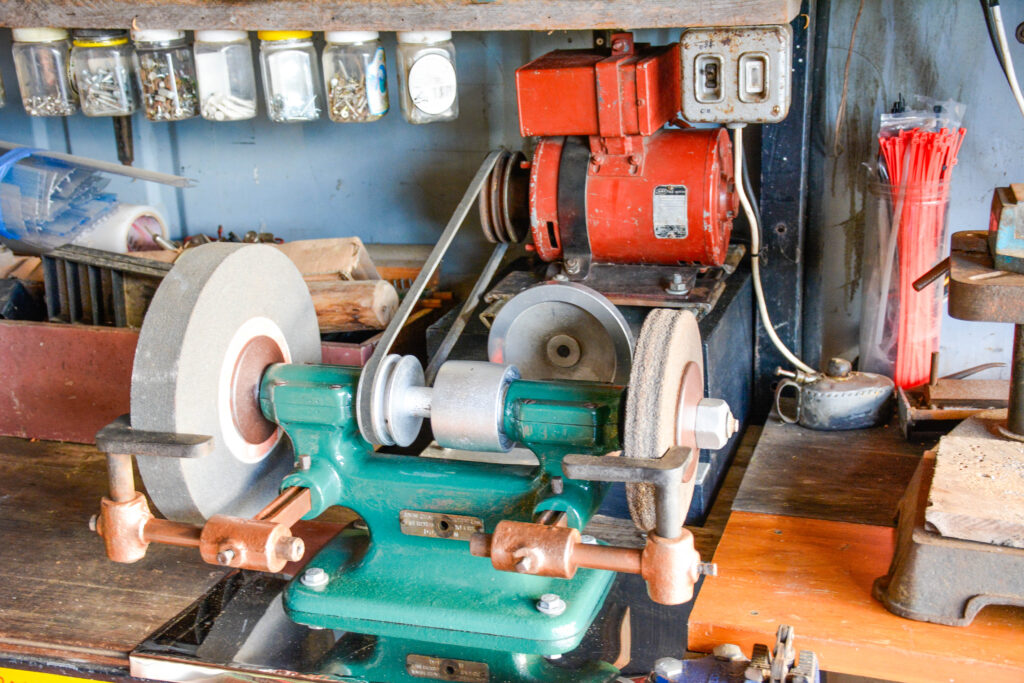
There are three reasons to restore old tools. The first two are the pleasure of the rebuild process and the resultant eye-candy. The third is that they will likely serve a future need. That last reason is not as widely grasped as the first two, but having restored a few lately, my mind is somewhat full of such matters, and I feel a need to unload. As well, I have a very Kiwi (and satisfying personally) effort to report on.
A coffee and a book
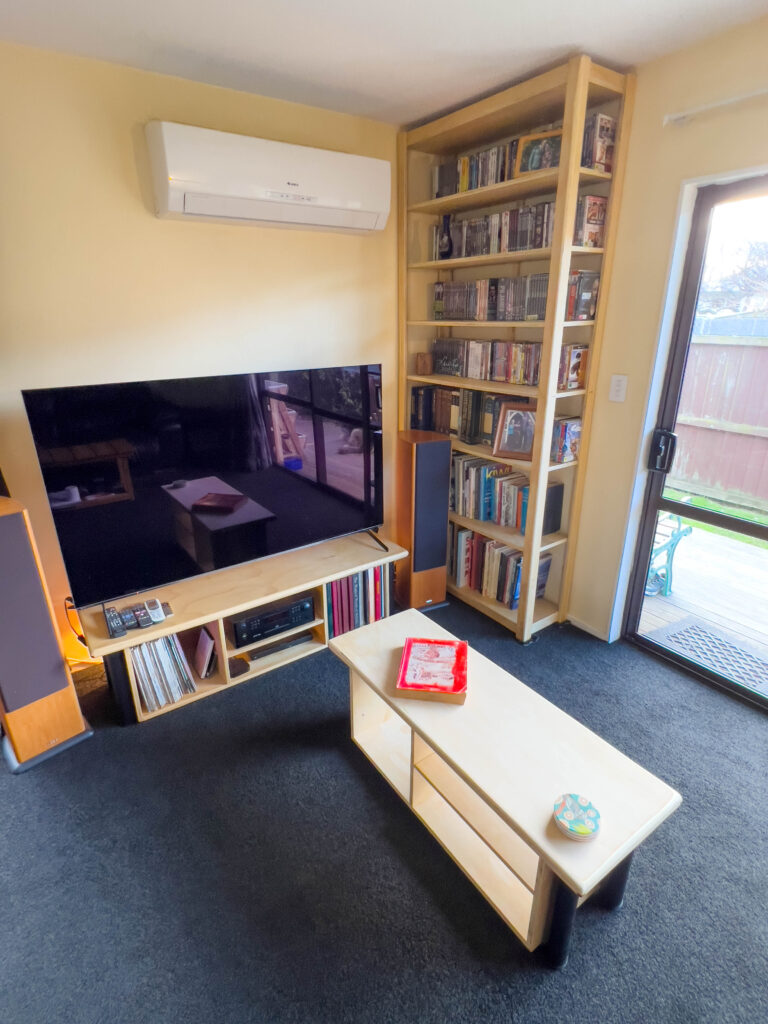
After finishing his recent TV cabinet project, Nigel decided to continue adding to his living room furniture. This time, he plans to build a coffee table and a bookshelf. The added benefit was that he could reuse some parts from the cabinet plans and utilise leftover timber.
The TV cabinet I built, as I detailed in The Shed issue 121, works well and has received some very positive comments.
I’m pleased with the proportions and the finish, and I managed to get my measurements correct. I notice my mistake every now and then – it won’t happen with this coffee table project or either of the bookcase builds – presumably, they’ll have their own mistakes.
The coffee table is literally a cut-down version of the TV cabinet – the middle section and end sections are the same. The only significant difference is that there isn’t a back to it – the leading edge goes right around, which means there are four Kwila highlights in the corners rather than the two that are in the TV cabinet.
The Shed cryptic crossword
The Shed Crossword No 1
Now that you have mastered your workshop skills, it’s time to test your word skills with our cryptic crossword
(Quotes are from the song, ‘There ain’t half been some clever bastards’ by Ian Dury and Russell Hardy)

The birth of a museum
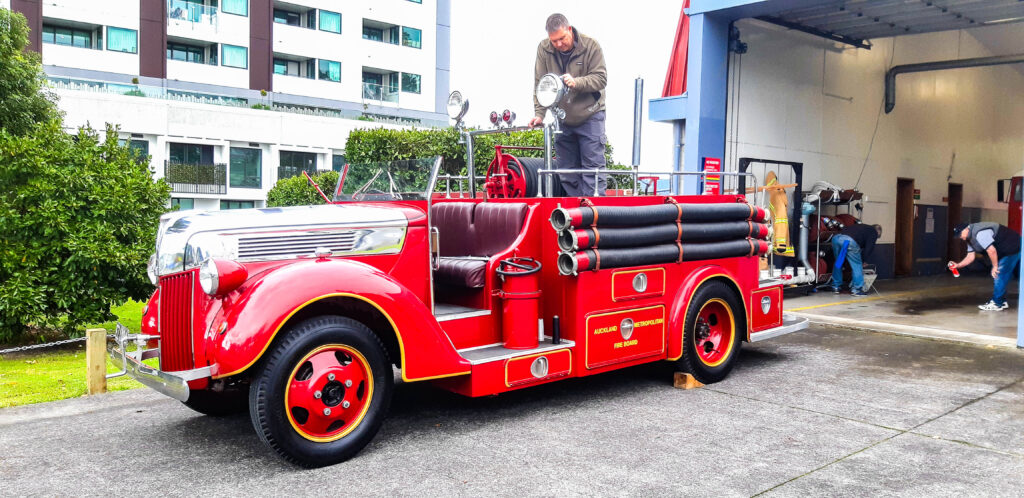
The Auckland fire service has changed dramatically over the years in so many ways. With its rich and long history, the time is right for a museum to commemorate these heroic Kiwis and their tools of the trade.
Colin Prince is the right man in the right place. He spent his years in the Auckland Fire Brigade not fighting fires but supporting the crews with the kit to do their jobs. Now he’s part of a team of mostly retired firefighters collecting and curating a very large collection of mostly Auckland-originated firefighting equipment and memorabilia for the Auckland Fire Brigade’s Museum and Historical Society.
What he doesn’t know about firefighting and rescue equipment isn’t worth knowing. In a packed 40-foot container on the grounds of the Albany Fire Station and salted away in various storerooms and fire stations, the group has more than enough to deck out a museum with rotating exhibits.
They currently rely on the grace and favour of NZ Fire & Rescue to accommodate the collection, but to put it before the public, they need their own building.
The Shed Shrink – the joy of collecting
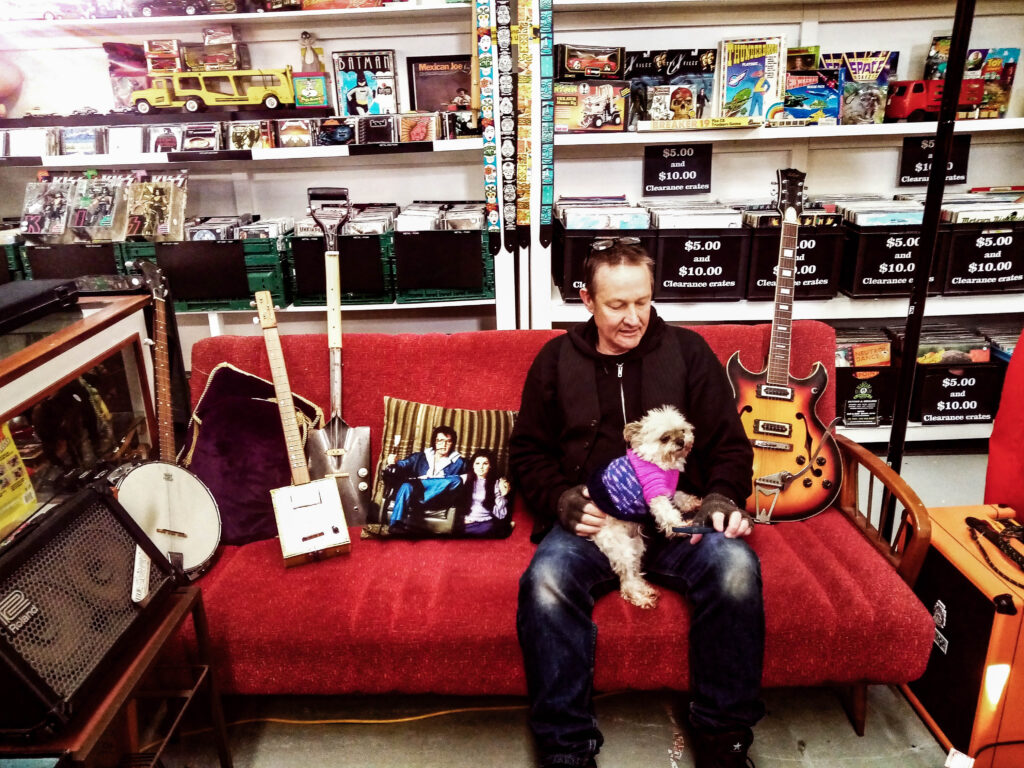
Our Shed Shrink mingles with a group of seasoned collectors, all excited and mesmerised by the eclectic items they find in a new local store.
Many of us Sheddies can confess (unashamedly, of course) that we are collectors of things that most people don’t see any value in or items they are unable to fix and repair, and that’s where we come in.
On weekends, we can be found at recycle stores, thrift shops, auction houses, swap meets, and locations only known to my wife and me. But is this all about to change? Is there a new breed of collectors waiting to pounce on our little slice of paradise? There is, and I can prove it.
Recently, I popped my head around the door of The Flipside in Sydenham, Christchurch, and I was reliably informed that this little piece of the city has recently attracted some small boutique businesses; cafes, breweries, gastro pubs, vintage fashion stores and the like.
Blacksmith – a Knight and his shining armour – Part 2
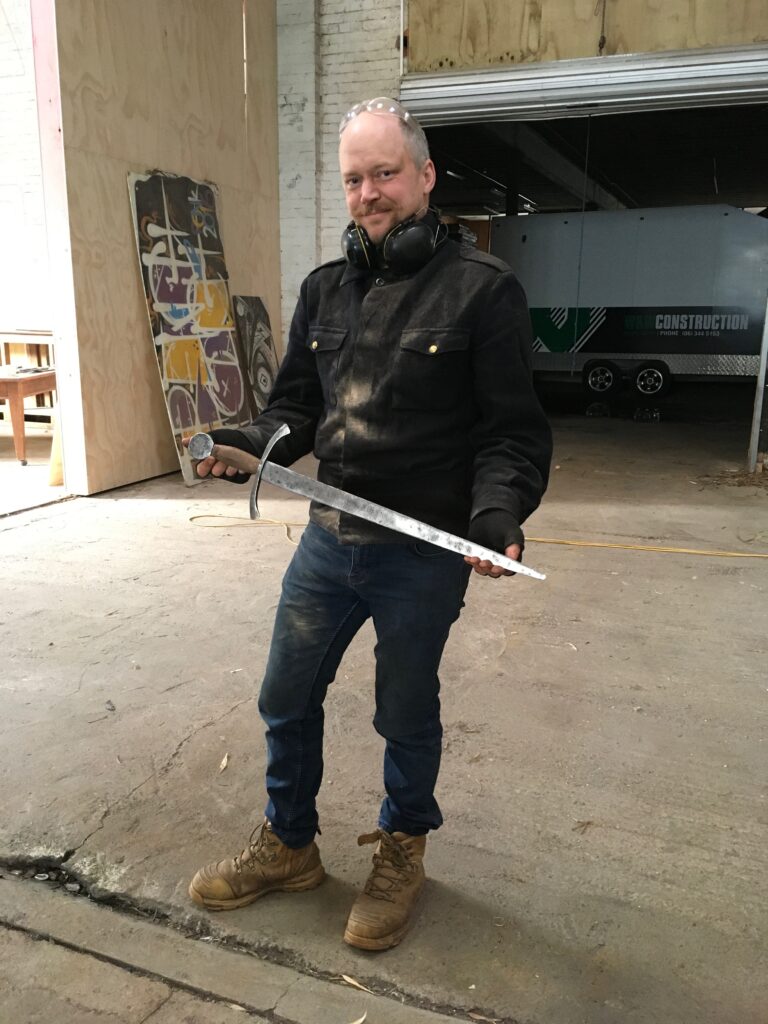
Leon shares numerous insights into his methods for making armour and demonstrates all the tools he consistently uses in his work. You could say it serves as a beginner’s guide on how to create your own armour.
Armourer Leon Deverick featured in the previous issue 122 of The Shed in Part 1 of this two-part article on his work making armour for medieval re-enactors and Buhurt medieval sport fighters.
In this Part 2, we focus on Leon’s use of tools, many of which he makes himself, and take a look as he works on a drift, an awl and a cuisse, heating, hammering and quenching, covered in Part 1.
Leon works in a small smithy that occupies a corner of a cavernous former woolshed he rents in Whanganui. His tools and workbenches are close at hand, which allows for efficient use of time and space.
Better than Weta
Paddy McIvor’s shed is no ordinary shed.
It is overflowing with memorabilia, toys, games, and puppets – just a few of the attractions at Shannon’s Toy Circus. These unique collections offer visitors a chance to revisit their favourite toys, games, and media that brought joy, laughter, or even fear.
It’s ironic that the owner of this shed has the surname of McIvor, given he has some similarities to the ‘80s TV star who regularly escaped impending doom using a paperclip, string, chewing gum and the like.
A TV star, Paddy McIvor isn’t, but an ingenious MacGyver he arguably is, with a touch of Willy Wonka as well.
Don’t visit this shed if you’re scared of clowns. It’s not the owner, but his collections that might raise your blood pressure. Kids and adults love it, though and have been visiting Paddy and his shed for nearly a decade.

Back O The Shed: Fools, rushing, and all that jazz
Jude discovers that sometimes the answer to a misbehaving tool dilemma is not as complicated as it may first appear to all and sundry.
As I write, I can sense Spring is just around the corner. I’m looking forward to it. My pile of firewood is diminishing alarmingly, and I’m getting very tired of the winter clothing.
In my insulated, light and bright shed, however, things are coming together. I have fitted the shed out with a French Cleat running around the parts of the shed that are accessible and where it makes sense to have one.
I have moved my old tool cabinet in (see The Shed Oct/Nov 2006). I have subsequently built a utility bench, a power tool garage and begun populating a new toolbox I bought so I can sort things more rationally. Suddenly, I have space.