
On the move

Moving machinery and heavy items around the workshop is a common job for most sheddies, especially those with an addiction to Victorian-era cast iron. While using a bar or pipe for rollers works, as shown by the builders of the Egyptian pyramids, they won’t work if you have feet or obstructions, and are difficult if you are working by yourself. Load skates are small, heavy-duty roller skates that fit under the load and you will generally need a set of four. This load skate is made from 100x50mm steel channel with rollers made from 40mm pipe with ball bearings. The bearings are cheap 6004RS model bearings which are a snug fit into 40mm pipe, and cost $2-3 each from online suppliers. As this project was built out of materials to hand, I only had tapered flange channel so I used my horizontal milling machine with a side and face cutter to remove the taper.

Make a set of load skates
By Geoff Merryweather
Photographs: Geoff Merryweather

Moving machinery and heavy items around the workshop is a common job for most sheddies, especially those with an addiction to Victorian-era cast iron.
While using a bar or pipe for rollers works, as shown by the builders of the Egyptian pyramids, they won’t work if you have feet or obstructions, and are difficult if you are working by yourself. 
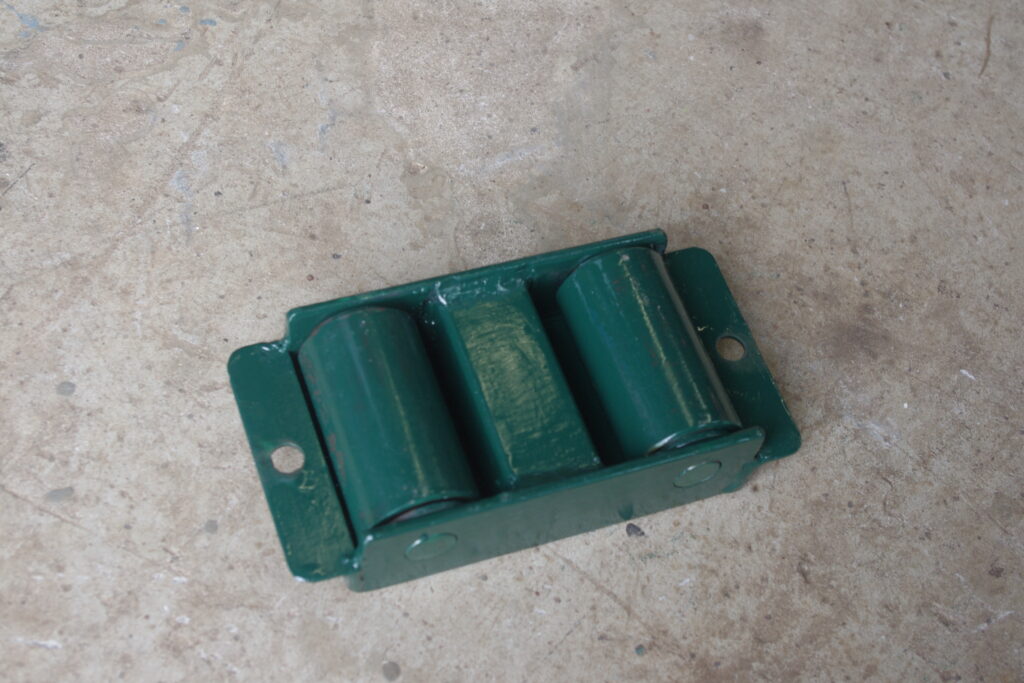
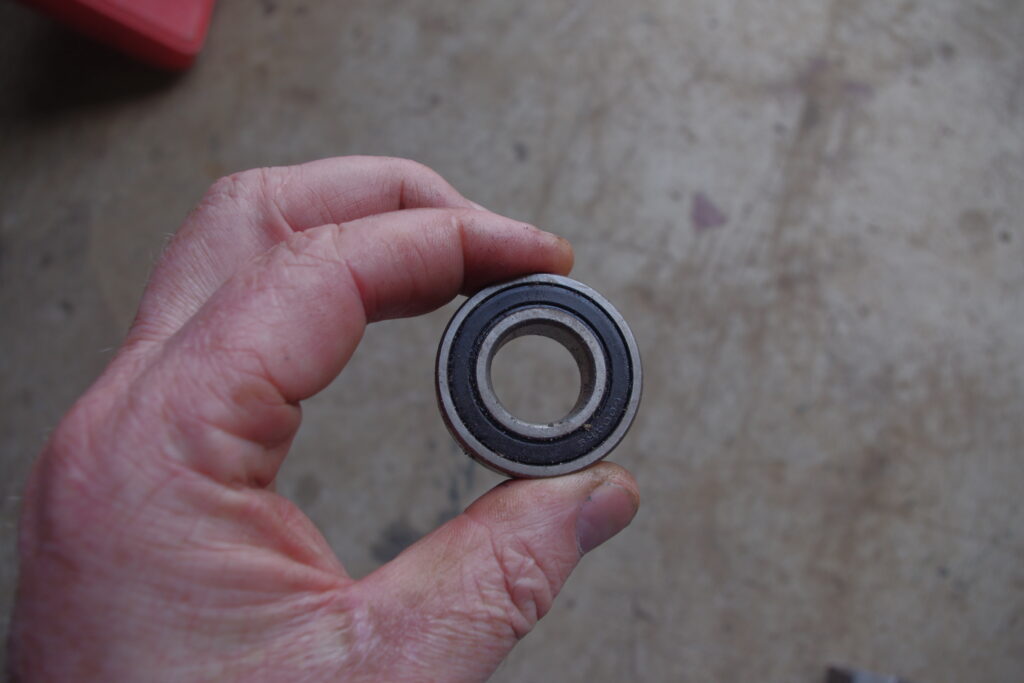
Load skates are small, heavy-duty roller skates that fit under the load, and you will generally need a set of four. This load skate is made from 100x50mm steel channel with rollers made from 40mm pipe with ball bearings. The bearings are cheap 6004RS model bearings which are a snug fit into 40mm pipe, and cost $2-3 each from online suppliers.
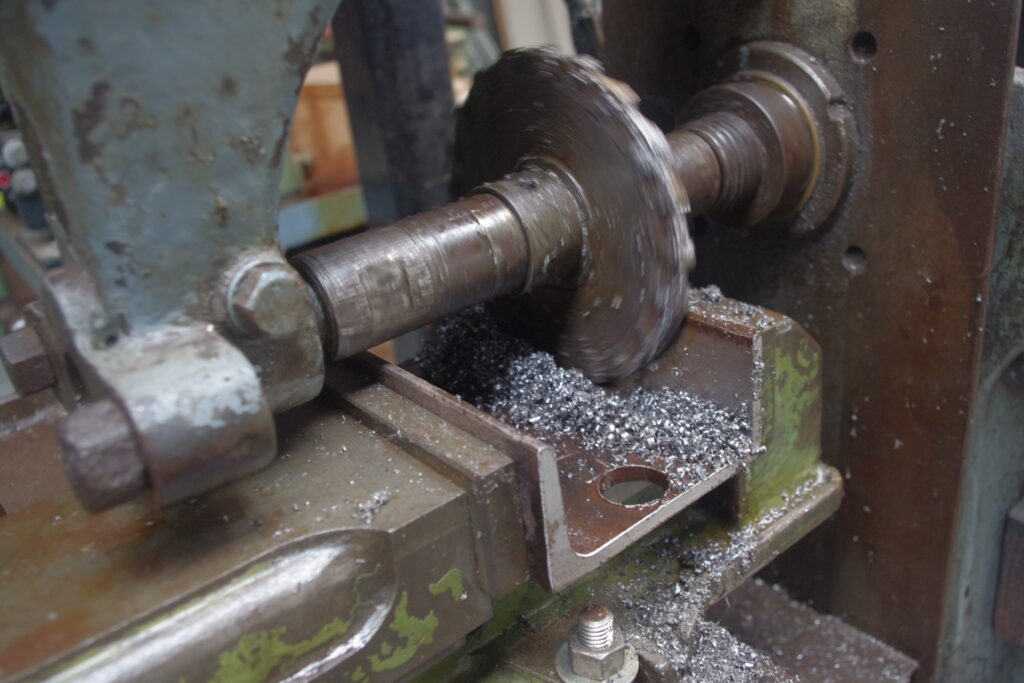
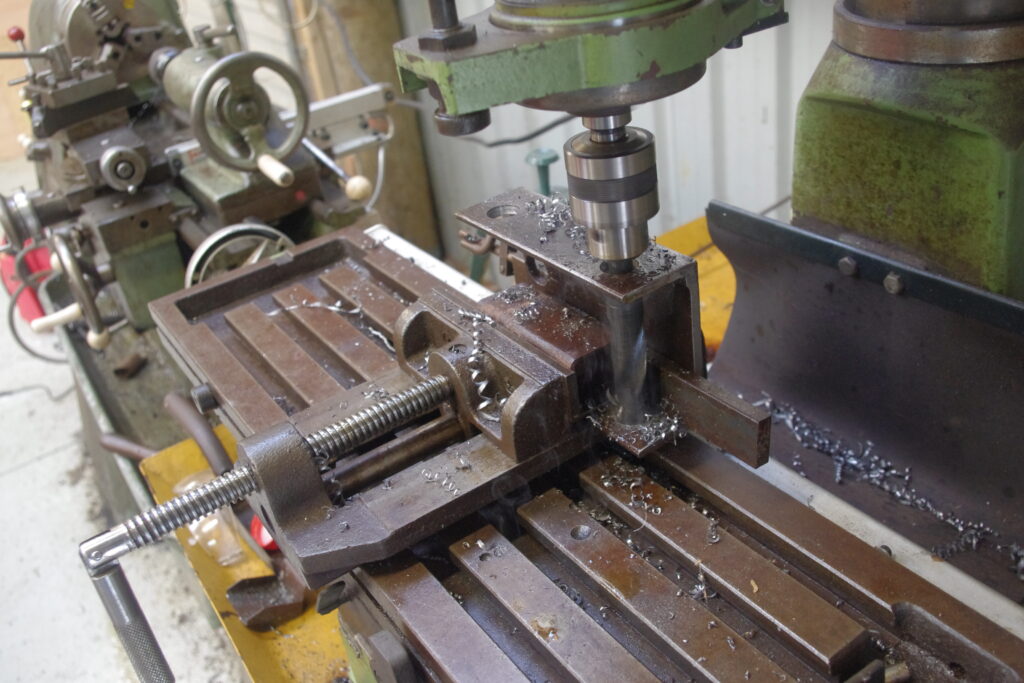
As this project was built out of materials to hand, I only had tapered flange channel so I used my horizontal milling machine with a side and face cutter to remove the taper. 
If you use parallel flange channel (PFC) then you should not need to do this. An alternative is to make some spacers with one side cut to match the taper.

Milling the sides of the channel

Mark up and drill 20mm holes for the axles. If you have enough travel in the drill press quill, then drill the final size hole all the way through from one side to make sure that the holes are in line.
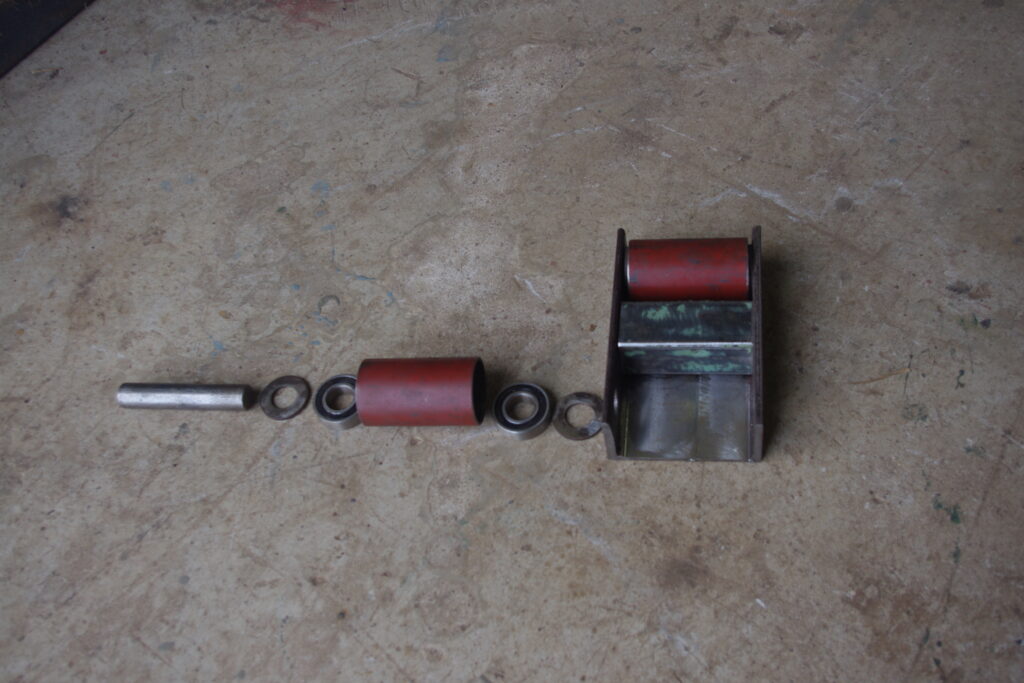
The axle and wheel assembly is made from 20mm shafting, 40mm pipe, 20mm washers as spacers, with 6004RS bearings. Depending on the wall thickness, the bearings will be a snug fit in the pipe if the weld seam is removed.
I bored the ends on the lathe to 12mm deep, but if you don’t have a lathe because you need some load skates to move it, then use an air grinder or file to remove the weld seam inside. Press in the bearings and use some locking compound to retain them. 

Drilling the axle holes
Axle assembly
Depending on the wall thickness, the bearings will be a snug fit in the pipe

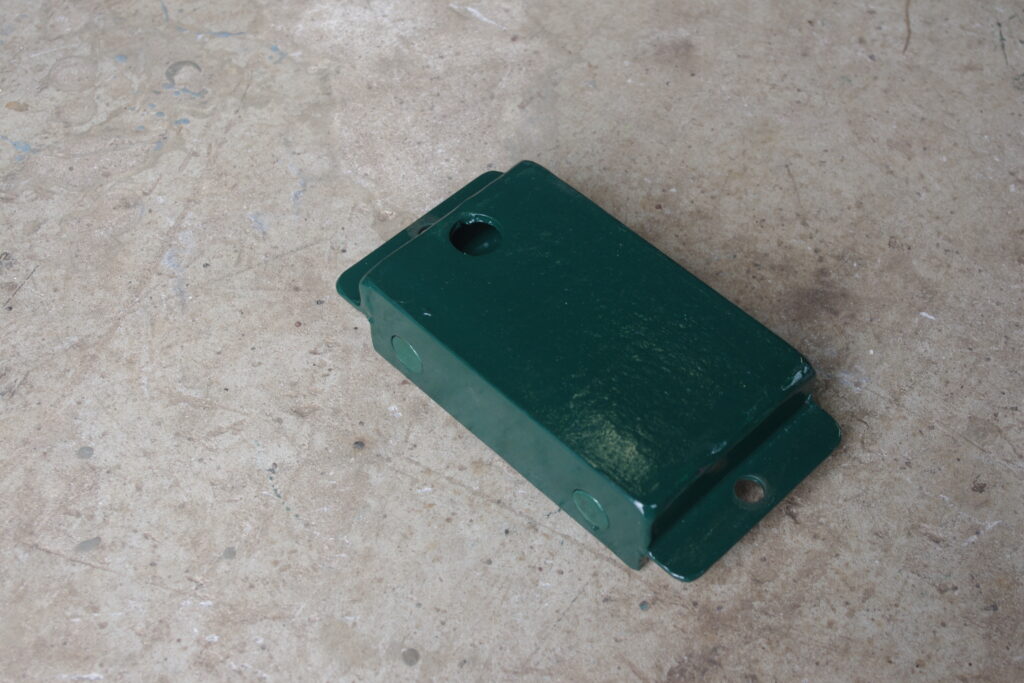
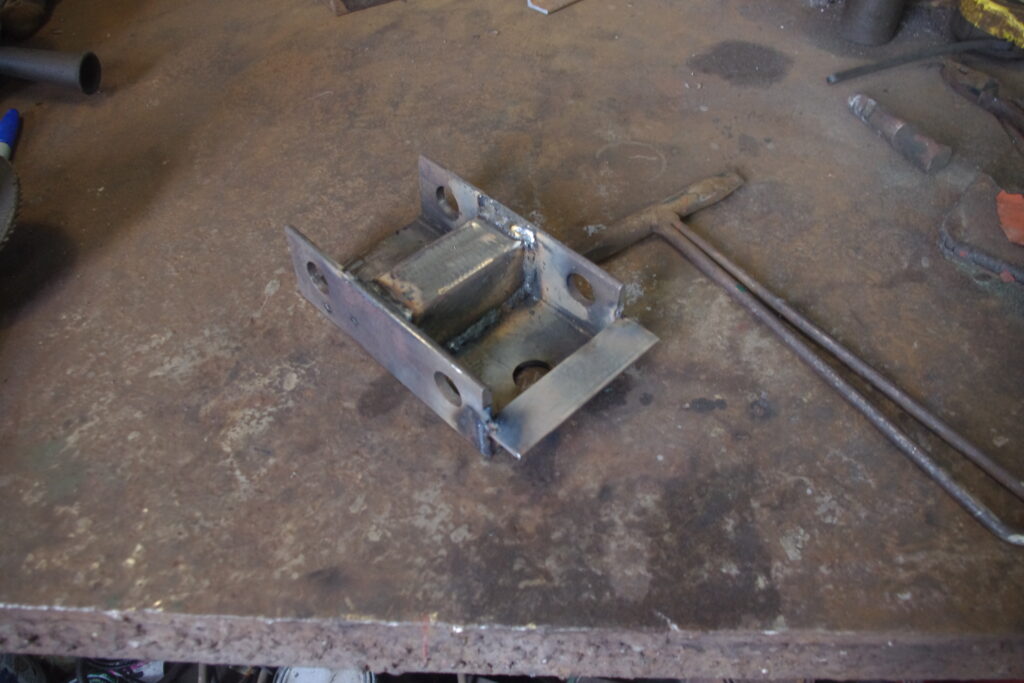
Weld in a 40x40mm box section piece and 25x25mm angle on the ends as reinforcing. Drill a hole in the end angles to allow for a rope or handle to be used to position the skate under the load without putting your hands underneath. 
Stake the axle ends with a centre punch or a tack of weld. If your channel is wider than mine, you can drill and tap for a set screw.

Welded frame

Share:

More Posts

Building a 50cc mini-kart

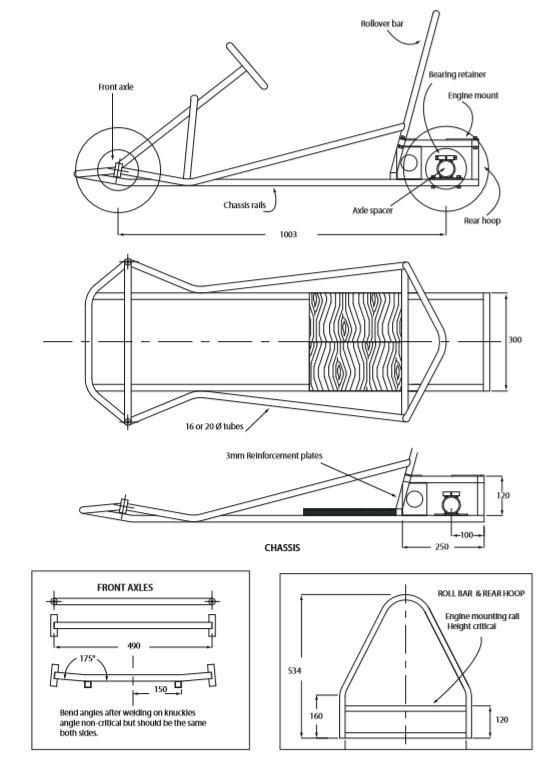
The design is not intended to be a high-performance, go-anywhere vehicle. It is a school project and therefore there are a few compromises in the design. It is economical to construct, achievable and straightforward for average Year 12 students. I might add, with some guidance.
It is also intended that most, if not all, of the Tools4work Level 2 mechanical engineering standards can be assessed against this project. Some of the techniques described may seem unnecessary, such as using a surface plate and scribing block for marking out, the design of the bearing retainers, or the generous use of a Bramley tube bender.

Ramping it Up: Make a pair of ramps for home car maintenance

This story comes about because of a mishap with my trusty car ramps which I had for more than 20 years. They were a clever pressed-steel design, a product of Spedding Ltd, one of the country’s original importers and wholesalers who took on manufacturing as a response to the import restrictions and import licensing laws of the time.