Vertigo CNC turns dreams into reality

Vertigo CNC routers are proudly New Zealand–designed-and-developed, and they’re locally manufactured too, in Christchurch. The mid-size desktop Vertigo MX2-N, which has a working area of 1200 x 600 x 120mm, delivers accuracy, utilizing lead screws and stepper motor control, at an affordable price.
It offers flexibility in part size and material choice, working with plywood, wood, plastics, aluminium, and other non-ferrous metals, and there’s a Facebook community of more than 600 users for this desktop router. The Vertigo MX2-N CNC has an RRP of $6995, incl. GST. or $47.00 per week on finance. For more information, visit vertigocnc.com, or see Vertigo’s YouTube channel, or visit Facebook.com/vertigocnc.
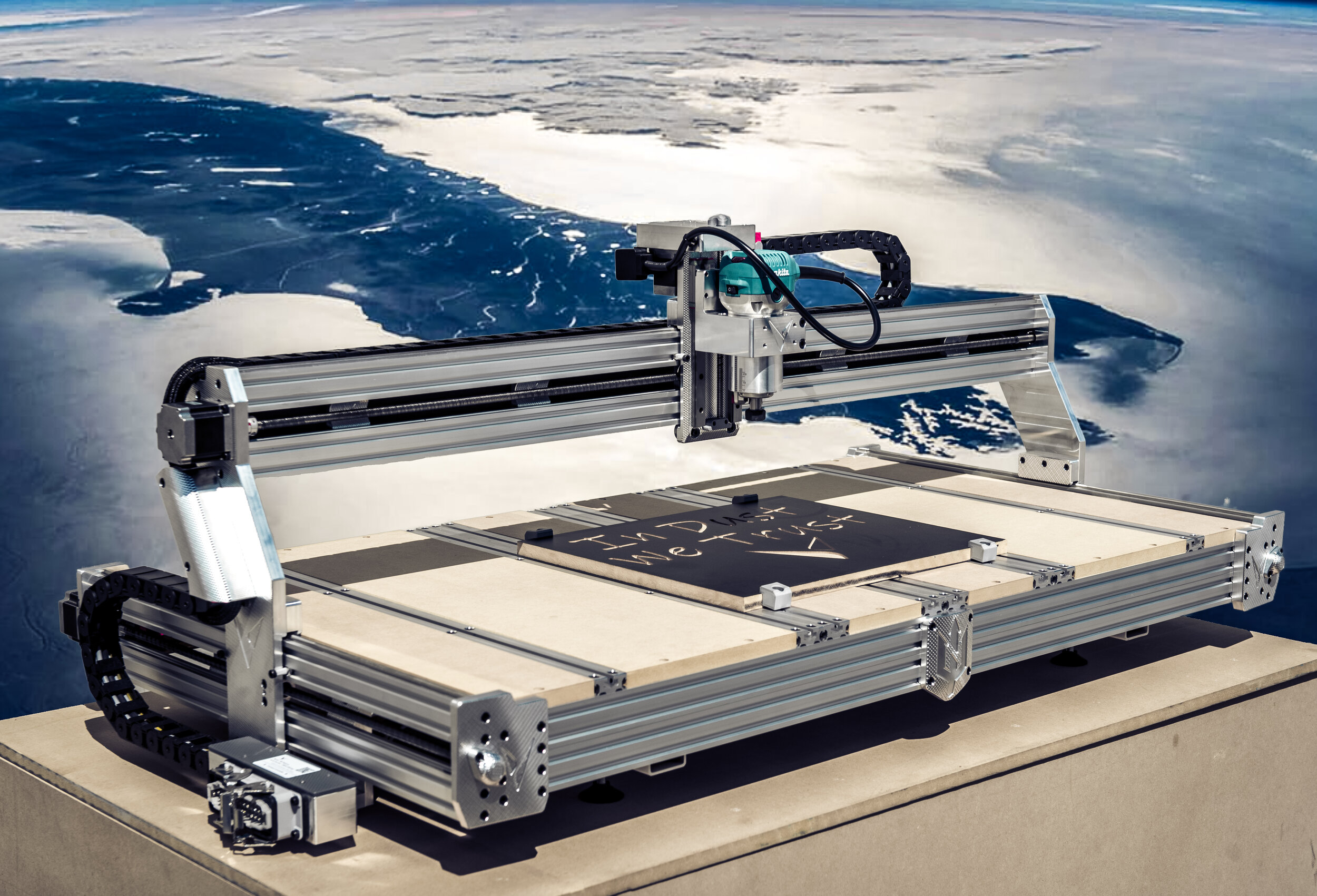
Vertigo CNC routers are proudly New Zealand–designed-and-developed, and they’re locally manufactured too, in Christchurch. The mid-size desktop Vertigo MX2-N, which has a working area of 1200 x 600 x 120mm, delivers accuracy, utilizing lead screws and stepper motor control, at an affordable price.
It offers flexibility in part size and material choice, working with plywood, wood, plastics, aluminium, and other non-ferrous metals, and there’s a Facebook community of more than 600 users for this desktop router. The Vertigo MX2-N CNC has an RRP of $6995, incl. GST. or $47.00 per week on finance. For more information, visit vertigocnc.com, or see Vertigo’s YouTube channel, or visit Facebook.com/vertigocnc.


MX2_wtable_last-4.jpg

Share:

More Posts

On the move

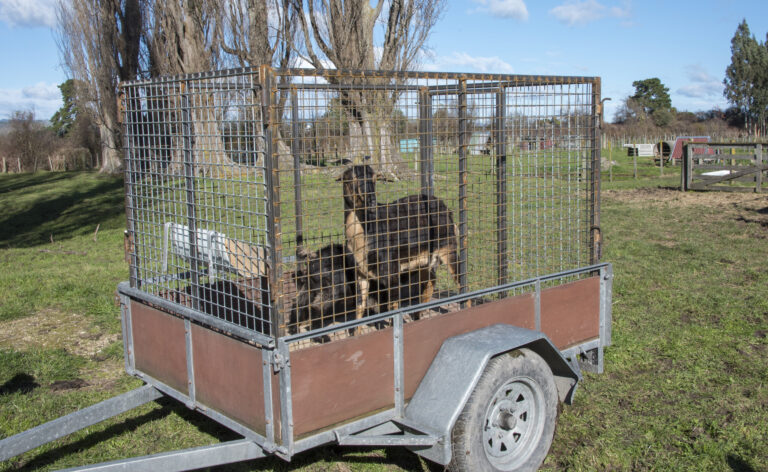
Farm life, even on a pocket-handkerchief farm like mine, means that you will need to move stock from time to time. I run a few cattle beasts and a few goats. I plan to get a few sheep soon, too. The issue with stock is moving them. Moving the cattle is a different story but for the smaller stock I could carry them either on the tray of my ute or my trailer if either had a stock cage.
I decided that building a cage could be an easily achievable project and so it has proved. It has value even if you don’t have stock – it certainly increases the options for your trailer. It is a lot easier collecting firewood with a cage, even transporting rubbish, or green waste. In the case of the latter you might want to make the end hinged rather than incorporate a gate to make it easier to unload the waste.

My shed the barn

Capacity is always the issue. My two sheds at home were each at their limit. I had woodwork in one and a one-off car suffering fabrication right on top of it in another.
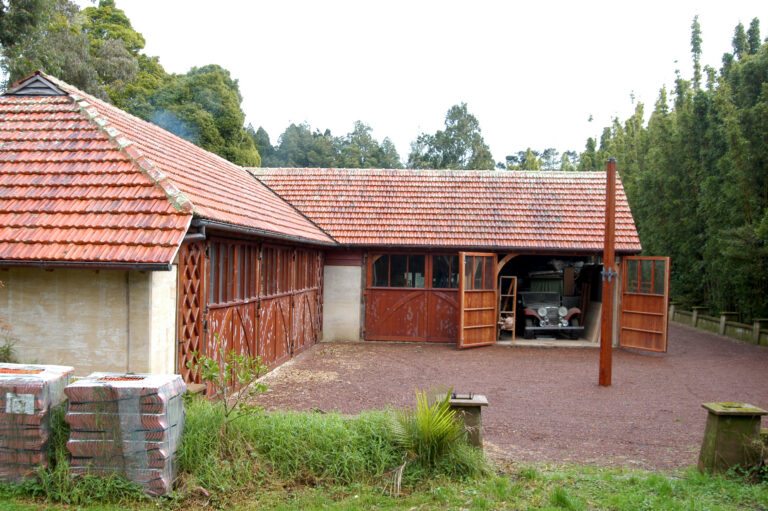
When it came time to plan a new house on the new section, I thought of a barn-sized shed. In this barn, I would build all the joinery for the house. But first I had to build the barn.
I had a design that had been kicked around for ages and required a giant leap forward in capacity. This barn as my workshop would have good height, tall openings, a range of areas for different tasks and that all-important swing room around the main machine, a multi-function dimension saw.
Like other glimpses I enjoy of by-gone eras, I have always loved those English “oak barns” typically housing Aston Martins in magazines portraying classic cars. The vision I had for my barn was of posts and beams and the roof crouching over long flanks, suggesting back rooms filled with the rare and the useful.

A life in harmony

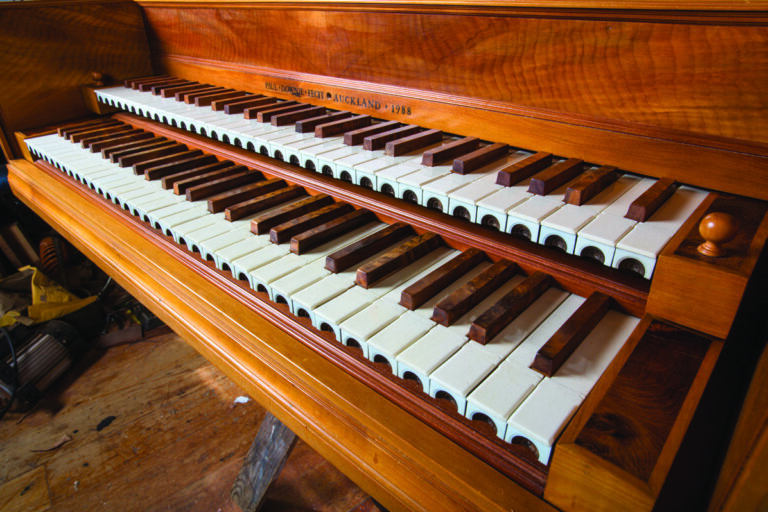
There is such a thing as serendipity. When Paul Downie was 11 years old a chance meeting at his grandmother’s house was to eventually set him on a course that would define his career.
“I was learning the piano at the time and her friend had a harpsichord that he invited me over to see. I thought it was marvellous,” he recalls. “He told me I should build one and although it sounded like a ridiculous idea, it never went away.”
When he was 22, Paul embarked on the project, researching how to build a harpsichord, scouring junk shops for old tools, sawing bits of wood, and gluing them up until he had constructed the instrument.
“I enjoyed the whole process so much that when I was 23 I decided to build another one. I discovered that overseas museums had very detailed technical drawings of old instruments which you could buy – when they are restored everything about the instrument and the mechanisms are recorded.
“I went on to build two more harpsichords. The first one did work but it wasn’t up to the same standard so I ended up pulling it apart and my sister burnt it as fire wood,” he says laughing. “The others have survived and are owned by very good musicians.”