Projects

Metal and wood shelving

No matter how much storage space you have, there is always a need for more. One solution is to make better use of existing cupboards and wardrobes. In my own house the third bedroom is used as an office, so the built-in wardrobe was an obvious target for conversion into a storage place for files and computer supplies.
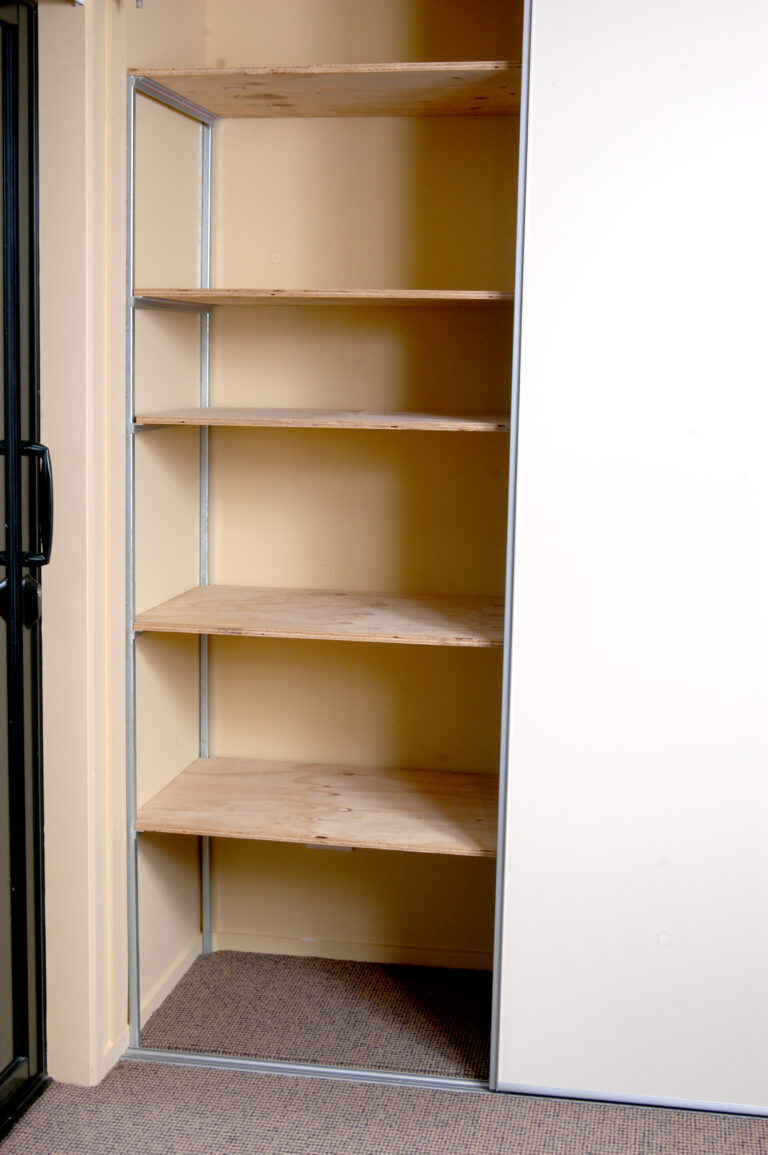
I had already tackled one shelving upgrade. We have a hallway cupboard used for many things that don’t have a place anywhere else, including toys for the grandchildren when they visit. The space was not used well. My solution was homemade shelving using frames of steel with plywood shelves.
For this cupboard, we had to allow for a basket of toys and chillibin on the floor level and picnic items and other bits and pieces on other levels. Once the shelves were installed, better use of space meant more room became available. One of Murphy’s Laws soon came into play and other items found their way into the open spaces, making good use of the variety of shelving.
READ MORE »

Forging ahead – take a knifemaking class

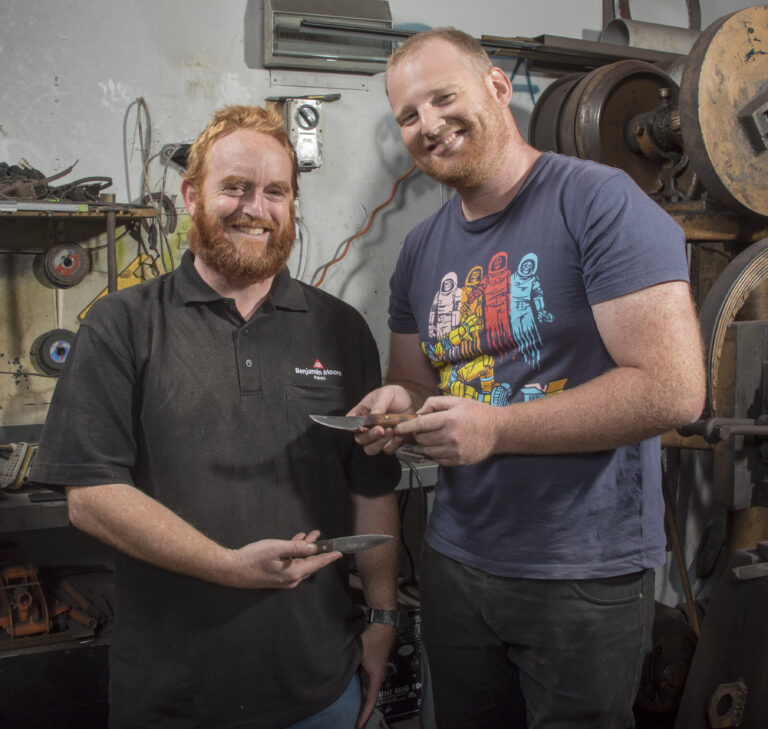
Knifemaking has undergone a resurgence in the past few years. It may be the fact that it requires only a modicum of equipment. You only really need a file and gas torch.
Of course the more elaborate the knives you make, the more gear you will need but this is one of those hobbies that can grow with you. Naturally, having a forge, some sort of anvil – even if it is only a lump of hard steel or a bit of railway line, a grinder, and a hammer will extend your options and none of these are particularly expensive. There are a number of knifemaking classes springing up all over the country to cater to this interest. Shea Stackhouse runs classes in basic knifemaking, making Damascus steel and blacksmithing

READ MORE »

Simple bins

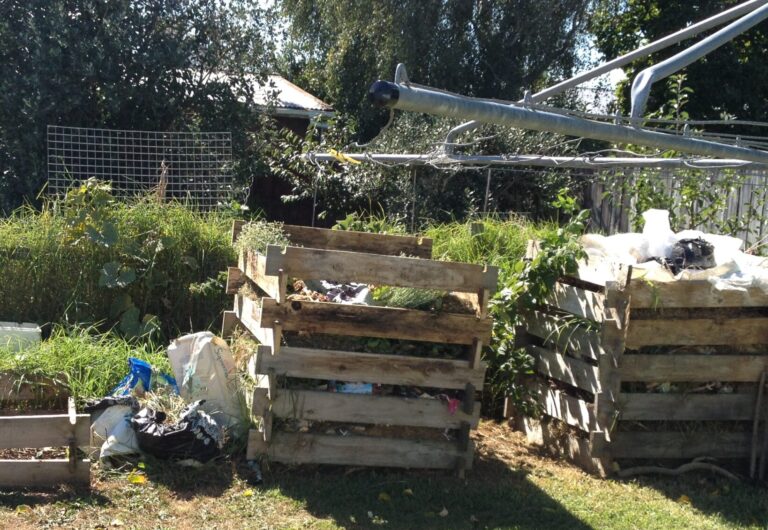
Many black plastic bins from the hardware shops don’t allow enough air through or are only big enough for postage stamp-sized sections or blocks of land.
I make my own compost bins. Now that might seem fairly easy, but how many compost systems either take a huge amount of effort, or produce something reminiscent of milking-shed sludge? These bins require very little intervention besides putting stuff in.

READ MORE »

On the move

Moving machinery and heavy items around the workshop is a common job for most sheddies, especially those with an addiction to Victorian-era cast iron.
While using a bar or pipe for rollers works, as shown by the builders of the Egyptian pyramids, they won’t work if you have feet or obstructions, and are difficult if you are working by yourself.
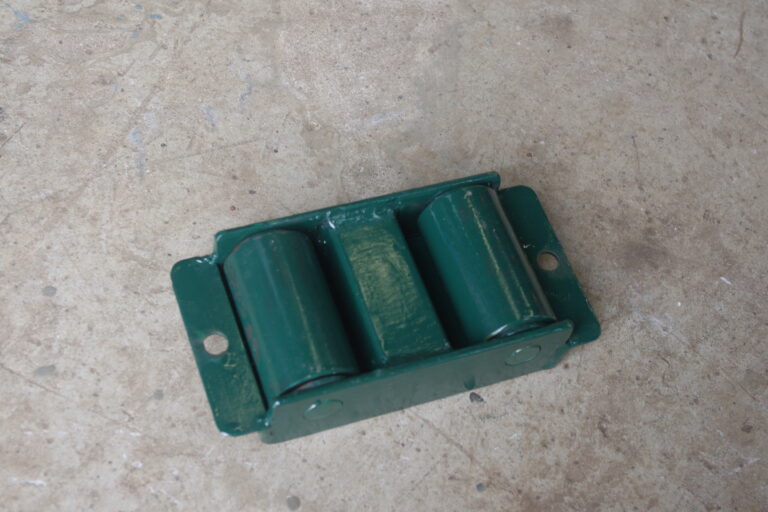
Load skates are small, heavy-duty roller skates that fit under the load and you will generally need a set of four. This load skate is made from 100x50mm steel channel with rollers made from 40mm pipe with ball bearings. The bearings are cheap 6004RS model bearings which are a snug fit into 40mm pipe, and cost $2-3 each from online suppliers.
As this project was built out of materials to hand, I only had tapered flange channel so I used my horizontal milling machine with a side and face cutter to remove the taper.

READ MORE »

Getting a grip

I’m currently making a mould for a rotational moulded boat. It’s a complex project with barely a square angle in it and dozens of folds and welds. It’s the sort of job that requires precision and the often needs more than two hands.
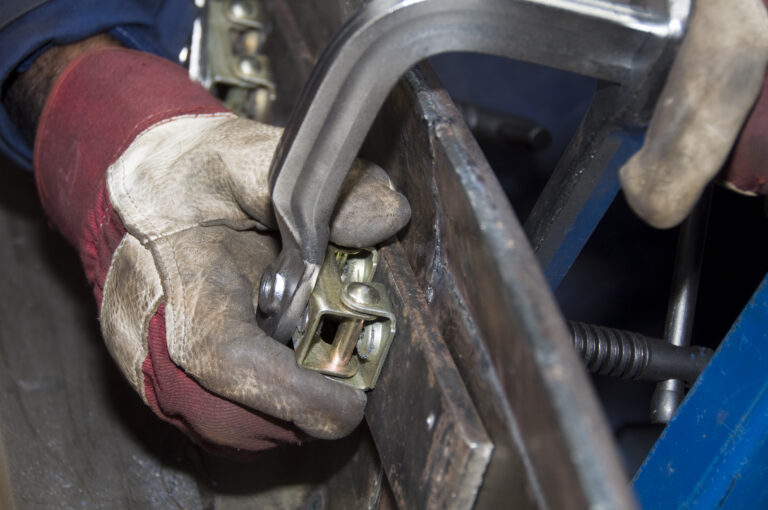
Clamps are useful but they are usually fiddly and can have a tendency to slip at the last moment especially where there aren’t any flat even surfaces to get a purchase on. So I wasn’t expecting too much when I was asked to try the Strong Hand utility clamps.
They are lighter than cast clamps so I had some doubts that they would have the clamping strength I needed for the more difficult pieces.
I was a bit dubious about the sliding action, too. It’s unusual to use sliding F-clamps in engineering but I’ve seen them used in boat-building and woodworking.

READ MORE »

Letting off steam

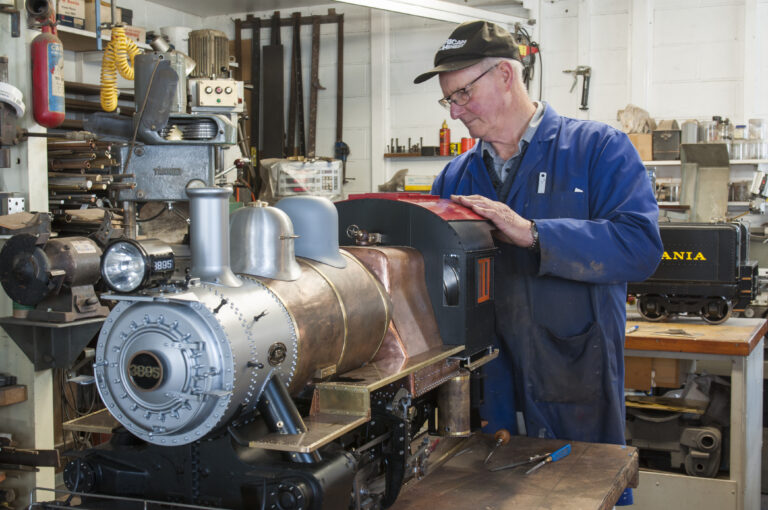
“Steam is the only way to go,” says Win Holdaway, a Blenheim-based enthusiast who builds working models from scratch in his backyard shed.
Over the years, Win has spent thousands of hours constructing immaculate scale locomotives, including an 1870s’ Baldwin Standard TE, BR standard class 9F, and a Burrell Special Scenic Showman’s road locomotive. He is currently working on an inch-and-a-half scale 1925 Pennsylvania A5S 040 switcher, complete with tender. “It’s one thing to make a model that looks authentic and another to make it work,” says Win, whose working models can all hold 90-100lb of steam.
Win reckons he spent around 5000 hours building his Burrell Scenic Showman’s road locomotive alone. It is fittingly named Lynette after his wife. While he probably spends more time in his shed than the house, she is his greatest supporter. “It’s more than a hobby. This is his life,” says Lyn, a legal annotator who knows the importance of precision.
“I’m out here most days,” admits Win who, if not in his own workshop, can often be found down at Brayshaw Heritage Park with fellow model engineering enthusiasts.

READ MORE »

Build an Almost Ready to Fly Warhawk

Then there is the relatively new kid on the block: the ARF (Almost Ready to Fly) model.
These come all packaged up in a huge box, beautifully built and packed, with all the hardware. But you do need to assemble them which can take up to a week. It isn’t quite ‘instant plane’ but it does provide some building satisfaction and a sense of achievement, albeit a rather shallow one, a bit like a healthy walk down to the bakery to buy a pie or taking Viagra.
To the supplied kit, you need to add various glues, an engine and electrical components (servos, relays, wires) to operate elevator, rudder, ailerons, throttle, flaps, undercarriage etc. The engine these days could be glow plug, 4-stroke or 2-stroke, electric or petrol.
This part of the hobby is now huge and the range and quality of products is astounding. ARF aircraft kits are readily available from many hobby shops and certainly online from within New Zealand and from lands far away.

READ MORE »

Industrial style at home

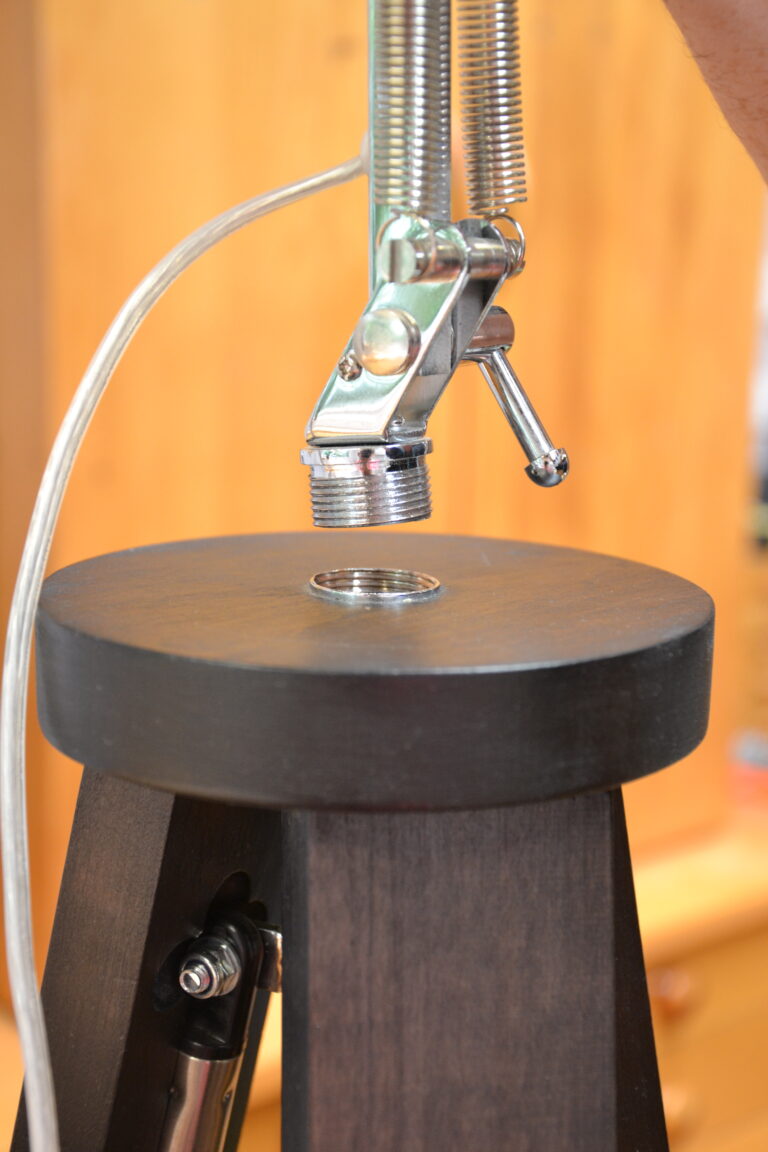
My daughter was looking for a large lamp for her husband’s birthday and struggled to find something with the modern industrial-type of look that she had in mind. She asked me if I could make something around her thinking. She particularly wanted a large tripod base with an adjustable lamp on the top.
We searched around for a suitable lamp for the top and found an adjustable lamp on a spindle base at Lighting Direct on sale for $89.95. We would have preferred a matt black finish but we felt the chrome model would work very well.

READ MORE »

Steampunk toy: Back to the future

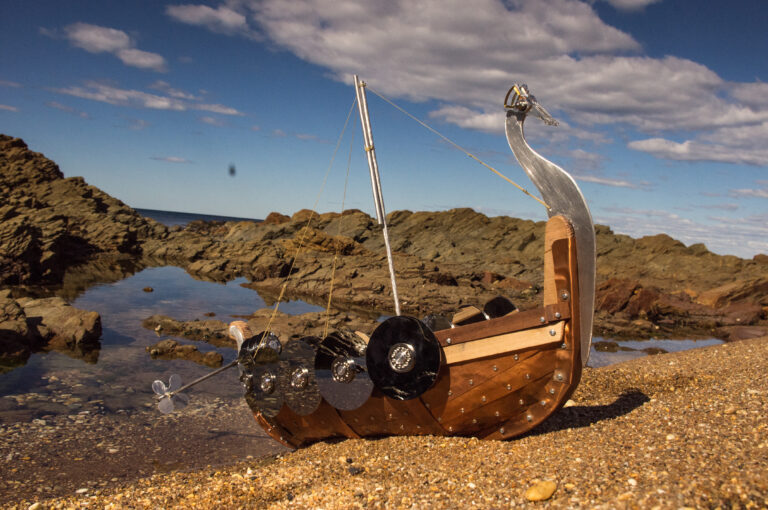
Having been bitten by the steampunk toy bug recently I couldn’t resist trying once again to bring the theme to bear on another model. I have always admired the elegant lines of the clinker-built Viking longboats, their savage, war-like image on storm-tossed seas, and the whole mythology of the Viking era. I decided to see if I could combine that vision and steampunk to produce a modern take on the old boats.
As with my other steampunk toys and models, I chose a central element around which to base this one. The ultra-smooth, mirror-like, hard-drive disks I had used as hub caps in a previous steampunk toy are especially well suited to replicate (with a modern twist) the Viking shields that adorned the gunwales of their longboats.

READ MORE »

Lights galore

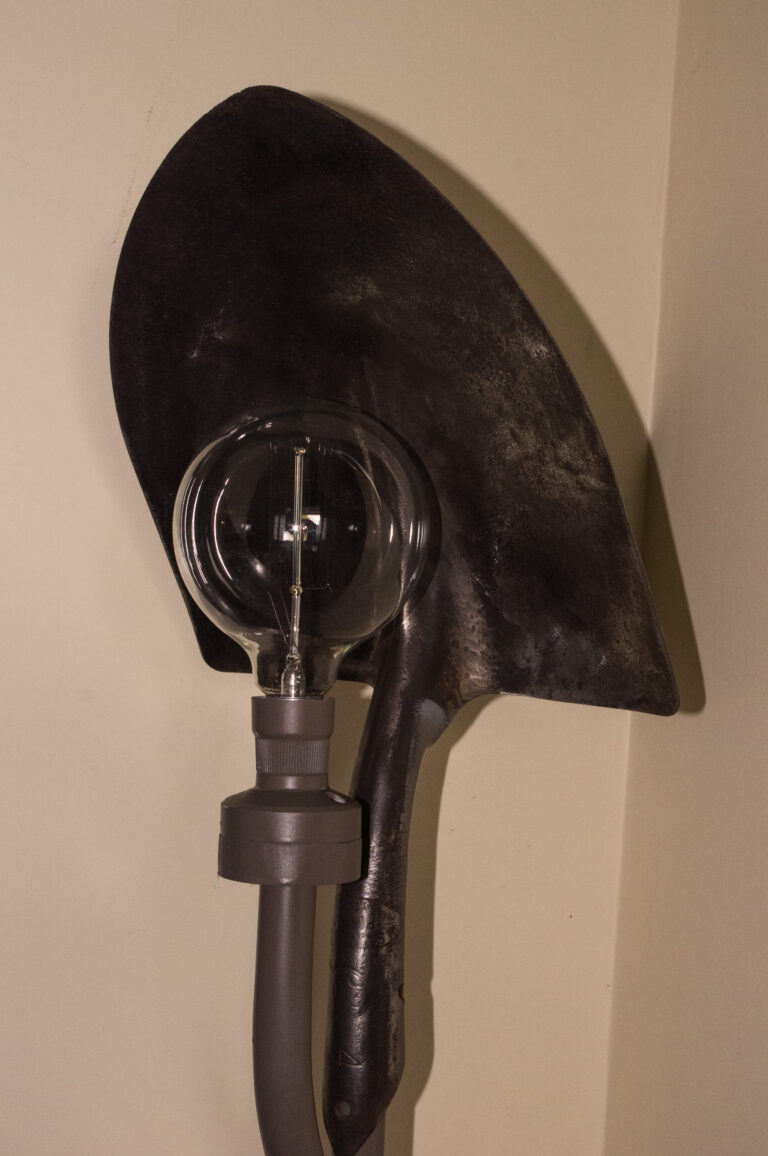
If you are interested in adapting and using discarded bits and bobs to make something useful, then building lights, table lamps, and the like, offers an endless source of relatively inexpensive projects to amuse you. What’s more, they make unique gifts and nice conversation starters for visitors. Lamps are also a good way of supporting a decorating theme. Whether you are into an Art Deco, Arts and Crafts, modern or industrial look, it is nice to enhance your chosen theme by constructing a light from an object that is reminiscent of it.
Of course you are dealing with 240-volt electricity, which is potentially lethal, so it is essential that you use common sense and particular care when wiring up lights (see the safe wiring tip box). The advent of 12-volt downlights powered by small transformers has also made the construction of lights much safer. Lights can now be wired in such a way that the 240-volt transformer is remotely located or secured and independently earthed. There is no electrocution risk posed by the 12-volt wiring in the rest of the light.

READ MORE »

Child’s play

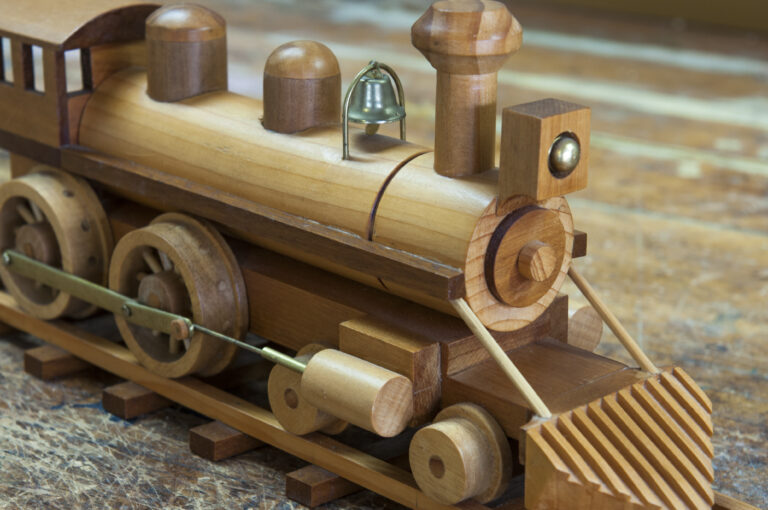
When you are a carpenter by trade with an interest in cars and still young at heart, making wooden toys has to be the perfect retirement occupation—although many of Alan Gray’s “toys” are not the sort of playthings you would put in the hands of small children. His meticulously crafted vintage vehicles, fashioned mostly from native timbers, mahogany and macrocarpa, can take around 60 hours to make and are more collectors’ pieces.
To keep the real kids happy, he has a more robust range mostly made from pinus radiata— diggers, trucks, pull-along hippos and the like.
Alan, 71, and his wife, Lesley, have been living in Cromwell for the past six years. Originally from Dunedin, Alan trained as a carpenter but turned his hand to fishing after moving to Stewart Island. He then spent the best part of three decades skippering boats for the Department of Conservation.

READ MORE »

Welding: Standing to attention – lathe bench build part 2

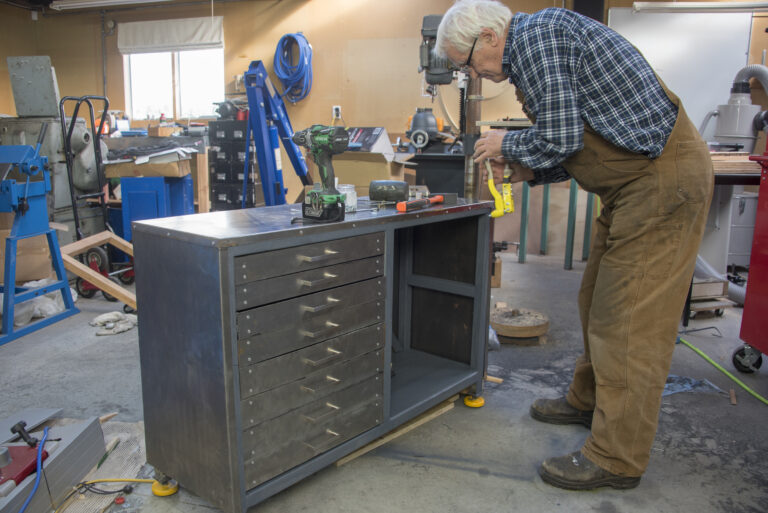
I ordered some drawer slides of the appropriate length (350mm) and worked out the width of the slides and thus the width of the drawers. The drawer slides are rated at 45kgs. I couldn’t be sure what weight I would be likely to load but this should suffice. I elected to run with eight drawers and make the second opening in the frame a cabinet to house larger components like the four-jaw chuck. After some fiddling I settled on two drawers each of 75mmx70mmx60mm, and 50mm high, separated by 10mm.
I bought three sheets of cold rolled steel 1mm thick. This is within the limits of the panbrake and I had hoped the material would be stiff enough given that the drawer had to span over 500mm width. I broke the material down into half sheets to make it easier to handle.

READ MORE »

Man who gives a toss

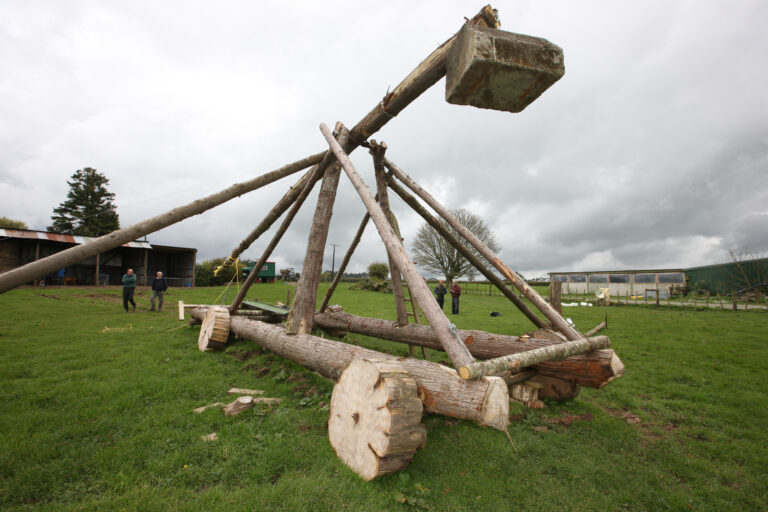
The incentive for the project came from Dave’s sons, Josh and Andrew. The boys were jumping their bikes and Josh (13) came up with the ultimate idea—throwing their bikes with a trebuchet which they had seen in action on computer games. The boys started with a small trebuchet using stones but it didn’t throw them far so dad got into the act. Dave checked out machines on the internet that were even throwing cars. The world record is a 630-metre throw. He was impressed and thought he would give it a go. He had some Lawsoniana trees he intended to drop so thought now was the time. He finds the Lawson trees were straight and the wood is very flexible.

READ MORE »

Welding: Standing to attention

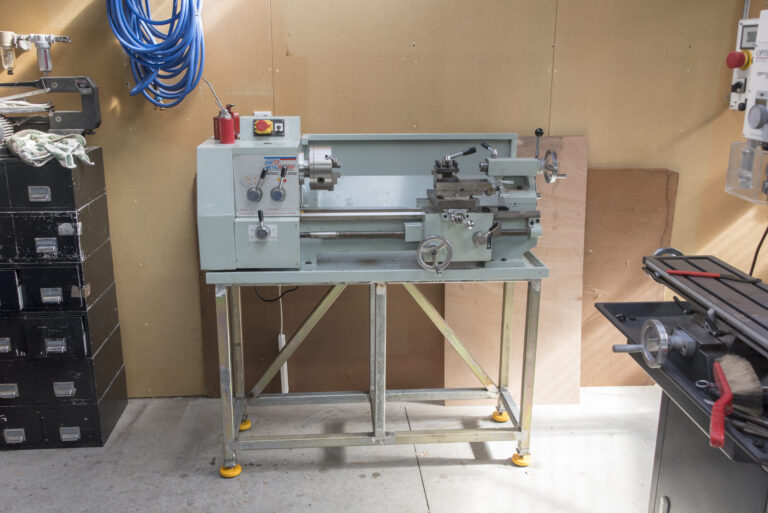
I moved recently and in the haste to pack I loaded my lathe complete with its stand. The stand, which is really just a couple of sheet-metal cabinets, didn’t really survive the move all that well and it was bent out of shape.
That didn’t really bother me since I have wanted to make a decent stand for the lathe since I got it, and include some drawers for tooling and other bits and pieces. Now that the lathe is in its permanent home I have my chance. This is just a small lathe but it weighs 250kg nonetheless.
I wanted to make something sturdy and solid that would serve to support the lathe without sagging and eliminate any vibrations.

READ MORE »

The Shed King is going to Bonneville, can you help get him there?

“My name is Dave Alexander, and I am on a mission to set a land speed record of over 420 kph at the iconic Bonneville Salt Flats.
With decades of experience in motorsport dating back to the 1970s, I have had the honour of competing at Bonneville before, where we achieved three records in just one week with my home-built car from New Zealand.
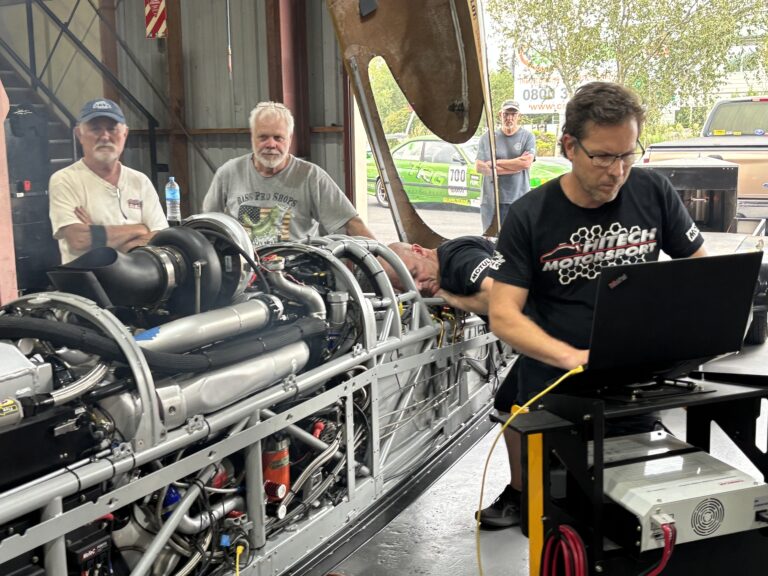
My latest creation is an impressive 7-metre ‘Lakester’, engineered specifically for land-speed racing and powered by a turbocharged Nissan RB30 engine. As a self-employed engineer, fabricator, and welder, I took on the challenge of building this vehicle in my shed with support from a small team of skilled friends.
In February 2025, we successfully completed the build and ran the car on a hub dynamometer, ensuring all systems were calibrated and functions tested. This marked a crucial milestone in our journey. Now, we face the next challenge: packing the car and transporting it across the globe to compete in ‘Bonneville Speedweek’ 2025.

READ MORE »